Peržiūrėti realybėje
 Pasidalinti
 Dalintis
 Išsamiau

 Atsisiųsti
 Panašūs eksponatai
 Rentgeno nuotrauka
 Automatinė diorama
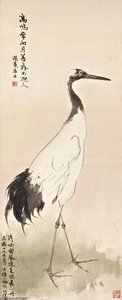
Lotus
 133.0 x 46.0 cm
 Skaityti daugiau
Giclée / Meno spausdinimas
Muziejų lygio „giclée“ arba drobos spausdinimas: greita gamyba ir lankstios apdailos parinktys. ( Pirkti rankomis tapytą paveikslą Pirkti vaizdą)




































Pasirinkite iš mūsų nustatytų dydžių, atitinkančių originalaus meno kūrinio proporcijas.

Galite nurodyti savo matmenis, kad vaizdas atitiktų konkretų rėmą ar erdvę. Jei pasirinktas dydis nesutaps su originalaus paveikslėlio proporcijomis, mes arba apkirpsime kūrinį, arba išplėsime vaizdą naudojant veideliu atspindėtą arba vientisą šoną. Skaitmeninis maketas bus išsiųstas jums patvirtinti prieš pradedant gamybą.
Atkreipkite dėmesį, kad ekrane matomas vaizdinys neatspindi tikrojo apkirpimo ar išplėtimo. Tik maketas tiksliai parodytų galutinę kompoziciją.
Nors galima rinktis ir individualius dydžius, rekomenduojame pasirinkti vieną iš išanksti nustatytų matmenų, kad būtų išlaikytos originalios proporcijos.
Pristatymas visame pasaulyje () per 2 weeks, o ne įprastas 4/5 savaičių laikotarpis. (29 rugpjūtis)

Nemokamas greitasis pristatymas visame pasaulyje

Aukštos kokybės lininis drobė

Pilnas siuntimo draudimas

Muitinės mokesčių grąžinimo garantija

Tikro spalvų atitikimo garantija

60 dienų grąžinimo politika (tik esant gamyklinėms defektams)

100% pinigų grąžinimo garantija

Nuolaida už kelias reprodukcijas
 Stiklo variantas prieinamas tik pasirinkus dydį iki 110 cm

Lotus
Giclée / Meno spausdinimas
Reprodukcijos matmenys
-


Galutinė kaina
$ 80
Autoriaus biografija
The Brush of Strength: Introducing Zhang Kunyi
Zhang Kunyi, a contemporary Chinese artist making waves in the art world, embodies a fascinating intersection of athletic prowess and artistic sensitivity. While widely recognized as Zhilei “Big Bang” Zhang, the formidable heavyweight boxer, his passion for painting reveals a depth often hidden beneath the disciplined exterior of a professional athlete. Born in Guangxi, China, Zhang’s journey is one of parallel dedication – honing both physical strength and creative expression. He doesn't present himself solely as an artist *or* a sportsman; rather, he seamlessly integrates both identities, allowing each to inform and enrich the other. His work, emerging from OriginalUniqueArt with increasing prominence, offers a compelling glimpse into traditional Chinese aesthetics viewed through a modern lens.From Boxing Ring to Rice Paper: A Dual Path
Zhang’s artistic pursuits are not a recent development born of newfound leisure. Painting has been a lifelong companion, cultivated from childhood as a means of self-expression and contemplation. He often speaks of the meditative quality of brushwork, finding in it a similar focus and discipline required for success in boxing. The rigorous training demands precision, strategy, and an understanding of one’s own limits – qualities that translate directly into his art. Unlike many artists who dedicate themselves solely to their craft from a young age, Zhang has navigated two demanding professions simultaneously. This unique background imbues his work with a distinctive energy; it is not the detached observation of a lifelong artist, but rather the considered reflection of someone who has experienced life through intense physical and mental challenges. The boxing ring, in essence, becomes a crucible for his artistic vision, shaping both subject matter and style.Themes of Power and Grace: Exploring Zhang’s Artistic Vocabulary
Zhang Kunyi's paintings are deeply rooted in traditional Chinese iconography, particularly the motifs of cranes and orchids. The crane, a symbol of longevity, wisdom, and good fortune, frequently appears in his compositions, often depicted soaring amidst dramatic landscapes. These aren’t merely decorative elements; they represent aspirations for resilience, freedom, and spiritual elevation – themes that resonate powerfully with Zhang's own life story. Similarly, the orchid, revered for its delicate beauty and refined fragrance, embodies integrity, humility, and grace. He masterfully employs traditional Chinese brushwork techniques, utilizing varying ink densities and calligraphic strokes to create dynamic compositions filled with movement and emotion. His landscapes are not photographic representations but rather evocative interpretations of nature, capturing the *qi* – the vital energy – that flows through mountains, rivers, and forests. The inclusion of calligraphy further enhances the artistic depth, adding layers of meaning and personal reflection to his pieces.Influences and Development: A Modern Take on Ancient Traditions
While Zhang’s work is firmly grounded in Chinese tradition, it isn't a simple replication of past masters. He draws inspiration from the great landscape painters of the Song and Yuan dynasties, particularly those known for their expressive brushwork and philosophical depth. However, he infuses his paintings with a distinctly modern sensibility, characterized by bold compositions, dynamic energy, and a willingness to experiment with color and form.- He acknowledges the influence of contemporary artists who successfully bridge traditional techniques with modern aesthetics.
- His travels throughout China have also played a significant role in shaping his artistic vision, exposing him to diverse landscapes and cultural traditions.
- The discipline instilled by boxing – the need for precision, strategy, and self-control – has undoubtedly influenced his approach to painting.