

 Peržiūrėti realaus dydžio版
 Siųsti
 Dalintis
 Išsamiau
 Vadovas

 Atsisiųsti
 Panašūs eksponatai
 Rentgeno spindulių nuotrauka
 Diaporama
 Statistika
Home Is a Foreign Place
 Woodblock Print
- WallArt
- Minimalism
 1999
1999 330.0 x 407.0 cm
 MOMA - Moderniosios meno muziejus
 Rodyti daugiau
Šiame puslapyje rodomas meno kūrinys yra saugomas autorių teisių įstatymais, todėl neturime teisės legaliai kurti ar parduoti jo identiškos reprodukcijos. Ši apsauga užtikrinama remiantis tokiais tarptautiniais susitarimais kaip Bernės konvencija ir pagal nacionalines įstatymų nuostatas, įskaitant tas, kurias nurodo JAV autoriškos teisės įstatymas – 17-asis skyrius.
Šis metodas visiškai atitinka autorių teises, nes jame nėra kūrinio kopijavimo ar dubliavimo. Tai yra kūrybinė reinterpretacija – naujas paveikslas, kurį įkvėpė originalas, tačiau kuris nėra jo identiškas.
Giclée / Meno spausdinimas
Muziejų lygio „giclée“ arba drobos spausdinimas: greita gamyba ir lankstios apdailos parinktys. ( Pirkti rankomis tapytą reprodukciją Perejti prie skaitmeninių vaizdų)




P118B €10

P118H €10

P118W €10

P438Z €10

P508JH €12

P508YH €12

P805H €10

P805Z €10

P919BZ €10

P919G €10

P919XJ €10

P959ZH €10

P968JZ €12

W106C €8

W218G €10

W218JH €8

W218Y €10

W307PJ €10

W316G €10

W316PJ €8

W316Y €10

W398PJ €8

W4111J €10

W500HY €15

W500JH €15

W692G €12

W849H €8

W940BG €15

W953PJ €8




Pasirinkite iš mūsų nustatytų dydžių, atitinkančių originalaus meno kūrinio proporcijas.

Įveskite jums reikiamą plotį ir aukštį, kad atvaizdas derėtų prie jūsų rėmo ar sienos. Spausdiną galima tik sumažinti, bet nepadidinti virš originalaus paveikslėlio dydžio, todėl keičiant proporcijas, dalis vaizdo prarandama. Prieš spausdinimą atsiųsime jums skaitmeninį maketą patvirtinimui. Šioje puslapio nuotraukoje matomas pjūvis nėra tikslus – jį rodo tik maketas.
Pristatymas visame pasaulyje () per 2 weeks, o ne įprastas 4/5 savaičių laikotarpis. (25 spalis)

Nemokamas greitasis pristatymas visame pasaulyje

Aukštos kokybės lininis drobė

Pilnas siuntimo draudimas

Muitinės mokesčių grąžinimo garantija

Tikro spalvų atitikimo garantija

100 dienų grąžinimo politika (tik esant įtaigoms)

100% pinigų grąžinimo garantija

Nuolaida dideliems užsakymams
 Stiklo variantas prieinamas tik pasirinkus dydį iki 110 cm

Home Is a Foreign Place
Giclée / Meno spausdinimas
Reprodukcijos dydis
-


Visų pasirinktų variantų kaina
€ 70
Zarina Hashmi’s “Home Is a Foreign Place”: A Cartographic Meditation on Displacement
Zarina Hashmi's "Home Is a Foreign Place," created in 1999, isn’t merely a collection of woodcuts; it’s a profound and deeply personal exploration of belonging, displacement, and the enduring power of memory. This portfolio, comprised of thirty-six meticulously crafted prints, stands as one of the artist's most significant achievements, embodying her signature style – a delicate balance between minimalism and richly layered symbolism. Hashmi, born in Aligarh, India, and later navigating a life shaped by migration and exile, used this series to grapple with the complex emotional landscape of identity forged through movement and loss.
The artwork’s foundation lies in its deliberate simplicity. Each sheet employs a restricted palette – primarily black ink on Kozo paper – creating an almost austere visual experience. Yet, within this apparent restraint resides a remarkable complexity. Hashmi masterfully utilizes geometric forms—lines, circles, squares, and rectangles—to evoke architectural elements, topographical maps, and even the subtle textures of domestic spaces. These shapes aren’t randomly arranged; they are carefully positioned to suggest pathways, borders, and thresholds – visual metaphors for the journeys undertaken throughout her life.
The Language of Urdu: A Return to Roots
Crucially, "Home Is a Foreign Place" isn't presented in isolation. Each print is accompanied by a word or phrase written in Urdu, Hashmi’s native language. This deliberate inclusion elevates the work beyond mere visual abstraction; it transforms each image into a fragment of poetry, a whispered echo of her heritage. The use of Urdu serves as both a grounding force – anchoring the artwork to her roots—and a poignant reminder of the linguistic and cultural losses inherent in displacement. As Hashmi herself explained, she often began with words, allowing them to guide the visual composition, creating a dialogue between language and image.
The choice of Urdu is particularly significant given its role as a ‘translation’ for Hashmi – a means of expressing complex emotions and experiences that couldn't be fully conveyed through English. The script itself becomes a symbol of continuity, connecting her past to the present, and offering a pathway back to a sense of belonging.
Technique and Inspiration: Hayter’s Legacy
Hashmi’s artistic journey was deeply influenced by Stanley William Hayter, a pioneering British printmaker who ran Atelier 17 in Paris. She apprenticed with him for several years, mastering the techniques of woodblock printing and exploring the possibilities of monotype. This training is evident in the precision and control displayed throughout “Home Is a Foreign Place.” The intricate lines, carefully carved into the blocks, demonstrate a deep understanding of printmaking processes, while the subtle variations in ink density create nuanced tonal effects.
Furthermore, Hashmi’s work reflects broader artistic currents of the late 20th century, including minimalism and conceptual art. She draws inspiration from artists like Kazimir Malevich, whose reductive geometric forms explored spiritual concepts, and from the principles of Islamic art – particularly its emphasis on geometry and symmetry. The portfolio's grid-like arrangement mirrors the order and balance found in traditional Islamic architecture, creating a visual harmony that reinforces the artwork’s themes of stability and continuity amidst change.
Emotional Resonance: A Portrait of an Exiled Soul
"Home Is a Foreign Place" is not simply a visually striking work; it's a deeply moving meditation on the human condition. It speaks to the universal experience of displacement, loss, and the yearning for connection. The artwork’s quiet intensity invites viewers to contemplate their own sense of belonging—to consider what constitutes ‘home,’ both physically and emotionally. The subtle shifts in scale, perspective, and composition create a sense of unease and uncertainty, mirroring the emotional complexities of Hashmi's life.
Reproductions of this powerful artwork offer a unique opportunity to bring its contemplative spirit into any space. Its minimalist aesthetic complements a wide range of interior design styles, while its rich symbolism invites ongoing reflection and conversation. “Home Is a Foreign Place” remains a testament to Zarina Hashmi’s extraordinary artistic vision—a poignant reminder that even in the face of displacement, the search for meaning and connection endures.
问答 (or more naturally for a website heading): Klausimai ir atsakymai
Kaip aprašoma „Home Is a Foreign Place“, autorius – Zarina Hashmi spalvų paletė?
„Home Is a Foreign Place“, autorius – Zarina Hashmi spalvų paletė apibūdinama kaip Pastels. Tai glausta kūrinio spalvų aprašoma.
Ar Zarina Hashmi, „Home Is a Foreign Place“ kūrijas, žinomas에도 kitais vardais?
Kiti Zarina Hashmi, „Home Is a Foreign Place“ kūrybos autoriaus, vardai apima Zarina.
Kam rekomenduojamas „Home Is a Foreign Place“, autorius – Zarina Hashmi reprodukcija?
Rekomenduojamas „Home Is a Foreign Place“ spausdinio naudojimas yra Reflective.
Autoriaus biografija
ankstyvasis gyvenimas ir karjera
zarina hashmi, indėjos amerikos kūrėja ir grafikos meistrinė, gimė 1937 m. liepos 16 d. Jos kūrybinis kelias buvo neatsiejamas nuo namų, išjudinimo, ribų, kelionės ir atminties temų, kurios tiesiogiai atspindėjo jos asmeninę patirtį kaip žmonės, praradusios savo vietą pasaulyje.meninė stilistika ir temos
siejama su minimalizmo lavaižomis, zarina hashmi kūrinys naudoja abstrakčias ir geometrines formas, siekiant suvilkti žiūrėjoje dvasingą reakciją. Jos menas jautriai kronika rašo jos gyvenimą, visada sugrįžtant į pagrindines temas: namus, vietą, sienas ir prisiminimus.- minimalizmas: zarinos kūryba linksta į minimalizmą, kurį nuotaiką priguzdina tekstūra ir materialumas.
- išjudinimas ir atmintis: jos menas atspindi asmeninę išjudinimo patirtį, tyrinėjant namų, vietos, ribų ir atminties sąvokas.
- urdų kalbos įrašai: naudojant urdų kalbos tekstus, zarina prisivelo savo gimtąją kalbą, simbolizuojančią visą gyvenimą trukdantį meninės ir kalbinės išraiškos „vertimą“.
pastebimieji darbai ir parodos
viena ryškiausių zarinos kūrybos pavyzdžių yra „home is a foreign place“ (1999 m., 36 medečių grafikos chine collé portfelis su urdų kalbos tekstu, pristatytas Metropolitano meno muziejuje, įsigytas kaip George Economou kolekcijos dovana). Šis darbas, kartu su kitais, galima rasti zarina hashmi kūrybos skiltyje svetainėje OriginalUniqueArt.com.palikimas ir prisiminimas
2020 m. balandžio 25 d. zarina hashmi mirtis tapo didelės kultūrinės figūros praradimu. Jos gyvenimo istorija, atsispindinti meno pagrado, ir toliau sukelia dvasingą emociją žiūrėjose, užtikrindama, kad jos palikimas išliktų amžinyse. peržiūrėti zarina hashmi kūrybą OriginalUniqueArt.com skaityti daugiau apie zarina hashmi „wikipedia“
Zarina Hashmi
1937 - 2020 , Indija
Trumpa informacija apie kūrėją
- Artinis Stilius Ar Kryptis: Pop Art, Britų pop
- Gimimo Data: 1937 m. liepos 9 d.
- Gimimo Vieta: Bradford, Anglija
- Meningai, Kurie Paveikė Šį Artistą:
- Pablo Picasso
- Wallace Stevens
- Tautybė: Britų
- Vardas, Pavardė: David Hockney
- Šį Šį Artistą Įkvėlusios Menininkai Ar Kryptys:
- Jeff Koons
- Andy Warhol
- Žinomos Kūriniai:
- Artistų portretas (Baseinas su dvieju figūromis)
- Didelis spliškimas
- Mėlynojo gitaro serija
Susiję straipsniai
Nacionalinės galerijos meno perlas: 25 paveikslai, įkvėpę kartas | OriginalUniqueArt.com
Atraskite 25 Nacionalinės galerijos meno perlus! Išsami istorija apie Monet, Picasso ir kitų žymiausių dailininkų kūrinius. Įkvėpimo interjerui ir aukštos kokybės meno reprodukcijos – OriginalUniqueArt.com
Fra Angelico Šedevrai: Top 25 Kūrinių Elegancija Jūsų Interjere
Atraskite 25 įspūdingiausius Fra Angelico šedevrus! Renesanso meno grožis, religinė tapyba ir angelų paveikslai. Meno istorija, interjero dizaino idėjos bei aukštos kokybės reprodukcijos OriginalUniqueArt.com. Explore the full collection online!
Prado Šedevrai: Top 25 Tapybų Kūriniai, Įkvėpę Kartas | OriginalUniqueArt
Atraskite 25 ikoniškus Prado muziejaus šedevrus! Goya, Velázquez ir El Greco kūriniai – istorijos, stiliai, įkvėpimas jūsų interjerui. Meno reprodukcijos aukščiausia kokybe OriginalUniqueArt.com
Pierre'Auguste Renoir: 25 Šedevrai, Apšviečiantys Prancūzijos Grožį | OriginalUniqueArt
Atraskite 25 Pierre'Auguste Renoir šedevrus! Impresionizmo meistro paveikslai, kupini šviesos ir grožio. Meno istorija, technikos paslaptys ir įkvėpimas jūsų interjerui. Aukštos kokybės reprodukcijos – OriginalUniqueArt.com
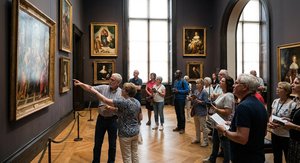
Alte Pinakothek: 25 Šedevrai, Įkvėpę Kartas | Tapyba, Menininkai ir Interjero Dekoracijos
Atraskite 25 įspūdingiausius 'Alte Pinakothek' šedevrus! Renesanso ir Baroko paveikslai, Albrecht Dürer, Rembrandtas ir kiti garsūs menininkai. Įkvėpkite interjerui su aukštos kokybės reprodukcijomis – OriginalUniqueArt.com