Naive Art · 1969
Untitled (Yi Eungro, 1969)
Yi Eungro (1904–1989) sukūrė Untitled. Šis kūrinys datuojamas 1969 m. Šis kūrinys priklauso Naive Art kieruliui. Pagaminta naudojant Ink On Paper. Eksponatas saugomas Lee Ungno muziejus Daegu, Pietų Korėja. Matmenys – 33 × 36 cm.
- 1969
- Ink On Paper
- 33 × 36 cm
- Lee Ungno muziejus, Daegu

 Peržiūrėti

 Rankinio darbo aliejinės imitacijos paveikslas
 Pasidalinti
 Dalintis
 Informacinė lLapelė


 Atsisiųsti
 Panašūs eksponatai
 Rentgeno spindulių nuotrauka
 Automatinė diorama
 Klausimai ir atsakymai

 Statistika
Untitled, trumpai
- Pavadinimas
- Untitled
- Autorius
- Yi Eungro (1904–1989)
- Autorius gimęs
- Seulas, Pietų Korėja
- Data
- 1969
- Technika
- Ink On Paper
- Dalių matmenys
- 33 × 36 cm
- Kur galima pamatyti
- Lee Ungno muziejus, Daegu, Pietų Korėja
- Judėjimas
- Naive Art
- Laikotarpis
- Modern
- Tema
- whimsical village, abstract cityscape, crowded scene, ink illustration, folk art style, layered composition
Ką vaizduoja Untitled?
Visual Composition and Subject Matter
In "Untitled" by Yi Eungro, a dense and whimsical world unfolds through a chaotic arrangement of life. The composition is an overwhelmingly busy landscape, resembling a stylized village or cityscape where every inch of the surface is occupied. Small figures, animals, and carts move through a labyrinth of overlapping layers, creating a sense of depth without the use of traditional perspective. Buildings appear as blocky, geometric forms, stacked upon one another in a way that feels both structured and unsettled. It is a scene of constant, quiet movement.
The subject matter captures the fragments of daily life, rendered in a way that feels dreamlike and fantastical. People and creatures navigate a terrain of angular, jagged lines that cut through the space. This frantic energy is tempered by a muted and limited color palette. Pale washes of blue and pink drift across the scene, meeting the starkness of black and gray. The shapes are simplified, stripped of unnecessary detail to focus on the essence of the crowd. A sense of a bustling, imaginary settlement remains held within these thin, expressive strokes.
Technique and Artistic Style
The work is executed in a loose, sketchy black ink style. The artist employs line drawing as the primary method, using varying thickness and pressure to create a tactile sense of texture. These ink strokes are punctuated by limited color washes. Pale blue and pink watercolor washes are applied sparingly, appearing as soft stains against the darker linework.
The style leans toward naive or folk art. It prioritizes expressive, jagged lines and symbolic representation over any attempt at realistic depiction. Instead of traditional perspective, depth emerges through the dense layering and overlapping of geometric, blocky forms. Buildings and figures stack upon one another to build a sense of space. Lighting remains implied, existing only through the arrangement of shapes rather than an explicit source of shadow or light.
The composition feels energetic and slightly unsettling. Angular lines cut through the muted palette of black, gray, and pale washes. It is a world of movement and quiet, crowded activity. The ink remains the heartbeat of the piece.
Kuriame muziejuje eksponuojama karya Untitled?
Lee Ungno muziejus
Daegu, Pietų Korėja
Tinta ir modernumo simfonija: Lee Ungno palikimas Kultūros širdyje, Daejeono peizaže, Lee Ungno muziejus stovi kaip gilus meninės vizijos transformacinės galios įrodymas. Ši institucija tarnauja kaip tiltas tarp erų, siūlydama retą žvilgsnio į žmogaus sielą, kuris sėkmingai sujungė meditacinį rytų tusto tapybos svorį su drąsiais, eksperimentiniais Vakarų modernizmo horizontais. Į šį muziejų įžengti tariama į erą, kur senoji korejiečių kaligrafijos tradicija susitinka su Europos abstrakčiosios ekspresijos elektrine energija, kurioje gimsta dialogas, rezonuojantis per kartas.
Untitled dididraudžios kokybės vaizdai

Apsaugotas autoriškomis teisėmis: šie failai skirti asmeniniam peržiūrėjimui, o ne perraštiniam naudojimui.
Yi Eungro, Untitled (1969).
Yi Eungro (1904–1989), Untitled, 1969, ink on paper, Lee Ungno muziejus, Daegu, Pietų Korėja. Vaizdas: OriginalUniqueArt.com.
Atsakimai į klausimus apie Untitled
Kuriam muziejui priklauso originalus „Untitled“?
Kūrinys „Untitled“ – Yi Eungro rodomas Lee Ungno muziejus, Daegu, Pietų Korėja. Muziejaus informacija nuoroda į originalą, o ne į reprodukciją.
Kokia technika buvo panaudota kūriniam darbui „Untitled“ – Yi Eungro?
„Untitled“ technika – Ink On Paper.
Kokie yra „Untitled“ – Yi Eungro realūs matmenys?
Kas yra „Untitled“?
Darbos „Untitled“ temos yra whimsical village, abstract cityscape, crowded scene, ink illustration, folk art style, layered composition, sketchy detail.
Ar „Untitled“ yra viešosios teisės kūrinys?
Kas sukūrė „Untitled“?
Kokiam stiliui priklauso „Untitled“?
Apie menininką Yi Eungro

1904–1989, Pietų Korėja
Yi Eungro
**ankstyvasis gyvenimas ir mokslas** lee ungno, taip pat žinomas kaip yi eungro, buvo korejiečių kilmės prancūziškas tapystorius ir grafikos meistras, gimęs 1904 metais Seule, Pietų Koreijoje. Jo ankstyvoji jaunyste pažymėjo trumpas laikotarpis mokantis Hongseong botong hakyo (홍성보통학교, 홍城초등학교, 洪城普通學校) mokykloje, po kurios nuo 1920 metų jis pašvė mėginiu tapybai mokantis yeomjae song tae-hoe. **meninė karjera korejiečių ir japonų žemėse** Lee ungno meninė karjera tikrai prasidėjo persikeliant į Seulą 1922 metais, kai jis tapo mokinio pas garsiąjį kaligrafą, tapybininką ir fotografą haegang kim gyu-jin. Pagrindiniu šiuo metu jis mokėsi tapyti „keturiąs valandas“ (the four gentlemen) „haegang stiliaus“ technika.
Taip pat Yi Eungro darbai
 Composition1970
 I Ching 64 Hexagrams Sequence (火風鼎)1974
 People1979
 The travels of Marco Polo Series1980
Esdai apie Untitled
 The Weight of a Single Stroke: Exploring the Technical Depth and Philosophical Resonance of Ink Wash PaintingMaster the technical depth of ink wash painting and sumi-e traditions. Explore the power of the brushstroke today.
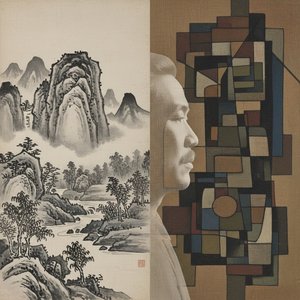 Yi Eungro: Bridging East & West in the Landscape of Korean ModernismExplore the captivating world of Yi Eungro (Lee Ungno), a pivotal figure in Korean modernism. Discover his unique fusion of Eastern and Wes…
 Color & Emotion: The 25 Most Iconic Masterpieces by Mark RothkoBorn in Latvia and shaped by the migrations of the early 20th century, Rothko turned large-scale color fields into windows for the soul.