
 Peržiūrėti realybėje
 Pasidalinti
 Dalintis
 Išsamiau

 Atsisiųsti
 Panašūs eksponatai
 Rentgeno nuotrauka
 Automatinė diorama
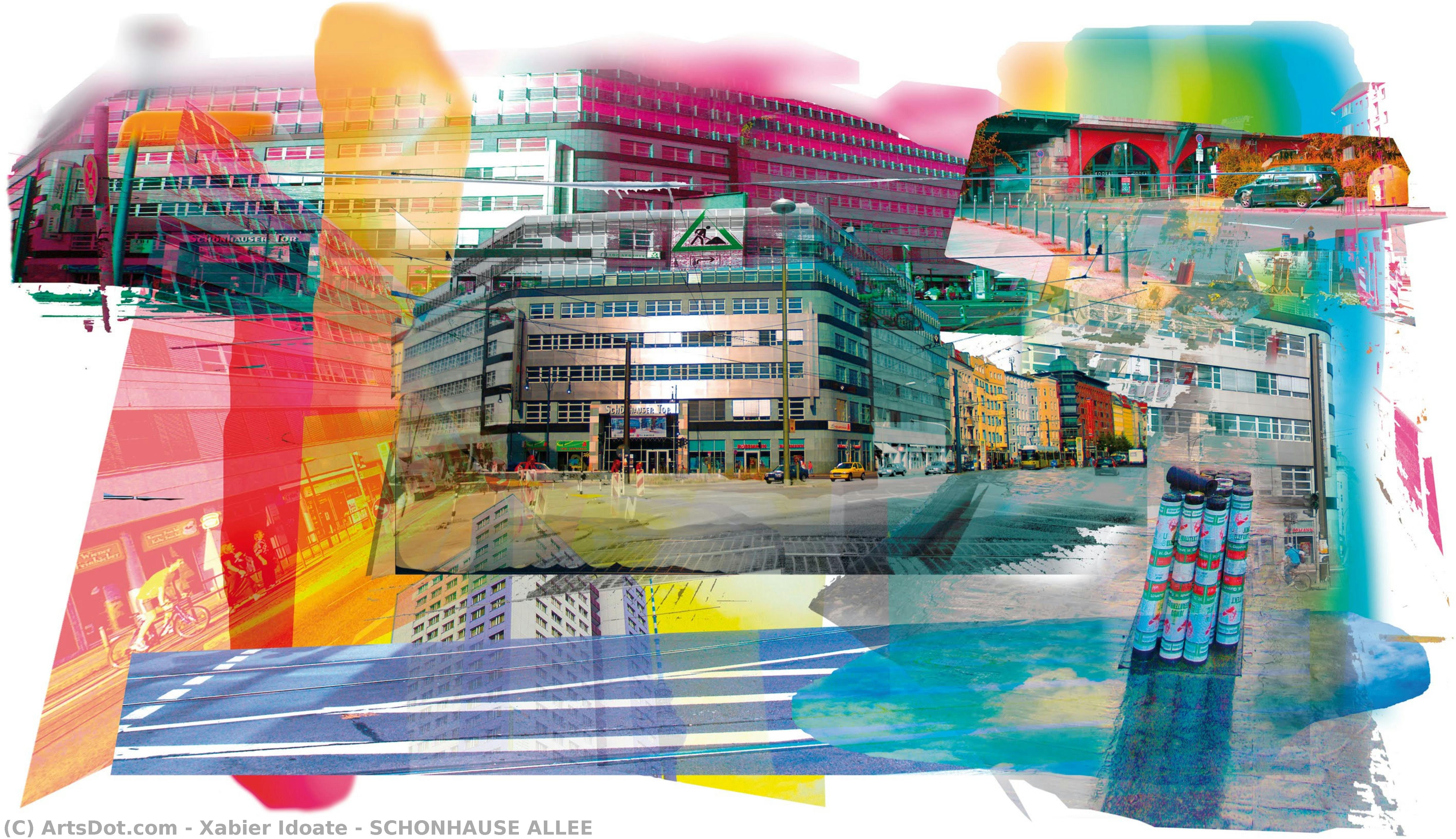
SCHONHAUSE ALLEE
 180.0 x 105.0 cm
 University of Navarra Museum
 Skaityti daugiau
Giclée / Meno spausdinimas
Muziejų lygio „giclée“ arba drobos spausdinimas: greita gamyba ir lankstios apdailos parinktys. ( Pirkti rankomis tapytą paveikslą Pirkti vaizdą)




































Pasirinkite iš mūsų nustatytų dydžių, atitinkančių originalaus meno kūrinio proporcijas.

Galite nurodyti savo matmenis, kad vaizdas atitiktų konkretų rėmą ar erdvę. Jei pasirinktas dydis nesutaps su originalaus paveikslėlio proporcijomis, mes arba apkirpsime kūrinį, arba išplėsime vaizdą naudojant veideliu atspindėtą arba vientisą šoną. Skaitmeninis maketas bus išsiųstas jums patvirtinti prieš pradedant gamybą.
Atkreipkite dėmesį, kad ekrane matomas vaizdinys neatspindi tikrojo apkirpimo ar išplėtimo. Tik maketas tiksliai parodytų galutinę kompoziciją.
Nors galima rinktis ir individualius dydžius, rekomenduojame pasirinkti vieną iš išanksti nustatytų matmenų, kad būtų išlaikytos originalios proporcijos.
Pristatymas visame pasaulyje () per 2 weeks, o ne įprastas 4/5 savaičių laikotarpis. (18 rugpjūtis)

Nemokamas greitasis pristatymas visame pasaulyje

Aukštos kokybės lininis drobė

Pilnas siuntimo draudimas

Muitinės mokesčių grąžinimo garantija

Tikro spalvų atitikimo garantija

60 dienų grąžinimo politika (tik esant gamyklinėms defektams)

100% pinigų grąžinimo garantija

Nuolaida už kelias reprodukcijas
 Stiklo variantas prieinamas tik pasirinkus dydį iki 110 cm

SCHONHAUSE ALLEE
Giclée / Meno spausdinimas
Reprodukcijos matmenys
-


Galutinė kaina
$ 80
Autoriaus biografija
A Life Interwoven with the Fabric of Place and Technology
xabier idoate, born in Pamplona, Spain, in 1954, is an artist whose work embodies a profound dialogue between the traditional disciplines of art and the ever-evolving landscape of technology. His journey hasn’t been one of abrupt shifts but rather a continuous exploration—a weaving together of painting, graphic design, video, and photography into a cohesive artistic language. To understand idoate's practice is to recognize its roots in the Basque Country, a region steeped in history, culture, and a unique relationship with its environment. He remains an active figure, currently holding a professorship at the Faculty of Fine Arts of the University of the Basque Country/Euskal Herriko Unibertsitatea (UPV/EHU), nurturing the next generation of artists while continuing to refine his own vision.Early Influences and Artistic Development
idoate’s formative years were undoubtedly shaped by the political and social climate of post-Franco Spain. While specific details regarding early artistic training are scarce, it's clear that a sensitivity to place—the textures, colors, and rhythms of Pamplona and the broader Basque region—became central to his aesthetic. He didn’t initially confine himself to a single medium; instead, he embraced experimentation, moving fluidly between painting and graphic arts. This early versatility laid the groundwork for his later integration of video and photography, allowing him to explore different facets of representation and perception. The influence of European modernism is subtly present in his work, particularly in its emphasis on form and abstraction, yet idoate quickly diverged from purely formal concerns, seeking a more engaged relationship with the world around him.The Urban Environment as Subject and Medium
A defining characteristic of idoate’s art is its focus on the urban environment. However, this isn't simply a depiction *of* cities; it’s an investigation into their social implications, their hidden structures, and the ways in which technology mediates our experience of them. His paintings often capture fragmented views of cityscapes—not as picturesque panoramas but as complex networks of streets, buildings, and signs. This fragmentation reflects the disorienting nature of modern urban life, where information overload and constant stimulation are the norm. He masterfully employs color to evoke mood and atmosphere, frequently utilizing a palette that is both vibrant and unsettling.Technology’s Embrace: Expanding Artistic Boundaries
The integration of technology into idoate's work wasn’t a sudden adoption but a gradual process of discovery. Video and photography became crucial tools for exploring the relationship between image, reality, and representation. His video installations often incorporate found footage, archival materials, and digitally manipulated images, creating layered narratives that challenge conventional notions of authorship and authenticity. Digital painting, in particular, has become a significant aspect of his practice, allowing him to create works that are both visually striking and conceptually complex. He doesn’t view technology as merely a tool but as an integral part of the artistic process—a means of expanding the boundaries of what art can be. His exploration extends beyond the visual, often incorporating sound and interactive elements, creating immersive experiences for the viewer.Historical Significance and Contemporary Relevance
xabier idoate’s work occupies a unique position within contemporary Spanish art. He isn't easily categorized; his practice resists simple labels, blending influences from modernism, post-structuralism, and media theory. His sustained engagement with the urban environment and the social implications of technology resonates deeply in an age defined by rapid technological change and increasing urbanization.- His work serves as a critical commentary on the ways in which technology shapes our perceptions of reality.
- He challenges traditional notions of artistic authorship and originality.
- idoate’s art encourages viewers to question their relationship with the environment and the forces that shape it.

xabier idoate
1954 - , Spain
Trumpa informacija
- Artistic Movement Or Style: Contemporary art
- Date Of Birth: 1954
- Full Name: xabier idoate
- Nationality: Spanish
- Place Of Birth: Pamplona, Spain

