

 Peržiūrėti realybėje
 Pasidalinti
 Dalintis
 Išsamiau

 Atsisiųsti
 Panašūs eksponatai
 Rentgeno nuotrauka
 Automatinė diorama
 Statistika
William III (1650–1702)
 1689
1689 250.0 x 120.0 cm
 County Hall
 Skaityti daugiau
Įsigykite aukštos skiriamosios raiškos, patobulintą skaitmeninį vaizdą, gerokai pranašesnį už internetinę peržiūrą.
Kiekvieną failą mūsų specialistai kruopščiai paruošia naudojant pažangias technologijas ir profesionalų rankinį retušavimą. Užtikriname, kad kiekvienas vaizdas pasižymėtų išskirtiniu aiškumu, tikslia spalvų atspalviu ir smulkiomis detalėmis.
Baigiamas failas el. paštu pristatomas per 72 valandas; jis optimizuotas nedelsiant naudojimui profesionalioje, redakcinėje ir spausdinimo aplinkoje. Tai ta pati kokybė, kuria pasitiki aukščiausios klasės dizaino studijos, leidyklos ir galerijos.
Skaitmeninis vaizdas
Atsisiųskite didelės raiškos failą asmeniniam naudojimui, spausdinimui ir kūrybiniams projektams. ( Perejti prie spausdinimo Pirkti rankomis tapytą paveikslą)
Kiekvieną skaitinio vaizdo užsakymą papildė
Profesionalus skaitmeninis pristatymas, garantuotas
Pasirinkę OriginalUniqueArt.com, jūs ne tik gaunate paveikslėlį – jūs gaunate profesionaliai patobudintą skaitmeninį kūrinį, sukurtą itin tikniai ir užtikrinantį pasitenkinimą. Štai viską, kas automatiškai pritékia jūsų užsakymui:

Greitas siuntimas el. paštu
Jūsų aukštos raiškos skaitmeninis vaizdo failas bus išsiųstas jums el. paštu per 72 valaudas nuo užsakymo – paruoštas naudojimui be jokių papildomų veiksmų.

Skaitmeninis failas su dirbtiniu intelektu
Jūsų meno kūrinys profesionaliai optimizuojamas naudojant pažangius dirbtinio intelekto įrankius ir rankinį redagavimą, užtikrinant maksimalią detalę, aiškumą ir spalvų tikslumą.

Nemokamas visam laikui pakartotinis siuntimas
Atsitiktinai ištrytikote ar praradote savo failą? Nebijokite – bet kuriuo metu atsiųsime jį jums vėl nemokamai.

Jokio importo mokesčio – niekada
Mėgaukitės savo meno kūriniu akimirka – skaitiniai failai visada yra neapmokestinami, todėl nereikės mokėti muitinės, mokesčių ar pristatymo mokesčių.

Spalvų tikslumo garantija
Naudodami profesionalią įrangą ir spalvų valdymo sistemas, užtikriname, kad jūsų skaitmeninis vaizdas kuo tiksliau atspindėtų originalias spalvas.

100 dienų patikimumo garantija
Jei nebuvosite patenkinti savo skaitmeniniu vaizdu, mes jį peržiūrėsime arba grąžinsime 100% sumą per 100 dienų – be jokių klausimų.

100% pinigų grąžinimo garantija
Nesitenkinate? Gaukite visą sumokėtą sumą per 100 dienų nuo skaitmeninio failo gavimo – be jokių papildomų klausimų.

Nuolaidos dideliems užsakymams
Pirkti 3 nuotraukas – pasiūla 10% - Pirkti 5 – pasiūla 15% - Pirkti 10 ir daugiau – pasiūla 20%. Puikiai tinka kūrybiniams projektams, galerijoms bei agentūroms.
Autoriaus biografija
Wolfgang William Claret: A Shadowy Figure of the 18th Century Court
Wolfgang William Claret, a name largely obscured by the passage of time, remains a fascinating enigma within the annals of 18th-century portraiture. Born in Exeter, England, around 1665 – though precise dates remain elusive – and tragically dying in 1706, Claret’s life was marked by both artistic promise and a frustrating lack of documented detail. He operated primarily within the vibrant, yet often secretive, world of London’s court artists, working as a draughtsman and eventually establishing himself as a portrait painter, though his output remains surprisingly modest. Despite this, his work possesses a distinctive elegance and technical skill that warrants renewed attention, offering glimpses into the social dynamics and artistic trends of a pivotal era.Early Life and Influences – A European Education
Claret’s origins are somewhat shrouded in mystery. Records suggest he received an education abroad, likely in continental Europe, possibly France or Italy—a common path for aspiring artists seeking to hone their skills. This exposure undoubtedly shaped his artistic sensibilities, introducing him to the prevailing styles of the time – particularly the refined portraiture favored by French and Italian masters. The influence of Caravaggio’s dramatic use of light and shadow is subtly present in some of his works, while the meticulous detail characteristic of Flemish artists can be detected in his preparatory drawings. It's believed he was influenced by Sir Richard Rainsford, a prominent barrister and fellow artist whose portrait Claret later attempted to replicate, demonstrating a clear desire to emulate established styles and techniques.The Court Painter – Portraits of Power
Claret’s career truly blossomed within the confines of London's court. He secured commissions from notable figures, including Thomas Osborne, 1st Duke of Leeds, a powerful nobleman and Treasurer to King William III and Mary II. These portraits, often characterized by their dignified composure and subtle expressions, offer valuable insights into the personalities and social standing of the era’s elite. His depictions of Mary II are particularly noteworthy – capturing her intelligence and regal bearing with remarkable sensitivity. He also painted Sir Richard Rainsford, a fellow barrister, showcasing his ability to render complex fabrics and intricate details. While many of these portraits were later copied or reworked by other artists, Claret's initial designs demonstrate a considerable level of artistry and understanding of the subject’s character.Technique and Style – A Delicate Balance
Claret’s artistic style is defined by a delicate balance between realism and elegance. His portraits are not overly theatrical or flamboyant, but rather convey a sense of quiet dignity and understated sophistication. He employed a meticulous draughtsmanship, carefully rendering the textures of clothing, hair, and skin with remarkable precision. His use of light and shadow creates a subtle three-dimensionality, adding depth and volume to his subjects. While he primarily worked in monochrome – utilizing pencil and wash techniques – there’s evidence suggesting he experimented with color, particularly in preparatory sketches. His portraits are often described as “delicate” and “refined,” reflecting the prevailing aesthetic sensibilities of the late 17th and early 18th centuries.Legacy and Historical Significance
Despite his relatively small body of work, Wolfgang William Claret’s contribution to British portraiture deserves recognition. He represents a crucial link between the more flamboyant styles of earlier court artists and the emerging trends of the Georgian era. His portraits offer valuable documentation of the personalities and social dynamics of London's elite during a period of significant political and cultural change. Furthermore, his work serves as a reminder that artistic history is often shaped by those whose names are obscured or forgotten—individuals who quietly exerted their influence within the broader context of their time. The copies and reworkings of his initial designs highlight the enduring appeal of his style and demonstrate how his artistic vision continued to resonate with subsequent generations of artists. Research continues to shed light on this enigmatic figure, promising to further illuminate his place in the rich tapestry of British art history.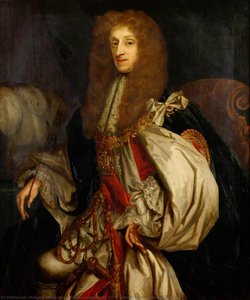
wolfgang william claret
1665 - 1706
Trumpai apie šį kūrėją
- Artistic Movement Or Style: Portraiture
- Artists Or Movements Influenced By This Artist: ['None specified']
- Artists Who Influenced This Artist: ['None specified']
- Date Of Birth: 1665
- Date Of Death: 1706
- Full Name: Wolfgang William Claret
- Nationality: Austrian
- Notable Artworks:
- Thomas Osborne Portrait
- Mary II Portrait
- Place Of Birth: WahooArt, Austria