American Realism · 1878
The Pumpkin Patch (Winslow Homer, 1878)
Winslow Homer (1836–1910) sukūrė The Pumpkin Patch. Šis kūrinys datuojamas 1878 m. Šis kūrinys priklaulo American Realism kieruliui. Pagaminta naudojant Akvarelė.
- 1878
- Akvarelė

 Peržiūrėti realaus dydžio版

 Rankinio darbo aliejinės imitacijos paveikslas
 Pasidalinti
 Dalintis
 Informacinė l lapelė


 Atsisiųsti
 Panašūs eksponatai
 Rentgeno spindulių nuotrauka
 Automatinė diorama
 问答

 Statistika
The Pumpkin Patch, trumpai
- Pavadinimas
- The Pumpkin Patch
- Autorius
- Winslow Homer (1836–1910)
- Dizainere/is gimęs
- Bostonas, Jungtinės Amerikos Valstijos
- Data
- 1878
- Mediumas
- Akvarelė
- Judėjimas
- American Realism
- Laikotarpis
- XIX amžius
Ką vaizduoja The Pumpkin Patch?
A Moment Frozen in Time: The Significance of Winslow Homer’s “The Pumpkin Patch”
Winslow Homer's "The Pumpkin Patch," painted in 1878, isn’t merely a depiction of autumnal labor; it’s a poignant snapshot of rural America at the cusp of profound change. This watercolor masterpiece, currently residing within the Canajoharie Library and Art Gallery, invites us into a scene brimming with quiet industry, community spirit, and a subtle undercurrent of nostalgia for a disappearing way of life. Homer, a master of capturing the essence of everyday American experience, skillfully employs his signature technique—a delicate balance between observation and expressive brushwork—to create an atmosphere both warm and deeply resonant.
The painting immediately draws the eye to the group of figures engaged in the harvest – men and women working together with a shared purpose. Their postures, rendered with remarkable sensitivity, suggest not just physical exertion but also a sense of camaraderie and mutual respect. Homer’s use of earthy tones—russets, ochres, and deep greens—dominates the palette, mirroring the landscape itself and grounding the scene in the tangible realities of rural life. The soft, diffused light, characteristic of his watercolor style, lends an almost dreamlike quality to the composition, softening the edges and creating a sense of intimacy.
The Artist’s Approach: Watercolor as a Vehicle for Emotion
Homer's choice of watercolor is crucial to understanding the painting’s impact. Unlike the bolder strokes of oil paint, watercolor allows for a remarkable degree of transparency and luminosity. This technique perfectly suits Homer’s aim—to capture not just the appearance of the scene but also its emotional atmosphere. The subtle gradations of color, achieved through layering washes and delicate brushstrokes, evoke a sense of warmth and comfort, while simultaneously hinting at the hard work involved in the harvest.
Furthermore, Homer’s meticulous attention to detail—the individual pumpkins scattered across the field, the worn clothing of the workers, the subtle expressions on their faces—adds layers of complexity to the scene. He doesn't shy away from depicting the realities of rural labor, yet he does so with a remarkable degree of empathy and respect for his subjects.
A Window into 19th-Century America
"The Pumpkin Patch" offers a valuable glimpse into American life during the late 19th century. It reflects a period of rapid industrialization and urbanization, which were fundamentally altering the social fabric of the nation. The painting celebrates the enduring values of community, hard work, and self-sufficiency—qualities that were increasingly threatened by these changes. The scene speaks to a time when agriculture remained central to American identity, and families relied on each other for support and sustenance.
Beyond its immediate depiction of rural labor, the painting also carries symbolic weight. The abundance of pumpkins – a symbol of harvest, prosperity, and gratitude – suggests a celebration of the bounty of the land. The collective effort of the workers underscores the importance of community and shared responsibility. It’s a quiet testament to the dignity of honest work and the beauty of simple living.
Bringing Homer's Vision Home: High-Quality Reproductions
OriginalUniqueArt offers meticulously crafted, handmade oil paintings reproductions of “The Pumpkin Patch,” allowing art lovers to experience the artistry and emotional depth of this iconic American painting in their own homes. Our skilled artists utilize only the finest materials—traditional oils on canvas—to faithfully recreate every detail of Homer’s original work. We strive to preserve not just the visual appearance but also the spirit and atmosphere of the painting, ensuring that it remains a timeless treasure for generations to come.
Explore the full beauty of “The Pumpkin Patch” – and discover other exceptional reproductions by Winslow Homer – at OriginalUniqueArt.com. Let this evocative image transport you back to a simpler time, reminding us of the enduring values that shaped American culture.
The Pumpkin Patch dididraudžios kokybės vaizdai

Viešoji domenė: suregalis mirė 1910 m.
Kiti dydžiai, iškarai ir citavimo informacija →Winslow Homer, The Pumpkin Patch (1878). Viešoji domenė.
Atsakimai į klausimus apie The Pumpkin Patch
Kokia yra „The Pumpkin Patch“ – Winslow Homer kūrybos data?
„The Pumpkin Patch“ sukurta 1878 m. Ši data leidžia įvardyti kūrinį Winslow Homer kūrybinėje karjeroje bei jo epochoje.
Kokia technika panaudota kūriniui „The Pumpkin Patch"]?
„The Pumpkin Patch“ technika – Akvarelė.
Ar „The Pumpkin Patch“ yra viešosios teisės kūrinys?
Kalbant apie autorišką teisę, „The Pumpkin Patch“ yra yra viešosios erdvės dalis – jo autorinė teisė pasibaigusi.
Kuriam menininkui priskiriamas kūrinys „The Pumpkin Patch“?
„The Pumpkin Patch“ priskiriamas Winslow Homer.
Kokio meno kryžmės dalis yra „The Pumpkin Patch“ – Winslow Homer?
Kūrinio „The Pumpkin Patch“ – Winslow Homer stilius – American Realism. Ši klasifikacija leidžia šį darbą įtraukti į bendrą susijusių menininkų ir kūrinių kontekstą.
Kokio Winslow Homer kūrybos etapo dalis yra „The Pumpkin Patch“?
„The Pumpkin Patch“ atspindi Winslow Homer kūrybinį laikotarpį Mature Period.
Kiek metų buvo Winslow Homer, kai sukūrė „The Pumpkin Patch“ 1878 m.?
Winslow Homer buvo 42 metų, kai 1878 m. sukūrė kūrinį „The Pumpkin Patch“. Amžius apskaičiuotas remiantis gimimo metais 1836.
Ar Winslow Homer kūrinys „The Pumpkin Patch“ yra viešosios nuoslegos ir kodėl?
Autorinės teisės statusas kūriniui „The Pumpkin Patch“ – yra viešosios erdvės dalis – jo autorinė teisė pasibaigusi – nustatomas remiantis to, kad menininkas mirė 1910 m.
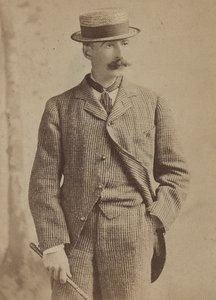
Apie šį menininką, Winslow Homer
1836–1910, Jungtinės Amerikos Valstijos
Winslow Homer
Vinslo Houmerio: Amerikos Dvasios Atspindžiai Vinslas Houmeras, gimęs Bostone 1836 metais, nebuvo formavęsis tradicinių Europos meno akademijų, kuriomis buvo įtakoti daugelis jo to laikmečio kolegų. Jis iškilęs iš savito Amerikos patirties – įsišaknijusios praktiškume ir stebėjimuose. Jo kelionė neprasidėjo nuo didelių istorinių drobų, bet kaip komercinis iliustratorius vos būdamas dvylika metų Harper's Weekly. Šis ankstyvas mokymas buvo formatyvus, ugdant išskirtinį gebėjimą užfiksuoti scenas aiškumu ir detale – įgūdžiai, kurie taps jo brandaus darbo požymiais.
Taip pat Winslow Homer darbai
 Debesis Įspūdis1885
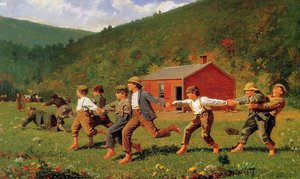 Verčiasi užuodus1872
 Žvejų laivai, Key West1903
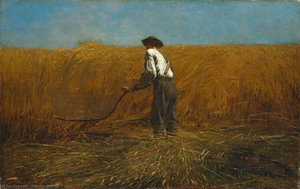 Veteranas Naujame Lauke1865

Esdai apie The Pumpkin Patch
 American artworks of the 1890s1890s American art by Mary Cassatt, Winslow Homer, and William Merritt Chase. Find museum-quality reproductions on OriginalUniqueArt.com.
 American artworks of the 1870sIconic 1870s American works by Whistler, Eakins, and Homer. Explore museum-quality reproductions on OriginalUniqueArt.com.
 Winslow Homer: 25 Šedevrai, Apžvalga ir Tapybos Grožis Jūsų InterjereAtraskite 25 įspūdingiausius Winslow Homer paveikslus! Žymiausi jo jūros peizažai, realizmo šedevrai ir istorinės scenos. Meno reprodukcijo…