 Skaityti daugiau


 Dėl meno kūrinių ar reprodukcijų, kurių bet kuri pusė yra didesnė nei 105 cm (apie 41 inch), rėmas bus siunčiamas kaip išskaidytas surinkimo rinkinys. Šis metodas užtikrina saugų pristatymą ir apsaugo nuo transportavimo metu galimos žalos.


Daugiau informacijos apie šį paveikslą
Teksto dydis
() ·
Jūsų paties, rankumių darbas
Rankų darbo aliejinės reprodukcijos
Rankiniu būdu tapytas aliejus ant droblio jūsų pageidaujamame dydį ir rėmuose – tai mūsų menininkų pagal užsakymą sukurtas darbas. ( Perjungti į spausdinamus版作品 Perejti prie skaitmeninių vaizdų)
Autoriaus biografija
Neoclassical sculptor William Wetmore Story created the iconic Cleopatra. Discover his profound marble masterpieces today.
nuo ·
1 skyrius
Kokio dydžio turėtų būti?
Slinkite, kad pakeistumėte dydį; kairėje pusėje esančiame paveikslėlyje rodomas tikrasis rėmo plotis. Originalios proporcijų išlaikomos.
Standartinis dydis
pagal užsakymą
CM
INCH
Pasirinkite iš mūsų nustatytų dydžių, atitinkančių originalaus meno kūrinio proporcijas.
Kraunami dydžiai...

plotis
aukštis
Įveskite jums reikiamą plotį ir aukštį, kad paveikslas atitiktų jūsų rėmą ar sieną. Kadangi šis darbas yra rankinio darbo, siekiant išgauti kitokios formos dydį, paveikslas gali būti šiek tiek didesnis (nuo kraštų bus palikta daugiau erdvės) arba mažesnis – pasirinkite jums patogiausią variantą. Prieš pradedant tapyti, atsiųsime jums skaitmeninį maketą patvirtinimui. Šioje puslapio nuotraukoje matomas vaizdas nėra galutinis rezultatas – jį parodys tik sukurtas maketas.
2 skyrius
Kokia būda yra siunčiamas?
Pasirinkite ištempto drobės kraštus
Pasirinkite rėmelį

Baltas apasutojimas €1

Išblėstantis šonas €1

Išplėstinis €1

P118B €10

P118H €10

P118W €10

P438Z €10

P508JH €12

P508YH €12

P805H €10

P805Z €10

P919BZ €10

P919G €10

P919XJ €10

P959ZH €10

P968JZ €12

W106C €8

W218G €10

W218JH €8

W218Y €10

W307PJ €10

W316G €10

W316PJ €8

W316Y €10

W398PJ €8

W4111J €10

W500HY €15

W500JH €15

W692G €12

W849H €8

W940BG €15

W953PJ €8

H24-GOLD €30

H24-SILVER €30

H36-GOLD €45

H36-SILVER €45
Įrėmintas
Rėmo apvadas: . Bendras dydis su rėmu: .
3 skyrius
Kas jį vaizduoja ir ar turėtų kažkas pasikeisti?
Pavyzdžiai, ką galima pakeisti: pakeisti veidą nuotrauka su klientu; pridėti augintinį (pvz., pakeisti kucingą šuniu); įtraukti paslaptingą žinutę fone; pakeisti fono kraštotvę ar elementus.
Gavus užsakymą, OriginalUniqueArt.com komanda susisieks su klientu el. paštu dėl nurodymų ir pateiks preliminarią maketą.
Gavus užsakymą, OriginalUniqueArt.com komanda susisieks su klientu el. paštu dėl nurodymų ir pateiks preliminarią maketą.
Pristatymas visame pasaulyje () per 3–4 savaites, o ne įprastai – per 5 savaites. (6 lapkritis). Kokybė lieka nepakeičiama.
4 skyrius
Paskutinės detalės
Pavadinimo plokštelė, kaip muziejuje?
Išgraviruotos bronzinės plokštelės detalės
This elegant plaque features the artist's name and the title of the artwork, finely engraved for a timeless presentation.
It is made from bronze with a refined, elegant finish. The text is precisely laser-engraved for a sharp and permanent result. Measuring 9x2 cm, the plaque is compact yet easy to read. It's built to be durable and scratch-resistant, offering a professional, museum-quality look. Mounting is simple thanks to the included adhesive backing.
Skaidrios akrilo plokštelės informacija
The plaque includes essential engraved details such as the artist's name, the title of the artwork, the date it was created, the type of media used-like oil on canvas or watercolor-a brief description of the piece, and a QR code that links to the complete artwork information.
It is crafted from clear acrylic, offering a sleek, modern appearance. The text is UV-engraved in black to ensure strong visual contrast. With a size of 10x15 cm, it ensures optimal readability. It comes equipped with two metal hooks for secure wall mounting. The plaque is designed to be weather-resistant, making it suitable for various environments, and it includes interactive features that work seamlessly with smartphone scanning.
Juodos akrilo plokštelės informacija
This elegant plaque includes engraved information such as the artist's name, the title of the artwork, the date it was created, the type of media used (like oil on canvas or watercolor), a short description of the artwork, and a QR code for quick access to more information.
The plaque itself is made from refined black acrylic with a premium finish. The text is laser-engraved in white for high contrast and readability. Its size is 10x15 cm, designed to be easy to read. It comes with two metal hooks for professional mounting. The design is sleek and fits any interior style. It is also weather-resistant and durable, with built-in digital integration for mobile compatibility.
Apsauginis lakas?
Kada jums reikia?
5 skyrius
Jūsų paveikslas, tiksliai taip, kaip užsakėte
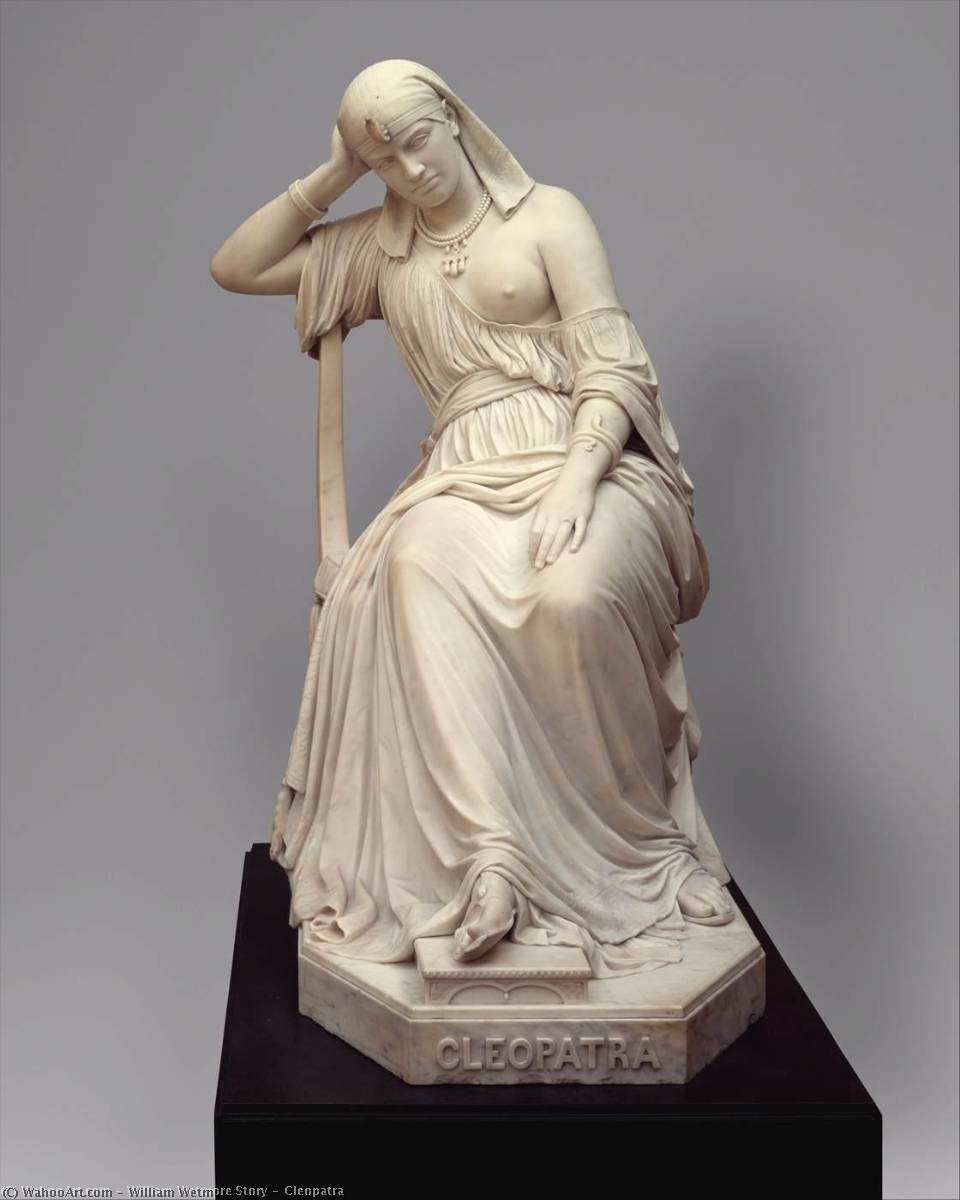
Cleopatra
Reprodukcijos technika
Reprodukcijos matmenys
-
Aukščiausios klasės meistras
Daugiau detalių, meistriškumo ir papildomo gamybos laiko
-
Reprodukcijos rėmėjimo parinktys
-
-
Dėl meno kūrinių ar reprodukcijų, kurių bet kuri pusė yra didesnė nei 105 cm (apie 41 inch), rėmas bus siunčiamas kaip išskaidytas surinkimo rinkinys. Šis metodas užtikrina saugų pristatymą ir apsaugo nuo transportavimo metu galimos žalos.
Reikalingas profesionalus surinkimas – tai nėra „pasidaryk pats“ (DIY) produktas.
Rinkinys turi būti surinktas, o drobė išplėsta naudojant patyrį profesionalų rėmininką, medžio klijus (nėra įtraukti į rinkinį), drobės plėšimo kleslę bei presas, kad rėmo rėžiai išliktų tiesūs, kol klijai išdžiūvus. Netinkamas surinkimas arba netolydus drobės įtampa gali negrįžtamai sugadinti meno kūrinį, todėl šie atvejai nėra užtraukiami mūsų garantijos.
Į komplektą įeina visi vientisos medienos elementai, tiksliai išpjauti pagal dydį.
Surmontinama naudojant pridėtus varžtus bei papildomai reikalingą medžio kliją kampų jungtims, kuris nėra pridėtas ir turi būti parinktas rėmininkui.
Reikalingi profesionalūs įrankiai, kurie nėra įtraukti į rinkinį: drobės kėlimo plytelės (stiprintuvai) ir klemiai, laikantys rėmo strygius tiesiu kampu, kol džiūsta lipas.
Svarbu:
Kampų jungtims reikalingi medžio klijai, barams reikia laikyti naudojant presas, kol klijai visiškai išdžiūvės, o surinktam rėmui įtempiamai privilgti būtinos drobės įtempimo plytযুক্ত. Šios priemonės į rinkinį neįtrauktos. Prieš užsakydami šio dydžio rinkinį, rekomenduojame pasimalkoti patyrusiu rėmų meistru.
Pavadinimo lentelė
-
-
Apsauginis lakas
Blizgus lakas (ryškina spalvas, saugo nuo šviesos ir drėgmės)
-
Personalizuoti kūrinį
Ką galima pakeisti (pavyzdžiui): pakeisti veidą klientui skirta nuotrauka; pridėti augintinį (pvz., katę pakeisti šuniu); įtraukti paslėptą žinutę fone; pakeisti fono kraštovaizdį ar elementus.
-
Skubiai
Pristatymas visame pasaulyje () per 3–4 savaites, o ne įprastai – per 5 savaites. (6 lapkritis). Kokybė lieka nepakeičiama.
-
Skubus pristatymas
Pristatymas visame pasaulyje () per 5 weeks. (13 lapkritis).
Įskaičiuota
Bendroji kaina
€ 268
Stiklo variantas prieinamas tik pasirinkus dydį iki 110 cm
Pridedama prie kiekvieno užsakymo
- Nemokamas greitasis pristatymas visame pasaulyje
- Aukštos kokybės lininis drobė
- Pilnas siuntimo draudimas
- Muitinės mokesčių grąžinimo garantija
- Tikro spalvų atitikimo garantija
- 100 dienų grąžinimo politika (tik esant įtaigoms)
- 100% pinigų grąžinimo garantija
- Nuolaida dideliems užsakymams
 Peržiūrėti realaus dydžio版
 Pasidalinti
 Dalintis
 Išsamiau
 Vadovas

 Atsisiųsti
 Panašūs eksponatai
 Rentgeno spindulių nuotrauka
 Automatinė diorama
 问答
问答 Statistika
Skaičiais
- 1858metai, kai buvo nupiežta
- 29pasirinkimo rėmai
- standartinės dydžio, savo proporcijomis
- 5savaitės sugryžti ir pristatyti
Apie originalą


William Wetmore Story
1819 - 1895
Trumpa informacija apie William Wetmore Story
- Artistic Movement Or Style: Neoclassicism
- Full Name: William Wetmore Story
- Nationality: American
- Notable Artworks:
- Cleopatra
- Dalilah
- Angel of Grief
- Hero Looking for Leander
- Medea
- Sappho
- Place Of Birth: Salem, United States
- Date Of Birth: 1819
- Date Of Death: 1895
Autoriaus biografija
A Life Shaped by Marble and Law
Born in Salem, Massachusetts, William Wetmore Story began his adult life far from the quiet dust of a sculptor's studio. He was a man of intellect and rigorous study, having graduated from Harvard College in 1838 and later completing his studies at Harvard Law School in 1840. Under the guidance of his father, the Supreme Court Justice Joseph Story, he practiced law and even authored legal treatises regarding contracts and sales. Yet, the heavy books of jurisprudence could not entirely contain a spirit drawn toward the classical world. After a period of practicing law in Boston, a profound shift occurred. Following the commission to create a bust of his late father, he felt a calling to move toward the arts, eventually settling in Rome in 1850.
This transition from the courtroom to the studio was not merely a change in profession but a relocation of his very soul. His home in the Palazzo Barberini became a gathering place for many notable figures living in Italy. He lived among the poets and thinkers of his age, finding himself part of a circle that included the Brownings. This Roman period allowed him to immerse himself in the traditions of antiquity, moving away from the dry logic of American law toward the emotional weight of Greek tragedy and biblical narrative.
The Weight of Emotion in Stone
In his hands, cold marble took on a heavy, psychological presence. He did not seek to merely replicate the human form but to capture the internal struggles of his subjects. His work often focused on figures from antiquity or scripture, imbuing them with a sense of profound thought and impending fate. In his sculpture Cleopatra, he avoided the sensationalism of her death, focusing instead on the quiet introspection of a queen caught in a moment of deep contemplation. The marble was carved to suggest the softness of skin and the heavy flow of drapery, creating a tension between the hard stone and the vulnerable life it represented.
Other works revealed a similar preoccupation with the human condition through dramatic storytelling. His Dalilah explored themes of vulnerability and resilience within a biblical framework, while his Hero Looking for Leander utilized fine-grained white marble to depict a youthful, timid priestess. Even in his more somber monuments, such as the Angel of Grief, there is a palpable sense of loss. This piece, which he designed for his wife Emelyn, rests in the Protestant Cemetery in Rome, marking his final resting place alongside her.
A Legacy of Letters and Stone
Beyond the chisel, Story was a man of many voices. He was an author, poet, and editor who used words to explore the same classical themes found in his sculptures. His writings, such as Roba di Roma and Conversations in a Studio, provided observations on the culture and people of his adopted home. He possessed a wide-ranging intellect that allowed him to move between the precision of legal writing and the imaginative impulse required for poetry and drama.
His influence extended into the very fabric of American identity during the nineteenth century. While he lived much of his life in Italy, his works found their way back to the United States, appearing in collections from the Smithsonian American Art Museum to the Metropolitan Museum of Art. He left behind a family deeply rooted in the arts, with children who pursued their own paths as sculptors and painters. When he passed away at Vallombrosa, Italy, he left a body of work that bridged the gap between the legalistic rigor of his New England upbringing and the classical grandeur of the Roman world.