

 Peržiūrėti realaus dydžio版
 Siųsti
 Dalintis
 Išsamiau
 Vadovas

 Atsisiųsti
 Panašūs eksponatai
 Rentgeno spindulių nuotrauka
 Diaporama
 Statistika
Marion Crossing the Peedee
 Oil On Canvas
- WallArt
- American Genre Painting
 1850
1850- 19th Century
 188.0 x 127.0 cm
 Amon Carter prigimtinio amerikietiško meno muziejus
 Rodyti daugiau
Įsigykite aukštos skiriamosios raiškos, patobulintą skaitmeninį vaizdą, gerokai pranašesnį už internetinę peržiūrą.
Kiekvieną failą mūsų specialistai kruopščiai paruošia naudojant pažangias technologijas ir profesionalų rankinį retušavimą. Užtikriname, kad kiekvienas vaizdas pasižymėtų išskirtiniu aiškumu, tikslia spalvų atspalviu ir smulkiomis detalėmis.
Baigiamas failas el. paštu pristatomas per 72 valandas; jis optimizuotas nedelsiant naudojimui profesionalioje, redakcinėje ir spausdinimo aplinkoje. Tai ta pati kokybė, kuria pasitiki aukščiausios klasės dizaino studijos, leidyklos ir galerijos.
Skaitmeninis vaizdas
Atsisiųskite didelės raiškos failą asmeniniam naudojimui, spausdinimui ir kūrybiniams projektams. ( Perjungti į spausdinimą Pirkti rankomis tapytą reprodukciją)
Kiekvieną skaitinio vaizdo užsakymą papildė
Profesionalus skaitmeninis vaizdų pristatymas, garantuotas
Pasirinkę OriginalUniqueArt.com, jūs ne tik gaunate paveikslėlį – jūs gaunate profesionaliai patobudintą skaitmeninį kūrinį, sukurtą itin tikniai ir užtikrinantį pasitenkinimą. Štai viską, kas automatiškai pritékia jūsų užsakymui:

Greitas nuotraukų gavimas el. paštu
Jūsų aukštos raiškos skaitmeninis vaizdo failas bus išsiųstas el. paštu per 72 valandas nuo užsakymo – jis bus paruoštas naudoti be jokių papildomų veiksmų.

Skaitmeninis failas su dirbtiniu intelektu
Jūsų meno kūrinys profesionaliai optimizuojamas naudojant pažangius dirbtinio intelekto įrankius ir rankinį redagavimą, užtikrinant maksimalią detalę, aiškumą ir spalvų tikslumą.

Nemokamas visam laikui pakartotinis siuntimas
Atsitiktinai ištrytikote ar praradote savo failą? Nebijokite – bet kuriuo metu atsiųsime jį jums vėl nemokamai.

Jokio importo mokesčio – niekada
Mėgaukitės savo meno kūriniu akimirka – skaitiniai failai visada yra neapmokestinami, todėl nereikės mokėti muitinės, mokesčių ar pristatymo mokesčių.

Spalvų tikslumo garantija
Naudodami profesionalią įrangą ir spalvų valdymo sistemas, užtikriname, kad jūsų skaitmeninis vaizdas kuo tiksliau atspindėtų originalias spalvas.

100 dienų patikimumo garantija
Jei nebuvosite patenkinti įsigyto skaitmeninio vaizdo, mes jį tališkai koreguosime arba grąžinsime 100% sumą per 100 dienų – be jokių klausimų.

100% pinigų grąžinimo garantija
Nesitenkinate? Gaukite visą sumokėtą sumą per 100 dienų nuo skaitmeninio failo gavimo – be jokių papildomų klausimų.

Nuolaidos dideliems užsakymams
Pirkti 3 nuotraukas – 10% nuolaida – Pirkti 5 – 15% nuolaida – Pirkti 10 ir daugiau – 20% nuolaida. Puikiai tinka kūrybiniams projektams, galerijoms bei agentūroms.
A Journey Through Time: The Spirit of the American Frontier
In the sweeping expanse of William Tylee Ranney’s Marion Crossing the Peedee, we are not merely observers of a landscape, but witnesses to a pivotal moment in the American narrative. Painted in 1850, this masterful oil on canvas captures a scene of profound movement and historical weight. The composition centers on a bustling river crossing, where figures, horses, and even a faithful dog navigate the unpredictable waters of the Peedee River. There is an undeniable sense of drama unfolding within the frame; the way the boat is laden with life suggests a community in transition, embodying the very essence of westward expansion and the rugged resilience required to tame a new frontier. For the collector, this piece offers more than just a visual feast; it provides a window into the soul of 19th-century America, evoking themes of exploration, interdependence, and the shared struggle of pioneer life.
The technical prowess displayed in this work is nothing short of extraordinary, making it a centerpiece worthy of any sophisticated interior. Ranney employs a traditional 19th-century realist style, utilizing layered oil techniques to build a world of immense depth and tactile reality. One can almost feel the rough texture of the riverbank’s bark and the heavy folds of the travelers' clothing through his deliberate, visible brushstrokes. The artist masterfully balances organic shapes with a dynamic use of diagonal lines—the angle of the boat and the curve of the shoreline guide the eye through the chaos of the crossing, creating a sense of rhythmic motion. This interplay of light and shadow, particularly under the diffused glow of an overcast sky, lends a cinematic quality to the scene, casting soft highlights on the water and deep, mysterious shadows within the dense foliage.
A Symphony of Earthy Tones and Atmospheric Depth
Color plays a vital role in establishing the emotional temperature of this masterpiece. Ranney avoids garish hues, opting instead for a sophisticated palette dominated by earthy browns, deep forest greens, and muted grays. These tones ground the painting in realism, suggesting the grit and dust of travel. However, these somber shades are punctuated by subtle glints of white and blue in the sky and water, providing much-needed breath and light to the composition. This careful color management creates an atmospheric perspective where distant elements soften into a hazy, ethereal background, pulling the viewer deeper into the vastness of the American landscape.
For interior designers and art enthusiasts alike, Marion Crossing the Peedee serves as a profound emotional anchor. The painting does not just depict a historical event; it evokes a feeling of uncertainty and courage. The dramatic sky, heavy with the promise of change, mirrors the internal state of those navigating the river—a metaphor for the unpredictability of life itself. Whether placed in a grand library, a traditional study, or as a conversation starter in a contemporary living space, this reproduction brings with it an aura of historical prestige and a timeless, adventurous spirit that continues to captivate the modern imagination.
问答 (or more naturally for a website heading): Klausimai ir atsakymai
Kur galiu rasti „Marion Crossing the Peedee“ vadovą?
Dėl „Marion Crossing the Peedee“, autorius – Viljamas Tylis Ranėis yra prieinama Gidas puslapio: spausdinamas informacinis lapelis apie kūrinį, skirtas studentams ir mokomajamiam procesui klasėje.
Kur šiandien galima pamatyti kūrinį „Marion Crossing the Peedee“, autorius – Viljamas Tylis Ranėis?
Originalų kūrinį „Marion Crossing the Peedee“ galite pamatyti Amon Carter prigimtinio amerikietiško meno muziejus, Fort Worth, Jungtinių Valstybių Amerika muziejuje.
Kam rekomenduojamas „Marion Crossing the Peedee“, autorius – Viljamas Tylis Ranėis reprodukcija?
Rekomenduojamas „Marion Crossing the Peedee“ spausdinio naudojimas yra Focal.
Autoriaus biografija
Amerikos žanro kūrybos pionierius: William Tylee Ranney gyvenimas ir menas
William Tylee Ranney, gimęs Konnektykote, Middletown, 1813 m. gegužės 9 d., užima svarią, nors dažnai nedidelę dėmesį gaunančią vietą XIX amžiaus amerikietiškojo meno naratyve. Jis nebuvo Europos akademijų ar įtvirtintų menininkų ratų produktas; priešingu atversa jo kelionė buvo savęs atradimo ir pasinerimo į spartai plečiamosios vakarių kryptimi tautos pradinę dvasią. Jo ankstyvasis gyvenimas, pažymėtas persikraustymu į Fayetteville, Šiaurinę Karoliną, septemniametį pasiekus trisdešimtmetį gyvenimą kartu su dėdė, apėmė mokymąsi tinnelio – praktiškas profesija, kuri tikriausiai patobulino jo stebėjimo įgūdžą ir kruopštumą detalėms, savybes, kurios vėliau apibrėžė jo meninį stilių. Šis mokinio laikotarpis, nors ir atrodantis tolimas tapinimo pasauliui, į Ranney prigimtį įliejo žemišką suvokimą bei aštrų žvalgybą tekstūroms ir kasdienio gyvenimo formoms pastebėti. Menas kvietimas galiausiai buvo per stiprus, nukreipdamas jį 1833 m. į Brooklyn, siekti savo aistros – jis buvo daugelyk tiek sav的学习, tiek vedamas prigimtinio talento ir nekaltos atsidavimo.Iš Teksaso laukų į drobą: unikios meninės vizijos formavimo
Lemtingas skyrius Ranney gyvenime atsiv展开 su jo netikėtu įstojimu į Teksaso kariuomenę 1ng 1836 m., po tragiško Alamo žlugimo. Tai nebuvo tik patriotinis impulsas; tai buvo pasinerimas į pasaulį, visiškai skirtingą nuo ramžių Konnektyko ir Šiaurinės Karolinos kraštžemio. Devynių mėnesių jis patyrė grytą priešakapės gyvenimo realybę, tarnausdamas generalui Samui Houstonui, ir net, pasak pranešimų, stebėdavo Santa Anną po San Jacinto mūšio. Šios patirtys nebuvo tik biografinės detalės, jos tapo pačiu meninės vizijos pamatu. Grįžęs į Brooklyn 1837 m., Ranney nemeिगė didingų istorinių mūšių ar herojų naratyvų; vietoj to jis susikoncentruojo į žmonių, gyvenančių šiose erdvėse – medžiotojų, kietųjų priešakapės žmonių, pionierių ir paprastų asmenų, kuriais kūrė naują egzistenciją Amerikos priešakapėje – gyvenimus. Jo ankstyvasis sėkmės laikas su „A Courting Scene“ 1ng National Academy of Design 1838 m. paskelbė apie jo atvykimą kaip apie perspektyvų talentą, tačiau būtent gebėjimas į Teksaso visceralines patirtis išversti į įtraukiančias vizualines istorijas jį tikrai išskyrė iš kitų. Jis ne tiesiog *piešė* Vakarus; jis perteikė jų atmosferą, iššūkius ir prigimtinę dramą su autentiškumu, kuris tuo metu retai pasitaudavo.Žanro ir sporto scenų meistras: detalizuotas pasaulis
Ranney meninis stilius pasižymi neįtikėtinu realizmu ir dėmesiui detalėms skirtais akimirkos suvokimu. Jis neinteresuojasi idealizuotomis atstatymelėmis ar romantiškomis vizijomis; jis siekė įamžinti gyvenimą tokią, kokia jis yra, su visomis jo sudėtingybėmis ir niuansais. Jo paveiksluose žmonės vaizduojami su skulptūrinė tvirtume, o jų apranga ir įrankiai kruopščiai ištirtas ir atvaizduotas. Šis atsidavimas išsiplėtė ir į pačius kraštžemius, kurie nebuvo tik fonas, o tapo integraliais naratyvo komponentais. „On the Wing“ – galbūt jo garsiausias darbas, egzistuojantis keliomis versijomis – pavyzdžiui, šį požiūrį. Paveikslas įamžina trumpalaikę sportinės sėkmės akimirką su beveik fotografiniu aiškumu, demonruodamas Ranney meistriškumą šviesos, tekstūros ir kompozicijos valdymą. Panašiai kūriniai kaip „Prairie Burial“ ir „Scouting Party“ yra prisipildę tylios dramos ir psichologinės gylio, atskleisdami sunkumus bei atsparumą tiems, kurie išvyko į nežinomybę. Be Vakarų scenų, Ranney taip pat išs distinguished sporto menėje, ypač vaizduodamas antčių medžioklę ir jėgaus temas, bei istorinėse žanro paveiksluose, susitelkusiose į kasdienį gyvenimą Amerikos revoliucijos metu.Palikimas ir reikšmė: Amerikos prieš Civilinį karą balsas
1850-ųjų pradžioje Ranney užsitikrino lyderio vietą amerikietišioje menėje, reguliariai dalyvaudamas parodose „National Academy of Design“ ir „American Art Union“. Jo persikraustymas į West Hoboken, New Jersey, 185au m. jam suteikė tiek studiją su vaizdu į Manhateno liniją, tiek prieinamumą prie gamtos kraštžemio, kuris toliau įkvėpė jo darbą. Jis buvo laikomas pirmuoju didžiu žanro paveiksluotoju, tikrai įsitvirtinusiu New Jersey, o jo įtaka išsilytė už valstijos ribų. Tragiška buvo tai, kad Ranney karjera buvo nutraukta ligos; jis mirė 1857 m. lapkričio 18 d., tikriausiai nuo tuberkuliozės, būdamas keturiasdešimt vienų metų amžiaus. Nepaisant jo gana trumpo gyvenimo, jo įtaka amerikietišajam menui yra neįginama. Jis padėjo išpopuliarinti Amerikos Vakarų vaizdymą ir reikšmingai prisidėjo prie žanro tapimo vystymo, susitelkdamas į paprastųjų žmonių gyvenimus, o ne į didingus istorinius įvykius ar aristokratiškus portretus. Jo samtiečiai atpažino jo svarbą; vienas stebėtojas pažymėjo, kad „Ranney pavyzdys yra nepakeičiamas bet kur, kur egzistuoja amerikietiško meno kolekcija“. Šiandien William Tylee Ranney laikomas gyvybišku ryšiu tarp ankstyvųjų amerikietiškos peizažo ir žanro tapinimo tradicijų bei sudėtingesnių meninių judėjimų, kurie iškilė po Civilinio karo. Jo darbas lieka galingu įrodymu tyrimo dvasiai, atsparumui ir neįtikėtinam kasdienio gyvenimo grožio amžinumui XIX a. Amerikoje.Žinomos kūriniai
- „On the Wing“
- „Prairie Burial“
- „Scouting Party“
- <į„Hunting Wild Horses“
- „Trapper's Last Shot“
- „The Match Boy“
- „Old Oaken Bucket“
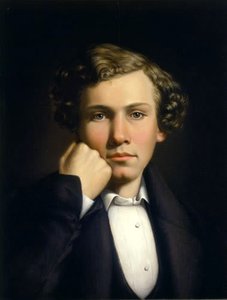
Viljamas Tylis Ranėis
1813 - 1857
Pagrindinė informacija
- Artistic Movement Or Style: Žanrinė tapyba, Romantizmas
- Artists Or Movements Influenced By This Artist: Amerikos žanro tapybos paveikėliai
- Date Of Birth: 1813 m. gegužės 9 d.
- Date Of Death: 1857 m. laprodžio 18 d.
- Full Name: William Tylee Ranney
- Nationality: Amerikos pilietis
- Notable Artworks:
- On the Wing
- Prairie Burial
- Scouting Party
- The Retrieve
- Marion Crossing the Peedee
- Place Of Birth: Middletown, JAV