
 Siųsti
 Dalintis
 Išsamiau
 Vadovas

 Atsisiųsti
 Panašūs eksponatai
 Diaporama
 Statistika
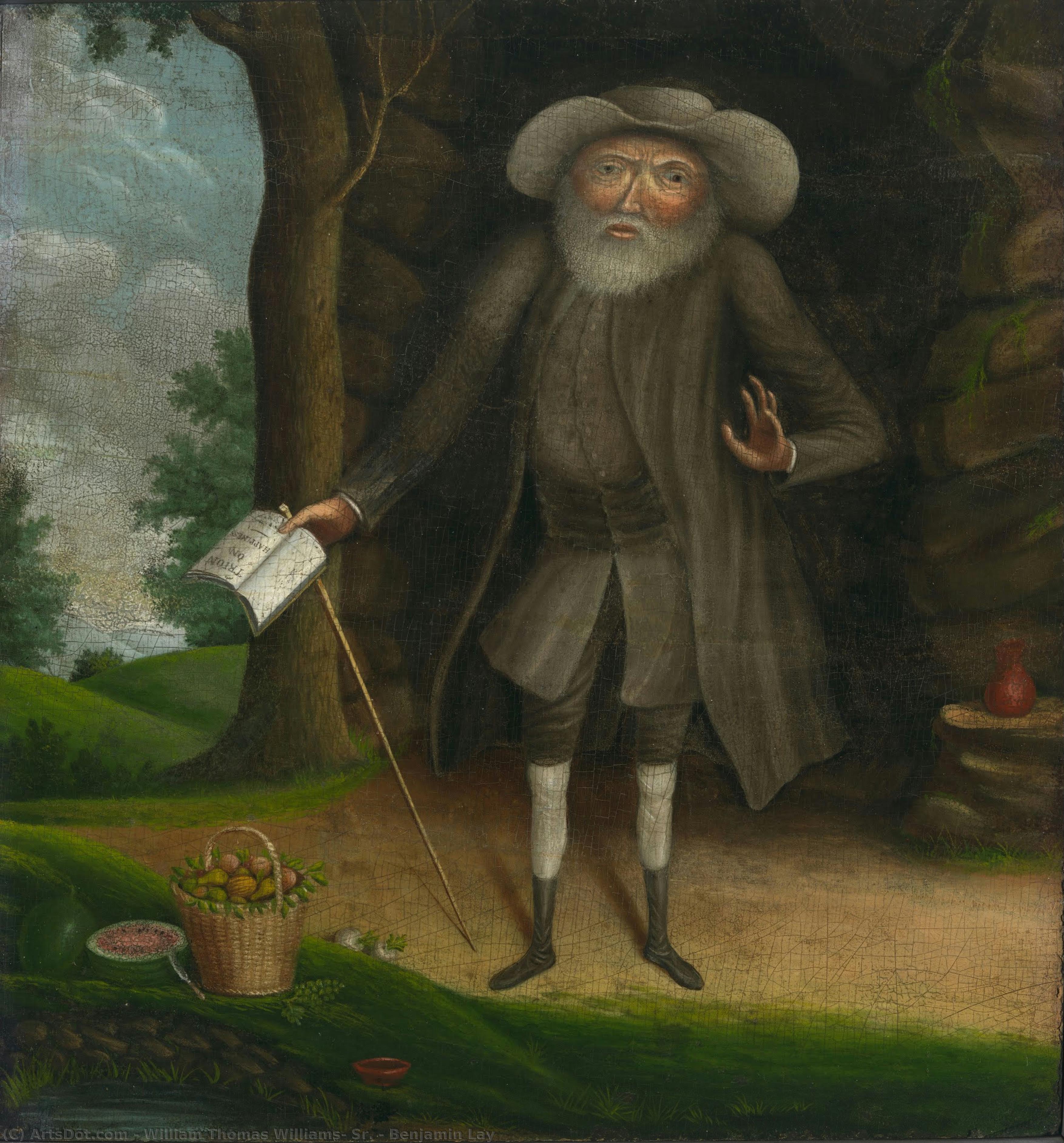
Benjamin Lay


 Rodyti daugiau
Įsigykite aukštos skiriamosios raiškos, patobulintą skaitmeninį vaizdą, gerokai pranašesnį už internetinę peržiūrą.
Kiekvieną failą mūsų specialistai kruopščiai paruošia naudojant pažangias technologijas ir profesionalų rankinį retušavimą. Užtikriname, kad kiekvienas vaizdas pasižymėtų išskirtiniu aiškumu, tikslia spalvų atspalviu ir smulkiomis detalėmis.
Baigiamas failas el. paštu pristatomas per 72 valandas; jis optimizuotas nedelsiant naudojimui profesionalioje, redakcinėje ir spausdinimo aplinkoje. Tai ta pati kokybė, kuria pasitiki aukščiausios klasės dizaino studijos, leidyklos ir galerijos.
Skaitmeninis vaizdas
Atsisiųskite didelės raiškos failą asmeniniam naudojimui, spausdinimui ir kūrybiniams projektams. ( Perjungti į spausdinimą Pirkti rankomis tapytą reprodukciją)
Kiekvieną skaitinio vaizdo užsakymą papildė
Profesionalus skaitmeninis vaizdų pristatymas, garantuotas
Pasirinkę OriginalUniqueArt.com, jūs ne tik gaunate paveikslėlį – jūs gaunate profesionaliai patobudintą skaitmeninį kūrinį, sukurtą itin tikniai ir užtikrinantį pasitenkinimą. Štai viską, kas automatiškai pritékia jūsų užsakymui:

Greitas nuotraukų gavimas el. paštu
Jūsų aukštos raiškos skaitmeninis vaizdo failas bus išsiųstas el. paštu per 72 valandas nuo užsakymo – jis bus paruoštas naudoti be jokių papildomų veiksmų.

Skaitmeninis failas su dirbtiniu intelektu
Jūsų meno kūrinys profesionaliai optimizuojamas naudojant pažangius dirbtinio intelekto įrankius ir rankinį redagavimą, užtikrinant maksimalią detalę, aiškumą ir spalvų tikslumą.

Nemokamas visam laikui pakartotinis siuntimas
Atsitiktinai ištrytikote ar praradote savo failą? Nebijokite – bet kuriuo metu atsiųsime jį jums vėl nemokamai.

Jokio importo mokesčio – niekada
Mėgaukitės savo meno kūriniu akimirka – skaitiniai failai visada yra neapmokestinami, todėl nereikės mokėti muitinės, mokesčių ar pristatymo mokesčių.

Spalvų tikslumo garantija
Naudodami profesionalią įrangą ir spalvų valdymo sistemas, užtikriname, kad jūsų skaitmeninis vaizdas kuo tiksliau atspindėtų originalias spalvas.

100 dienų patikimumo garantija
Jei nebuvosite patenkinti įsigyto skaitmeninio vaizdo, mes jį tališkai koreguosime arba grąžinsime 100% sumą per 100 dienų – be jokių klausimų.

100% pinigų grąžinimo garantija
Nesitenkinate? Gaukite visą sumokėtą sumą per 100 dienų nuo skaitmeninio failo gavimo – be jokių papildomų klausimų.

Nuolaidos dideliems užsakymams
Pirkti 3 nuotraukas – 10% nuolaida – Pirkti 5 – 15% nuolaida – Pirkti 10 ir daugiau – 20% nuolaida. Puikiai tinka kūrybiniams projektams, galerijoms bei agentūroms.
William Thomas Williams Sr.’s ‘Benjamin Lay’ – A Testament to Quaker Conviction
William Thomas Williams Sr.’s “Benjamin Lay” (1758) is more than just a portrait; it's a meticulously crafted visual narrative of moral conviction and quiet resistance. Painted during a turbulent period in American history, when the burgeoning antislavery movement wrestled with deeply ingrained societal norms, this work offers a poignant glimpse into the life of Benjamin Lay, a pivotal Quaker reformer who dedicated his existence to challenging the horrors of slavery. The painting’s power resides not just in its subject matter – Lay's unwavering commitment to abolition – but also in Williams’s masterful execution and the rich symbolism interwoven within the scene.
- Subject & Context: The portrait depicts Benjamin Lay, a man whose life was defined by his opposition to slavery. His story is inextricably linked to the Religious Society of Friends (Quakers), who at this time were grappling with the internal contradiction of their faith and participation in the slave trade. The inclusion of Thomas Tryon’s treatise on happiness underscores Lay's intellectual pursuits and his belief in a higher moral order, while Franklin’s publishing of Lay’s tract highlights the complex relationship between figures involved in both abolitionist and exploitative endeavors.
- Technical Skill: Williams, trained in Bristol, England, demonstrates a remarkable understanding of light and shadow, creating a sense of depth and realism within the relatively small canvas. The use of oil paint allows for rich textures and subtle gradations of color, particularly evident in Lay’s clothing and the weathered texture of his home.
A Composition Steeped in Symbolism
The scene itself is a carefully constructed tableau brimming with symbolic resonance. Lay stands before what appears to be a cave-like dwelling – a deliberate reference to his own humble existence, representing simplicity and spiritual retreat. The presence of the two bowls near the base of the painting could symbolize nourishment, both physical and spiritual, while the vase adds an element of decorative elegance, perhaps reflecting the Quaker emphasis on beauty and order. Most significantly, the apple in the lower-left corner is a potent symbol – a direct reference to the biblical story of Adam and Eve, suggesting that Lay’s struggle against slavery was a battle for humanity's redemption from original sin.
- The Newspaper/Book: The inclusion of a newspaper or book (likely Tryon’s treatise) speaks to Lay’s intellectual engagement with the issues of his time and his commitment to disseminating knowledge as a means of social change.
- The Tree: The tree in the background is a traditional symbol of strength, resilience, and connection to nature – qualities that align with Lay's Quaker beliefs.
Williams’s Artistic Legacy & Reproduction Value
William Thomas Williams Sr.’s “Benjamin Lay” stands as a significant work within the context of 18th-century American portraiture and, crucially, as a powerful statement on social justice. Born in Bristol in 1727, Williams's seafaring past undoubtedly informed his artistic vision, lending a sense of ruggedness and authenticity to his subjects. His association with Benjamin West and his role in establishing Philadelphia’s early theater scene further solidify his place within the city’s vibrant cultural landscape. A hand-painted reproduction of “Benjamin Lay” offers an unparalleled opportunity to own a piece of this compelling history, capturing not only Williams's technical skill but also the profound moral message embedded within the artwork. The detail and fidelity of a OriginalUniqueArt.com reproduction ensures that you experience the full emotional impact and symbolic richness of this remarkable portrait.
问答 (or more naturally for a website heading): Klausimai ir atsakymai
Kokio vietos išdėstymo formatas „Benjamin Lay“, autorius – William Thomas Williams, Sr. tinka?
Formatas (Square) ir rekomenduojama erdvė (Living Room) yra du nurodyti išdėstymo faktai kūriniui „Benjamin Lay“, autorius – William Thomas Williams, Sr..
Kaip galiu įsigyti „Benjamin Lay“, autorius – William Thomas Williams, Sr. spausdinį?
Norėdami užsisakyti „Benjamin Lay“, autorius – William Thomas Williams, Sr. spausdinį, tiesiog jį užsisakykite puslapio Kūrinio spausdinimas skiltyje: aukščiausios kokybės spausdinys ant medžio siuvinėjamų audinių arba archyvinio kanvas tipo popieriaus.
Kaip galiu gauti „Benjamin Lay“, autorius – William Thomas Williams, Sr. skaitmeninį failą?
Skaitmeninį „Benjamin Lay“, autorius – William Thomas Williams, Sr. vaizdą galima įsigyti šio kūrinio puslapio Skaitmeninis vaizdas skiltyje: aukštos raiškos skaitmeninio vaizdo atsisiuntimas.
Autoriaus biografija
early life and seafaring days
william thomas williams, sr., a prominent english-american painter and writer, was born in 1727 in bristol, england. his formative years were spent in caerphilly, wales, where he developed a profound connection with the sea. it is believed that williams was a seafarer during his early life, which significantly influenced his later artistic pursuits.artistic career and notable works
williams's artistic career is marked by his unique blend of maritime experiences and literary inclinations. he penned the journal of llewellin penrose, seaman, often regarded as the first american novel. although the book was not published until 1815, its original text wasn't released until 1969.philadelphia and artistic legacy
in 1747, williams settled in philadelphia, where he played a pivotal role in establishing america's first theater. his art studio, the sign of hogarth's head, became a hub for artistic innovation, with notable students including a young benjamin west.artistic style and influences
williams's work is characterized by its eclectic mix of english and american influences, reflecting his seafaring background and literary inclinations. his style, though not widely documented, is believed to have been shaped by the then-prevailing artistic vogue for true travel tales.legacy and remembrance
williams passed away in philadelphia in 1791, leaving behind a legacy that, although not immediately recognized, has contributed significantly to american art history. his story serves as a testament to the transatlantic influences that have shaped the art world.- explore william thomas williams, sr.'s artworks on OriginalUniqueArt
- discover the english school of painting on wikipedia
- visit the museum university of bristol theatre collection to delve into the world of theatre and performance, which williams was a part of.
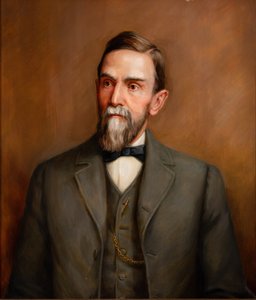
William Thomas Williams, Sr.
1727 - 1791 , United Kingdom
Pagrindinė informacija
- Full Name: Thomas Gainsborough
- Nationality: British
- Date Of Birth: 1727
- Date Of Death: 1791
- Place Of Birth: Bristol, United Kingdom
- Notable Artworks:
- Mr and Mrs Andrews
- The Blue Boy
- Morning Walk
- Artistic Movement Or Style: Picturesque, Landscape
- Artists Who Influenced This Artist: ['Hubert Gravelot']
- Artists Or Movements Influenced By This Artist: ['Watteau']