

 Peržiūrėti realybėje
 Pasidalinti
 Dalintis
 Išsamiau

 Atsisiųsti
 Panašūs eksponatai
 Rentgeno nuotrauka
 Automatinė diorama
'Let 'em Come'
 91.0 x 68.0 cm
 Skaityti daugiau
Giclée / Meno spausdinimas
Muziejų lygio „giclée“ arba drobos spausdinimas: greita gamyba ir lankstios apdailos parinktys. ( Pirkti rankomis tapytą paveikslą Pirkti vaizdą)




































Pasirinkite iš mūsų nustatytų dydžių, atitinkančių originalaus meno kūrinio proporcijas.

Galite nurodyti savo matmenis, kad vaizdas atitiktų konkretų rėmą ar erdvę. Jei pasirinktas dydis nesutaps su originalaus paveikslėlio proporcijomis, mes arba apkirpsime kūrinį, arba išplėsime vaizdą naudojant veideliu atspindėtą arba vientisą šoną. Skaitmeninis maketas bus išsiųstas jums patvirtinti prieš pradedant gamybą.
Atkreipkite dėmesį, kad ekrane matomas vaizdinys neatspindi tikrojo apkirpimo ar išplėtimo. Tik maketas tiksliai parodytų galutinę kompoziciją.
Nors galima rinktis ir individualius dydžius, rekomenduojame pasirinkti vieną iš išanksti nustatytų matmenų, kad būtų išlaikytos originalios proporcijos.
Pristatymas visame pasaulyje () per 2 weeks, o ne įprastas 4/5 savaičių laikotarpis. (28 rugpjūtis)

Nemokamas greitasis pristatymas visame pasaulyje

Aukštos kokybės lininis drobė

Pilnas siuntimo draudimas

Muitinės mokesčių grąžinimo garantija

Tikro spalvų atitikimo garantija

60 dienų grąžinimo politika (tik esant gamyklinėms defektams)

100% pinigų grąžinimo garantija

Nuolaida už kelias reprodukcijas
 Stiklo variantas prieinamas tik pasirinkus dydį iki 110 cm

'Let 'em Come'
Giclée / Meno spausdinimas
Reprodukcijos matmenys
-


Galutinė kaina
$ 80
Autoriaus biografija
The Grandeur of a Georgian Master: The Life and Legacy of William Poole
In the golden age of British portraiture, few names resonate with the same quiet dignity and aristocratic grace as William Poole. Known to history by his more formal title, William Wentworth Fitzwilliam, this master of the brush was far more than a mere chronicler of faces; he was an architect of identity during the Georgian era. Born in 1748 into a lineage that traced its roots back to the Elizabethan era, Poole’s very existence was steeped in the traditions of the English upper class. This profound connection to the aristocracy did not merely provide him with social standing, but rather offered him a unique window into the souls of the era's most influential figures. His life and work represent a seamless blend of classical intellectualism and the refined naturalism that defined the British school of painting.
Poole’s artistic evolution was a journey of disciplined refinement, shaped by the prestigious halls of Eton College and Oxford University. While his academic pursuits centered on the classics, it was his immersion in the fine arts that would define his enduring contribution to Western art. Unlike many of his contemporaries who sought inspiration in the studios of continental Europe, Poole found his greatest mentors within the borders of England. He studied under the meticulous Johann Christian Feyrer and the legendary Thomas Gainsborough, a lineage that bestowed upon him a dual mastery of precision and fluidity. From Feyrer, he inherited a devotion to classical principles and an eye for idealized form; from Gainsborough, he absorbed a sense of naturalistic movement and a light touch that breathed life into static canvases.
Royal Patronage and the Art of the Portrait
The zenith of Poole’s career was reached through his extraordinary relationship with the British Crown. Securing the patronage of King George III and Queen Charlotte was an achievement that elevated him from a skilled painter to a central figure in the courtly narrative. This prestigious position granted him unparalleled access to the inner sanctum of the monarchy, allowing him to document the lives of princes, princesses, and the highest echelons of the nobility with an intimacy few others could claim. His portraits were not merely records of physical likeness; they were carefully constructed studies in power, grace, and Neoclassical elegance.
In his work, one can observe a masterful navigation of the complexities of 18th-century social hierarchy. Poole possessed the rare ability to balance the regal grandeur required by his royal subjects with a subtle, humanizing touch. His technique often utilized:
- Meticulous Observation: A dedication to capturing the fine textures of silk, lace, and velvet that characterized aristocratic attire.
- Classical Restraint: An avoidance of excessive ornamentation in favor of dignified, balanced compositions that reflected Neoclassical ideals.
- Emotional Essence: The ability to look beyond the surface to capture the underlying character and temperament of his sitters.
A Lasting Impression on British Art History
As the centuries progressed, the significance of William Poole’s oeuvre became increasingly clear. He stood at a historical crossroads, bridging the gap between the structured formality of earlier portraiture and the more expressive, naturalistic movements that would follow. His work serves as a vital visual archive of the Georgian period, capturing the transition of British identity through the faces of its leaders. Even today, his portraits remain much more than historical artifacts; they are evocative windows into an era of profound social and intellectual transformation.
The legacy of William Poole lives on in the prestigious collections of institutions such as the British Museum, where his contributions to the narrative of British art are preserved. Through his disciplined brushwork and his deep understanding of the human spirit, he ensured that the dignity of his subjects—and the brilliance of his era—would remain immortalized for generations to come.
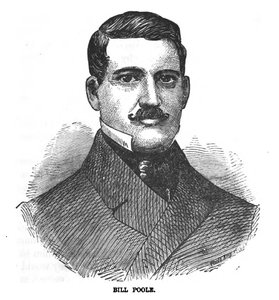
Trumpa informacija
- Artistic Movement Or Style: Romanticism
- Artists Or Movements Influenced By This Artist: ['John Opie']
- Artists Who Influenced This Artist:
- Joshua Reynolds
- Thomas Gainsborough
- Date Of Birth: 1748
- Date Of Death: 1833
- Full Name: William Wentworth Fitzwilliam
- Nationality: British
- Notable Artworks:
- Let 'em Come
- Self Portrait
- Place Of Birth: Yorkshire, England

