

 Peržiūrėti realaus dydžio版
 Siųsti
 Dalintis
 Išsamiau
 Vadovas

 Atsisiųsti
 Panašūs eksponatai
 Rentgeno spindulių nuotrauka
 Diaporama
 Statistika
Miss Copland
 Rococo
 1767
1767 75.0 x 62.0 cm
 Dumfries Museum And Camera Obscura
 Rodyti daugiau
Rankų darbo aliejinės reprodukcijos
Rankiniu būdu tapytas aliejus ant droblio jūsų pageidaujamame dydį ir rėmuose – mūsų menininkų darbas pagal užsakymą. ( Perjungti į spausdinimą Perejti prie skaitmeninių vaizdų)




































Pasirinkite iš mūsų nustatytų dydžių, atitinkančių originalaus meno kūrinio proporcijas.

Galite įvesti savo matmenis, kad jie atitiktų konkretų rėmą ar erdvę. Jei pasirinktas dydis neatitinka originalaus paveikslėlio proporcijų, mes arba apkropsime meno kūrinį, arba papildysime tapybą rankomis dažytい elementais. Prieš pradėdami gamybą, jūsų patvirtinimui atsiųsime skaitmeninį maketą.
Atkreipkite dėmesį, kad ekrane rodomas vaizdas neatspindi tikrojo apkarpymo ar papildymo. Tik maketas tiksliai parodys galutinę kompoziciją.
Nors galima rinktis ir individualius dydžius, rekomenduojame pasirinkti matmenis iš nustatytos sąrašo, kad būtų išlaikytos originalios proporcijos.
Gavus užsakymą, OriginalUniqueArt.com komanda susisieks su klientu el. paštu dėl instrukcijų ir pateiks maketo pavyzdį
Pristatymas visame pasaulyje () per 3–4 savaites, o ne įprastai – per 5 savaites. (26 rugsėjis). Kokybė lieka nepakeičiama.

Nemokamas greitasis pristatymas visame pasaulyje

Aukštos kokybės lininis drobė

Pilnas siuntimo draudimas

Muitinės mokesčių grąžinimo garantija

Tikro spalvų atitikimo garantija

100 dienų grąžinimo politika (tik esant įtaigoms)

100% pinigų grąžinimo garantija

Nuolaida dideliems užsakymams
 Stiklo variantas prieinamas tik pasirinkus dydį iki 110 cm

Miss Copland
Reprodukcijos technika
Reprodukcijos dydis
-


Visų pasirinktų variantų kaina
$ 300
Autoriaus biografija
Early Life and Artistic Beginnings
William Millar, born in 1839 and passing in 1913, remains a compelling figure within the landscape of Scottish portraiture. While biographical details surrounding his early life are somewhat scarce, it is understood that he developed a keen eye for capturing character and likeness from a young age. He wasn’t merely replicating features; Millar sought to imbue his subjects with a sense of their inner lives, a quality that would become the hallmark of his work. The artistic climate of 19th-century Scotland provided fertile ground for portraitists, as burgeoning middle classes desired representations of themselves and their families—a demand Millar skillfully addressed. He received formal training, though specifics are elusive, it’s clear he mastered traditional oil painting techniques, laying a solid foundation for his future endeavors.A Master of Scottish Portraiture
Millar quickly established himself as a sought-after portraitist within Scotland. His canvases depict a diverse range of sitters—from prominent members of society to individuals representing the everyday fabric of Scottish life. He possessed an exceptional ability to convey not only physical resemblance but also the personality, social standing, and perhaps even the aspirations of those he painted. His portraits are characterized by meticulous detail, subtle use of color, and a remarkable sensitivity to light and shadow. Unlike some portraitists who favored grand, imposing compositions, Millar often opted for more intimate settings, creating a sense of connection between the viewer and the subject. This approach allowed him to delve deeper into psychological nuance, making his portraits feel remarkably alive.Influences and Artistic Development
While not directly affiliated with any specific art movement, Millar’s work reveals influences from several sources. The traditions of Scottish Realism, emphasizing accurate representation and a connection to the land, are evident in his meticulous attention to detail. He also appears to have been inspired by the works of earlier portrait masters, studying their techniques for capturing likeness and conveying character. Over time, Millar’s style evolved from a more conventional approach to one that incorporated elements of psychological realism. His later portraits demonstrate a greater willingness to experiment with composition and lighting, further enhancing his ability to capture the inner lives of his sitters.Notable Works and Legacy
Although a comprehensive catalogue raisonné of Millar's work is lacking, several paintings stand out as representative examples of his skill and artistry. “Miss Copland” exemplifies his Rococo style, showcasing exquisite detail and elegant beauty. His portraits of Reverend William Leechman demonstrate his ability to capture the dignity and intellectual gravitas of prominent figures.- Millar’s work provides a valuable glimpse into Scottish society during the 19th century.
- His paintings offer insights into the lives, values, and aspirations of those he depicted.
- He was able to capture not only physical resemblance but also the personality and social standing of his sitters.
Historical Significance
William Millar’s significance lies in his ability to create portraits that transcend mere representation. He wasn't simply painting faces; he was capturing moments in time, preserving the essence of individuals within a specific historical context. His work serves as a testament to the enduring power of portraiture—its capacity to connect us with the past and offer insights into the human condition. While perhaps not as widely recognized as some of his contemporaries, Millar’s contributions to Scottish art are undeniable. He remains a significant artist whose paintings continue to captivate viewers with their beauty, sensitivity, and historical depth.
william millar
1839 - 1913
Trumpa informacija apie kūrėją
- Artistic Movement Or Style: Scottish Portraiture
- Artists Or Movements Influenced By This Artist: ['']
- Artists Who Influenced This Artist: ['']
- Date Of Death: 1913
- Full Name: William Millar
- Nationality: Irish
- Notable Artworks:
- Miss Copland
- Diana, Wife of Sir Walter Scott
- Place Of Birth: Dublin, Ireland
Susiję straipsniai
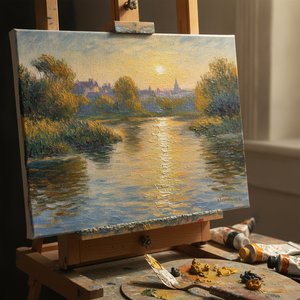
The Soul of Impressionism: Why Oil on Canvas Captures Eternal Light and Timeless Emotion
Discover the enchanting alchemy of Impressionism. Explore how the mastery of oil on canvas, through glazing and impasto, captures eternal light and emotion. Perfect for lovers of Monet and Van Gogh seeking the profound depth of hand-painted fine art.

Rožinio Amžius: 10 Šedevrų Apibrėžiančių Rokoko Stilių
Atraskite 10 rokokoko šedevrų, apibrėžiančių prabangą ir grožį! Sužinokite apie žymius dailininkus, spalvotus motyvus bei istorijas. Puikios meno reprodukcijos jūsų namams – OriginalUniqueArt.com.

Aliejinės tapybos paveldas drobėje: technika, istorija ir šiuolaikinės praktikos subtilybės
Atraskite aliejinės tapybos paslaptis! Istorija, technika, drobės pasirinkimas ir šiuolaikinė praktika. Patarimai meno kolekcionieriams ir kūrėjams iš ekspertų.

Oil on Canvas: A Historical & Technical Exploration of a Timeless Artistic Medium
Explore the rich history & enduring techniques of oil painting on canvas. Discover the science behind its longevity, conservation practices, and contemporary relevance. Expert insights for art enthusiasts.

The Enduring Legacy of Oil on Canvas: Technique, History & Aesthetic Impact
Explore the rich history & techniques of oil painting – from Renaissance masters to Impressionism. Discover pigments, layering methods, and why this timeless medium endures. Expert insights for artists & art enthusiasts.