

 Peržiūrėti realaus dydžio版
 Siųsti
 Dalintis
 Išsamiau
 Vadovas

 Atsisiųsti
 Panašūs eksponatai
 Rentgeno spindulių nuotrauka
 Diaporama
 Statistika
Still Life


 Rodyti daugiau
Giclée / Meno spausdinimas
Muziejų lygio „giclée“ arba drobos spausdinimas: greita gamyba ir lankstios apdailos parinktys. ( Pirkti rankomis tapytą reprodukciją Perejti prie skaitmeninių vaizdų)




P118B €10

P118H €10

P118W €10

P438Z €10

P508JH €12

P508YH €12

P805H €10

P805Z €10

P919BZ €10

P919G €10

P919XJ €10

P959ZH €10

P968JZ €12

W106C €8

W218G €10

W218JH €8

W218Y €10

W307PJ €10

W316G €10

W316PJ €8

W316Y €10

W398PJ €8

W4111J €10

W500HY €15

W500JH €15

W692G €12

W849H €8

W940BG €15

W953PJ €8




Pasirinkite iš mūsų nustatytų dydžių, atitinkančių originalaus meno kūrinio proporcijas.

Įveskite jums reikiamą plotį ir aukštį, kad atvaizdas derėtų prie jūsų rėmo ar sienos. Spausdiną galima tik sumažinti, bet nepadidinti virš originalaus paveikslėlio dydžio, todėl keičiant proporcijas, dalis vaizdo prarandama. Prieš spausdinimą atsiųsime jums skaitmeninį maketą patvirtinimui. Šioje puslapio nuotraukoje matomas pjūvis nėra tikslus – jį rodo tik maketas.
Pristatymas visame pasaulyje () per 2 weeks, o ne įprastas 4/5 savaičių laikotarpis. (26 spalis)

Nemokamas greitasis pristatymas visame pasaulyje

Aukštos kokybės lininis drobė

Pilnas siuntimo draudimas

Muitinės mokesčių grąžinimo garantija

Tikro spalvų atitikimo garantija

100 dienų grąžinimo politika (tik esant įtaigoms)

100% pinigų grąžinimo garantija

Nuolaida dideliems užsakymams
 Stiklo variantas prieinamas tik pasirinkus dydį iki 110 cm

Still Life
Giclée / Meno spausdinimas
Reprodukcijos dydis
-


Visų pasirinktų variantų kaina
€ 70
William Merritt Chase’s “Still Life with Fish”: A Glimpse of Transient Beauty
William Merritt Chase's "Still Life with Fish," painted around 1903, isn’t merely a depiction of marine life; it’s a carefully orchestrated meditation on light, color, and the fleeting nature of beauty. This oil-on-canvas work, measuring approximately 45.72 by 74.3 centimeters (18 inches by 29.3 inches), resides within the Brooklyn Museum's collection, offering viewers an intimate encounter with a master of American Impressionism. Chase, deeply influenced by the luminist movement and the vibrant palettes of Monet and Renoir, sought to capture not just the appearance of objects but their very essence—the way light dances upon surfaces and evokes emotion.
The composition is deceptively simple yet profoundly effective. A dark, almost velvety background anchors the scene, drawing the eye immediately to a central arrangement of fish resting on what appears to be a table or ledge. These aren’t scientifically accurate representations; rather, they are imbued with Chase's characteristic expressive brushstrokes and vibrant hues. The fish themselves—likely skate or similar species—are rendered in shades of deep blues, greens, and shimmering silver, their scales catching the light with an almost iridescent quality. A pair of golden bowls, reflecting the surrounding colors, adds a layer of complexity and intrigue, suggesting both abundance and the transient nature of pleasure.
The Influence of Luminism and Impressionist Techniques
Chase’s approach to painting was deeply rooted in the principles of Luminism, a movement emphasizing light and atmosphere. However, he skillfully blended these techniques with the loose brushwork and vibrant color palettes associated with Impressionism. He employed broken color—applying small, distinct strokes of paint rather than blending them smoothly—to create a sense of shimmering luminosity. This technique is particularly evident in the depiction of the fish scales, which appear to ripple and shift with reflected light. Chase’s use of complementary colors – blues and oranges, greens and reds – further enhances this effect, creating visual excitement and depth.
Furthermore, Chase's background as a teacher at the Art Students League profoundly shaped his artistic philosophy. He encouraged his students to prioritize direct observation and emotional response over rigid academic rules. This emphasis on capturing the *feeling* of a scene is palpable in “Still Life with Fish,” where the painting isn’t simply a representation of objects but an evocation of their beauty and the moment in time when they were observed.
Symbolism and the Ephemeral Nature of Beauty
Beyond its purely aesthetic qualities, "Still Life with Fish" carries layers of symbolic meaning. The fish themselves can be interpreted as symbols of abundance, prosperity, or even mortality—a reminder that all things are fleeting. The golden bowls, reflecting light and color, might represent the ephemeral nature of pleasure and beauty, suggesting a desire to capture these moments before they vanish.
Chase’s choice of subject matter – everyday objects arranged in a still life – elevates them to an artistic level. He transforms mundane items into objects of contemplation, inviting viewers to appreciate the inherent beauty in the ordinary. The painting speaks to the artist's belief that even the simplest things can hold profound meaning and evoke powerful emotions.
A Legacy of Light and Color
“Still Life with Fish” stands as a testament to William Merritt Chase’s mastery of light, color, and composition. It exemplifies his ability to capture not just the appearance of objects but their very essence—the way they interact with light and evoke emotion. The painting's enduring appeal lies in its ability to transport viewers to a moment of quiet contemplation, reminding us of the beauty that surrounds us and the fleeting nature of time. Reproductions of this work offer a remarkable opportunity to experience Chase’s artistic vision firsthand, bringing a touch of luminous elegance to any space.
问答 (or more naturally for a website heading): Klausimai ir atsakymai
Kiek ryški yra „Still Life“ spalva?
„Still Life“ spalvos nasyginimas yra Muted, o intensyvumas – Monochromatic.
Kokia yra „Still Life“, autorius – Viljamas Meritas Čejsas kūrybos data?
„Still Life“ sukurta 1915 m. Ši data leidžia įvardyti kūrinį Viljamas Meritas Čejsas kūrybinėje karjeroje bei jo epochoje.
Ar studentams skirtas informacinis lapelis apie „Still Life“, autorius – Viljamas Meritas Čejsas yra prieinamas?
Gidas apie „Still Life“ yra šio kūrinio Gidas puslapis – spausdinamas informacinį lapelis, kuriame pateikiamas kūrinys su antrašte, autorių nurodymu bei duomenų lentele (autorius, datos, technika, originalus dydis, kolekcija).
Autoriaus biografija
Šviesos Nutapyta Gyvenimo: William Merritt Chase’o Pasaulis
Williamas Merritas Čeizas, vardas sinonimiškas klestinčiai Amerikos impresionizmo epojai, buvo daugiau nei tik dailininkas; jis buvo esminis veiksnys formuojant tautos meninę tapatybę XX amžiaus sandūroje. Gimus 1849 m. lapkričio 1 d. kukliose Indianos valstijoje, Viliambergą (vėliau Nineveh) miestelyje, Čeizo kelionė nuo kaimo pradžių iki tapybos virtuozas ir įtakingas pedagogas yra liudijimas jo neatsiejamo atsidavimo ir gimtojo talento. Ankstyvoje vaikystėje šeima persikėlė į Indianapolį 1861 m., kur jis pirmą kartą padėjo savo tėvo versle. Tačiau netgi tarp šių praktinių pareigų sėti meno aistros sėklos, puoselėjamos studijų su vietiniais instruktoriais Barton S. Hays ir Jacob Cox dėka. Ši pagrindinė mokymo programa sukūrė norą toliau tyrinėti, trumpam įstojus į jūrų tarnybą prieš galiausiai pasitraukęs į energingą Niujorko miesto meno sceną 1869 m. Ten, dėsto Joseph Oriel Eaton Nacionalinės akademijos dizaine ir vėliau Lemuell Wilmarth, Jean-Léon Gérôme studentas, Čeizas pradėjo tobulinti savo įgūdžius, padėdama pagrindus karjerai, kuris perrašys Amerikos tapybą. Laikinas finansinis sunkumas privertė persikelti į Sent Luisą 1870 m., tačiau netgi šis iššūkis pasirodė derantis, leisdamas jam įsitvirtinti vietos meno bendruomenėje ir pelnyti pripažinimą dėl jo augančio talento.Nuo Akademinių Šaknų iki Impresionistinio Blizgesio
Čeizo meninis vystymasis nebuvo staigus perėjimas į impresionizmą, bet palaipsniškas evoliucija, paremtas griežta akademine mokymo programa ir išplaukusiais užsienio kelionių patyrimais. Esminis lūžis įvyko su jo ilgalaikiu viešnagės Miunchene 1872 m., kur jis studijavo Karališkosios dailės akademijos Alexander von Wagner ir Karl von Piloty vadovavimo požiūriu. Šis laikotarpis įskiepijo jam tradicinių technikų meistriškumą ir polinkį dramatiškiems sprendimams, tačiau būtent per vėlesnį vizitą į Veneciją su bendražygiais amerikiečių dailininkais Frank Duveneck ir John Twachtman Čeizas pradėjo priimti laisvesnę požiūrį į tapybą. Įkvėptas Italijos kraštovaizdžio spindesio šviesos ir ryškių spalvų, jis ėmė eksperimentuoti su lengvesniais teptukų potėpiais ir padidintu jautrumu atmosferos efektams. Grįžęs į Niujorką 1878 m., Čeizas visiškai priėmė impresionistinius principus, užfiksuodamas modernaus gyvenimo trumpalaikius momentus energingu ir patraukliu stiliumi. Tokie darbai kaip *Keying Up – The Court Jester* (1876), su dideliu kritikos dėmesiu parodyti Bostono meno klubo ir Filadelfijos šimtmečio parodoje, pademonstravo jo gebėjimą perteikti judesį ir asmenybę drąsių teptukų potėpių ir dinamiškos kompozicijos pagalba. Jis toliau tyrinėjo įvairius motyvus – žavingus portretus, pavyzdžiui, Portretas Virginia Gerson, atgaivinančius kraštovaizdžius kaip *Gowanus Bay (aka Misty Day, Gowanus Bay)* ir scenas, vaizduojančias miesto gyvenimo gyvybingumą, įskaitant *Alice Fernandez*. Kiti reikšmingi darbai – „A Friendly Call“, „A Study in Curves“ ir „Terrace at the Mall, Central Park“.Pedagogas: Formuojantis Menininkų Kartai
Be pasiekimų kaip dailininko, William Merritt Chase paliko neblėstančią įtaką Amerikos menui dėl savo atsidavimo mokymui. Supratęs reikalingumą naujoviškos meno edukacijos, jis 1896 m. įkūrė Chase School Niujorke, kuri vėliau išaugo į Parsons The New School for Design. Ši institucija tapo meninių talentų inkubatoriumi, pabrėždama tiesioginę stebėjimo, techninį meistriškumą ir kūrybinį eksperimentavimą svarbą. Skirtingai nuo daugelio savo to laikmečio bendradarbių, kurie pirmenybę davė griežtai akademinei mokymo programai, Čeizas skatino savo studentus ugdyti individualius balsus ir tyrinėti įvairius stilius. Jis dirbo dėsto Nacionalinės akademijos dizaine, Pensilvanijos dailės akademijoje, taip pat Brooklyno meno asociacijoje, skleisdamas savo meninę filosofiją toli ir plačiai. Jo įtaka pasiekė daugelį menininkų, tarp jų Wayman Elbridge Adams, kuris atvirai pripažino Čeizą kaip mentorių. Plien air tapybos – tiesiogiai iš gamtos tapymo lauke – tapo pagrindiniu jo pedagoginio požiūrio akmeniu, skatindamas gilesnį ryšį tarp studentų ir jų motyvų.Palikimas ir Istorinė Reikšmė
William Merritt Chase’s vieta Amerikos meno istorijoje yra užtikrinta. Jis padarė tiltą tarp įsitvirtinusio akademinio tradicijų ir besivystančio impresionistinio judėjimo, reikšmingai prisidėdamas prie atskiro Amerikos meninės tapatybės kūrimo. Jo atsidavimas esminės modernaus gyvenimo – užimtiems miesto peizažams, intymiems namų interjerams ir jo laiko malonumui - esmei atsiliepėsi publikai, norintiems naujos vizualinės kalbos. Nors vėlesniais metais kritinis pripažinimas buvo laikinas, pastaruoju metu jo darbai patyrė atgimimą, įtvirtindamas jo reputaciją kaip vienas iš svarbiausių ir įtakingiausių Amerikos menininkų. Jis ne tik dokumentavo scenas; jis interpretavo besikeičiančios tautos dvasią per Impresionizmo ryškų prizmę. Jo palikimas tęsiasi už jo drobėmis iki begalės menininkų, kuriuos įkvėpė, užtikrinant, kad jo novatoriška tapybos prieiga ir toliau formuoja Amerikos meno kraštovaizdį ateinančioms kartoms.
Viljamas Meritas Čejsas
1849 - 1916 , Jungtinės Amerikos Valstijos
Trumpa informacija apie kūrėją
- Gimimo Data: 1849 m. lapkričio 1 d.
- Gimimo Vieta: Nineveh, JAV
- Meninis Stilius: Impresionizmas
- Mirties Data: 1916 m. spalio 25 d.
- Pilnas Vardas: William Merritt Chase
- Poveikį Darė: ['Jean-Léon Gérôme']
- Tautybė: Amerikietis
- Įtaką Patyrė: ['Wayman Elbridge Adams']
- Žymūs Kūriniai:
- Keying Up – The Court Jester
- Alice Fernandez
- A Friendly Call
- Gowanus Bay
- Terrace at the Mall
Susiję straipsniai

Frederick Childe Hassam: American Impressionism's Chronicler of Light & Modern Life
Explore the captivating world of Frederick Childe Hassam, a pioneer of American Impressionism. Discover his iconic paintings capturing light, urban life & coastal beauty. Learn about his legacy and influence on American art history.
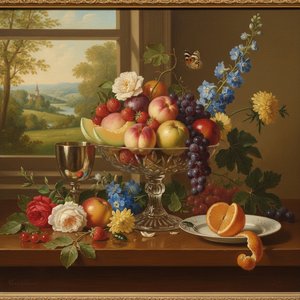
Severin Roesen: Evoking National Identity Through American Still Life Painting
Explore the captivating world of Severin Roesen, a major American still life painter influenced by Dutch masters. Discover his lush compositions and the symbolism within his art – a window into 19th-century America.

William Merritt Chase: A Study in American Impressionism & Artistic Luminosity
Explore the life & work of William Merritt Chase, a leading American Impressionist painter and influential art educator. Discover his vibrant portraits, landscapes, and lasting legacy with OriginalUniqueArt.
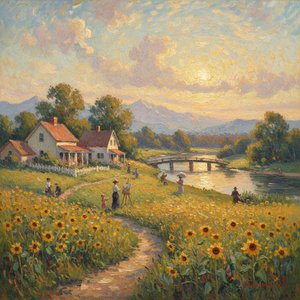
Capturing a Nation's Light: Exploring the American Impressionist Movement
Explore the captivating world of American Impressionism! Discover key artists, techniques & its lasting impact on art history. Find museum-quality reproductions and expert guidance at OriginalUniqueArt.
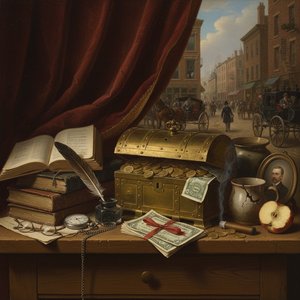
William Michael Harnett: Still Life, Realism & the American Pursuit of Materiality
Explore the captivating still lifes of William Michael Harnett, a master of American realism and trompe l'oeil painting. Discover his technique, legacy & the cultural context behind his iconic works.


