

 Peržiūrėti realaus dydžio版
 Pasidalinti
 Dalintis
 Išsamiau
 Vadovas

 Atsisiųsti
 Panašūs eksponatai
 Rentgeno spindulių nuotrauka
 Automatinė diorama
 Statistika
Interior Scene


 Skaityti daugiau
Rankų darbo aliejinės reprodukcijos
Rankiniu būdu tapytas aliejus ant droblio jūsų pageidaujamame dydį ir rėmuose – tai mūsų menininkų pagal užsakymą sukurtas darbas. ( Perjungti į spausdinamus版作品 Perejti prie skaitmeninių vaizdų)




































Pasirinkite iš mūsų nustatytų dydžių, atitinkančių originalaus meno kūrinio proporcijas.

Įveskite jums reikiamą plotį ir aukštį, kad paveikslas atitiktų jūsų rėmą ar sieną. Kadangi šis darbas yra rankinio darbo, siekiant išgauti kitokios formos dydį, paveikslas gali būti šiek tiek didesnis (nuo kraštų bus palikta daugiau erdvės) arba mažesnis – pasirinkite jums patogiausią variantą. Prieš pradedant tapyti, atsiųsime jums skaitmeninį maketą patvirtinimui. Šioje puslapio nuotraukoje matomas vaizdas nėra galutinis rezultatas – jį parodys tik sukurtas maketas.
Gavus užsakymą, OriginalUniqueArt.com komanda susisieks su klientu el. paštu dėl instrukcijų ir pateiks maketo pavyzdį
Pristatymas visame pasaulyje () per 3–4 savaites, o ne įprastai – per 5 savaites. (28 spalis). Kokybė lieka nepakeičiama.

Nemokamas greitasis pristatymas visame pasaulyje

Aukštos kokybės lininis drobė

Pilnas siuntimo draudimas

Muitinės mokesčių grąžinimo garantija

Tikro spalvų atitikimo garantija

100 dienų grąžinimo politika (tik esant įtaigoms)

100% pinigų grąžinimo garantija

Nuolaida dideliems užsakymams
 Stiklo variantas prieinamas tik pasirinkus dydį iki 110 cm

Interior Scene
Reprodukcijos technika
Reprodukcijos matmenys
-


Bendroji kaina
€ 264
Autoriaus biografija
William Kidd: A Romantic Observer of Everyday Life
William Kidd (1796 – 1863) emerges from the annals of 19th-century British art as a quietly compelling figure, an observer of domesticity and rural life rendered with a charming blend of realism and gentle humor. While not commanding the same immediate fame as his contemporaries like Turner or Constable, Kidd’s prolific output – over 200 paintings – offers a remarkably intimate glimpse into the social fabric of his time, revealing a keen eye for detail and an ability to capture the nuances of human interaction within seemingly ordinary scenes.
Born in Edinburgh in 1796, Kidd's early life remains somewhat shrouded in mystery. He began his artistic training under James Howe, a renowned animal painter, gaining foundational skills that would later inform his approach to depicting figures and settings. This apprenticeship instilled a meticulousness and attention to detail, particularly evident in his rendering of fabrics, furniture, and the subtle expressions on his subjects’ faces. Kidd's career unfolded primarily in London, where he established himself as a successful artist catering to a discerning clientele who appreciated his ability to portray familiar scenes with an air of gentle amusement.
The Style and Themes of a Romantic Observer
Kidd’s artistic style is often categorized within the broader framework of Romanticism, though it possesses distinct characteristics that set him apart. He eschewed the dramatic landscapes favored by some of his contemporaries, instead focusing on scenes of everyday life – cozy interiors, bustling market squares, and quiet moments in rural settings. His paintings are characterized by a warm palette, soft lighting, and an emphasis on domestic tranquility. He frequently depicted scenes of leisure and indulgence, often featuring wealthy gentlemen enjoying their estates or indulging in convivial gatherings.
A recurring theme in Kidd’s work is the contrast between wealth and simple pleasures. He masterfully portrays the opulence of the upper classes – lavish furnishings, exotic fruits, and fine clothing – juxtaposed with scenes of quiet contentment and modest enjoyment. This subtle commentary on social hierarchy and human nature is a hallmark of his artistic sensibility. His illustrations for works by Walter Scott and Robert Burns further cemented his reputation as a skilled draughtsman and interpreter of literary themes.
Influences and Artistic Development
Kidd’s artistic development was undoubtedly shaped by the work of David Wilkie, a Scottish painter known for his scenes of London life. Wilkie's ability to capture fleeting moments of human interaction with remarkable immediacy and realism served as a significant influence on Kidd’s approach to composition and characterization. The influence is particularly evident in works like “Indulgence,” where the languid pose of the elderly gentleman, surrounded by symbols of wealth and comfort, mirrors the relaxed atmosphere depicted in Wilkie's paintings.
Furthermore, Kidd’s meticulous attention to detail and his skillful rendering of fabrics and textures owe a debt to the Dutch Masters, particularly Rembrandt. He meticulously studied their use of light and shadow, employing similar techniques to create depth and volume within his compositions. His work also reflects the influence of English portraiture, with its emphasis on capturing individual character and personality.
Major Works and Legacy
Among Kidd’s most celebrated works are “Indulgence,” a delightful depiction of an elderly gentleman enjoying the fruits of his wealth; “The Shoemaker,” which captures the quiet dignity of a humble craftsman; and numerous illustrations for Walter Scott's novels, including "Ivanhoe" and "Rob Roy." These paintings demonstrate his versatility as an artist, showcasing his ability to render both grand scenes and intimate portraits with equal skill.
Despite not achieving widespread fame during his lifetime, William Kidd’s legacy endures through the sheer volume of his output and the enduring appeal of his charming genre scenes. His work offers a valuable window into the social customs and domestic life of 19th-century Britain, revealing a keen eye for detail and a subtle commentary on human nature. Today, his paintings are treasured in private collections and public galleries alike, testament to their lasting artistic merit.
A Continuing Exploration
Further research into William Kidd’s life and work continues to reveal new insights into this enigmatic artist. His prolific output provides a rich source of material for art historians and scholars seeking to understand the complexities of 19th-century British society. His paintings remain a testament to his skill, observation, and enduring ability to capture the beauty and humor of everyday life.

William Kidd
1796 - 1863
Trumpa informacija
- Artistic Movement Or Style: Romantic Era
- Artists Or Movements Influenced By This Artist:
- Walter Scott
- Robert Burns
- Artists Who Influenced This Artist: ['David Wilkie']
- Date Of Birth: 1796
- Date Of Death: 1863
- Full Name: William Kidd
- Nationality: Scottish
- Notable Artworks:
- Indulgence
- Burns & Scott Illustrations
- Place Of Birth: Edinburgh, Scotland
Susiję straipsniai

The Enduring Power of Painting: A Historical & Contemporary Exploration of Form and Emotion
Explore the rich history & enduring techniques of oil painting with OriginalUniqueArt. Discover masterpieces, learn about art collecting, and find authentic handmade reproductions crafted by skilled artists.
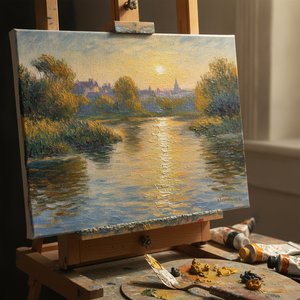
The Soul of Impressionism: Why Oil on Canvas Captures Eternal Light and Timeless Emotion
Discover the enchanting alchemy of Impressionism. Explore how the mastery of oil on canvas, through glazing and impasto, captures eternal light and emotion. Perfect for lovers of Monet and Van Gogh seeking the profound depth of hand-painted fine art.

19th Century Masterpieces: 10 Paintings That Defined an Era | OriginalUniqueArt
Journey through 19th century art with OriginalUniqueArt! Explore 10 iconic paintings – from Monet & Renoir to Courbet – and discover the stories behind Romanticism, Realism & Impressionism. Find museum-quality reproductions for your home decor. Explore the full collection online!

Oil on Canvas: A Historical & Technical Exploration of a Timeless Artistic Medium
Explore the rich history & enduring techniques of oil painting on canvas. Discover the science behind its longevity, conservation practices, and contemporary relevance. Expert insights for art enthusiasts.

The Enduring Legacy of Oil on Canvas: Technique, History & Aesthetic Impact
Explore the rich history & techniques of oil painting – from Renaissance masters to Impressionism. Discover pigments, layering methods, and why this timeless medium endures. Expert insights for artists & art enthusiasts.