

 Peržiūrėti realaus dydžio版
 Siųsti
 Dalintis
 Išsamiau
 Vadovas

 Atsisiųsti
 Panašūs eksponatai
 Rentgeno spindulių nuotrauka
 Diaporama
 Statistika
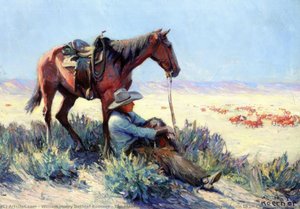
Taking Careful Aim
 84.0 x 70.0 cm
 Rodyti daugiau
Giclée / Meno spausdinimas
Muziejų lygio „giclée“ arba drobos spausdinimas: greita gamyba ir lankstios apdailos parinktys. ( Pirkti rankomis tapytą reprodukciją Perejti prie skaitmeninių vaizdų)




































Pasirinkite iš mūsų nustatytų dydžių, atitinkančių originalaus meno kūrinio proporcijas.

Galite nurodyti savo matmenis, kad vaizdas atitiktų konkretų rėmą ar erdvę. Jei pasirinktas dydis nesutaps su originalaus paveikslėlio proporcijomis, mes arba apkirpsime kūrinį, arba išplėsime vaizdą naudojant veideliu atspindėtą arba vientisą šoną. Skaitmeninis maketas bus išsiųstas jums patvirtinti prieš pradedant gamybą.
Atkreipkite dėmesį, kad ekrane matomas vaizdinys neatspindi tikrojo apkirpimo ar išplėtimo. Tik maketas tiksliai parodytų galutinę kompoziciją.
Nors galima rinktis ir individualius dydžius, rekomenduojame pasirinkti vieną iš išanksti nustatytų matmenų, kad būtų išlaikytos originalios proporcijos.
Pristatymas visame pasaulyje () per 2 weeks, o ne įprastas 4/5 savaičių laikotarpis. (26 rugsėjis)

Nemokamas greitasis pristatymas visame pasaulyje

Aukštos kokybės lininis drobė

Pilnas siuntimo draudimas

Muitinės mokesčių grąžinimo garantija

Tikro spalvų atitikimo garantija

100 dienų grąžinimo politika (tik esant įtaigoms)

100% pinigų grąžinimo garantija

Nuolaida dideliems užsakymams
 Stiklo variantas prieinamas tik pasirinkus dydį iki 110 cm

Taking Careful Aim
Giclée / Meno spausdinimas
Reprodukcijos dydis
-


Visų pasirinktų variantų kaina
$ 80
Autoriaus biografija
The Painter of Prairie Faith: The Life and Legacy of W.H.D. Koerner
In the golden era of American illustration, few names resonate with as much nostalgic warmth and technical mastery as William Henry Dethlef Koerner. Known affectionately as "Big Bill," Koerner was a virtuoso of the brush who possessed the rare ability to weave together the rugged reality of the American West with a profound, spiritual serenity. Born in Germany in 1878 and raised in the heart of Iowa, his life was a journey of migration and artistic evolution, moving from the disciplined academies of Europe to the sprawling, sun-drenched frontiers of the United States. His work does not merely document history; it captures the very soul of a developing nation, imbuing the vast landscapes of the prairie with a sense of divine presence and quiet reverence.
Koerner’s artistic foundation was built upon a rigorous pursuit of excellence, shaped by some of the most influential mentors of his time. While his early years in Iowa sparked his initial passion, it was his formal training that refined his hand. He studied at the Chicago Art Institute and the Francis Smith Art Academy, but perhaps the most transformative period of his development occurred under the tutelage of Howard Pyle, often regarded as the father of American illustration. From Pyle, Koerner inherited the vital lesson that imagination must always take precedence over a mere model, learning to create images that amplified narrative and emotion. This training allowed him to transcend simple reportage, turning his illustrations for legendary publications like The Saturday Evening Post, Redbook, and Harper's into windows of poetic storytelling.
A Mastery of Light, Color, and Narrative
The technical brilliance of Koerner’s work lies in his sophisticated use of medium and color. He was a restless experimenter, frequently blending oils, watercolors, pastels, charcoal, and even colored pencils to achieve the specific textures required by his visions. Influenced heavily by Hugh Breckenridge, Koerner adopted the technique of "broken color," placing bold, distinct strokes side by side to create a shimmering, Impressionistic effect that mimicked the natural vibration of light. Even when working on commissions destined for black-and-white reproduction, he insisted on painting with vibrant palettes, ensuring that the underlying energy and tonal depth of his compositions remained intact.
His subject matter often oscillated between the grand scale of Western expansion and the intimate, sacred moments of rural life. He is particularly celebrated for his "Prairie Faith" series, where he utilized muted, earthy tones—ochres, deep browns, and soft greens—to depict scenes of profound tranquility. In these works, religious symbolism, such as his poignant depictions of Mary Magdalene, blends seamlessly into the landscape, suggesting that the divine is woven into the very fabric of the American soil. This ability to marry the secular with the sacred gave his work a unique emotional weight, making him much more than a mere illustrator; he was a visual poet of the plains.
Historical Significance and Enduring Influence
The sheer scale of Koerner’s contribution to American visual culture is staggering. With over 2,000 published illustrations, his work served as a primary visual language for millions of readers during the early twentieth century. He stood alongside legends like Frederic Remington and Charles M. Russell, yet he brought a distinctively softer, more luminous sensibility to the Western genre. While his contemporaries often focused on the grit and violence of the frontier, Koerner sought the light, the peace, and the spiritual promise found within the landscape.
Today, the legacy of W.H.D. Koerner lives on through prestigious collections such as the Whitney Western Art Museum, which houses a significant array of his drawings and paintings. His life’s work remains a vital touchstone for understanding the American identity—a period defined by movement, faith, and an enduring connection to the natural world. Through his eyes, we see the American West not just as a place of conquest, but as a sanctuary of light and a canvas of infinite grace.
william henry dethlef koerner
1878 - 1938
Trumpa informacija apie kūrėją
- Artistic Movement Or Style: American Impressionism
- Artists Or Movements Influenced By This Artist: ['Landscape Painting']
- Artists Who Influenced This Artist:
- Thomas Moran
- Albert Pinkham Ryder
- Date Of Birth: November 1878
- Date Of Death: August 11, 1938
- Full Name: Wilhelm Heinrich Detlev Koerner
- Nationality: American
- Notable Artworks:
- Madonna of the Prarie
- The Hunters
- I've Got Faith in That Boy
- Place Of Birth: Iowa City, Iowa