
 Peržiūrėti realybėje
 Pasidalinti
 Dalintis
 Išsamiau

 Atsisiųsti
 Panašūs eksponatai
 Rentgeno nuotrauka
 Automatinė diorama
St Joseph
 Oil On Canvas
- WallArt
- Pre-Raphaelite
 1847
1847 79.0 x 55.0 cm
 Royal Collection
 Skaityti daugiau
Giclée / Meno spausdinimas
Muziejų lygio „giclée“ arba drobos spausdinimas: greita gamyba ir lankstios apdailos parinktys. ( Pirkti rankomis tapytą paveikslą Pirkti vaizdą)




P118B $10

P118H $10

P118W $10

P438Z $10

P508JH $12

P508YH $12

P805H $10

P805Z $10

P919BZ $10

P919G $10

P919XJ $10

P959ZH $10

P968JZ $12

W106C $8

W218G $10

W218JH $8

W218Y $10

W307PJ $10

W316G $10

W316PJ $8

W316Y $10

W398PJ $8

W4111J $10

W500HY $15

W500JH $15

W692G $12

W849H $8

W940BG $15

W953PJ $8




Pasirinkite iš mūsų nustatytų dydžių, atitinkančių originalaus meno kūrinio proporcijas.

Galite nurodyti savo matmenis, kad vaizdas atitiktų konkretų rėmą ar erdvę. Jei pasirinktas dydis nesutaps su originalaus paveikslėlio proporcijomis, mes arba apkirpsime kūrinį, arba išplėsime vaizdą naudojant veideliu atspindėtą arba vientisą šoną. Skaitmeninis maketas bus išsiųstas jums patvirtinti prieš pradedant gamybą.
Atkreipkite dėmesį, kad ekrane matomas vaizdinys neatspindi tikrojo apkirpimo ar išplėtimo. Tik maketas tiksliai parodytų galutinę kompoziciją.
Nors galima rinktis ir individualius dydžius, rekomenduojame pasirinkti vieną iš išanksti nustatytų matmenų, kad būtų išlaikytos originalios proporcijos.
Pristatymas visame pasaulyje () per 2 weeks, o ne įprastas 4/5 savaičių laikotarpis. (7 rugsėjis)

Nemokamas greitasis pristatymas visame pasaulyje

Aukštos kokybės lininis drobė

Pilnas siuntimo draudimas

Muitinės mokesčių grąžinimo garantija

Tikro spalvų atitikimo garantija

100 dienų grąžinimo politika (tik esant gamyklinėms defektams)

100% pinigų grąžinimo garantija

Nuolaida už kelias reprodukcijas
 Stiklo variantas prieinamas tik pasirinkus dydį iki 110 cm

St Joseph
Giclée / Meno spausdinimas
Reprodukcijos matmenys
-


Galutinė kaina
$ 80
The Serene Figure: William Dyce’s St. Joseph
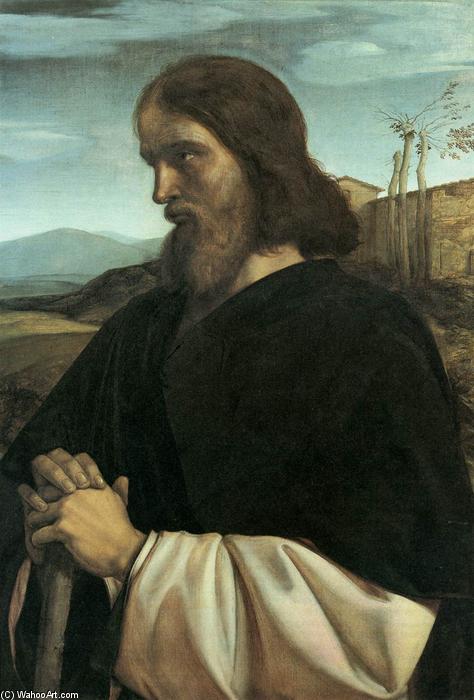
William Dyce's "St. Joseph" is more than a portrait; it’s a carefully constructed meditation on faith, domesticity, and the quiet dignity of a biblical figure. Painted in 1847 during a period of burgeoning Pre-Raphaelite influence in England, this oil-on-canvas work transcends mere representation to become a deeply evocative study of human character. Dyce, a pivotal figure in establishing art education within the British system, imbues the scene with an almost palpable sense of contemplation – Joseph’s gaze, slightly turned leftward, suggests a man lost in thought, perhaps reflecting on his role as guardian of Mary and infant Jesus.
The composition itself is remarkably restrained. Dyce eschews dramatic gestures or elaborate drapery, opting instead for a directness that draws the viewer into Joseph’s world. The muted palette – dominated by earthy browns, ochres, and subtle greens – contributes to the painting's overall sense of solemnity and timelessness. Notice how Dyce masterfully employs light and shadow; it isn’t harsh or theatrical but rather a gentle diffusion that softens the features and emphasizes the texture of Joseph’s clothing, hinting at both its practicality and the inherent value placed upon his role.
A Pre-Raphaelite Echo
Dyce's work firmly resides within the orbit of the Pre-Raphaelites, though he never formally joined their brotherhood. The influence is evident in his meticulous attention to detail, his preference for naturalistic rendering, and his exploration of religious themes with a heightened sense of emotional resonance. The painting shares similarities with works by Millais and Rossetti – particularly in its focus on the domestic sphere and the portrayal of biblical figures as relatable human beings. However, Dyce’s approach is subtly different; there's a greater emphasis on psychological depth and a quiet reverence that distinguishes his style.
The choice of subject matter itself—St. Joseph—is significant. Often overshadowed by Mary and Jesus in traditional iconography, Joseph represents the steadfastness, humility, and protective spirit essential to the Christian narrative. Dyce’s portrayal elevates him beyond a mere supporting character, presenting him as a man of quiet strength and unwavering devotion.
Craftsmanship and Context
Created in 1847, “St. Joseph” reflects the artistic climate of Victorian England. The Royal Collection, where it currently resides at Windsor Castle, speaks to its historical importance and enduring appeal. Dyce’s technical skill is undeniable; his brushwork is smooth and controlled, creating a sense of depth and texture that invites close examination. The canvas itself, likely prepared by a skilled craftsman, provides an ideal surface for Dyce's meticulous rendering.
Furthermore, the painting was commissioned by Prince Albert, highlighting its significance within the royal household. This connection adds another layer to the artwork’s narrative – it wasn’t merely a devotional image but also a symbol of familial piety and the values championed by the Victorian monarchy. The inclusion of the landscape background—rolling hills under a cloudy sky—further grounds the scene in a tangible reality, suggesting that Joseph's faith is rooted in the everyday world.
A Legacy of Reflection
“St. Joseph” remains a powerful and moving work of art. It’s a testament to Dyce’s artistic vision and his ability to capture the essence of human emotion through meticulous observation and skillful execution. More than just a depiction of a biblical figure, it's an invitation to contemplate themes of faith, family, and the quiet dignity of ordinary lives. Reproductions of this piece offer a beautiful opportunity to bring a touch of Victorian serenity and contemplative grace into any space.
Autoriaus biografija
Pirmoji gyvenimo metų ir meninio mokymosi pradžia
Williamas Dyce (1806–1864) gimė Aberdeene, Škotijoje, gydytojo Dr. Williamo Dyce FRSE, Karališkosios draugijos nario, ir turtingos bankininko dukteries Margaret Chalmers sūnaus. Jo šeima skatino meilę mokslui ir kultūrai, suteikdama tvirtą pagrindą būsimoms meninei siekiams. Jis studijavo Marischal kolegoje, Aberdeeno universitete, kur tapo magistru vos sulaukęs šešiolika metų – tai buvo neįtikėtinas pasiekimas tam laikui. Atpažinęs savo talentą projektavimui, Dyce oficialiai mokėsi Karališkosios akademijos mokyklose Edinburguje ir Londone, pasinerdamas į klasikinio meno studijas ir tobulindamas technikas, tapusių gyvybiškai svarbių jo vėlesnei karjerai. Formavimo metai buvo pažymėti įtakiousių meninių idėjų, sklaidančių Škotijoje ir Anglije, pažinimu, kuris suformavo jo estetinį suvokimą ir pad 된ė jį itin atsidavęs meno aukštumams siekiančiu studentu.Italijos įtaka ir meninė evoliucija
Pirmoji svarbi Dyce kelionė užsienyje įvyko 1825 metais, kai jis išvyko į Romą – tai buvo lūžio momentas, negrįžtamai pakeitęs jo meninio gyvenimo kryptį. Įkvėstas Renesanso meno didybės ir sužavėtas nazarenų paveikslavusių dvėsmingumo, Dyce devynius mėnesius rūpščiai studijavo Titiano ir Poussina darbus, įsisavinęs jų kompozicijos principus bei meistrišką spalvų naudojimą. Šis pasinėrimas Italijos meninės tradicijos sūkurėse giliai paveikė jo stilių, skatindamas dėmetį skirti detaliam stebėjimui ir giliam dvasiniam kontemplacijai – tai tapo pagrindiniais jo kūrybos bruzdžiais. 1826 metais jis grįžo į Aberdeeną, toliau tobulindamas savo dailininko įgūdžius ir sukūręs keletą iškilmingų darbų, įskaitant „Bacchusa, careinamų Nysos nimfų“, kuris sulaukė didelio pripažinimo.Edinburgo metai ir portretų menas
1830-ųjų metų viduryje Dyce Edinburguje įsitvirtino kaip portretistas, gavinęs užsakymus iš žinomų Škotijos visuomenės veikėjų. Jo kruopštumas – ypač gebėjimas įamžinti subtilius išraiškas ir psichologinius niansus – jam suteikė didelę šlovę. Jis meistriškai sujungė klasikinę įtaką su romantizmo jautrumu, kurdamas portretus, kurie buvo tiek estetiškai išrefineduoti, tiek emociniu atspundė pavadinimo. Tuo pačiu metu jis aktyviai kovojo už meno mokymą, siekdamas įkurti dizaino mokyklą Edinburguje – šią poziciją jis užėmė iki 1843 metų, kurio metu prižiūrėjo jos plėtrą ir modernizaciją.Londono veikla ir architektūrinis globėjimas
1837 metais Dyce persikėlė į Londoną, priimdamas Dizaino mokyklos vadovo vaidmenį Somerset House. Tai tapo svarbiu lūžio tašku jo karjeroje, įtraukdamu jį į Viktorijos laikotarpio meno diskursą ir suteikdami prieigą prie įtakingų globėjų – ypač svarbu čia išskirti princą Albertą. Jis atliko išsamius tyrimus apie meno mokymo praktikas užsienyje, kurie padėjo pagrindus „South Kensington sistemos“ kūrimui, dominavęs angliškame meno mokyme daugelį dešimtmečių. Dyce dalyvavimas neapsiribojo tik pedagogine veikla; jis veikė kaip konsultantas architektūros projektuose, įskaitant naujo Parlamento rūmų projektą – ši veikla pademonstravo jo meistriškumą fresko menas ir užtvirtino jo reputaciją kaip vieno iš svarbiausių Britanijos menininkų.Didieji pasiekimai ir palikimas
Dyce meninis palikimas remiasi dviem monumentaliomis veiklomis: Vestminsterio Abatos dekoravimu ir Parlamento rūmų kūrimu. Jo freskos Vestminsterio Abatoje – ypač „Neptūno atsisakymas Britanijai“ – yra Viktorijos laikotarpio ambicijų ir meninės vizijos triumfas, įkūnijantis imperinio Britanijos didybę ir demonstruojantis neįtikėtiną Dyce meistriškumą fresko technikoje. Tačiau jo garsiausias darbas išlieka „Pegwell Bay, Kent“ – peizažas, kuris yra puikus Dyce stebėjimo gamtos detalėms ir gebėjimo perteikti gilią emocinę išraišką pavyzdys. Be to, Dyce indėlis į meno mokymą – Karališkojo meno kolegijos įkūrimas ir skatinti inovatyvius pedagoginius metodus – išlieka įrodymu jo nekliudytos tikėsenos jėga, kurią suteikia meninis mokymas. Williamas Dyce išlieka menininkas, kurio kūryba įkūnija Viktoriškoji Britanijos dvasią – intelektualią smalsumą, moralinį rimtumą ir uolydų atsidavimą žmogaus kultūją kelti aukščiau.
Viljamas Dyce
1806 - 1864 , Jungtinė Karalystė
Trumpa informacija
- Artistic Movement Or Style: Prerafaelitai
- Artists Or Movements Influenced By This Artist: ['Nazarenai']
- Artists Who Influenced This Artist:
- Friedrich Overbeck
- John Ruskin
- Date Of Birth: 1806-09-19
- Date Of Death: 1864-02-14
- Full Name: William Dyce
- Nationality: Škotijos
- Notable Artworks:
- Pegwell Bay, Kent
- Madona su vaiku
- Dunstanas skiriantis Edwy ir Elgiva
- Place Of Birth: Aberdeenas, Jungtinė Karalystė
Susiję straipsniai

Oil on Canvas: A Historical & Technical Exploration of a Timeless Artistic Medium
Explore the rich history & enduring techniques of oil painting on canvas. Discover the science behind its longevity, conservation practices, and contemporary relevance. Expert insights for art enthusiasts.

El Greco Šedevrai: Top 25 Darbai, Įkvėpę Meną ir Interjerus
Atraskite 25 įspūdingiausius El Greco kūrinius! Išsami analizė, meno istorija ir technikos paslaptys. Renesanso meistro paveikslai jūsų interjerui – aukštos kokybės reprodukcijos OriginalUniqueArt.com. Explore the full collection online!

The Enduring Legacy of Oil on Canvas: Technique, History & Aesthetic Impact
Explore the rich history & techniques of oil painting – from Renaissance masters to Impressionism. Discover pigments, layering methods, and why this timeless medium endures. Expert insights for artists & art enthusiasts.

The Enduring Power of Painting: A Historical & Contemporary Exploration of Form and Emotion
Explore the rich history & enduring techniques of oil painting with OriginalUniqueArt. Discover masterpieces, learn about art collecting, and find authentic handmade reproductions crafted by skilled artists.

Aliejinės tapybos paveldas drobėje: technika, istorija ir šiuolaikinės praktikos subtilybės
Atraskite aliejinės tapybos paslaptis! Istorija, technika, drobės pasirinkimas ir šiuolaikinė praktika. Patarimai meno kolekcionieriams ir kūrėjams iš ekspertų.