

 Peržiūrėti realaus dydžio版
 Siųsti
 Dalintis
 Išsamiau
 Vadovas

 Atsisiųsti
 Panašūs eksponatai
 Rentgeno spindulių nuotrauka
 Diaporama
 Statistika
Going to Bed
 1946
1946 63.0 x 76.0 cm
 Harris Museum - Art Gallery
 Rodyti daugiau
Šiame puslapyje rodomas meno kūrinys yra saugomas autorių teisių įstatymais, todėl neturime teisės legaliai kurti ar parduoti jo identiškos reprodukcijos. Ši apsauga užtikrinama remiantis tokiais tarptautiniais susitarimais kaip Bernės konvencija ir pagal nacionalines įstatymų nuostatas, įskaitant tas, kurias nurodo JAV autoriškos teisės įstatymas – 17-asis skyrius.
Šis metodas visiškai atitinka autorių teises, nes jame nėra kūrinio kopijavimo ar dubliavimo. Tai yra kūrybinė reinterpretacija – naujas paveikslas, kurį įkvėpė originalas, tačiau kuris nėra jo identiškas.
Giclée / Meno spausdinimas
Muziejų lygio „giclée“ arba drobos spausdinimas: greita gamyba ir lankstios apdailos parinktys. ( Pirkti rankomis tapytą reprodukciją Perejti prie skaitmeninių vaizdų)




































Pasirinkite iš mūsų nustatytų dydžių, atitinkančių originalaus meno kūrinio proporcijas.

Type the width and the height you need, to fit your frame or your wall. A print can only be cut, never made bigger than the picture, so a size with a different shape loses a part of the image. We send you a digital mockup to approve before we print anything. The picture shown on this page does not show the real cut — only the mockup does.
Pristatymas visame pasaulyje () per 2 weeks, o ne įprastas 4/5 savaičių laikotarpis. (14 spalis)

Nemokamas greitasis pristatymas visame pasaulyje

Aukštos kokybės lininis drobė

Pilnas siuntimo draudimas

Muitinės mokesčių grąžinimo garantija

Tikro spalvų atitikimo garantija

100 dienų grąžinimo politika (tik esant įtaigoms)

100% pinigų grąžinimo garantija

Nuolaida dideliems užsakymams
 Stiklo variantas prieinamas tik pasirinkus dydį iki 110 cm

Going to Bed
Giclée / Meno spausdinimas
Reprodukcijos dydis
-


Visų pasirinktų variantų kaina
€ 69
Autoriaus biografija
William Dring: A Quiet Master of Post-War British Portraiture
William Dring (1904-1990) wasn’t a flamboyant figure in the art world, yet his quietly assured portraits and landscapes offer a remarkably sensitive glimpse into post-war Britain. Born in Streatham, London, and trained at the prestigious Slade School of Fine Art, Dring’s career unfolded with a deliberate grace, marked by meticulous technique, understated emotion, and a profound understanding of human character. He wasn't driven by grand gestures or revolutionary ideas; instead, he excelled at capturing the essence of his subjects – from royalty to everyday individuals – with an almost uncanny ability to reveal their inner lives.
Dring’s early artistic development was shaped by the rigorous training at the Slade, where he honed his skills in draughtsmanship and composition. He quickly established himself as a talented pastel artist, mastering the medium's capacity for subtle tonal shifts and delicate detail. This technical proficiency would become a hallmark of his work, allowing him to create images that were both precise and deeply expressive. His initial commissions included murals for architects Lutyens and Richardson, providing an early exposure to diverse subjects and styles – a foundation upon which he built his distinctive artistic voice.
The War Artist and the Portrait of a Nation
World War II dramatically altered Dring’s trajectory, thrusting him into the role of official War Artist. He was commissioned by the Admiralty and Air Ministry to document the realities of conflict through portraiture, capturing the faces of those who served – officers, sailors, airmen, and civilians alike. This period represents a crucial phase in his artistic development, as he adapted his skills to meet the urgent demands of wartime service. His portraits weren’t heroic celebrations of military might; rather, they offered intimate studies of individuals grappling with uncertainty, resilience, and loss. The starkness of the war years informed his palette, favoring muted tones and a restrained approach that amplified the emotional weight of each image.
Dring's wartime work is particularly notable for its accessibility and humanity. He eschewed grand poses and theatrical settings, preferring to capture subjects in naturalistic situations – at their desks, during breaks, or engaged in everyday activities. This intimacy created a powerful connection between the viewer and the portrayed individual, offering a poignant reflection on the human cost of conflict. His portraits of figures like Commander William D. King, a submarine officer who faced extraordinary challenges during the Battle of the Atlantic, stand as testaments to his ability to convey both strength and vulnerability.
A Royal Patronage and Beyond
Following the war, Dring continued to work prolifically, establishing himself as one of Britain’s most respected portraitists. He received commissions from prominent figures – including members of the Royal Family – and produced a series of celebrated portraits that captured the dignity and grace of his subjects. His ability to capture not just physical likeness but also personality and character was highly valued by his patrons. Beyond portraiture, Dring also explored landscapes with a similar sensitivity, employing a restrained palette and meticulous attention to detail to evoke the beauty and tranquility of the British countryside.
His work gained recognition through exhibitions at the Royal Watercolour Society and the Royal Academy, solidifying his place within the established art world. He became an Associate Academician in 1944 and a full Academician in 1955 – honors that reflected his enduring contribution to British art. Dring’s legacy lies not in revolutionary innovation but in his quiet mastery of technique, his profound empathy for his subjects, and his ability to capture the spirit of an era through understated yet deeply resonant imagery.
Key Characteristics and Influences
Dring's style is characterized by several key elements. His draughtsmanship was impeccable, evident in the precise lines and careful modeling of his figures and landscapes. He favored pastel as his primary medium, appreciating its versatility for capturing tonal nuances and creating a sense of immediacy. His portraits are notable for their psychological depth – he didn’t simply reproduce appearances but sought to reveal the inner lives of his subjects. Influences on Dring's work can be traced back to the Slade School of Art, particularly the teachings of Henry Tonks, who emphasized observation and technical skill. The influence of British landscape painting traditions is also evident in his depictions of the countryside, reflecting a deep appreciation for the beauty of the natural world.
Dring’s work offers a valuable window into post-war Britain – a nation grappling with the aftermath of conflict while striving to rebuild its society and identity. His portraits are not merely representations of individuals; they are reflections of a time, capturing the hopes, anxieties, and resilience of a generation.
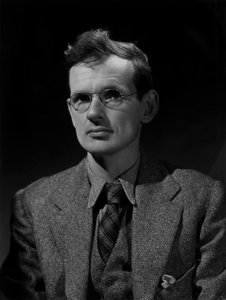
William D Dring
1904 - 1990
Trumpa informacija apie kūrėją
- Full Name: Dennis William Dring
- Nationality: British
- Date Of Birth: 1904
- Date Of Death: 1990
- Place Of Birth: Streatham, London
- Notable Artworks:
- Conversation in the Bar
- Distant View of Worcester
- Miss Elizabeth Bolton
- Artistic Movement Or Style: Portraiture, Landscape
- Artists Who Influenced This Artist: ['Henry Tonks']
- Artists Or Movements Influenced By This Artist:
- Royal Watercolour Society
- Royal Academy