

 Peržiūrėti realybėje
 Pasidalinti
 Dalintis
 Išsamiau

 Atsisiųsti
 Panašūs eksponatai
 Rentgeno nuotrauka
 Automatinė diorama
 Statistika
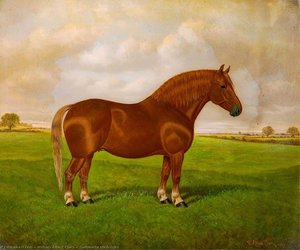
Sudbourne Moonlight
 1919
1919 50.0 x 60.0 cm
 Suffolk Punch Heavy Horse Museum
 Skaityti daugiau
Įsigykite aukštos skiriamosios raiškos, patobulintą skaitmeninį vaizdą, gerokai pranašesnį už internetinę peržiūrą.
Kiekvieną failą mūsų specialistai kruopščiai paruošia naudojant pažangias technologijas ir profesionalų rankinį retušavimą. Užtikriname, kad kiekvienas vaizdas pasižymėtų išskirtiniu aiškumu, tikslia spalvų atspalviu ir smulkiomis detalėmis.
Baigiamas failas el. paštu pristatomas per 72 valandas; jis optimizuotas nedelsiant naudojimui profesionalioje, redakcinėje ir spausdinimo aplinkoje. Tai ta pati kokybė, kuria pasitiki aukščiausios klasės dizaino studijos, leidyklos ir galerijos.
Skaitmeninis vaizdas
Atsisiųskite didelės raiškos failą asmeniniam naudojimui, spausdinimui ir kūrybiniams projektams. ( Perejti prie spausdinimo Pirkti rankomis tapytą paveikslą)
Kiekvieną skaitinio vaizdo užsakymą papildė
Profesionalus skaitmeninis pristatymas, garantuotas
Pasirinkę OriginalUniqueArt.com, jūs ne tik gaunate paveikslėlį – jūs gaunate profesionaliai patobudintą skaitmeninį kūrinį, sukurtą itin tikniai ir užtikrinantį pasitenkinimą. Štai viską, kas automatiškai pritékia jūsų užsakymui:

Greitas siuntimas el. paštu
Jūsų aukštos raiškos skaitmeninis vaizdo failas bus išsiųstas jums el. paštu per 72 valaudas nuo užsakymo – paruoštas naudojimui be jokių papildomų veiksmų.

Skaitmeninis failas su dirbtiniu intelektu
Jūsų meno kūrinys profesionaliai optimizuojamas naudojant pažangius dirbtinio intelekto įrankius ir rankinį redagavimą, užtikrinant maksimalią detalę, aiškumą ir spalvų tikslumą.

Nemokamas visam laikui pakartotinis siuntimas
Atsitiktinai ištrytikote ar praradote savo failą? Nebijokite – bet kuriuo metu atsiųsime jį jums vėl nemokamai.

Jokio importo mokesčio – niekada
Mėgaukitės savo meno kūriniu akimirka – skaitiniai failai visada yra neapmokestinami, todėl nereikės mokėti muitinės, mokesčių ar pristatymo mokesčių.

Spalvų tikslumo garantija
Naudodami profesionalią įrangą ir spalvų valdymo sistemas, užtikriname, kad jūsų skaitmeninis vaizdas kuo tiksliau atspindėtų originalias spalvas.

100 dienų patikimumo garantija
Jei nebuvosite patenkinti savo skaitmeniniu vaizdu, mes jį peržiūrėsime arba grąžinsime 100% sumą per 100 dienų – be jokių klausimų.

100% pinigų grąžinimo garantija
Nesitenkinate? Gaukite visą sumokėtą sumą per 100 dienų nuo skaitmeninio failo gavimo – be jokių papildomų klausimų.

Nuolaidos dideliems užsakymams
Pirkti 3 nuotraukas – pasiūla 10% - Pirkti 5 – pasiūla 15% - Pirkti 10 ir daugiau – pasiūla 20%. Puikiai tinka kūrybiniams projektams, galerijoms bei agentūroms.
Autoriaus biografija
A Legacy of Animal Portraiture: The Life and Art of William Albert Clark
In the annals of British animal painting, few names evoke the quiet dignity of the pastoral landscape quite like William Albert Clark. Born on January 3, 1880, in Islington, England, Clark was not merely an artist but a custodian of a profound familial tradition. He entered a world already steeped in the art of zoological portraiture, being the son of the esteemed animal painter Albert Clark and the grandson of the celebrated master of equine subjects. While his birth certificate recorded him as Albert William, he likely adopted the name William Albert to carve out a distinct identity from his father’s formidable shadow. This lineage, however, served as his greatest strength, providing him with an innate understanding of anatomy, temperament, and the subtle nuances of livestock that would define his lifelong devotion to the genre.
The essence of Clark’s work lies in its seamless marriage of meticulous realism and a soft, atmospheric charm reminiscent of the Victorian era. His early years were spent immersed in the study of movement and form, guided by the watchful eye of his father, James Clark. This upbringing instilled in him a deep reverence for the subjects he portrayed—not merely as specimens of livestock, but as living, breathing protagonists within their environments. As his style matured, Clark became a master of luminism, utilizing thin glazes of oil paint to capture the way light dances across a Highland cow’s coat or settles upon the muscular flank of a prize-winning bull. His canvases often breathe with a palpable sense of tranquility, where the subject and the landscape exist in a state of perfect, pastoral harmony.
Technique and the Art of the Pastoral
To observe a Clark original is to witness a masterclass in texture and tonal gradation. He possessed a rare ability to render the ruggedness of a Shorthorn bull or the soft, weathered hair of a Highland cow with such precision that the viewer can almost feel the tactile reality of the subject. His technique involved a sophisticated layering process, building depth through light that seems to emanate from within the canvas itself. This approach allowed him to move beyond simple documentation, imbuing his portraits with an evocative mood that transcends the mere depiction of animals.
His thematic range, while centered on the animal kingdom, frequently expanded into the broader narrative of British agricultural life. Through his brush, we see:
- Equine Grandeur: Carrying forward the family tradition of capturing horses, jockeys, and the rhythmic energy of carriages.
- Livestock Portraits: Detailed studies of celebrated breeds, such as the Lincoln Red Cow or the prize-winning Pretender, which served as both art and a tribute to agricultural excellence.
- Atmospheric Landscapes: The use of soft light and misty horizons to create a sense of timelessness and peace.
Historical Significance and Enduring Charm
Throughout his career, which spanned the late Victorian era into the mid-20th century, Clark’s reputation grew alongside his body of work. He became a sought-after artist for prominent landowners and breeders, individuals who recognized in his paintings a true reflection of their heritage and pride. His ability to capture the "soul" of an animal made his works highly collectible, as they offered more than just aesthetic beauty; they offered a connection to the land and the enduring traditions of the British countryside.
Though the world transitioned through periods of immense industrial and social change, Clark’s art remained a steadfast anchor to a more serene, pastoral past. He passed away in 1963, leaving behind a substantial legacy that continues to resonate with collectors of wildlife and classical realism. Today, his works stand as vital historical documents of an era when the bond between man, animal, and nature was captured with unparalleled grace and devotion. His paintings remain much more than mere portraits; they are windows into a lost world of quiet majesty and agricultural splendor.
william albert clark
1880 - 1963
Trumpai apie šį kūrėją
- Artistic Movement Or Style: Victorian Art
- Artists Or Movements Influenced By This Artist: ['Naive Animal Painting']
- Artists Who Influenced This Artist: ['James Clark']
- Date Of Death: 1963
- Full Name: William Albert Clark
- Nationality: British
- Notable Artworks:
- The Runaway Horse
- Breaking Loose
- Prize Jersey Cow
- Hawsker Rosina
- Place Of Birth: England