() ·

Jūsų paties, rankumių darbas

White oval

Rankų darbo aliejinės reprodukcijos

Rankiniu būdu tapytas aliejus ant droblio jūsų pageidaujamame dydį ir rėmuose – tai mūsų menininkų pagal užsakymą sukurtas darbas. ( Perjungti į spausdinamus版作品 Perejti prie skaitmeninių vaizdų)

Kolekcinio objekto aprašas

Experience Wassily Kandinsky's 'White Oval' – a vibrant abstract masterpiece! Explore its dynamic composition & emotional color palette, a cornerstone of modern art. Hand-painted reproduction available.

Autoriaus biografija

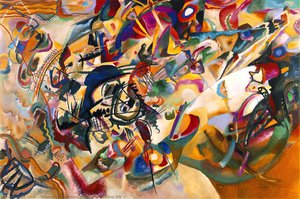
Vasilijus Kandinskis – revoliucija dailės pasaulyje! Žiūrėkite į spalvingą abstrakciją „Kompozicija IX“ ir atraskite meno dvasią bei Bauhaus istoriją.

nuo ·

1 skyrius

Kokio dydžio turėtų būti?

Slinkite, kad pakeistumėte dydį; kairėje pusėje esančiame paveikslėlyje rodomas tikrasis rėmo plotis. Originalios proporcijų išlaikomos.

Standartinis dydis
pagal užsakymą
CM
INCH

Pasirinkite iš mūsų nustatytų dydžių, atitinkančių originalaus meno kūrinio proporcijas.

plotis
aukštis

Įveskite jums reikiamą plotį ir aukštį, kad paveikslas atitiktų jūsų rėmą ar sieną. Kadangi šis darbas yra rankinio darbo, siekiant išgauti kitokios formos dydį, paveikslas gali būti šiek tiek didesnis (nuo kraštų bus palikta daugiau erdvės) arba mažesnis – pasirinkite jums patogiausią variantą. Prieš pradedant tapyti, atsiųsime jums skaitmeninį maketą patvirtinimui. Šioje puslapio nuotraukoje matomas vaizdas nėra galutinis rezultatas – jį parodys tik sukurtas maketas.

2 skyrius

Kokia būda yra siunčiamas?

Pasirinkite ištempto drobės kraštus

Pasirinkite rėmelį

Corner sample of the WhiteWrap canvas edge finish, stretched on solidus medžio

**Improved version:**
solidus medis bars
Baltas apasutojimas €1
Corner sample of the BlurSideWrap canvas edge finish, stretched on solidus medžio

**Improved version:**
solidus medis bars
Išblėstantis šonas €1
Corner sample of the ExtendedWrap canvas edge finish, stretched on solidus medžio

**Improved version:**
solidus medis bars
Išplėstinis €1
Corner sample of the P118B picture frame: lieto polistirolo detalės, 5 cm wide and 3 cm thick
P118B €10
Corner sample of the P118H picture frame: lieto polistirolo detalės, 5 cm wide and 3 cm thick
P118H €10
Corner sample of the P118W picture frame: lieto polistirolo detalės, 5 cm wide and 3 cm thick
P118W €10
Corner sample of the P438Z picture frame: lieto polistirolo detalės, 5.5 cm wide and 3.5 cm thick
P438Z €10
Corner sample of the P508JH picture frame: lieto polistirolo detalės, 7 cm wide and 3.5 cm thick
P508JH €12
Corner sample of the P508YH picture frame: lieto polistirolo detalės, 7 cm wide and 3.5 cm thick
P508YH €12
Corner sample of the P805H picture frame: lieto polistirolo detalės, 5 cm wide and 3.5 cm thick
P805H €10
Corner sample of the P805Z picture frame: lieto polistirolo detalės, 5 cm wide and 3.5 cm thick
P805Z €10
Corner sample of the P919BZ picture frame: lieto polistirolo detalės, 7 cm wide and 3.5 cm thick
P919BZ €10
Corner sample of the P919G picture frame: lieto polistirolo detalės, 7 cm wide and 3.5 cm thick
P919G €10
Corner sample of the P919XJ picture frame: lieto polistirolo detalės, 7 cm wide and 3.5 cm thick
P919XJ €10
Corner sample of the P959ZH picture frame: lieto polistirolo detalės, 5 cm wide and 3 cm thick
P959ZH €10
Corner sample of the P968JZ picture frame: lieto polistirolo detalės, 6 cm wide and 4 cm thick
P968JZ €12
Corner sample of the W106C picture frame: solidus medžio

**Improved version:**
solidus medis, 5 cm wide and 3 cm thick
W106C €8
Corner sample of the W218G picture frame: solidus medžio

**Improved version:**
solidus medis, 5 cm wide and 3 cm thick
W218G €10
Corner sample of the W218JH picture frame: solidus medžio

**Improved version:**
solidus medis, 5 cm wide and 3 cm thick
W218JH €8
Corner sample of the W218Y picture frame: solidus medžio

**Improved version:**
solidus medis, 5 cm wide and 3 cm thick
W218Y €10
Corner sample of the W307PJ picture frame: solidus medžio

**Improved version:**
solidus medis, 6 cm wide and 3 cm thick
W307PJ €10
Corner sample of the W316G picture frame: solidus medžio

**Improved version:**
solidus medis, 6 cm wide and 3 cm thick
W316G €10
Corner sample of the W316PJ picture frame: solidus medžio

**Improved version:**
solidus medis, 6 cm wide and 3 cm thick
W316PJ €8
Corner sample of the W316Y picture frame: solidus medžio

**Improved version:**
solidus medis, 6 cm wide and 3 cm thick
W316Y €10
Corner sample of the W398PJ picture frame: solidus medžio

**Improved version:**
solidus medis, 5 cm wide and 3 cm thick
W398PJ €8
Corner sample of the W4111J picture frame: solidus medžio

**Improved version:**
solidus medis, 6.5 cm wide and 3.5 cm thick
W4111J €10
Corner sample of the W500HY picture frame: solidus medžio

**Improved version:**
solidus medis, 7 cm wide and 5 cm thick
W500HY €15
Corner sample of the W500JH picture frame: solidus medžio

**Improved version:**
solidus medis, 7 cm wide and 5 cm thick
W500JH €15
Corner sample of the W692G picture frame: solidus medžio

**Improved version:**
solidus medis, 8 cm wide and 4 cm thick
W692G €12
Corner sample of the W849H picture frame: solidus medžio

**Improved version:**
solidus medis, 5 cm wide and 3 cm thick
W849H €8
Corner sample of the W940BG picture frame: solidus medžio

**Improved version:**
solidus medis, 7.5 cm wide and 4.5 cm thick
W940BG €15
Corner sample of the W953PJ picture frame: solidus medžio

**Improved version:**
solidus medis, 6 cm wide and 3.5 cm thick
W953PJ €8
Corner sample of the H24-GOLD picture frame: medžio skulptūra su gipso sluosniu, 10 cm wide and 6 cm thick
H24-GOLD €30
Corner sample of the H24-SILVER picture frame: medžio skulptūra su gipso sluosniu, 10 cm wide and 6 cm thick
H24-SILVER €30
Corner sample of the H36-GOLD picture frame: medžio skulptūra su gipso sluosniu, 15 cm wide and 6.5 cm thick
H36-GOLD €45
Corner sample of the H36-SILVER picture frame: medžio skulptūra su gipso sluosniu, 15 cm wide and 6.5 cm thick
H36-SILVER €45
Rėmo peržiūra
Įrėmintas

Rėmo apvadas: . Bendras dydis su rėmu: .

3 skyrius

Kas jį vaizduoja ir ar turėtų kažkas pasikeisti?

Pavyzdžiai, ką galima pakeisti: pakeisti veidą nuotrauka su klientu; pridėti augintinį (pvz., pakeisti kucingą šuniu); įtraukti paslaptingą žinutę fone; pakeisti fono kraštotvę ar elementus.
Gavus užsakymą, OriginalUniqueArt.com komanda susisieks su klientu el. paštu dėl nurodymų ir pateiks preliminarią maketą.

Pristatymas visame pasaulyje () per 3–4 savaites, o ne įprastai – per 5 savaites. (7 lapkritis). Kokybė lieka nepakeičiama.

4 skyrius

Paskutinės detalės

Pavadinimo plokštelė, kaip muziejuje?

Išgraviruotos bronzinės plokštelės detalės

This elegant plaque features the artist's name and the title of the artwork, finely engraved for a timeless presentation.

It is made from bronze with a refined, elegant finish. The text is precisely laser-engraved for a sharp and permanent result. Measuring 9x2 cm, the plaque is compact yet easy to read. It's built to be durable and scratch-resistant, offering a professional, museum-quality look. Mounting is simple thanks to the included adhesive backing.

Skaidrios akrilo plokštelės informacija

The plaque includes essential engraved details such as the artist's name, the title of the artwork, the date it was created, the type of media used-like oil on canvas or watercolor-a brief description of the piece, and a QR code that links to the complete artwork information.

It is crafted from clear acrylic, offering a sleek, modern appearance. The text is UV-engraved in black to ensure strong visual contrast. With a size of 10x15 cm, it ensures optimal readability. It comes equipped with two metal hooks for secure wall mounting. The plaque is designed to be weather-resistant, making it suitable for various environments, and it includes interactive features that work seamlessly with smartphone scanning.

Juodos akrilo plokštelės informacija

This elegant plaque includes engraved information such as the artist's name, the title of the artwork, the date it was created, the type of media used (like oil on canvas or watercolor), a short description of the artwork, and a QR code for quick access to more information.

The plaque itself is made from refined black acrylic with a premium finish. The text is laser-engraved in white for high contrast and readability. Its size is 10x15 cm, designed to be easy to read. It comes with two metal hooks for professional mounting. The design is sleek and fits any interior style. It is also weather-resistant and durable, with built-in digital integration for mobile compatibility.

Apsauginis lakas?

Kada jums reikia?

5 skyrius

Jūsų paveikslas, tiksliai taip, kaip užsakėte

White oval

Reprodukcijos technika

Reprodukcijos matmenys

-

Aukščiausios klasės meistras

Daugiau detalių, meistriškumo ir papildomo gamybos laiko

-

Reprodukcijos rėmėjimo parinktys

-

-

Dėl meno kūrinių ar reprodukcijų, kurių bet kuri pusė yra didesnė nei 105 cm (apie 41 inch), rėmas bus siunčiamas kaip išskaidytas surinkimo rinkinys. Šis metodas užtikrina saugų pristatymą ir apsaugo nuo transportavimo metu galimos žalos.

Reikalingas profesionalus surinkimas – tai nėra „pasidaryk pats“ (DIY) produktas.
Rinkinys turi būti surinktas, o drobė išplėsta naudojant patyrį profesionalų rėmininką, medžio klijus (nėra įtraukti į rinkinį), drobės plėšimo kleslę bei presas, kad rėmo rėžiai išliktų tiesūs, kol klijai išdžiūvus. Netinkamas surinkimas arba netolydus drobės įtampa gali negrįžtamai sugadinti meno kūrinį, todėl šie atvejai nėra užtraukiami mūsų garantijos.

  • Į komplektą įeina visi vientisos medienos elementai, tiksliai išpjauti pagal dydį.

  • Surmontinama naudojant pridėtus varžtus bei papildomai reikalingą medžio kliją kampų jungtims, kuris nėra pridėtas ir turi būti parinktas rėmininkui.

  • Reikalingi profesionalūs įrankiai, kurie nėra įtraukti į rinkinį: drobės kėlimo plytelės (stiprintuvai) ir klemiai, laikantys rėmo strygius tiesiu kampu, kol džiūsta lipas.

Svarbu:
Kampų jungtims reikalingi medžio klijai, barams reikia laikyti naudojant presas, kol klijai visiškai išdžiūvės, o surinktam rėmui įtempiamai privilgti būtinos drobės įtempimo plytযুক্ত. Šios priemonės į rinkinį neįtrauktos. Prieš užsakydami šio dydžio rinkinį, rekomenduojame pasimalkoti patyrusiu rėmų meistru.

Pavadinimo lentelė

-

-

Apsauginis lakas

Blizgus lakas (ryškina spalvas, saugo nuo šviesos ir drėgmės)

-

Personalizuoti kūrinį

Ką galima pakeisti (pavyzdžiui): pakeisti veidą klientui skirta nuotrauka; pridėti augintinį (pvz., katę pakeisti šuniu); įtraukti paslėptą žinutę fone; pakeisti fono kraštovaizdį ar elementus.

-

Skubiai

Pristatymas visame pasaulyje () per 3–4 savaites, o ne įprastai – per 5 savaites. (7 lapkritis). Kokybė lieka nepakeičiama.

-

Skubus pristatymas

Pristatymas visame pasaulyje () per 5 weeks. (14 lapkritis).

Įskaičiuota

Bendroji kaina

€ 268

Visos kainos suma € 268

Stiklo variantas prieinamas tik pasirinkus dydį iki 110 cm

Pridedama prie kiekvieno užsakymo

  • Nemokamas greitasis pristatymas visame pasaulyje
  • Aukštos kokybės lininis drobė
  • Pilnas siuntimo draudimas
  • Muitinės mokesčių grąžinimo garantija
  • Tikro spalvų atitikimo garantija
  • 100 dienų grąžinimo politika (tik esant įtaigoms)
  • 100% pinigų grąžinimo garantija
  • Nuolaida dideliems užsakymams

The Genesis of Abstraction: Unveiling ‘White Oval’ by Wassily Kandinsky

Wassily Kandinsky, a name synonymous with the birth of modern art, wasn't merely a painter; he was a visionary architect of feeling, translating inner experiences into vibrant visual languages. His journey from law student to revolutionary artist is as compelling as his artwork itself, and few pieces encapsulate this transformation more powerfully than ‘White Oval,’ created in 1919. This deceptively simple composition—a central white oval surrounded by a constellation of circles, lines, and splashes of color—represents a pivotal moment in Kandinsky’s exploration of abstraction, a deliberate rejection of representational art in favor of pure emotional expression. Born in Moscow in 1866, Kandinsky's early life was steeped in the traditions of Russian culture – his family history included connections to Mongolia and China – yet he felt an undeniable pull towards the burgeoning artistic movements of Europe. Witnessing Monet’s “Haystacks” ignited a profound shift within him, moving beyond mere depiction to capture the *essence* of color and its ability to evoke powerful sensations. ‘White Oval’ isn't just a painting; it’s a distillation of this evolving philosophy, a testament to Kandinsky’s belief that art could transcend the limitations of the visible world and tap directly into the realm of the soul.

A Symphony of Color and Form

The beauty of ‘White Oval’ lies not in its complexity, but in its carefully orchestrated simplicity. Measuring 80 x 93 cm, the canvas is dominated by a large, luminous white oval – a shape that immediately draws the eye, acting as an anchor within the swirling composition. Around this central element dance a multitude of smaller circles, varying in size and intensity, interspersed with dynamic lines. The palette itself is remarkably restrained yet profoundly expressive: vibrant reds, deep blues, sunny yellows, verdant greens, and fiery oranges coalesce to create an energetic atmosphere. Kandinsky’s use of color wasn't arbitrary; he meticulously studied the psychological effects of hues, believing that each shade possessed its own inherent emotional power. Red, for instance, represented passion and energy, while blue evoked feelings of tranquility and introspection. The painting is executed in oil on canvas, a medium that allowed Kandinsky to build up layers of color and texture, creating a rich, tactile surface. The brushstrokes are visible, adding a sense of immediacy and spontaneity to the work—a deliberate departure from the smooth, polished surfaces favored by many of his contemporaries.

The Spiritual Dimension: Influences and Intentions

Kandinsky’s artistic journey was deeply intertwined with spiritual ideas, particularly those influenced by Theosophy. He sought to create art that could awaken inner feelings and connect viewers to a higher consciousness. His seminal work, *Concerning the Spiritual in Art*, articulated this belief, arguing that color and form possessed an inherent spiritual significance. ‘White Oval’ embodies this philosophy perfectly; it's not simply a visual arrangement but a carefully constructed symbolic landscape designed to stimulate emotional response. The white oval itself can be interpreted as representing the “soul,” a blank canvas upon which the artist projects his inner world. The surrounding shapes and colors then act as symbols, each contributing to the overall composition of the painting’s spiritual narrative. Kandinsky's exploration of abstraction was not merely an aesthetic choice but a deeply personal quest for artistic truth—a desire to express what words could not capture.

Kandinsky’s Legacy: A Bridge Between Art and Emotion

‘White Oval’ stands as a cornerstone in the development of abstract art, profoundly influencing generations of artists who followed. It's a key example of Kandinsky’s early work during his time with the Expressionist movement, which emphasized subjective experience and emotional intensity. His exploration of color theory and its connection to human emotion paved the way for later movements like Fauvism and Surrealism. The painting’s influence extends beyond the art world; it has been cited as a source of inspiration for designers, architects, and even musicians. Reproductions of ‘White Oval,’ such as those offered by OriginalUniqueArt.com, provide an accessible gateway to this groundbreaking artwork, allowing viewers to experience Kandinsky's vision firsthand. To delve deeper into the life and work of Wassily Kandinsky, explore resources like OriginalUniqueArt.com, which offers detailed information about his artistic development and other notable pieces such as “Small dream in red” or “Red Oval.” His legacy continues to resonate today, reminding us that art can be a powerful tool for self-expression and spiritual exploration.

Klausimai ir atsakymai

Kokia „White oval“ – Vasilijus Kandinskis švytėjimo (luminance) intensyvumas?

„White oval“ – Vasilijus Kandinskis šviesos intensyvumas yra Šviesus pusiausvyzdis. Šviesos intensyvumas apibūdina, kiek šviesos, kaip atrodo, atspindi spalvos.

Kokia spausdinimo konfigūracija rekomenduojama kūriniui „White oval“ – Vasilijus Kandinskis?

Dėl „White oval“ rekomenduojamas spausdinimo nustatymas yra Vidutinis dydis dydžio ir Horizontalus formatas orientacijos.

Kokia pagrindinė spalva dominuoja kūrynije „White oval“ – Vasilijus Kandinskis?

Dominuojantis „White oval“ – Vasilijus Kandinskis atspalvis yra Nuo ochros iki sepijos.

Daugiau informacijos apie šį paveikslą

Peržiūrėti realaus dydžio版 Peržiūrėti AR realybėje Perjungti į spausdinamus版作品 Perejti prie skaitmeninių vaizdų Pasidalinti
Išsamiau Vadovas Pridėti į mėgstamiausius Atsisiųsti Panašūs eksponatai Rentgeno spindulių nuotrauka Automatinė diorama 问答 Statistika

Skaičiais

  • 1919metai, kai buvo nupiežta
  • 29pasirinkimo rėmai
  • standartinės dydžio, savo proporcijomis
  • 5savaitės sugryžti ir pristatyti
Vasilijus Kandinskis

Vasilijus Kandinskis

1866 - 1944, Rusija

Trumpa informacija apie Vasilijus Kandinskis

  • Artistic Movement Or Style: Abstrakti meno
  • Artists Or Movements Influenced By This Artist: ['Abstrakti ekspresionizmas']
  • Artists Who Influenced This Artist:
    • Claude Monet
    • Richard Wagner
  • Date Of Birth: 1866
  • Full Name: Wassily Wassilyevich Kandinsky
  • Nationality: Rusijoje
  • Notable Artworks: ['Murnau su aromatu']
  • Place Of Birth: Maskova, Rusija

Autoriaus biografija

A Life Immersed in Color and Spirit

Wassily Wassilyevich Kandinsky, born December 4, 1866, in Moscow, Russia, was a revolutionary figure who irrevocably altered the course of modern art. His journey wasn’t one of immediate artistic calling; initially destined for a career in law and economics at the University of Moscow, it was a profound encounter with Impressionist painting – specifically Claude Monet's “Haystacks” – and a deeply moving experience witnessing Wagner’s opera "Lohengrin" that ignited within him an irrepressible desire to pursue art. This pivotal moment, occurring around age thirty, marked not merely a career change but a complete transformation of perspective, setting him on a path toward pioneering abstraction. He soon relocated to Munich, enrolling at the prestigious Academy of Fine Arts and studying under Franz von Stuck, though even within formal training, Kandinsky’s spirit yearned for exploration beyond conventional boundaries. Early influences included Russian folk art, gleaned from an ethnographic expedition to the Vologda region in 1889, which instilled a fascination with vibrant color palettes and symbolic imagery. This foundation would prove crucial as he began to develop his unique artistic language. These early explorations weren’t simply about aesthetic preference; they were rooted in a deep cultural connection and a burgeoning understanding of how art could communicate beyond the literal. He experimented with landscapes and portraits, demonstrating considerable skill but always feeling constrained by representational limitations.

The Dawn of Abstraction: From Expressionism to Inner Necessity

Kandinsky’s early works reveal a strong expressionistic bent, characterized by bold colors and emotional intensity – pieces like “Papeln (Poplars)” from 1902 exemplify this period. However, he wasn't content with merely representing the external world; he sought to express inner realities, spiritual truths that transcended mere visual depiction. This quest led him gradually away from representational art and toward a revolutionary exploration of color, form, and their emotional resonance. He believed that colors possessed inherent psychological effects, capable of evoking specific feelings and sensations in the viewer. This conviction was deeply intertwined with his burgeoning interest in Theosophy, a spiritual movement emphasizing esoteric knowledge and universal brotherhood. As he delved deeper into these ideas, Kandinsky’s paintings became increasingly non-objective, shedding recognizable forms in favor of abstract compositions driven by an “inner necessity.” This wasn't simply about abandoning representation; it was about discovering a new visual language capable of expressing the intangible realms of emotion and spirituality. He sought to create a visual equivalent of music, where color and form harmonized to evoke profound emotional responses. He began to experiment with landscapes and portraits, demonstrating considerable skill but always feeling constrained by representational limitations. His conviction that colors possessed inherent psychological effects, capable of evoking specific feelings and sensations in the viewer. This conviction was deeply intertwined with his burgeoning interest in Theosophy, a spiritual movement emphasizing esoteric knowledge and universal brotherhood. As he delved deeper into these ideas, Kandinsky’s paintings became increasingly non-objective, shedding recognizable forms in favor of abstract compositions driven by an “inner necessity.” This wasn't simply about abandoning representation; it was about discovering a new visual language capable of expressing the intangible realms of emotion and spirituality. He sought to create a visual equivalent of music, where color and form harmonized to evoke profound emotional responses.

Geometric Harmony and Spiritual Resonance

The period following his involvement with the influential artist group Der Blaue Reiter (The Blue Rider), which he co-founded in Munich in 1911, saw a further evolution in Kandinsky’s style. While earlier works often featured fluid, organic shapes, he began to explore geometric abstraction, focusing on the interplay of circles, triangles, and squares. “Several Circles” (140 x 140 cm) stands as a prime example of this phase – a dynamic composition where color and form interact in a harmonious yet energetic dance. He believed that colors possessed inherent psychological effects, capable of evoking specific feelings and sensations in the viewer. This conviction was deeply intertwined with his burgeoning interest in Theosophy, a spiritual movement emphasizing esoteric knowledge and universal brotherhood. As he delved deeper into these ideas, Kandinsky’s paintings became increasingly non-objective, shedding recognizable forms in favor of abstract compositions driven by an “inner necessity.” This wasn't simply about abandoning representation; it was about discovering a new visual language capable of expressing the intangible realms of emotion and spirituality. He sought to create a visual equivalent of music, where color and form harmonized to evoke profound emotional responses. He experimented with landscapes and portraits, demonstrating considerable skill but always feeling constrained by representational limitations. His conviction that colors possessed inherent psychological effects, capable of evoking specific feelings and sensations in the viewer. This conviction was deeply intertwined with his burgeoning interest in Theosophy, a spiritual movement emphasizing esoteric knowledge and universal brotherhood. As he delved deeper into these ideas, Kandinsky’s paintings became increasingly non-objective, shedding recognizable forms in favor of abstract compositions driven by an “inner necessity.” This wasn't simply about abandoning representation; it was about discovering a new visual language capable of expressing the intangible realms of emotion and spirituality. He sought to create a visual equivalent of music, where color and form harmonized to evoke profound emotional responses.

Bauhaus Influence and Lasting Legacy

The outbreak of World War I forced Kandinsky's return to Russia in 1914, but following the Russian Revolution, he found himself increasingly at odds with the prevailing artistic climate. In 1920, he accepted a teaching position at the Bauhaus school in Germany, where he profoundly influenced generations of artists with his theories on color, form, and abstraction. The Bauhaus provided an ideal environment for Kandinsky to further develop his ideas and explore new creative avenues. He experimented with landscapes and portraits, demonstrating considerable skill but always feeling constrained by representational limitations. His conviction that colors possessed inherent psychological effects, capable of evoking specific feelings and sensations in the viewer. This conviction was deeply intertwined with his burgeoning interest in Theosophy, a spiritual movement emphasizing esoteric knowledge and universal brotherhood. As he delved deeper into these ideas, Kandinsky’s paintings became increasingly non-objective, shedding recognizable forms in favor of abstract compositions driven by an “inner necessity.” This wasn't simply about abandoning representation; it was about discovering a new visual language capable of expressing the intangible realms of emotion and spirituality. He sought to create a visual equivalent of music, where color and form harmonized to evoke profound emotional responses. He experimented with landscapes and portraits, demonstrating considerable skill but always feeling constrained by representational limitations. His conviction that colors possessed inherent psychological effects, capable of evoking specific feelings and sensations in the viewer. This conviction was deeply intertwined with his burgeoning interest in Theosophy, a spiritual movement emphasizing esoteric knowledge and universal brotherhood. As he delved deeper into these ideas, Kandinsky’s paintings became increasingly non-objective, shedding recognizable forms in favor of abstract compositions driven by an “inner necessity.” This wasn't simply about abandoning representation; it was about discovering a new visual language capable of expressing the intangible realms of emotion and spirituality. He sought to create a visual equivalent of music, where color and form harmonized to evoke profound emotional responses. Kandinsky’s exploration of color, form, and spirituality continues to inspire artists today, solidifying his place as one of the most important figures in 20th-century art history. He didn't just paint pictures; he painted emotions, ideas, and the very essence of the human spirit.