
 Peržiūrėti realaus dydžio版
 Pasidalinti
 Dalintis
 Išsamiau
 Vadovas

 Atsisiųsti
 Panašūs eksponatai
 Rentgeno spindulių nuotrauka
 Automatinė diorama
 问答
问答 Statistika
Karachi III

- 34.0 x 20.0 cm


 Skaityti daugiau
Šiame puslapyje rodomas meno kūrinys yra saugomas autorių teisių įstatymais, todėl neturime teisės legaliai kurti ar parduoti jo identiškos reprodukcijos. Ši apsauga užtikrinama remiantis tokiais tarptautiniais susitarimais kaip Bernės konvencija ir pagal nacionalines įstatymų nuostatas, įskaitant tas, kurias nurodo JAV autoriškos teisės įstatymas – 17-asis skyrius.
Šis metodas visiškai atitinka autorių teises, nes jame nėra saugomo kūrinio kopijavimo ar dubliavimo. Tai yra kūrybinė reinterpretacija – naujas paveikslas, kurį įkvėpė originalas, tačiau kuris nėra jo identiškas.
Giclée / Meno spausdinimas
Muziejų lygio „giclée“ arba drobos spausdinimas: greita gamyba ir lankstios apdailos parinktys. ( Pirkti rankų darbo tapybą Perejti prie skaitmeninių vaizdų)




P118B €10

P118H €10

P118W €10

P438Z €10

P508JH €12

P508YH €12

P805H €10

P805Z €10

P919BZ €10

P919G €10

P919XJ €10

P959ZH €10

P968JZ €12

W106C €8

W218G €10

W218JH €8

W218Y €10

W307PJ €10

W316G €10

W316PJ €8

W316Y €10

W398PJ €8

W4111J €10

W500HY €15

W500JH €15

W692G €12

W849H €8

W940BG €15

W953PJ €8




Pasirinkite iš mūsų nustatytų dydžių, atitinkančių originalaus meno kūrinio proporcijas.

Įveskite jums reikiamą plotį ir aukštį, kad atvaizdas derėtų prie jūsų rėmo ar sienos. Spausdiną galima tik sumažinti, bet nepadidinti virš originalaus paveikslėlio dydžio, todėl keičiant proporcijas, dalis vaizdo prarandama. Prieš spausdinimą atsiųsime jums skaitmeninį maketą patvirtinimui. Šioje puslapio nuotraukoje matomas pjūvis nėra tikslus – jį rodo tik maketas.
Pristatymas visame pasaulyje () per 2 weeks, o ne įprastas 4/5 savaičių laikotarpis. (8 lapkritis)

Nemokamas greitasis pristatymas visame pasaulyje

Aukštos kokybės lininis drobė

Pilnas siuntimo draudimas

Muitinės mokesčių grąžinimo garantija

Tikro spalvų atitikimo garantija

100 dienų grąžinimo politika (tik esant įtaigoms)

100% pinigų grąžinimo garantija

Nuolaida dideliems užsakymams
 Stiklo variantas prieinamas tik pasirinkus dydį iki 110 cm

Karachi III
Giclée / Meno spausdinimas
Reprodukcijos matmenys
-


Bendroji kaina
€ 72
A Tapestry of Memory and Architecture
In the delicate, intricate world of Waseem Ahmed’s Karachi III, the viewer is invited into a space where history and architecture collide with profound emotional weight. Created in 2015, this miniature masterpiece serves as more than just a depiction of structural forms; it is a haunting meditation on displacement and the enduring presence of the past. The painting presents a striking composition of stone-like buildings crowned by domes, set against a visceral, saturated red background that commands immediate attention. This crimson expanse does not merely serve as a backdrop but acts as an atmospheric force, suggesting themes of passion, conflict, or perhaps the blood-stained memories of a migratory history. Through the careful arrangement of two prominent domes and secondary structures, Ahmed creates a sense of depth that pulls the eye into a complex, layered landscape where every architectural detail feels heavy with significance.
The artist’s technique is a masterful bridge between the ancient traditions of Pakistani miniature painting and the urgent language of contemporary art. Ahmed utilizes the meticulous precision characteristic of the Mughal tradition to render the sturdy, weathered textures of the buildings, yet he disrupts this classical serenity with experimental flourishes. The inclusion of subtle gold leaf or decorative elements adds an unexpected touch of elegance and light, catching the eye and providing a shimmering contrast to the somber, earthy tones of the masonry. This interplay between the matte surfaces of the stone and the reflective brilliance of the gold creates a tactile quality that makes the work feel alive, inviting collectors and designers alike to appreciate the physical craftsmanship inherent in this reproduction.
Symbolism and the Weight of History
To understand Karachi III is to understand the biography of Waseem Ahmed himself. Born into a Muhajir family that experienced the trauma of migration following the Partition, Ahmed uses the miniature format—a medium traditionally used for courtly elegance—to portray subjects of deep political and personal pain. The architecture in this piece functions as a symbol of permanence and fragility; while the stone structures appear resolute, their placement within such an intense, monochromatic environment suggests a vulnerability to the tides of time and political upheaval. The domes, iconic symbols of religious and cultural identity, are rendered with a precision that honors tradition while simultaneously questioning whether the scars of history can ever truly heal.
For the discerning art lover or interior designer, this piece offers a sophisticated focal point that transcends mere decoration. It is an intellectual conversation piece, perfect for spaces that value depth, narrative, and cultural resonance. The painting’s ability to blend the delicate with the monumental makes it an ideal acquisition for those seeking to introduce a sense of contemplative luxury into a modern setting. Whether displayed in a private gallery or as part of a curated collection, Karachi III remains a powerful testament to the resilience of the human spirit and the enduring power of art to transform historical trauma into breathtaking beauty.
Klausimai ir atsakymai
Kuriem metais buvo sukurta „Karachi III“ – Waseem Ahmed?
„Karachi III“ sukurta 2015 m. Ši data leidžia įvardyti kūrinį Waseem Ahmed kūrybinėje karjeroje bei jo epochoje.
Kaip emocijos ir dovanojimo proga susilieja su kūryiniu darbu „Karachi III“ – Waseem Ahmed?
Somber kūrinio „„Karachi III“ – Waseem Ahmed“ nuotaika dera su jo rekomenduojama progia: Corporate Gift.
Ar „Karachi III“ – Waseem Ahmed, esąį ILHAM Gallery, galima legaliai reprodukcijaoti?
„Karachi III“ – Waseem Ahmed autoriškos teisės statusas yra aiškus: kūrinys priklauso vis dar saugoma autorineje teisėje. Jo buvimas ILHAM Gallery šio statuso nekeičia.
Autoriaus biografija
Waseem Ahmed: Bridging Tradition and Innovation in Miniature Painting
Waseem Ahmed (born 1976 in Hyderabad, Pakistan) stands as a prominent figure within the contemporary miniature painting landscape of Pakistan. His artistic journey began with a Bachelor’s degree in Fine Arts from University of Sindh followed by another focused exploration into the intricate art form of miniature painting at National College of Arts Lahore—a foundation that profoundly shaped his distinctive style and worldview.
- Early Influences: Ahmed's artistic sensibilities were nurtured within a Muhajir family tradition, deeply rooted in migration from India following Partition. This formative experience instilled a sensitivity to displacement and resilience – themes that would later permeate his artwork.
- Formal Training & Technique: Recognizing the importance of mastering foundational skills, he pursued a Bachelor’s degree in Miniature Painting at National College of Arts Lahore where he honed his craft utilizing traditional techniques like gouache and gold leaf on wasli paper alongside experimental explorations.
- Academic Career: Since 2001, Ahmed has served as Visiting Assistant Professor at the Miniature Painting Department of National College of Arts, fostering a new generation of artists while maintaining an unwavering dedication to preserving and innovating upon classical traditions.
Ahmed’s artistic vision transcends mere replication; he seeks to engage with complex social, political, and cultural narratives. His vocabulary draws inspiration from both Asian and European art history and mythology—a deliberate juxtaposition that encourages viewers to contemplate multifaceted perspectives.
His works often depict scenes imbued with symbolic resonance – animals representing spiritual concepts, bearded men embodying wisdom and authority, and surfaces bearing traces of violence or contemplation. These elements converge to create layered meanings that invite introspection and challenge conventional interpretations.
Notable Achievements & Artistic Style
Ahmed’s artistic style is characterized by meticulous detail and a masterful command of color—particularly the use of gold leaf and silver leaf on wasli paper, techniques rooted in Mughal painting history. This stylistic choice isn't simply nostalgic; it represents a conscious effort to honor heritage while simultaneously pushing boundaries.
- The Humboldt Lab Dahlem Project: A pivotal moment in Ahmed’s career arrived with his participation in the Humboldt Lab Dahlem project, where he collaborated with the Museum für Asiatische Kunst in Berlin. This residency spurred him to create a new body of work—a dialogue between traditional miniature techniques and contemporary artistic experimentation.
- Retrospective Exhibition: His retrospective at the Museum für Asiatische Kunst in 2014–2015 solidified his reputation as a visionary artist, showcasing a comprehensive collection of paintings that reflected his stylistic evolution and thematic preoccupations.
- Recognition & Awards: Ahmed’s work has garnered international acclaim—displayed in institutions such as the British Museum and recognized with prestigious awards like Tamgha-e-Imtiaz for excellence in art.
Exploring Recurring Themes & Symbolism
Ahmed consistently tackles pressing social issues—conflict, displacement, and cultural identity—through his miniature paintings. His imagery is rich in symbolism, drawing upon archetypal figures and motifs from Asian and European traditions.
- Mythological References: Recurring references to mythology—particularly depictions of animals and bearded men—serve as conduits for conveying spiritual ideas and exploring universal human experiences.
- Social Commentary: Ahmed’s paintings often critique societal injustices and inequalities, prompting viewers to confront uncomfortable truths about the human condition.
- Experimental Techniques: Alongside traditional methods, Ahmed incorporates innovative approaches—such as layering textures and manipulating color palettes—to amplify his artistic message and engage audiences on a visceral level.
Selected Works & Exhibitions
Ahmed’s oeuvre encompasses a diverse range of subjects—from landscapes to portraits to narratives inspired by folklore—each meticulously rendered in miniature scale.
- “Untitled (Myth and Realities Series)” – Demonstrates Ahmed's ability to synthesize disparate influences into cohesive artistic statements.
- “Karachi III” – Represents a significant contribution to the vibrant Karachi art scene, showcasing Ahmed’s commitment to documenting urban life and cultural heritage.
- Collaborations & Residencies: His involvement in collaborative projects—such as “Maria Waseem & Waseem Ahmed”—highlights his openness to artistic dialogue and expands his creative horizons.
Waseem Ahmed’s enduring legacy rests on his unwavering dedication to preserving the traditions of miniature painting while simultaneously embracing innovation—a testament to his artistry and a beacon for future generations of Pakistani artists.
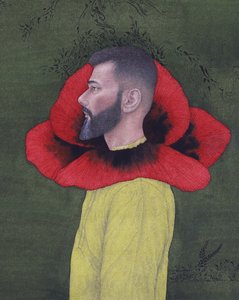
Waseem Ahmed
1976 - , Pakistan
Trumpa informacija
- Full Name: Waseem Ahmed
- Nationality: Pakistani
- Date Of Birth: 1976
- Place Of Birth: Hyderabad, Pakistan
- Notable Artworks:
- Untitled (Myth and Realities Series)
- Karachi III
- Artistic Movement Or Style: Miniature Painting
- Artists Or Movements Influenced By This Artist: ['Traditional Miniature']
Susiję straipsniai

Golden Glow: How to Use Metallic Gold Artworks to Elevate Your Home Decor with Timeless Luxury
Discover how to elevate your home with the timeless elegance of metallic gold artworks. From sculptural metal pieces to gilded oil paintings, learn expert interior design tips for integrating luxurious gold accents into your space with sophistication and grace.
The Allure of Gold in Art History: Symbolism, Technique & Cultural Significance
Explore the rich history of gold in art! Discover symbolism, techniques & cultural significance from ancient civilizations to Klimt's masterpieces. Expert insights for collectors at OriginalUniqueArt.
The Sacred Glow: Mastering Gold Leaf and Gilding in Byzantine Art
Explore the divine mastery of Byzantine gold leaf and gilding. Discover how ancient artisans used gold ground and mosaics to create celestial light, a timeless legacy of spiritual splendor and technical excellence in sacred art history.
Golden Splendor: An Editorial Journey Through Art's Most Radiant Masterpieces
Embark on a visual journey through the world's most radiant masterpieces. Discover how gold leaf, impasto textures, and gilded tones define luxury in fine art, from Byzantine icons to modern abstracts. Explore the eternal allure of gold in curated, museum-quality art collections.

Golden Masterpieces: 10 Paintings That Define Art History | OriginalUniqueArt
Explore 10 breathtaking paintings where gold leaf shines! From Klimt to Byzantine icons, discover art history’s most gilded masterpieces. Find museum-quality reproductions & elevate your home decor with OriginalUniqueArt. Explore the full collection online.