
 Peržiūrėti realybėje
 Pasidalinti
 Dalintis
 Išsamiau

 Atsisiųsti
 Panašūs eksponatai
 Rentgeno nuotrauka
 Automatinė diorama
Pants\n\nPants


 Skaityti daugiau
Įsigykite aukštos skiriamosios raiškos, patobulintą skaitmeninį vaizdą, gerokai pranašesnį už internetinę peržiūrą.
Kiekvieną failą mūsų specialistai kruopščiai paruošia naudojant pažangias technologijas ir profesionalų rankinį retušavimą. Užtikriname, kad kiekvienas vaizdas pasižymėtų išskirtiniu aiškumu, tikslia spalvų atspalviu ir smulkiomis detalėmis.
Baigiamas failas el. paštu pristatomas per 72 valandas; jis optimizuotas nedelsiant naudojimui profesionalioje, redakcinėje ir spausdinimo aplinkoje. Tai ta pati kokybė, kuria pasitiki aukščiausios klasės dizaino studijos, leidyklos ir galerijos.
Skaitmeninis vaizdas
Atsisiųskite didelės raiškos failą asmeniniam naudojimui, spausdinimui ir kūrybiniams projektams. ( Pirkti spaudinį Pirkti rankomis tapytą paveikslą)
Kiekvieną skaitinio vaizdo užsakymą papildė
Profesionalus skaitmeninis pristatymas, garantuotas
Pasirinkę OriginalUniqueArt.com, jūs ne tik gaunate paveikslėlį – jūs gaunate profesionaliai patobudintą skaitmeninį kūrinį, sukurtą itin tikniai ir užtikrinantį pasitenkinimą. Štai viską, kas automatiškai pritékia jūsų užsakymui:

Greitas siuntimas el. paštu
Jūsų aukštos raiškos skaitmeninis vaizdo failas bus išsiųstas jums el. paštu per 72 valaudas nuo užsakymo – paruoštas naudojimui be jokių papildomų veiksmų.

Skaitmeninis failas su dirbtiniu intelektu
Jūsų meno kūrinys profesionaliai optimizuojamas naudojant pažangius dirbtinio intelekto įrankius ir rankinį redagavimą, užtikrinant maksimalią detalę, aiškumą ir spalvų tikslumą.

Nemokamas visam laikui pakartotinis siuntimas
Atsitiktinai ištrytikote ar praradote savo failą? Nebijokite – bet kuriuo metu atsiųsime jį jums vėl nemokamai.

Jokio importo mokesčio – niekada
Mėgaukitės savo meno kūriniu akimirka – skaitiniai failai visada yra neapmokestinami, todėl nereikės mokėti muitinės, mokesčių ar pristatymo mokesčių.

Spalvų tikslumo garantija
Naudodami profesionalią įrangą ir spalvų valdymo sistemas, užtikriname, kad jūsų skaitmeninis vaizdas kuo tiksliau atspindėtų originalias spalvas.

60 dienų pasitenkinimo garantija
Jei nebuvate patenkinti savo skaitinio vaizdo, per 60 dienų jį pertaisysime arba grąkinsime 100% sumą – be jokių klausimų.

100% pinigų grąžinimo garantija
Nepat 만족inti? Gaukite visą sumokėtą sumą per 60 dienų nuo skaitmeninio failo gavimo – be jokių papildomų klausimų.

Nuolaidos dideliems užsakymams
Pirkti 3 nuotraukas – pasiūla 10% - Pirkti 5 – pasiūla 15% - Pirkti 10 ir daugiau – pasiūla 20%. Puikiai tinka kūrybiniams projektams, galerijoms bei agentūroms.
Kolekcinio objekto aprašymas
The Geometry of Tropical Light: Waldemar Cordeiro’s “Pants”
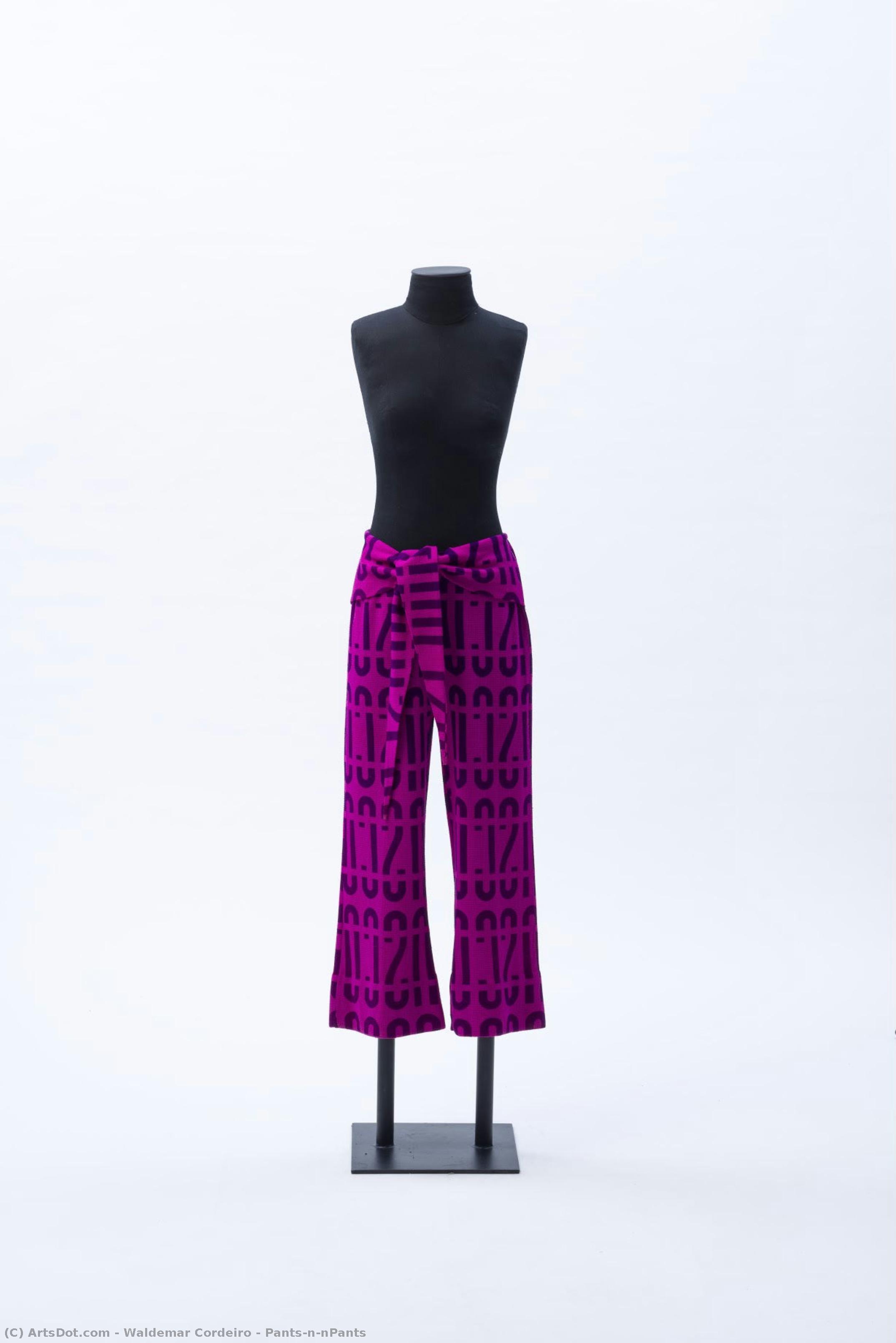
Waldemar Cordeiro's "Pants," a pivotal work from 1960, isn’t merely a depiction of clothing; it’s an immersion into the heart of Brazilian Concrete Art and a testament to the artist’s pioneering exploration of digital art. Created during a vibrant period of artistic experimentation in São Paulo, this piece embodies Cordeiro's radical shift away from representational painting towards a purely abstract language built on geometric forms and color relationships. It represents a crucial bridge between his early figurative work and his later explorations with computer technology, solidifying his position as a visionary figure in the development of modern Brazilian art.
A Concrete Vision: The Roots of the Work
Cordeiro’s artistic journey began within the burgeoning Concrete Art movement, a group that sought to dismantle traditional notions of painting and embrace a new aesthetic rooted in geometric abstraction. Influenced by artists like Josef Jarema and Enrico Prampolini in Europe, Cordeiro, along with other Brazilian artists, rejected illusionistic representation in favor of works that existed as self-contained objects – sculptures of color and form. This movement was deeply intertwined with broader social and political currents, reflecting a desire to create art accessible to all, unburdened by the elitism often associated with traditional artistic institutions. His involvement with Grupo Ruptura, a São Paulo-based collective pushing for avant-garde innovation, further solidified his commitment to this radical approach.
The Language of Form: Technique and Composition
"Pants" showcases Cordeiro’s masterful manipulation of color and line. The dominant purple hue is not a single shade but a complex layering of pinks, whites, and darker tones, creating an illusion of depth and movement within the flat plane of the canvas. The repeating geometric patterns – likely inspired by the morphology of Brazilian flora, as Cordeiro was deeply interested in botanical studies at the time – generate a dynamic rhythm that draws the eye across the surface. The stark contrast between the patterned fabric and the clean white background amplifies the vibrancy of the colors and emphasizes the precision of the design. The composition is deliberately balanced, yet subtly asymmetrical, contributing to the work’s overall sense of visual harmony.
Symbolism and Emotional Resonance
Beyond its purely formal qualities, “Pants” carries a subtle symbolic weight. The garment itself – a fundamental element of human existence – becomes an object of pure abstraction, divorced from its practical function. This deliberate displacement invites contemplation on the nature of representation and the relationship between form and meaning. The use of bold colors evokes feelings of energy, optimism, and perhaps even a hint of tropical exuberance, reflecting the vibrant cultural landscape of Brazil in the 1960s. The piece’s exploration of geometric forms also speaks to a desire for order and clarity within an increasingly complex world – a characteristic that aligns with the principles of Concrete Art.
A Legacy in Digital Innovation
Cordeiro's work wasn't confined to canvas. In the late 1960s, he pioneered the use of computer technology in art, collaborating with physicist Giorgio Moscati to create digital graphics on an IBM 360/44 mainframe. This marked a significant step towards the development of computer art as a distinct artistic medium. “Pants,” therefore, serves as a crucial link between his early abstract paintings and his later explorations into the possibilities of digital creation – a testament to his enduring vision and pioneering spirit.
Autoriaus biografija
Waldemar Cordeiro: A Pioneer of Brazilian Concrete Art
- Born: Recife, Brazil (1924)
- Died: 1973
Waldemar Cordeiro was a significant figure in the Brazilian art scene, recognized as both an influential artist and a compelling art critic. Born in Recife, Brazil, in 1924, he tragically passed away in 1973. His legacy is deeply intertwined with the Concrete Art movement in Latin America, where he played a pivotal role in shaping the artistic landscape of his country.
Early Life and Career: From Computer Art to Grupo Ruptura
Cordeiro's career began with an innovative foray into computer art – a groundbreaking pursuit for its time. He was among the first artists to experiment with this emerging medium, establishing himself as a pioneer in the field. His involvement with Grupo Ruptura proved crucial in his artistic development. This group of artists aimed to advance modern art in Brazil and became instrumental in fostering the Concrete Art movement.
Artistic Style and Contributions: Geometry, Color, and Conceptual Rigor
Cordeiro’s artistic style is characterized by a distinct use of strong geometric shapes and bold colors. His work reflects a commitment to creating objects that exist independently of representational imagery, aligning with the core principles of Concrete Art. He collaborated with other notable artists like Carlos Alberto Zilio, another prominent figure in Brazilian Concrete Art. Some of his most recognized works are displayed at the Museu de Valores do Banco Central do Brasil in Brasília. His paintings often feature alongside works by Amílcar Augusto Pereira de Castro, known for his contributions to the neo-constructivist movement.
The Concrete Art Movement and Key Influences
Cordeiro’s dedication to Grupo Ruptura directly contributed to the development of the Concrete Art movement. This movement emphasized creating works that exist as objects rather than representations of reality, prioritizing pure form and geometric abstraction. His theoretical writings significantly shaped the philosophy behind this movement. He was influenced by Max Bill's Concrete Art concepts and Visual Gestalt principles. Cordeiro’s work also reflects a Marxist political perspective, believing art should be accessible to all and rejecting “art for art’s sake.”
Legacy and Impact: A Lasting Influence on Brazilian Art
Waldemar Cordeiro's legacy continues to resonate within the art world. His contributions to Concrete Art have inspired generations of artists, and his work stands as a testament to innovation and experimentation. Institutions like the Museu de Valores do Banco Central do Brasil and the São Paulo Museum of Modern Art recognize his significant impact. Beyond painting, he was also a landscape designer, creating sculptural gardens and public spaces that disseminated modern architecture and landscaping throughout Brazil. His pioneering use of computers in art, known as Arteonica, further solidified his place as a visionary artist who pushed the boundaries of artistic expression.

Waldemar Cordeiro
1924 - 1973 , Brazil
Trumpai apie šį kūrėją
- Artistic Movement Or Style: Concrete Art, Computer Art
- Artists Or Movements Influenced By This Artist: ['Décio Vieira de Morais']
- Artists Who Influenced This Artist: ['Max Bill']
- Date Of Birth: April 12, 1924
- Date Of Death: June 30, 1973
- Full Name: Waldemar Cordeiro
- Nationality: Brazilian, Italian
- Notable Artworks:
- Sem título
- Pants\n\nPants
- Place Of Birth: Recife, Brazil

