

 Peržiūrėti realybėje
 Pasidalinti
 Dalintis
 Išsamiau

 Atsisiųsti
 Panašūs eksponatai
 Rentgeno nuotrauka
 Automatinė diorama
 Statistika
St Stephen is Consecrated Deacon
 Acrylic On Canvas
- WallArt
- Venetian Renaissance
 1511
1511 148.0 x 231.0 cm
 Staatliche Museen zu Berlin
 Skaityti daugiau
Giclée / Meno spausdinimas
Muziejų lygio „giclée“ arba drobos spausdinimas: greita gamyba ir lankstios apdailos parinktys. ( Pirkti rankomis tapytą paveikslą Perejti prie skaitmeninio vaizdo)




P118B $10

P118H $10

P118W $10

P438Z $10

P508JH $12

P508YH $12

P805H $10

P805Z $10

P919BZ $10

P919G $10

P919XJ $10

P959ZH $10

P968JZ $12

W106C $8

W218G $10

W218JH $8

W218Y $10

W307PJ $10

W316G $10

W316PJ $8

W316Y $10

W398PJ $8

W4111J $10

W500HY $15

W500JH $15

W692G $12

W849H $8

W940BG $15

W953PJ $8




Pasirinkite iš mūsų nustatytų dydžių, atitinkančių originalaus meno kūrinio proporcijas.

Galite nurodyti savo matmenis, kad vaizdas atitiktų konkretų rėmą ar erdvę. Jei pasirinktas dydis nesutaps su originalaus paveikslėlio proporcijomis, mes arba apkirpsime kūrinį, arba išplėsime vaizdą naudojant veideliu atspindėtą arba vientisą šoną. Skaitmeninis maketas bus išsiųstas jums patvirtinti prieš pradedant gamybą.
Atkreipkite dėmesį, kad ekrane matomas vaizdinys neatspindi tikrojo apkirpimo ar išplėtimo. Tik maketas tiksliai parodytų galutinę kompoziciją.
Nors galima rinktis ir individualius dydžius, rekomenduojame pasirinkti vieną iš išanksti nustatytų matmenų, kad būtų išlaikytos originalios proporcijos.
Pristatymas visame pasaulyje () per 2 weeks, o ne įprastas 4/5 savaičių laikotarpis. (15 rugsėjis)

Nemokamas greitasis pristatymas visame pasaulyje

Aukštos kokybės lininis drobė

Pilnas siuntimo draudimas

Muitinės mokesčių grąžinimo garantija

Tikro spalvų atitikimo garantija

100 dienų grąžinimo politika (tik esant įtaigoms)

100% pinigų grąžinimo garantija

Nuolaida už kelias reprodukcijas
 Stiklo variantas prieinamas tik pasirinkus dydį iki 110 cm

St Stephen is Consecrated Deacon
Giclée / Meno spausdinimas
Reprodukcijos matmenys
-


Galutinė kaina
$ 80
The Sacred Narrative of Vittore Carpaccio’s “St Stephen is Consecrated Deacon”
Vittore Carpaccio's "St Stephen is Consecrated Deacon," painted in 1511, isn’t merely a depiction of a biblical event; it’s a vibrant tableau brimming with Venetian artistry and profound spiritual resonance. This tempera on panel masterpiece, now residing within the Staatliche Museen in Berlin, transports us to a bustling Roman street scene, meticulously rendered with an almost photographic realism that was revolutionary for its time. Carpaccio, deeply influenced by the early Italian Renaissance – particularly Antonello da Messina’s mastery of perspective and detail – eschewed the prevailing humanist trends, instead embracing a more conservative style rooted in Byzantine iconography and the meticulous observation of the world around him. The painting captures not just a moment in St Stephen's life, but also the very essence of Venetian civic pride and religious fervor.A Scene of Ceremony and Community
The heart of the composition is undoubtedly St. Stephen himself, kneeling before St. Peter, who bestows upon him the sacred mantle of deacon. Carpaccio masterfully orchestrates a complex arrangement of figures – at least fourteen individuals are visible within the frame – creating a dynamic sense of movement and engagement. The scene unfolds against a backdrop of an identifiable Roman street, complete with architectural details that hint at the grandeur of the city. A striking horse stands to the left, adding a touch of theatricality and emphasizing the importance of this momentous occasion. The crowd is diverse, reflecting the cosmopolitan nature of Venice itself – merchants in their finery mingle with ordinary citizens, all drawn together by the spectacle unfolding before them. Carpaccio’s skill lies not just in depicting individual faces but in conveying the collective energy of a community witnessing a pivotal religious event.Technique and Symbolism: A Venetian Masterpiece
Carpaccio's technique is characterized by its meticulous detail and rich, layered colors. The tempera medium allowed for incredible luminosity and depth, particularly evident in the rendering of fabrics, textures, and architectural elements. Notice the subtle gradations of color used to depict the folds of clothing, the sheen of metal, and the varied surfaces of the buildings. The painting’s composition is carefully balanced, drawing the eye from St. Stephen's kneeling posture towards St. Peter and then outwards to encompass the entire scene. The use of perspective, though not entirely groundbreaking for its time, is remarkably sophisticated, creating a convincing illusion of depth and space. Symbolically, the painting is rich with meaning. The presence of the horse could represent Christ’s sacrifice, while the diverse crowd symbolizes the universal appeal of St. Stephen's message. The act of consecration itself signifies a transition – from earthly concerns to divine service – a central theme in Christian theology.Historical Context and Artistic Legacy
“St Stephen is Consecrated Deacon” was created during a period of significant artistic innovation in Venice, where the influence of Northern European painting—particularly the meticulous detail and realism of Flemish artists—was increasingly felt. Carpaccio skillfully blended these influences with his own distinctive style, creating a unique and compelling visual language. The painting’s subject matter – a biblical narrative – was also highly popular during this period, reflecting the growing importance of religious imagery in Venetian society. It's fascinating to consider that Carpaccio painted this work shortly before the completion of his monumental “Legend of St. Ursula,” demonstrating his continued engagement with large-scale narrative cycles. The painting’s enduring appeal lies not only in its technical brilliance but also in its ability to evoke a sense of immediacy and emotional connection, transporting us back to a vibrant moment in Christian history.A Timeless Reflection on Faith and Community
Ultimately, “St Stephen is Consecrated Deacon” transcends the boundaries of mere historical documentation. It’s a powerful meditation on faith, community, and the transformative power of belief. The painting's enduring legacy lies in its ability to capture the spirit of a pivotal moment – the consecration of St. Stephen as a deacon – with remarkable clarity and emotional depth. Reproductions of this masterpiece offer an opportunity to bring this extraordinary work into any setting, allowing viewers to experience firsthand the artistry and spiritual resonance that have captivated audiences for centuries.Autoriaus biografija
Ankstyvas gyvenimas ir formavimasis
Vittore Carpaccio, vienas žymiausių venecijetiečių tapytojų, gimė apie 1465 metus pačioje Venecijos širdyje. Jo jaunystės metais miestas buvo kultūros ir meno epicentras, o būtent čia, įsijungęs į garsaus dailininko Gentile Bellini mokykla, Carpaccio pradėjo savo kūrybinį kelią. Šis mentorystės laikotarpis turėjo lemiamos reikšmės formuojant jo vėlesnį stilių ir požiūrį į meną. Bellini, garsėjęs detalėmis ir naratyvine galia, padėjo Carpaccio įsisavinti pagrindus, tačiau jaunasis dailininkas netrukus ėmė kurti savitą braižą.
Stilius ir įtaka
Carpaccio tapybos stilių galima apibūdinti kaip santūrų ir konservatyvų. Skirtingai nuo daugelio jo amžininkų, jis minimaliai reagavo į humanistines tendencijas, kurios transformavo italų renesanso dailą. Jo darbuose juntamas stiprus Antonello da Messina įtakos ženklas – kruopštumas, detalės ir šviesos bei šešėlių žaismas. Taip pat ryškus ankstyvosios Nyderlandų tapybos poveikis, ypač jos skrupulingas realizmas ir simbolizmas. Šis unikalus stilių derinys nulėmė savitą venecijietiškos tapybos kryptį.
Pagrindiniai kūriniai
Nors Carpaccio sukūrė daugybę puikių darbų, didžiausią šlovę jam atnešė ciklas “Šv. Uršulos legenda”. Šiame devynių paveikslų rinkinyje, saugomame Gallerie dell'Accademia Venecijoje, dailininkas demonstruoja nepaprastą naratyvinį įgūdį ir gebėjimą perteikti sudėtingas istorijas. Kiti svarbūs darbai – “Šv. Uršulos altorinis paveikslas” (1491), kuriame puikiai atskleidžiama šviesos ir spalvos harmonija, primenanti Giovanni Bellini stilių, ir “Stebuklas su Kryžiaus relikvija Rialto tilte” (1494). Pastarasis darbas parodo Carpaccio meistriškumą kompozicijoje ir naratyve.
Karieros aukštumos ir palikimas
Pagrindinius savo kūrinius Carpaccio sukūrė 1490–1519 metais, įtvirtindamas save kaip vieną ankstyvųjų venecijietiškos renesanso meistrų. Jo darbuose dažnai pasirodo orientalistiniai motyvai, ypač paveiksle “Šv. Jurgis krikštija Selenitus”, atspindintys naują susidomėjimą Levant regionu. Nors jo kūryba kartais lieka šešėlyje tokių žymių menininkų kaip Giovanni Bellini ar Giorgione, Carpaccio palikimas yra nepamainomas. Jo paveikslai išsiskiria subtiliu koloritu, kruopščiu detalumu ir unikaliu naratyviniu stiliumi.
Simbolizmas ir technika
Carpaccio tapybos ypatumas – tai ne tik įspūdingas realizmas, bet ir gausus simbolizmas. Dailininkas kruopščiai atsirinkdavo detales, kurios turėjo paslėptą reikšmę, papildydamas istoriją ir suteikdamas jai gilumo. Jo technika apibūdinama švelniais tonais, sklandžiais perėjimais ir kruopščiu paviršiaus modeliavimu. Carpaccio naudojo aliejines dažus, kurie leido jam sukurti sodrius spalvų derinius ir subtilius šešėlių žaidimus. Jo paveikslai spinduliuoja ramybe ir harmonija, kviečiant stebėtoją įsigilinti į istoriją ir atskleisti paslėptas prasmes.

Vittorė Karpacio
1465 - 1526 , Lietuva
Trumpa informacija
- Gimimo Data: Venecija, Italija (apie 1465)
- Gimimo Vieta: Venecija, Italija
- Meninis Stilius: Ankstyvas Venecijos renesansas
- Mirties Data: 1526
- Pilietybė: Italas
- Pilnas Vardas: Vittore Carpaccio
- Turėjo Įtakos:
- Antonello da Messina
- Gentile Bellini
- Įtakojo: ['Ankstyvas Nyderlandų tapyba']
- Žymiausi Darbai:
- Šv. Uršulės legenda
- Šv. Uršulės altorėlis
- St. George baptizing the selenites
Susiję straipsniai

El Greco Šedevrai: Top 25 Darbai, Įkvėpę Meną ir Interjerus
Atraskite 25 įspūdingiausius El Greco kūrinius! Išsami analizė, meno istorija ir technikos paslaptys. Renesanso meistro paveikslai jūsų interjerui – aukštos kokybės reprodukcijos OriginalUniqueArt.com. Explore the full collection online!
Illuminating Surfaces: A Comprehensive Exploration of Tempera on Panel Painting Techniques & Historical Significance
Explore the rich history & techniques of tempera painting! Discover Renaissance masters like Botticelli & Fra Angelico, conservation insights, and the enduring legacy of this captivating art form. Learn more now!
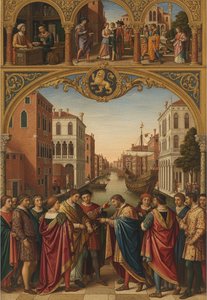
Vittore Carpaccio: Venetian Renaissance Narrative & the Poetics of Detail
Explore the captivating world of Vittore Carpaccio, a master storyteller of the Venetian Renaissance. Discover his intricate details, narrative cycles like 'The Legend of St. Ursula,' and unique artistic style.
Illuminating History: A Comprehensive Exploration of Tempera Painting Techniques & Artistic Legacy
Explore the rich history & techniques of tempera painting! Discover Renaissance masters like Botticelli & Fra Angelico, conservation insights, and the enduring legacy of this captivating art form.
Giotto di Bondone: 25 Šedevrai, Įkvėpę Renesansą | Tapyba Jūsų Interjerui
Atraskite 25 įspūdingiausius Giotto di Bondone šedevrus! Sužinokite apie Renesanso tapybą, freskas ir meno istoriją. Meno reprodukcijos jūsų interjerui – OriginalUniqueArt.com.
