Peržiūrėti realaus dydžio版
 Pasidalinti
 Dalintis
 Išsamiau
 Vadovas

 Atsisiųsti
 Panašūs eksponatai
 Rentgeno spindulių nuotrauka
 Automatinė diorama
 问答
问答 Statistika
Sower with Setting Sun (After Millet)


 Skaityti daugiau
Giclée / Meno spausdinimas
Muziejų lygio „giclée“ arba drobos spausdinimas: greita gamyba ir lankstios apdailos parinktys. ( Pirkti rankų darbo tapybą Perejti prie skaitmeninių vaizdų)




P118B €10

P118H €10

P118W €10

P438Z €10

P508JH €12

P508YH €12

P805H €10

P805Z €10

P919BZ €10

P919G €10

P919XJ €10

P959ZH €10

P968JZ €12

W106C €8

W218G €10

W218JH €8

W218Y €10

W307PJ €10

W316G €10

W316PJ €8

W316Y €10

W398PJ €8

W4111J €10

W500HY €15

W500JH €15

W692G €12

W849H €8

W940BG €15

W953PJ €8




Pasirinkite iš mūsų nustatytų dydžių, atitinkančių originalaus meno kūrinio proporcijas.

Įveskite jums reikiamą plotį ir aukštį, kad atvaizdas derėtų prie jūsų rėmo ar sienos. Spausdiną galima tik sumažinti, bet nepadidinti virš originalaus paveikslėlio dydžio, todėl keičiant proporcijas, dalis vaizdo prarandama. Prieš spausdinimą atsiųsime jums skaitmeninį maketą patvirtinimui. Šioje puslapio nuotraukoje matomas pjūvis nėra tikslus – jį rodo tik maketas.
Pristatymas visame pasaulyje () per 2 weeks, o ne įprastas 4/5 savaičių laikotarpis. (8 lapkritis)

Nemokamas greitasis pristatymas visame pasaulyje

Aukštos kokybės lininis drobė

Pilnas siuntimo draudimas

Muitinės mokesčių grąžinimo garantija

Tikro spalvų atitikimo garantija

100 dienų grąžinimo politika (tik esant įtaigoms)

100% pinigų grąžinimo garantija

Nuolaida dideliems užsakymams
 Stiklo variantas prieinamas tik pasirinkus dydį iki 110 cm

Sower with Setting Sun (After Millet)
Giclée / Meno spausdinimas
Reprodukcijos matmenys
-


Bendroji kaina
€ 72
Vincent van Gogh’s “Sower with Setting Sun” – A Testament to Rural Reverie
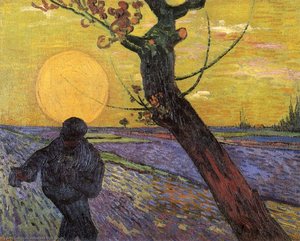
“Sower with Setting Sun (After Millet),” painted in 1888, isn't merely a depiction of a farmer sowing seeds; it’s a profound meditation on labor, the passage of time, and the quiet beauty of the French countryside. Vincent van Gogh, grappling with his own internal struggles yet possessed of an unparalleled sensitivity to light and color, undertook this work as a direct homage to Jean-François Millet's seminal “The Sower.” However, Van Gogh didn’t simply replicate; he imbued the scene with his signature emotional intensity and groundbreaking technique, transforming a traditional genre painting into a vibrant expression of personal feeling.
Millet’s original focused on the stoic dignity of rural life, capturing the arduous work of the peasant farmer. Van Gogh, deeply moved by Millet's composition, adopted it as a foundation but immediately began to infuse it with his own distinctive vision. The most striking difference lies in the sky – a tumultuous swirl of oranges, reds, and purples that dominates the upper portion of the canvas. This isn’t a literal representation of a sunset; rather, it’s an outpouring of Van Gogh's emotional state, reflecting both the beauty and the melancholy he often experienced. The warm hues contrast sharply with the cooler tones of the field and the figure, creating a dynamic tension that draws the viewer into the scene.
A Symphony of Color and Impasto
Van Gogh’s technique is immediately recognizable – bold, expressive brushstrokes layered upon each other to create a thick, textured surface known as impasto. This isn't applied lightly; it’s deliberately sculpted onto the canvas, adding a tactile quality to the painting that invites close examination. Notice how he uses short, choppy strokes to define the contours of the figure and the field, while employing broader, more fluid strokes for the sky. The color is not blended smoothly but rather juxtaposed, creating vibrant areas of intense hue alongside muted passages. This technique wasn’t just about visual impact; it was a way for Van Gogh to translate his internal experience onto the canvas – each stroke a physical manifestation of his thoughts and emotions.
The use of color is particularly significant. The dominant yellows and oranges evoke warmth, fertility, and the promise of harvest. Yet, these bright colors are tempered by the deep blues and purples of the twilight sky, hinting at the fleeting nature of beauty and the inevitability of change. He masterfully uses complementary colors – orange and blue, red and green – to heighten the visual impact and create a sense of dynamism within the composition.
Symbolism and Emotional Resonance
Beyond its immediate depiction of rural labor, “Sower with Setting Sun” is rich in symbolic meaning. The sower himself represents not just agricultural work but also the cycle of life, death, and rebirth. As he scatters his seeds across the field, he’s planting the future – a poignant reminder of humanity's connection to the land and its rhythms. The setting sun symbolizes the end of one day and the beginning of another, suggesting both closure and anticipation.
Furthermore, the painting reflects Van Gogh’s own struggles with mental health. The turbulent sky can be interpreted as an externalization of his inner turmoil – a visual representation of his anxieties and feelings of isolation. Despite this underlying melancholy, there's also a sense of quiet dignity and resilience in the figure of the sower, embodying the enduring spirit of humanity in the face of adversity.
Bringing Van Gogh Home: High-Quality Reproductions
At OriginalUniqueArt, we are proud to offer meticulously crafted reproductions of “Sower with Setting Sun,” allowing you to experience the power and beauty of this iconic masterpiece in your own home or office. Our skilled artisans painstakingly recreate every detail – from the impasto texture to the nuanced color palette – ensuring that each reproduction captures the essence and emotional depth of Van Gogh’s original vision. These reproductions are not mere copies; they are faithful interpretations, designed to evoke the same sense of wonder and contemplation as the original painting.
Explore our collection of Vincent van Gogh reproductions today and bring a touch of artistic brilliance into your space. Learn more about Vincent Van Gogh and his works at OriginalUniqueArt’s Vincent Van Gogh page. Discover the Post-Impressionist movement on Wikipedia's Post-Impressionism page. Browse our collection of handmade oil painting reproductions at OriginalUniqueArt’s Buy page.
Klausimai ir atsakymai
Kokią vietą meno istorijoje užima „Sower with Setting Sun (After Millet)“ – Vincentas Van Gogas?
Dailos istorinė „Sower with Setting Sun (After Millet)“ – Vincentas Van Gogas klasifikacija – tai Post-Impressionism stilius, XIX amžius laikotarpiu.
Kokia „Sower with Setting Sun (After Millet)“ – Vincentas Van Gogas orientacija?
„Sower with Setting Sun (After Millet)“ – Vincentas Van Gogas kūrinio formatas yra Horizontalus formatas. Formatas aprašo kompozicijos proporcijas.
Koks kontrastas yra darbe „Sower with Setting Sun (After Millet)“ – Vincentas Van Gogas?
Kūrinio „Sower with Setting Sun (After Millet)“ – Vincentas Van Gogas kontrasto lygis yra Pareiškimas.
Autoriaus biografija
Vincentas van Gogas: Ugnies ir Šviesos Simfonija
Vincentas Wilhelmas van Gogas – vardas, tapęs sinonimu ryškioms spalvoms ir žaismingai emocijai. Jo gyvenimas, nuo sumišusio jaunuolio ieškančio savo vietos iki meniškai vizionieriaus, yra gili istorija apie atsidavimą, kovą ir galutinį palikimą. Nors per savo gyvybę pasiekė nedidelį komercinį pripažinimą – pardavęs tik vieną paveikalą, *Raudonąją vynuogyną*, prieš mirtį – Van Gogo įtaka moderniam menui yra neįtikėtinai didelė. Jis atidarė kelią ekspresionizmui ir įkvėpė daugybę menininkų, kurie sekė jo pėdomis. Jo istorija nėra tik apie teptukus ir drobę; tai liudijimas žmogaus išraiškos galiai susiduriant su sunkumais. Van Gogo ankstyvieji metai buvo pažymėti neįvykusiais siekiais. Jis bandė save įvairiuose darbuose – meno prekiautojas, mokytojas ir netgi misionierius – prieš galiausiai pasišventęs tapybai gana vėlyvoje amžiuje, būdamas 27 metų. Šie ankstyvieji patyrimai giliai paveikė jo pasaikožią ir atsispindėjo jo mene. Ankstyvieji darbai, vaizduojantys valstiečių gyvenimą Belgijos kaimuose, atspindi gilų susižinojimo su darbo žmonėmis ir niūrų paletę, atspindintį jų vargus. Įkvėptas tokių menininkų kaip Žanas Fransua Milė, Van Gogas siekė užfiksuoti šių asmenų orumą ir atsigręžimą per griežtą realizmą. Tačiau jo persikraustymas į Paryžių 1886 metais pasirodė esantis transformuojantis. Ten jis susipažino su impresionizmu ir postimpresionizmu, įsisavindamas meistrų, tokių kaip Monė, Renoras ir Pisaro, techniką. Šis patyrimas išplėtė jo meninius horizontus, paskatino eksperimentuoti su ryškesnėmis spalvomis ir laisvesniu teptukų darbu, nors ir išlaikant aiškų emocinį intensyvumą, kurio nepastebima daugelyje jo to laikmečio kolegų darbų. Jo brolis Teo, meno prekiautojas, atliko svarbų vaidmenį šiuo periodu, suteikdamas finansinę paramą ir veikdamas kaip gyvybės ryšys su Paryžiaus meno pasauliu. Jų platus korespondencijos siūlo neįkainojamus įžvalgų apie Van Gogo meninį vystymąsi ir asmenines kovas.Provanso Šviesa ir Spėjimo Kreatyvumas
Ieškodamas ryškesnės gamtos ir atsinaujinimo pojūčio, Van Gogas 1888 metais persikėlė į Arlį pietų Prancūzijoje. Tai pažymėjo intensyvaus kūrybos periodo pradžią, pasižyminčią spalvų sprogu ir išskirtine impasto technika – dažais tirštai uždedant ant drobės, sukuriant tekstūruotą paviršių, kuris atrodo pulsuojantis energija. Būtent čia jis sukūrė kai kuriuos savo žinomiausius darbus: *Saulėgėlės*, *Naktinis kavinukas* ir *Žvaigždynas*. Provanso intensyvi šviesa atrodė įžiebianti jo vaizduotę, paskatindamas vaizduoti kraštovaizdžius ir natūrmortus beprecedenčiu ryškumu. Jo noras meninės kolaboracijos vedė jį pakviesti Paulį Gauginą prisijungti prie jo Arlyje, vilties nustatyti utopinį menininkų koloniją. Tačiau jų santykiai pasirodė nestabilūs, baigiantis dramatišku susidūrimu, dėl kurio Van Gogas sužalojo savo ausį. Šis įvykis pabrėžė jo psichikos būsenos trapumą ir pažymėjo institucionalizacijos ir didėjančio psichologinio vargo periodo pradžią.Vėlesni Metai ir Nuolatinis Palikimas
Po sutrikimo Van Gogas savanoriškai įstojo į prieglaudą Sent Remi, kur jis toliau tapė gausiai, vaizduodamas aplinkos kraštovaizdžius su grobiu ir sumaidymu. Tokie darbai kaip *Žvaigždynas*, sukurtas tuo metu, yra įkvėpti kosminio stebėjimo jausmu ir giliu emociniu gilumu. Vėliau jis persikėlė į Ovrą prie Senos gydytojo Poliaus Gacheto rūpimais, tačiau jo kovos tęsiasi. Liepos 29 dieną, 1890 metais, Van Gogas mirė būdamas 37 metų amžiaus dėl savadarbo šūvio žaizdos. Nors per savo gyvybę pasiekė nedidelį pripažinimą, jo darbai po mirties pradėjo gauti vis didesnę pagarbą daugiausia dėka jo sesers-in-law Johanos van Gog-Bonger pastangų, kuri paveldėjo jo turto ir skyrė save reklamuojant jo meną. Šiandien Van Gogo paveikslai yra šveniami visame pasaulyje dėl savo emocinio intensyvumo, novatoriškų technikų ir nuolatinio grožio. Jo palikimas tęsiasi toli už drobės; jis tapo meno aistros, atkaklumo susiduriant su nesėkmėmis ir meno galios simboliu išreikšti giliausias žmogaus emocijas.Pagrindiniai Įtakos ir Meninis Vystymasis
- Ankstyvasis realizmas: Žano Fransua Milė vaizdavimas valstiečių gyvenimo įtakojo Van Gogo ankstyvuosius darbus.
- Impresionizmas ir postimpresionizmas: Paryžiuje susipažinimas su Monė, Renoru, Pisaru ir kitais išplėtė jo paletę ir techniką.
- Japonų spauda: Van Gogas buvo giliai paveiktas japonų medžio raižinių, kuriuos jis entuziastingai rinko. Jų drąsios kompozicijos ir plokštumos spalvų įtakoja jo stilių.
- Emocinis išreiškimas: Visų pirma Van Gogas siekė perteikti emocijas per savo meną, prioritetą suteikdamas subjektyviai patirčiai prieš objektyvią reprezentaciją. Šis dėmesys emociniam intensyvumui tapo jo darbo atpažinimo ženklu ir pavedė kelią ekspresionizmui.
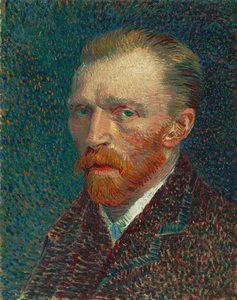
Vincentas Van Gogas
1853 - 1890 , Nyderlandai
Trumpa informacija
- Gimimo Data: 1853 m. kovo 30 d.
- Gimimo Vieta (Miestas Ir Šalis): Zundertas, Nyderlandai
- Menininkai Ar Judėjimo, Paveikti Šio Menininko:
- Ekspresionizmas
- Fovizmas
- Menininkai, Paveikę Menininko Kūrybą:
- Rembrandas van Rėnas
- Žanas Fransua Milė
- Meninis Stilius: Post-Impressionizmas
- Mirties Data: 1890 m. liepos 29 d.
- Pilnas Vardas: Vincentas Vilhelmas van Gogas
- Tautybė: Olandas
- Žymiausi Kūriniai:
- Saulėgaisčių serija
- Gliesiantis naktinis dangus
- Kartolės valgytojai
- Naktinis kavinės vaizdas
Susiję straipsniai

Beyond the Light: Discovering the Soul and Emotional Depth of Post-Impressionism
Embark on a cultural journey through Post-Impressionism. Discover the profound emotional depth of masters like Van Gogh and Cézanne, exploring how they moved beyond light to capture the very soul of human experience through vibrant color and symbolic form.

Post-Impressionizmo Deimantai: 10 Šedevrų Jūsų Namams
Atraskite 10 Post-Impresionizmo šedevrų! Van Gogas, Cézanne ir kiti genijai – jų kūriniai, istorijos bei spalvos. Įkvėpkite savo interjerui su OriginalUniqueArt.com aukščiausios kokybės reprodukcijomis. Išnagrinėkite visą kolekciją internete!
Beyond Impressionism: Exploring the Emotional Depth of Post-Impressionist Painting
Explore the profound emotional depth & innovative techniques of Post-Impressionism with OriginalUniqueArt. Discover Cézanne, Van Gogh, Gauguin & more – and their lasting impact on modern art.
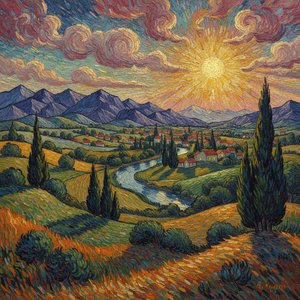
Beyond Impressionism: The Emotional Depth and Vibrant Evolution of Post-Impressionist Landscapes
Explore the profound evolution of Post-Impressionist landscapes. From Van Gogh's emotional brushwork to Cézanne's structural mastery, discover how these visionaries redefined art history through color and form in this expert guide for fine art enthusiasts.
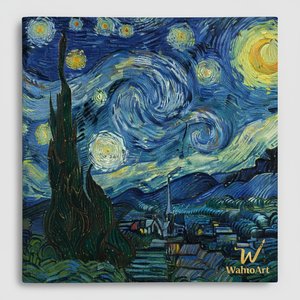
Decoding Van Gogh's Turmoil: OriginalUniqueArt’s Masterful Reproductions of Emotional Depth
Discover exquisite Van Gogh reproductions from OriginalUniqueArt – expert art specialists offering museum-quality prints & custom paintings. Trust our authentic process and elevate your collection today.