

 Pasidalinti
 Dalintis
 Išsamiau

 Atsisiųsti
 Panašūs eksponatai
 Automatinė diorama
PICO


 Skaityti daugiau
Giclée / Meno spausdinimas
Muziejų lygio „giclée“ arba drobos spausdinimas: greita gamyba ir lankstios apdailos parinktys. ( Pirkti rankomis tapytą paveikslą Pirkti vaizdą)




































Pasirinkite iš mūsų nustatytų dydžių, atitinkančių originalaus meno kūrinio proporcijas.

Galite nurodyti savo matmenis, kad vaizdas atitiktų konkretų rėmą ar erdvę. Jei pasirinktas dydis nesutaps su originalaus paveikslėlio proporcijomis, mes arba apkirpsime kūrinį, arba išplėsime vaizdą naudojant veideliu atspindėtą arba vientisą šoną. Skaitmeninis maketas bus išsiųstas jums patvirtinti prieš pradedant gamybą.
Atkreipkite dėmesį, kad ekrane matomas vaizdinys neatspindi tikrojo apkirpimo ar išplėtimo. Tik maketas tiksliai parodytų galutinę kompoziciją.
Nors galima rinktis ir individualius dydžius, rekomenduojame pasirinkti vieną iš išanksti nustatytų matmenų, kad būtų išlaikytos originalios proporcijos.
Pristatymas visame pasaulyje () per 2 weeks, o ne įprastas 4/5 savaičių laikotarpis. (16 rugpjūtis)

Nemokamas greitasis pristatymas visame pasaulyje

Aukštos kokybės lininis drobė

Pilnas siuntimo draudimas

Muitinės mokesčių grąžinimo garantija

Tikro spalvų atitikimo garantija

60 dienų grąžinimo politika (tik esant gamyklinėms defektams)

100% pinigų grąžinimo garantija

Nuolaida už kelias reprodukcijas
 Stiklo variantas prieinamas tik pasirinkus dydį iki 110 cm

PICO
Giclée / Meno spausdinimas
Reprodukcijos matmenys
-


Galutinė kaina
$ 80
Kolekcinio eksponato aprašymas
Autoriaus biografija
A Convergence of Art, Science, and Sustainability: The World of Tony Sungsik Lee
Tony Sungsik Lee, born in Seoul, South Korea in 1987, embodies a rare intersection of artistic vision, technological innovation, and profound environmental consciousness. His journey, from foundational studies in visual design at Seoul National University to advanced degrees in computer graphics and artificial intelligence, has uniquely positioned him as a leading figure in the burgeoning field of sustainable art. Lee isn’t simply creating aesthetically pleasing objects; he is actively engineering solutions to pressing ecological challenges, using his artistic platform to spark dialogue and inspire tangible change. His work transcends traditional boundaries, seamlessly blending the realms of fine art, scientific research, and social activism.Early Influences and Academic Foundations
Lee’s formative years in South Korea undoubtedly shaped his sensitivity towards environmental issues—a nation experiencing rapid industrialization alongside a growing awareness of its ecological footprint. This early exposure fueled an academic pursuit that wasn't confined to the studio but extended into the laboratories of computer science and engineering. His master’s degree in computer graphics laid the groundwork for exploring digital fabrication techniques, while his doctoral work in artificial intelligence opened avenues for innovative approaches to material science and waste management. It was during this period that Lee began to conceptualize art not as a static entity, but as a dynamic process capable of responding to—and even remediating—environmental problems. He recognized the potential of technology to move beyond representation and into active intervention.The PICO Project: Transforming Plastic Waste into Currency
Perhaps Lee’s most recognizable achievement is the PICO (Plastic in Cycle Object) project, a groundbreaking initiative that transforms discarded plastic into collectible coins. This isn't merely an exercise in recycling; it’s a radical reimagining of value itself. By converting waste into a tangible form of currency, Lee challenges conventional economic models and highlights the inherent worth of materials often deemed worthless. The PICO coins serve as both a physical reminder of our consumption habits and a catalyst for promoting responsible plastic usage. The project's success lies in its elegant simplicity: it’s accessible, visually compelling, and directly addresses the global plastic crisis. PICO isn’t just about cleaning up pollution; it’s about fostering a circular economy where waste is viewed as a resource rather than a liability.Bridging Art and Scientific Research
Lee's unique position as both an artist and researcher allows him to operate at the forefront of interdisciplinary innovation. Currently, he holds a professorship at Samsung Art and Design Institute while simultaneously conducting research at ETH Zurich. His scientific investigations focus on platinum-group metal (PGM) catalysts for oxygen reduction reactions in proton exchange membrane fuel cells (PEMFCs)—a critical area of development for sustainable transportation. This work, seemingly disparate from his artistic endeavors, is deeply connected to his overarching theme of environmental responsibility. By improving the efficiency and viability of fuel cell technology, Lee aims to reduce reliance on fossil fuels and mitigate carbon emissions. His publications in this field demonstrate a commitment to rigorous scientific inquiry alongside his creative practice.Historical Significance and Future Directions
Tony Sungsik Lee’s work represents a pivotal moment in the evolution of contemporary art—a shift towards proactive engagement with global challenges. He is part of a growing movement of artists who are rejecting the notion of art as purely aesthetic expression and embracing its potential as a tool for social and environmental change. His PICO project, in particular, has garnered international attention, inspiring similar initiatives around the world. Lee’s influence extends beyond the art world, prompting discussions about sustainable design, circular economies, and the ethical responsibilities of consumers and manufacturers. As he continues to explore the intersection of art, science, and technology, Tony Sungsik Lee is poised to play an increasingly significant role in shaping a more sustainable future—a future where creativity and innovation are harnessed for the betterment of our planet.
tony sungsik lee
1987 - , South Korea
Trumpa informacija
- Artistic Movement Or Style: Sustainable art, AI design
- Current Biography: Artist exploring sustainability through art & tech.
- Date Of Birth: 1987
- Full Name: Tony Sungsik Lee
- Nationality: South Korean
- Notable Artworks: ['PICO']
- Place Of Birth: Seoul, South Korea
Susiję straipsniai
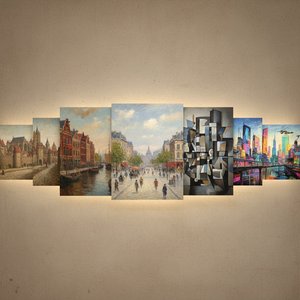
Urban Visions: A Historical & Artistic Exploration of the Cityscape in Painting
Explore the evolution of cityscape painting from historical maps to Impressionist masterpieces. Discover artists like Caillebotte, Utrillo & Matsumoto Shunsuke. Find museum-quality reproductions at OriginalUniqueArt.
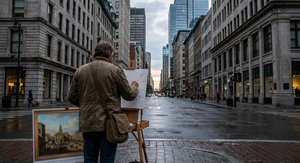
Urban Visions: A Historical & Artistic Exploration of the Cityscape in Painting
Explore the evolution of cityscape painting from historical maps to Impressionist masterpieces. Discover artists like Caillebotte & Utrillo. Find museum-quality reproductions at OriginalUniqueArt.

Concrete Visions: Exploring the Urban Landscape in Painting – From Realism to Contemporary Art
Explore the evolution of cityscape painting from Realism to contemporary art with OriginalUniqueArt. Discover key artists & invest in timeless urban visions. Expert guidance, museum-quality reproductions.
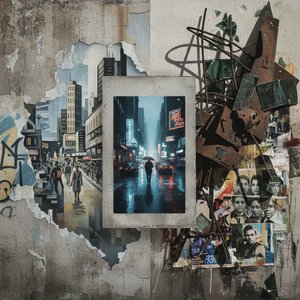
Concrete Visions: Exploring Representations of Urban Life in Modern & Contemporary Art
Explore the evolution of cityscape painting from Realism to contemporary art. Discover key artists & invest in timeless urban visions with OriginalUniqueArt's expert guidance and museum-quality reproductions.
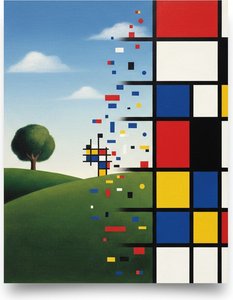
Piet Mondrian: Deconstructing Reality – A Study of Neo-Plasticism & Universal Harmony
Explore the revolutionary art of Piet Mondrian and the principles of Neo-Plasticism. Discover De Stijl's influence, iconic compositions like 'Composition with Red, Yellow and Blue,' and Mondrian’s lasting legacy on modern design.

