

 Peržiūrėti realaus dydžio版
 Siųsti
 Dalintis
 Išsamiau
 Vadovas

 Atsisiųsti
 Panašūs eksponatai
 Rentgeno spindulių nuotrauka
 Diaporama
 Statistika
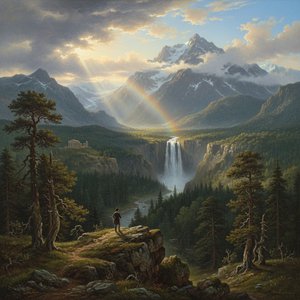
A Rural Scene
 Realism
 14.0 x 16.0 cm
 Rodyti daugiau
Rankų darbo aliejinės reprodukcijos
Rankiniu būdu tapytas aliejus ant droblio jūsų pageidaujamame dydį ir rėmuose – mūsų menininkų darbas pagal užsakymą. ( Perjungti į spausdinimą Perejti prie skaitmeninių vaizdų)




P118B €10

P118H €10

P118W €10

P438Z €10

P508JH €12

P508YH €12

P805H €10

P805Z €10

P919BZ €10

P919G €10

P919XJ €10

P959ZH €10

P968JZ €12

W106C €8

W218G €10

W218JH €8

W218Y €10

W307PJ €10

W316G €10

W316PJ €8

W316Y €10

W398PJ €8

W4111J €10

W500HY €15

W500JH €15

W692G €12

W849H €8

W940BG €15

W953PJ €8




Pasirinkite iš mūsų nustatytų dydžių, atitinkančių originalaus meno kūrinio proporcijas.

Galite įvesti savo matmenis, kad jie atitiktų konkretų rėmą ar erdvę. Jei pasirinktas dydis neatitinka originalaus paveikslėlio proporcijų, mes arba apkropsime meno kūrinį, arba papildysime tapybą rankomis dažytい elementais. Prieš pradėdami gamybą, jūsų patvirtinimui atsiųsime skaitmeninį maketą.
Atkreipkite dėmesį, kad ekrane rodomas vaizdas neatspindi tikrojo apkarpymo ar papildymo. Tik maketas tiksliai parodys galutinę kompoziciją.
Nors galima rinktis ir individualius dydžius, rekomenduojame pasirinkti matmenis iš nustatytos sąrašo, kad būtų išlaikytos originalios proporcijos.
Gavus užsakymą, OriginalUniqueArt.com komanda susisieks su klientu el. paštu dėl instrukcijų ir pateiks maketo pavyzdį
Pristatymas visame pasaulyje () per 3–4 savaites, o ne įprastai – per 5 savaites. (12 spalis). Kokybė lieka nepakeičiama.

Nemokamas greitasis pristatymas visame pasaulyje

Aukštos kokybės lininis drobė

Pilnas siuntimo draudimas

Muitinės mokesčių grąžinimo garantija

Tikro spalvų atitikimo garantija

100 dienų grąžinimo politika (tik esant įtaigoms)

100% pinigų grąžinimo garantija

Nuolaida dideliems užsakymams
 Stiklo variantas prieinamas tik pasirinkus dydį iki 110 cm

A Rural Scene
Reprodukcijos technika
Reprodukcijos dydis
-


Visų pasirinktų variantų kaina
€ 259
Autoriaus biografija
Thomas Robson: A Quiet Master of English Landscape
Thomas Robson (1798-1871) remains a quietly significant figure in the history of British watercolor painting, often overshadowed by more flamboyant contemporaries but possessing a unique and deeply resonant style. Born in Hull, his early life offered little indication of the artistic path he would ultimately pursue. Robson’s career unfolded largely outside the bustling centers of London’s art world, primarily working in the Midlands and North Wales, yet his serene landscapes and subtly observed genre scenes have garnered increasing recognition for their understated beauty and remarkable technical skill.
Robson's artistic journey began with a formal apprenticeship under the renowned watercolorist, John Brett, at the Plymouth School of Art. This formative period instilled in him a deep appreciation for the principles of tonal harmony, atmospheric perspective, and the delicate handling of color – elements that would become hallmarks of his distinctive style. Brett’s influence is readily apparent in Robson's early works, particularly his depictions of coastal scenes and rural landscapes, characterized by their soft, diffused light and meticulous attention to detail. However, Robson quickly developed a more personal approach, moving away from Brett’s sometimes overtly dramatic compositions towards a greater emphasis on capturing the quiet dignity and inherent beauty of the natural world.
A key influence on Robson's artistic development was his exposure to the works of Jean-Baptiste Millet, the celebrated French landscape painter. Robson deeply admired Millet’s ability to portray rural life with honesty and empathy, focusing not on grand narratives but on the everyday experiences of ordinary people within a natural setting. This admiration is reflected in several of Robson's genre scenes, which often depict humble laborers engaged in their daily tasks – ploughing fields, tending livestock, or gathering wood – rendered with remarkable sensitivity and psychological insight. These paintings offer a poignant glimpse into the lives of rural communities, capturing both their hardships and their enduring spirit.
Robson’s technical prowess was considerable, honed through years of dedicated practice. He possessed an exceptional ability to render textures with astonishing accuracy, from the rough bark of ancient trees to the damp earth beneath a farmer's feet. His use of color was equally masterful – he favored muted tones and subtle gradations, creating paintings that exude a sense of tranquility and timelessness. His compositions are typically balanced and harmonious, avoiding any hint of clutter or unnecessary detail. Robson’s landscapes are not merely representations of scenery; they are carefully constructed narratives that invite the viewer to contemplate the beauty and serenity of the natural world.
While Robson's work was largely appreciated during his lifetime, it wasn't until the 20th century that he began to receive wider recognition. His paintings were increasingly included in major exhibitions at museums such as Cherbourg and Évreux, demonstrating a growing appreciation for his unique artistic vision. Today, Robson’s landscapes are treasured for their quiet beauty, technical skill, and profound sense of place. His work offers a valuable counterpoint to the more overtly dramatic styles that dominated much of 19th-century landscape painting, reminding us of the enduring power of simplicity and restraint in art.
Key Works:
- The Artist’s Mother (1836) – A poignant oil portrait capturing the dignity and wisdom of an elderly woman.
- Lavinia, the Milk Girl (copy after Thomas Gainsborough) (circa 1840) – A sensitive depiction of a young girl tending to her cows, showcasing Robson’s ability to capture human emotion within a rural setting.
- Various landscapes depicting scenes from North Wales and the Midlands, characterized by their atmospheric perspective and meticulous detail.
Museum Holdings:
- St Thomas' Hospital (London) – Holds several examples of Robson’s work, offering a valuable opportunity to study his artistic development.
- St Thomas (France, Strasbourg) – Features paintings reflecting the artist’s interest in rural life and landscapes.
Further Research:
- Robson & Jerome: While seemingly unrelated, this pop duo highlights a surprising intersection of artistic talent and popular culture within Robson's region.
- Thomas Robson (footballer, born 1995): Demonstrates the artist’s name has been used for other notable figures in sports history.
Robson’s Artistic Legacy
Beyond his individual achievements, Thomas Robson's contribution to British watercolor lies in his quiet insistence on a particular approach – one rooted in observation, restraint, and a deep respect for the natural world. He wasn't seeking to create grand statements or revolutionary compositions; instead, he aimed to capture the essence of everyday life and the beauty of the landscape with remarkable subtlety and grace.
Robson’s influence can be seen in the work of later watercolorists who followed in his footsteps, particularly those associated with the Worcestershire School. His emphasis on tonal harmony, atmospheric perspective, and meticulous detail helped to establish a distinct regional style that continues to resonate today. Furthermore, Robson's sensitive portrayal of rural life offered a valuable counterpoint to the often idealized depictions of agriculture prevalent in art at the time.
Despite his relatively modest profile, Thomas Robson deserves recognition as one of the most accomplished and quietly influential watercolorists of 19th-century Britain. His paintings offer a timeless reminder of the beauty and serenity that can be found in the simplest of landscapes and the most humble of lives.

Thomas Robson
1798 - 1871
Trumpa informacija apie kūrėją
- Artistic Movement Or Style: Watercolorist
- Artists Or Movements Influenced By This Artist: ['None listed']
- Artists Who Influenced This Artist: ['Millet']
- Date Of Birth: 1798
- Date Of Death: 1871
- Full Name: Thomas Robson
- Nationality: British
- Notable Artworks:
- The Artist's Mother
- Lavinia, the Milk Girl
- Place Of Birth: Hull, England
Susiję straipsniai

Cultivating Visions: A Historical Journey Through Rural Landscapes in Art
Explore the rich history of rural landscape painting with OriginalUniqueArt. Discover Impressionist masterpieces, key artists & movements. Find your perfect serene artwork and bring nature's beauty home.

Romantic Realism's Finest: 10 Masterpieces for Your Home | OriginalUniqueArt
Explore 10 defining masterpieces of Romantic Realism! Discover Courbet, Millet & Daumier's powerful paintings—capturing emotion and social realities. Find museum-quality reproductions for your home at OriginalUniqueArt.com.

10 Romantinių Peizažų Simbolių: Tapybos Majestatės Viršūnės
Atraskite 10 legendinių romantinio peizažo kūrinių! Pasinerkite į Claude Lorrain, Caspar David Friedrich ir J.M.W. Turner genijaus pasaulį. Išmokite apie tapybos meistriškumą bei gamtos grožį. Aukščiausios kokybės meno reprodukcijos – OriginalUniqueArt.com. Tyrinėkite kolekciją!

Džono Konsteblio Šedevrai: 25 Išskirtiniai Darbai Jūsų Interjerui | OriginalUniqueArt
Atraskite 25 įspūdingiausius Džono Konsteblio paveikslus! Romantizmo meistro gamtos vaizdai, Dedham Vale peizažai ir meno istorijos šedevrai. Meno reprodukcijos jūsų interjerui – OriginalUniqueArt.com
Evoking Nature's Sublime: A Comprehensive Exploration of 19th-Century Landscape Painting
Explore the captivating world of 19th-century landscape painting! Discover renowned artists like Friedrich & Monet, key movements, and find the perfect artwork to bring nature's serenity into your home. Expert insights at OriginalUniqueArt.