
 Peržiūrėti realybėje
 Pasidalinti
 Dalintis
 Išsamiau

 Atsisiųsti
 Panašūs eksponatai
 Rentgeno nuotrauka
 Automatinė diorama
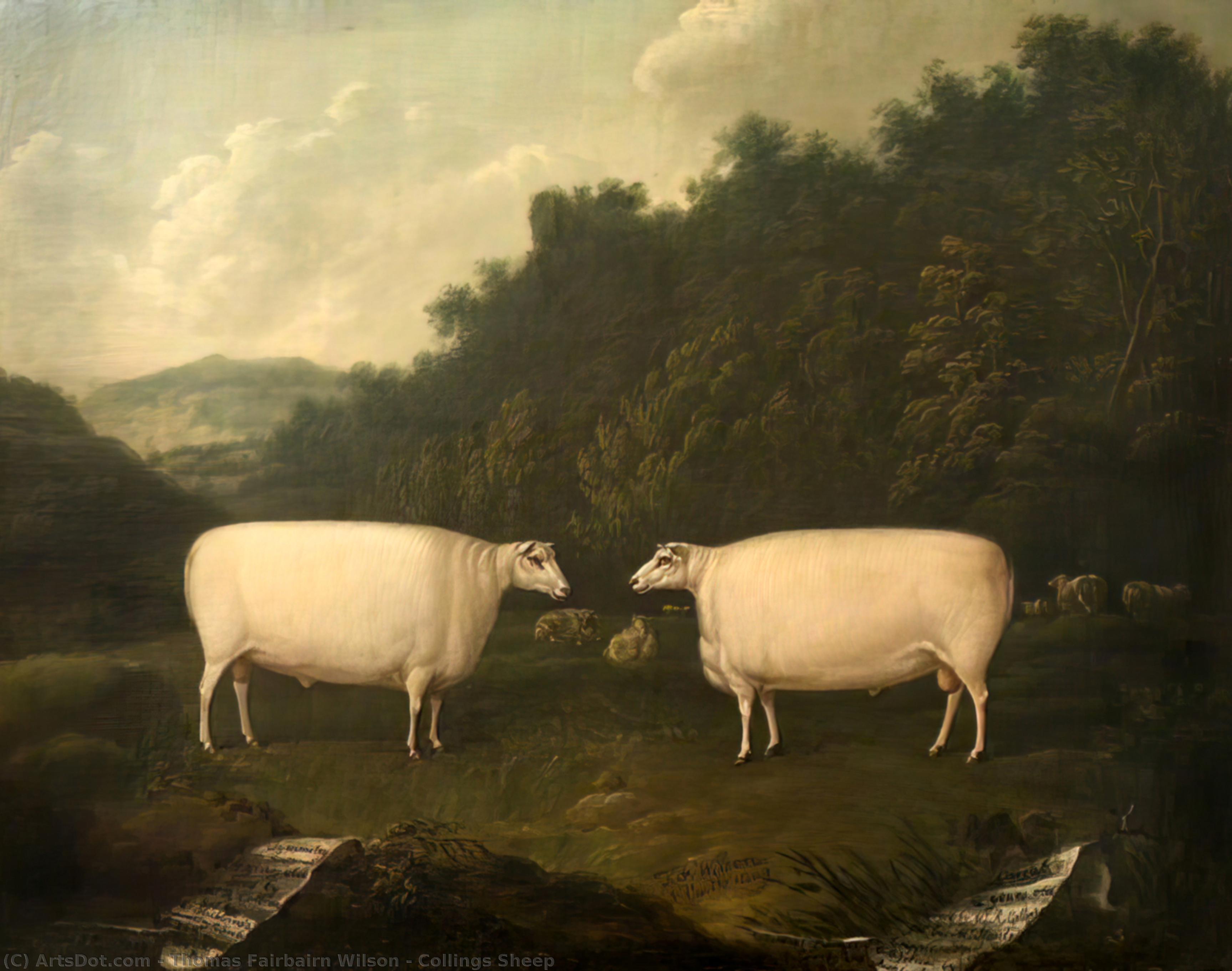
Collings Sheep
 1809
1809 54.0 x 68.0 cm
 Skaityti daugiau
Įsigykite aukštos skiriamosios raiškos, patobulintą skaitmeninį vaizdą, gerokai pranašesnį už internetinę peržiūrą.
Kiekvieną failą mūsų specialistai kruopščiai paruošia naudojant pažangias technologijas ir profesionalų rankinį retušavimą. Užtikriname, kad kiekvienas vaizdas pasižymėtų išskirtiniu aiškumu, tikslia spalvų atspalviu ir smulkiomis detalėmis.
Baigiamas failas el. paštu pristatomas per 72 valandas; jis optimizuotas nedelsiant naudojimui profesionalioje, redakcinėje ir spausdinimo aplinkoje. Tai ta pati kokybė, kuria pasitiki aukščiausios klasės dizaino studijos, leidyklos ir galerijos.
Skaitmeninis vaizdas
Atsisiųskite didelės raiškos failą asmeniniam naudojimui, spausdinimui ir kūrybiniams projektams. ( Pirkti spaudinį Pirkti rankomis tapytą paveikslą)
Kiekvieną skaitinio vaizdo užsakymą papildė
Profesionalus skaitmeninis pristatymas, garantuotas
Pasirinkę OriginalUniqueArt.com, jūs ne tik gaunate paveikslėlį – jūs gaunate profesionaliai patobudintą skaitmeninį kūrinį, sukurtą itin tikniai ir užtikrinantį pasitenkinimą. Štai viską, kas automatiškai pritékia jūsų užsakymui:

Greitas siuntimas el. paštu
Jūsų aukštos raiškos skaitmeninis vaizdo failas bus išsiųstas jums el. paštu per 72 valaudas nuo užsakymo – paruoštas naudojimui be jokių papildomų veiksmų.

Skaitmeninis failas su dirbtiniu intelektu
Jūsų meno kūrinys profesionaliai optimizuojamas naudojant pažangius dirbtinio intelekto įrankius ir rankinį redagavimą, užtikrinant maksimalią detalę, aiškumą ir spalvų tikslumą.

Nemokamas visam laikui pakartotinis siuntimas
Atsitiktinai ištrytikote ar praradote savo failą? Nebijokite – bet kuriuo metu atsiųsime jį jums vėl nemokamai.

Jokio importo mokesčio – niekada
Mėgaukitės savo meno kūriniu akimirka – skaitiniai failai visada yra neapmokestinami, todėl nereikės mokėti muitinės, mokesčių ar pristatymo mokesčių.

Spalvų tikslumo garantija
Naudodami profesionalią įrangą ir spalvų valdymo sistemas, užtikriname, kad jūsų skaitmeninis vaizdas kuo tiksliau atspindėtų originalias spalvas.

60 dienų pasitenkinimo garantija
Jei nebuvate patenkinti savo skaitinio vaizdo, per 60 dienų jį pertaisysime arba grąkinsime 100% sumą – be jokių klausimų.

100% pinigų grąžinimo garantija
Nepat 만족inti? Gaukite visą sumokėtą sumą per 60 dienų nuo skaitmeninio failo gavimo – be jokių papildomų klausimų.

Nuolaidos dideliems užsakymams
Pirkti 3 nuotraukas – pasiūla 10% - Pirkti 5 – pasiūla 15% - Pirkti 10 ir daugiau – pasiūla 20%. Puikiai tinka kūrybiniams projektams, galerijoms bei agentūroms.
Autoriaus biografija
A Life Dedicated to Pastoral Detail: The World of Thomas Fairbairn Wilson
Thomas Fairbairn Wilson, a name perhaps less celebrated than some of his contemporaries, nevertheless occupies a significant niche in the history of 19th-century British art. Born and passing away in 1847, details surrounding his life remain somewhat elusive; however, his artistic legacy speaks volumes. He was a painter deeply committed to capturing the essence of rural England, specializing in meticulously rendered animal portraits and evocative landscapes. While biographical specifics are scarce, the body of work he left behind reveals an artist profoundly attuned to the beauty of the countryside and the creatures that inhabited it – particularly cattle. His paintings weren’t merely representations; they were celebrations of a way of life intrinsically linked to the land, executed with a skill that garnered him recognition during his time.Early Influences and Artistic Development
The artistic climate of early 19th-century England was one of transition. The Romantic movement still held sway, emphasizing emotion and the sublime power of nature, while a growing interest in realism began to take hold. Wilson’s work demonstrates a fascinating blend of these influences. His landscapes, such as “Drypool Green & St Peter’s Church” (1825), possess a romanticized tranquility, bathed in soft light and showcasing idyllic pastoral scenes. However, this isn't the dramatic, untamed wilderness favored by some Romantics; instead, it is a carefully observed depiction of rural life, grounded in tangible detail. It’s likely Wilson benefited from exposure to artists like John Constable, whose dedication to plein air painting and accurate representation of the English countryside profoundly influenced a generation. The precision with which he rendered his subjects suggests a strong foundation in observational skills, possibly honed through early training in topographical drawing or animal studies. His focus on Shorthorn cattle – a breed undergoing significant improvement during this period – indicates an engagement with agricultural advancements and the economic importance of livestock.Mastering the Animal Portrait: A Focus on Cattle
Wilson’s most enduring contribution lies in his exceptional animal portraits, particularly those featuring Shorthorn cattle. These weren't simply commissions for landowners; they were works that elevated farm animals to a level of artistic significance previously reserved for more traditional subjects like horses or sporting dogs. Paintings like “Two Shorthorn Cattle: The White Heifer Which Travelled and Red Rose” exemplify his skill. He captured not just the physical likeness of these animals, but also their individual character and presence. His technique involved meticulous attention to anatomy, texture, and light, resulting in paintings that are remarkably lifelike. The artist’s ability to convey a sense of weight, muscle tone, and even personality within his subjects is truly remarkable. He often depicted cattle in natural settings, further enhancing the realism and charm of his work. The inclusion of detailed backgrounds – fields, barns, and rural landscapes – adds context and depth to the portraits, creating a complete visual narrative.Historical Significance and Lasting Legacy
Thomas Fairbairn Wilson’s art provides valuable insight into 19th-century British society and its relationship with the land. His paintings reflect the growing importance of agriculture and livestock breeding during this period, as well as a broader appreciation for rural life. He captured a moment in time – a way of life that was rapidly changing due to industrialization and urbanization. While not achieving widespread fame on par with some of his contemporaries, Wilson’s work found a dedicated audience among landowners and agricultural enthusiasts who valued his ability to immortalize their prized animals. Today, his paintings are appreciated for their technical skill, historical significance, and evocative depiction of the English countryside. His contribution lies in elevating animal portraiture to an art form, demonstrating that beauty and artistic merit can be found in even the most humble subjects. His work continues to resonate with those who appreciate a meticulous attention to detail and a genuine love for the natural world.
Trumpai apie šį kūrėją
- Artistic Movement Or Style: Animal painting, Landscape
- Date Of Death: 1847
- Full Name: Thomas Fairbairn Wilson
- Notable Artworks:
- Drypool Green & St Peter’s Church
- Collings Sheep
- Two Shorthorn Cattle

