Contemporary Realism · 1874
Forgiven (Tomas Faedas, 1874)
Tomas Faedas (1826–1900) sukūrė Forgiven. Šis kūrinys datuojamas 1874 m. Šis kūrinys priklauso Contemporary Realism kieruliui. Pagaminta naudojant Oil On Canvas. Eksponatas saugomas Guildhall Art Gallery London, United Kingdom. Matmenys – 36 × 48 cm.
- 1874
- Oil On Canvas
- 36 × 48 cm
- Guildhall Art Gallery, London

 Peržiūrėti

 Rankinio darbo aliejinės imitacijos paveikslas
 Pasidalinti
 Dalintis
 Informacinė lLapelė


 Atsisiųsti
 Panašūs eksponatai
 Rentgeno spindulių nuotrauka
 Automatinė diorama
 Klausimai ir atsakymai

 Statistika
Forgiven, trumpai
- Pavadinimas
- Forgiven
- Autorius
- Tomas Faedas (1826–1900)
- Autorius gimęs
- Kirkcudbrightas, Jungtinė Karalystė
- Data
- 1874
- Technika
- Oil On Canvas
- Dalių matmenys
- 36 × 48 cm
- Kur galima pamatyti
- Guildhall Art Gallery, London, United Kingdom
- Judėjimas
- Contemporary Realism
- Laikotarpis
- 19th Century
- Tema
- family portrait, domestic scene, victorian era, warmth, rural life, intimate moment
Ką vaizduoja Forgiven?
Identification of Forgiven by Thomas Faed
In this intimate oil on canvas, titled Forgiven, the Scottish artist Thomas Faed explores the quietude of domestic life. Created in 1874, the work offers a glimpse into the sentimental realism that defined much of Faed's career. The piece is modest in scale, measuring 36 x 48 cm, which encourages a close, personal encounter with the figures depicted.
Faed, born in 1826 in Gatehouse of Fleet, United Kingdom, possessed a particular sensitivity to the textures of everyday existence. Through Forgiven, he captures a specific moment of familial connection, utilizing the medium of oil to build a sense of warmth within a humble setting. The work remains a significant example of his ability to translate human emotion into a visual narrative.
The Composition and Visual Elements
The scene unfolds within a dimly lit, rustic interior, capturing a quiet moment of domesticity. At the center of the composition, a family group is gathered around a table, consisting of an older man, a woman, and a young child. The arrangement feels somewhat cluttered, with various objects scattered throughout the space to suggest a lived-in, humble setting. This density of detail creates a sense of immediacy, as if we have stumbled upon a private, unposed instance of daily life.
Lighting is used with great subtlety here. The primary source of illumination emanates from a fireplace located on the left side of the frame, casting soft light across the figures and creating deep shadows that provide a sense of volume. This interplay of light and shadow allows for a clear sense of depth, achieved through the careful layering of the figures and the surrounding furniture. The atmosphere remains somber and quiet, grounded by a color palette dominated by muted greens, browns, and grays.
Technique and Style
The work is executed in oil on canvas, utilizing a painterly technique that prioritizes the immediate sensation of the scene. You can see the visible brushstrokes throughout the composition, which lend a sense of immediacy to the domestic setting. The lines are predominantly organic and slightly loose, avoiding the rigid precision of more academic works. This approach allows the forms to settle into the space with a natural, unforced quality.
The lighting is subdued, emanating from a fireplace to the side, which has a profound effect on how the shapes are perceived. Because of this soft illumination, the edges of the figures and objects lack sharpness; instead, they appear somewhat softened, blending gently into the shadows. This creates a palpable sense of volume and depth within the rustic interior. You can feel the tactile nature of the environment through the way the paint is applied to the rough wooden surfaces and the heavy folds of the fabric.
Where to See This Work Today
You may find this work at the Guildhall Art Gallery in London, United Kingdom. It is part of the collection held by the City of London, England. The gallery is situated within the Moorgate area, offering a quiet space to observe the nuances of Faed's brushwork.
The museum itself is housed in a stone building designed in a semi-Gothic style. It provides a dignified setting for such intimate domestic scenes. If you find yourself in the city, the architecture of the gallery complements the historical weight of the pieces within its walls.
Related Works by Thomas Faed
To understand the breadth of Faed's output, one might look toward his earlier compositions, such as His Only Pair, which dates from about 1860. This period of his career also produced Listeners Ne'er Hear Any Good Of Themselves, a work that reflects his interest in the nuances of human interaction. His ability to handle narrative was further demonstrated in The Last of the Clan, completed in 1865. These pieces offer a glimpse into the development of his specific approach to genre painting and the quietude of domestic life.
Several of his most significant paintings are held in permanent collections, allowing for a deeper study of his technical skill. The Silken Gown is part of the collection at the Tate Gallery. In the Aberdeen Art Gallery, one can find both Highland Mary and The Reaper. These works, alongside celebrated pieces like The Motherless Bairn and Scott and His Literary Friends at Abbotsford, illustrate the range of his subject matter, from intimate studies to more expansive, literary-inspired scenes.
Kuriame muziejuje eksponuojama karya Forgiven?
Guildhall Art Gallery
London, United Kingdom
Laiko audinys: kur viktoriniška prigimtis susitinka su romaniškais aidais Šimtinės Londono istorinės City vietos pulsą jautriame centre, Guildhall Art Gallery siūlo daug daugiau nei tiesiog audinių apžiėlą; ji suteikia gilią jutimų kelionę per žmonijos civilizacijos sluoksnius. Įlipti į vidų – tai įžengti į erdvę, kur subtili viktoriniško laikotarpio elegancija kvėpuoja kartu su kietais, neįtikėtinai ilgaamžiais Romos Britanijos akmenimis. Ši išskirtinė institucija pasiekia retą pasiekimą muziejų pasaulyje – vientisai sujungia švelnius XIX amens meistrų trauktos brushelius su tapatumu pajūčiam, požemio senovės imperijos aidais.

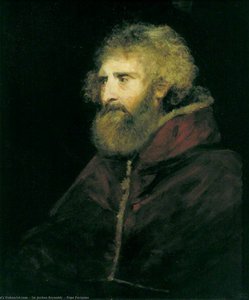

Forgiven dididraudžios kokybės vaizdai
Viešoji domenė: suregalis mirė 1900 m.
Tomas Faedas, Forgiven (1874), Guildhall Art Gallery. Viešoji domenė
Atsakimai į klausimus apie Forgiven
Kur galima pamatyti „Forgiven“ – Tomas Faedas originalą?
Originalų kūrinį „Forgiven“ galite pamatyti Guildhall Art Gallery, London, United Kingdom.
Kada buvo sukurta „Forgiven“?
„Forgiven“ – Tomas Faedas sukurtas 1874 m.
Kokia technika sukurta „Forgiven“ – Tomas Faedas?
Tomas Faedas kūriniui „Forgiven“ panaudojo Oil On Canvas techniką. Ši technika apibrėžė originalaus kūrinio medžiaginę prigimtį.
Kokie yra „Forgiven“ – Tomas Faedas realūs matmenys?
Originalaus kūrinio „Forgiven“ – Tomas Faedas matmenys yra 36 x 48 cm.
Kas yra „Forgiven“?
„Forgiven“ – Tomas Faedas temos apima family portrait, domestic scene, victorian era, warmth, rural life, intimate moment, family bonds, soft lighting. Kartu jie apibendrina šio kūrinio tematiką.
Ar „Forgiven“ yra viešosios teisės kūrinys?
„Forgiven“ – Tomas Faedas yra yra viešosios erdvės dalis – jo autorinė teisė pasibaigusi. Šis statusas nustato, kaip galima reprodukcijaus šio kūrinio vaizdą.
Kas sukūrė „Forgiven“?
„Forgiven“ priskiriamas Tomas Faedas.
Kokio meno kryžmės dalis yra „Forgiven“ – Tomas Faedas?
„Forgiven“ – Tomas Faedas priklauso Contemporary Realism stiliui. Ši dailės kryptis suteikia kūriniui stilistinį kontekstą.
Kokį Tomas Faedas kūrybos etapą atspindi „Forgiven“?
„Forgiven“ atspindi Tomas Faedas kūrybinį laikotarpį Mature Period.
Apie menininką Tomas Faedas

1826–1900, Jungtinė Karalystė
Tomas Faedas
Škocių sentimento palikimas Thomas Faed užima ypatingą vietą Škotijos meno istorijoje, dažnai apibūdinamas su tuo giliu pagarba, kurią galima skirti Robertui Burnsui ir jo įtampai Škotijos dainoms. Gimęs Kirkcudbrightshire, Barlay Mill, Faed buvo neįtikėtinos kūrėjų šeimos dalis; jo broliai Jamesas ir Johnas kartu su seserimi Susan bendradavo šį gilią meninę šaukinį. Jo ankstyvasis gyvenimas buvo į šaknus įsimigdė šiame grubioje, bet gražioje Galloway kraštovrašyje – aplinkoje, kuri neabejotinai suteikė šilumą ir šeimyniškumą jo brangiausiems kūriniams. Gavęs oficialų meno išsilavinimą Edinburgo dizaino mokykloje, jis pradėjo kelionę, kuri leido jam nukeliauti iš Škotijos širdies į prestižines Londono studijas.
Taip pat Tomas Faedas darbai
 Worn Out
 Highland Mary1857
 Faults on Both Sides1861
 The Doctor's Visit1889
Esdai apie Forgiven
 The Timeless Beauty of Oil on Canvas: A Masterclass in Texture, Impasto, and Artistic MasteryDiscover the profound allure of oil on canvas. Explore the mastery of impasto textures, the science of pigment longevity, and expert guides…
 Masterpieces of Quinten Metsys: The Top 25 Essential ArtworksExplore 25 iconic works by Quinten Metsys, the master of the Antwerp School. Discover his Flemish Renaissance gems on OriginalUniqueArt.com.
 Masterpieces of Realism: The Top 25 Artworks by Thomas EakinsExplore the top 25 masterpieces of American Realism by Thomas Eakins. Discover his iconic works and find curated art on OriginalUniqueArt.c…