Peržiūrėti realybėje
 Pasidalinti
 Dalintis
 Išsamiau

 Atsisiųsti
 Panašūs eksponatai
 Rentgeno nuotrauka
 Automatinė diorama
 Statistika
The Tempest


 Skaityti daugiau
Giclée / Meno spausdinimas
Muziejų lygio „giclée“ arba drobos spausdinimas: greita gamyba ir lankstios apdailos parinktys. ( Pirkti rankomis tapytą paveikslą Perejti prie skaitmeninio vaizdo)




P118B $10

P118H $10

P118W $10

P438Z $10

P508JH $12

P508YH $12

P805H $10

P805Z $10

P919BZ $10

P919G $10

P919XJ $10

P959ZH $10

P968JZ $12

W106C $8

W218G $10

W218JH $8

W218Y $10

W307PJ $10

W316G $10

W316PJ $8

W316Y $10

W398PJ $8

W4111J $10

W500HY $15

W500JH $15

W692G $12

W849H $8

W940BG $15

W953PJ $8




Pasirinkite iš mūsų nustatytų dydžių, atitinkančių originalaus meno kūrinio proporcijas.

Galite nurodyti savo matmenis, kad vaizdas atitiktų konkretų rėmą ar erdvę. Jei pasirinktas dydis nesutaps su originalaus paveikslėlio proporcijomis, mes arba apkirpsime kūrinį, arba išplėsime vaizdą naudojant veideliu atspindėtą arba vientisą šoną. Skaitmeninis maketas bus išsiųstas jums patvirtinti prieš pradedant gamybą.
Atkreipkite dėmesį, kad ekrane matomas vaizdinys neatspindi tikrojo apkirpimo ar išplėtimo. Tik maketas tiksliai parodytų galutinę kompoziciją.
Nors galima rinktis ir individualius dydžius, rekomenduojame pasirinkti vieną iš išanksti nustatytų matmenų, kad būtų išlaikytos originalios proporcijos.
Pristatymas visame pasaulyje () per 2 weeks, o ne įprastas 4/5 savaičių laikotarpis. (13 rugsėjis)

Nemokamas greitasis pristatymas visame pasaulyje

Aukštos kokybės lininis drobė

Pilnas siuntimo draudimas

Muitinės mokesčių grąžinimo garantija

Tikro spalvų atitikimo garantija

100 dienų grąžinimo politika (tik esant įtaigoms)

100% pinigų grąžinimo garantija

Nuolaida už kelias reprodukcijas
 Stiklo variantas prieinamas tik pasirinkus dydį iki 110 cm

The Tempest
Giclée / Meno spausdinimas
Reprodukcijos matmenys
-


Galutinė kaina
$ 80
The Tempest by Thomas Cole: A Vision of American Romanticism
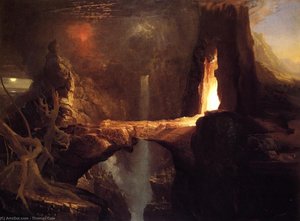
Thomas Cole’s “The Tempest,” painted in 1825, isn't merely a landscape; it’s a profound meditation on the relationship between humanity and nature, a cornerstone of the Hudson River School movement, and a hauntingly beautiful embodiment of early American Romanticism. More than two centuries after its creation, this oil-on-panel masterpiece continues to resonate with viewers, inviting contemplation on themes of power, vulnerability, and the sublime—the awe-inspiring grandeur that simultaneously terrifies and elevates the human spirit.
The painting depicts a dramatic, almost apocalyptic scene set within the Catskill Mountains. A brooding sky, choked with swirling clouds and illuminated by flashes of lightning, dominates the composition. Below, a small clearing reveals two figures—a man and a woman—standing on a rocky outcrop, gazing out at an unseen horizon. The landscape itself is rendered with meticulous detail: ancient trees twisted by wind and weather, a turbulent river rushing through a narrow gorge, and distant peaks shrouded in mist. Cole’s masterful use of chiaroscuro – the dramatic contrast between light and dark – intensifies the scene's emotional impact, creating a palpable sense of tension and foreboding.
A Synthesis of European Tradition and American Identity
Cole, born in Bolton le Moors, England, in 1801, brought with him a deep appreciation for European artistic traditions, particularly those of the Romantic movement. However, he quickly developed a distinctly American sensibility, rejecting the prevalent historical and mythological subjects favored by his European counterparts. Instead, Cole turned his gaze to the untamed wilderness of his adopted homeland, seeking to capture its raw beauty and spiritual significance. “The Tempest” exemplifies this shift—it’s not a depiction of a biblical scene or a classical allegory, but rather an intensely personal response to the grandeur of the American landscape.
The painting's composition is deliberately ambiguous, inviting multiple interpretations. The figures in the foreground are dwarfed by the immensity of nature, suggesting humanity’s vulnerability and insignificance in the face of the sublime. Yet, their gaze—directed towards something beyond the viewer’s sight—hints at a deeper connection to the natural world, a yearning for transcendence. Cole skillfully employs symbolism throughout the work: the storm represents chaos and uncertainty, while the distant peaks symbolize aspiration and hope. The horse and birds scattered across the scene further emphasize the dynamism and energy of the natural world.
Symbolism and the Concept of the Sublime
Central to understanding “The Tempest” is Cole’s concept of the sublime—a term popularized by Edmund Burke in his 1757 treatise *A Philosophical Enquiry into the Origin of Our Ideas of Beauty*. The sublime, as Cole understood it, wasn't simply about beauty; it was about an overwhelming experience that evoked both terror and delight. It was a feeling triggered by encountering something vast, powerful, and beyond human comprehension—something that simultaneously threatened to overwhelm us and inspire awe.
The storm in “The Tempest” is a prime example of this concept. The sheer scale of the clouds, the ferocity of the wind, and the potential for destruction all contribute to a sense of overwhelming power. Yet, within this chaos, there’s also a strange beauty—a raw, untamed energy that captivates the viewer's imagination. Cole masterfully captures this duality, creating an image that is both terrifying and exhilarating.
A Legacy in Reproduction
Today, “The Tempest” remains one of Thomas Cole’s most celebrated works, housed at the High Museum of Art in Atlanta. High-quality reproductions allow art lovers to experience the painting's power and beauty firsthand, bringing its evocative imagery into their homes or offices. The meticulous detail, dramatic lighting, and profound symbolism continue to inspire admiration and contemplation. Reproductions are available through OriginalUniqueArt.com, offering a tangible connection to this pivotal moment in American art history.
Beyond its aesthetic appeal, “The Tempest” serves as a reminder of the enduring power of nature—and our own place within it. It’s an invitation to pause, reflect, and appreciate the sublime beauty that surrounds us, even amidst the storms of life.
Autoriaus biografija
Amerikos kraujaudų tapimo pionierius
Thomas Cole – vardas, tapęs sinonimu gimimo tikrai amerikietiškoje menėje, yra viena esminių XIX amžiaus tapybos figūrų. Gimęs 1801 m. Anglijos Lanksire, Bolton le Moors mieste, jis savo ankstyvojo gyvenimo neišskleidė jokių ženklų apie tai, kokį gilią įtaką jis padės meninei aplinkai. Emigravęs į Jungtines Amerikos Valstijas su šeima 1ng 1818 m. ir apsigyvenęs Ohajo valstijoje, Cole kelionė buvo savęs atradimo ir meninio pažaradimo procesas. Pradėjęs dirbti kaip kaukėtas portretų dažytojas – tai buvo paprastas amacijos profesijos – jis netrukus pajuto trauką prie neaprrežiamo Amerikos laukinės gamtos grožio. Šis pokytis nebuvo tik tematikos keitimas; jis atitiko fundamentalų atsiskyrimą nuo Europos meno tradicijų, kurios dažnai koncentruojosi į istorinius ar mitologinius naratyvus. Cole kraujaudai nebuvo tiesiog gamtos vaizdiniai; jos buvo prisipildytos dvasine ir alegorine galybe, kuri itin stipriai rezonavo su tauta, kurios metu formavosi jos tapatybė. Jo persikėlimas į Catskill, Niujorkas, 1825 m., tapo transformatyviu, suteikdamas jam tiek įkvėpimo, tiek nuolatinės bazės, iš kurios jis galėjo tyrinėti aplinkinę Hudsono upės slėnių – regioną, kuris tapo neatsiejama jo meno pavaržos dalimi.Hudsono upės mokykla ir romantinės idealybės
Cole tinkamai laikomas Hudsono upės mokyklos įkūrėju – meno judėjimo, kurį pasižymi romantiškas Amerikos kraujaudų vaizdymas. Tačiau jį vadinti tik „kraujaudų paveikslėlių meistru“ yra nepakankama. Jo kūriniai viršijo gryną vaizdinimą; jie buvo giliškai filosofiški, dažnai tyrinėjant žmogaus ryšį su gamta, laiko prėjimą bei civilizacijų kilimą ir upetį. Įsipågojęs nuo Europos romantizmo – ypač Claude Lorrain ir J.M.W. Turner kūrybos – Cole šias jautrumas pritaikė amerikietiškiem kontekstui. Ten, kur Europos romantikai dažnai vaizdavo dramatiškas,숭 sublime kraujaudas kaip vidinės turbulencijos atspindį, Cole paveiksluose dažnai išimtino optimizmo ir dieviškos prigimties buvimo pajautimą natūralioje pasaulyje. Jame amerikietiškojo laukinės gamtos nekintėjime jis matė nacionalinio potencialo ir dvasinio atnaujinimo simbolį. The Oxbow (1836), galbūt jo ikoniniškiausias kūrinys, tai puikiai iliustruoja – platus vaizdas, kuriame kontrastaaštai susiduria laukinė, neaprrežiamas upės slėnis ir kultivuaros žemės, atspindėdami tiek pažadą, tiek iššūkių sėkmingam westward expansion (vakarų plėtros) procesui.Alegorija ir Imperijos kursas
Nors Cole garsėjo savo realistiškais gamtos vaizdiniais, jo meninė ambicija išsivystė už grynos kraujaudų tapybos ribų. Jis dažnai taikė alegoriją, kad perteigtų sudėtingas moralines ir filosofines idėjas. Tai galingiausiai pasireiškia jo monumentalioje serijoje The Course of Empire, sukurtoje tarp 1833 ir 1836 metų. Sudaryta iš penkių plėtniojamų audinių – „Vieniška būsena“, „Kaimo būsena“, „Arkadijos būsena“, „Viršūnė“ ir „Sunkiasdidė“ – ši serija seka ciklinius civilizacijos metus, nuo jos grynos pradžios iki neišvengiamo žlugimo. Šie paveikslai nėra tik istoriniai pasakojimai; jie tarnauja kaip įspėjantys pasakojimai apie nekontroliuojamos ambicijos pavojus ir žmogaus pasiekimų trapumą. The Course of Empire giliai rezonavo su samties auditorija, atspindėdama nerimą dėl sparios industrializacijos ir vakarų plėtros, kurios transformavo Amerikos kraujaudas. Tai užtvirtino Cole reputaciją kaip vizionieriaus, gebančio per savo meną išspręsti gilius visuomenės klausimus.Palikimas ir neišnykamąji įtakos veiksmai
Netikėta Thomas Cole mirtis 1848 m., būdos 47 metų, tapo didžiule našta Amerikos meno pasauliui. Tačiau jo įtaka toliau drebėjo per daugybę menininkų kartų. Jis tiesiogiai mokė Frederic Edwin Church, kuris tapo viena iš pagrindinių Hudsono upės mokyklos paveikslininkų antrosios kartos figūrų. Jo pabrėžimas stebėti grynąją gamtą, kartu su giliai asmeniškais ir simboliniais požiūriais į kraujaudų tapybą, padėjo pagrindus išskirtinei amerikietiškoje meninei tradicijai.- Cole kūriniai ir toliau eksponuojami didybėse muziekuose visoje JAV, įskaitant New-York Historical Society, National Gallery of Art Vašingtone ir Smithsonian American Art Museum.
- Jo paveikslai nėra tik istoriniai artefaktai; jie išlieka itin paveikslingi ir aktualūs ir šiandien, skatindami žiūrovus zastigėti bei apsvarstyti savo ryšį su gamta bei amžinus klausimus apie žmogaus vietą pasaulyje.
- Thomas Cole National Historic Site Catskill, Niujorke, saugo jo namus ir studiją, suteikdami lankytojams galimybę įžvelgti į šio išskirtinio menininko gyvenimą ir darbą.

Tomas Kole
1801 - 1848 , Jungtinė Karalystė
Trumpa informacija
- Artistic Movement Or Style: Hudson River Šuola
- Artists Or Movements Influenced By This Artist: ['Asher B. Durand']
- Date Of Birth: Feb 1, 1801
- Date Of Death: Feb 11, 1848
- Full Name: Thomas Cole
- Nationality: Amerikalas
- Notable Artworks:
- The Oxbow
- A View from Mount Etna
- The Voyage of Life
- Place Of Birth: Bolton, UK
Susiję straipsniai
Wild & Untamed: The High-Impact Energy of American Romanticism and the Hudson River School
Experience the raw power of American Romanticism. Explore the high-impact energy of the Hudson River School through premium, hand-painted oil reproductions that capture the sublime beauty and untamed spirit of the American wilderness for discerning collectors.
The Sublime Landscape: Exploring the Hudson River School Movement
Explore the captivating world of the Hudson River School! Discover the history, artists, and defining characteristics of this iconic American art movement. Learn about Romanticism's influence & find inspiration for your collection.
Hudson River School: 10 Šedevrai, Apibrėžę Amerikos Peizažo Meną
Atraskite 10 legendinių Hudson River School kūrinių! Thomas Cole, Frederic Church ir kiti meistrai sukuria nepakartojamą gamtos grožio vaizdą. Išmokite apie jų techniką ir įkvėpkite savo interjerą aukštos kokybės reprodukcijomis iš OriginalUniqueArt.com!
Epic Landscapes & Wild Nature: The Power of the Hudson River School's Sublime Artistry
Explore the breathtaking power of the Hudson River School. Journey through epic American landscapes, from Thomas Cole's sublime vistas to Luminist light, and discover how these timeless masterpieces continue to inspire modern collectors and art lovers worldwide.

Robert Spencer: Luminism, Narrative & the American Landscape Tradition
Explore the captivating world of Luminism & the Hudson River School with our expert analysis. Discover the history, artists, and enduring beauty of 19th-century American landscape painting. Find museum-quality reproductions at OriginalUniqueArt.