
() ·
A painting made for you, by hand
Rankų darbo aliejinės reprodukcijos
Rankiniu būdu tapytas aliejus ant droblio jūsų pageidaujamame dydį ir rėmuose – tai mūsų menininkų pagal užsakymą sukurtas darbas. ( Perjungti į spausdinamus版作品 Perejti prie skaitmeninių vaizdų)
Kolekcinio objekto aprašas
Explore Sutapa Biswas’ ‘Process Imagery 16,’ a vibrant photographic study of an artist’s studio. Capturing chaos & creativity, this work blends realism with layered detail.
Autoriaus biografija
Explore the captivating world of Sutapa Biswas, a British-Indian conceptual artist blending painting, film & time-based media. Her work explores identity, culture & myth – a vital voice in contemporary art.
 Skaityti daugiau
from ·
Chapter 1
How large should it be?
Slide to change the size; the picture on the left shows the frame at its real width. The proportions of the original are kept.
Pasirinkite iš mūsų nustatytų dydžių, atitinkančių originalaus meno kūrinio proporcijas.

Įveskite jums reikiamą plotį ir aukštį, kad paveikslas atitiktų jūsų rėmą ar sieną. Kadangi šis darbas yra rankinio darbo, siekiant išgauti kitokios formos dydį, paveikslas gali būti šiek tiek didesnis (nuo kraštų bus palikta daugiau erdvės) arba mažesnis – pasirinkite jums patogiausią variantą. Prieš pradedant tapyti, atsiųsime jums skaitmeninį maketą patvirtinimui. Šioje puslapio nuotraukoje matomas vaizdas nėra galutinis rezultatas – jį parodys tik sukurtas maketas.
Chapter 2
How should it arrive?
Choose the edges of the stretched canvas
Choose your frame

White €1

Blurside €1

Extended €1

P118B €10

P118H €10

P118W €10

P438Z €10

P508JH €12

P508YH €12

P805H €10

P805Z €10

P919BZ €10

P919G €10

P919XJ €10

P959ZH €10

P968JZ €12

W106C €8

W218G €10

W218JH €8

W218Y €10

W307PJ €10

W316G €10

W316PJ €8

W316Y €10

W398PJ €8

W4111J €10

W500HY €15

W500JH €15

W692G €12

W849H €8

W940BG €15

W953PJ €8

H24-GOLD €30

H24-SILVER €30

H36-GOLD €45

H36-SILVER €45
Įrėmintas
Moulding: . Overall size with the frame: .
Chapter 3
Who paints it, and should anything change?
After order, OriginalUniqueArt.com team will email client for instructions and provide a mockup preview
Pristatymas visame pasaulyje () per 3–4 savaites, o ne įprastai – per 5 savaites. (29 spalis). Kokybė lieka nepakeičiama.
Chapter 4
The finishing touches
A nameplate, as in a museum?
Išgraviruotos bronzinės plokštelės detalės
This elegant plaque features the artist's name and the title of the artwork, finely engraved for a timeless presentation.
It is made from bronze with a refined, elegant finish. The text is precisely laser-engraved for a sharp and permanent result. Measuring 9x2 cm, the plaque is compact yet easy to read. It's built to be durable and scratch-resistant, offering a professional, museum-quality look. Mounting is simple thanks to the included adhesive backing.
Skaidrios akrilo plokštelės informacija
The plaque includes essential engraved details such as the artist's name, the title of the artwork, the date it was created, the type of media used-like oil on canvas or watercolor-a brief description of the piece, and a QR code that links to the complete artwork information.
It is crafted from clear acrylic, offering a sleek, modern appearance. The text is UV-engraved in black to ensure strong visual contrast. With a size of 10x15 cm, it ensures optimal readability. It comes equipped with two metal hooks for secure wall mounting. The plaque is designed to be weather-resistant, making it suitable for various environments, and it includes interactive features that work seamlessly with smartphone scanning.
Juodos akrilo plokštelės informacija
This elegant plaque includes engraved information such as the artist's name, the title of the artwork, the date it was created, the type of media used (like oil on canvas or watercolor), a short description of the artwork, and a QR code for quick access to more information.
The plaque itself is made from refined black acrylic with a premium finish. The text is laser-engraved in white for high contrast and readability. Its size is 10x15 cm, designed to be easy to read. It comes with two metal hooks for professional mounting. The design is sleek and fits any interior style. It is also weather-resistant and durable, with built-in digital integration for mobile compatibility.
A protective varnish?
When do you need it?
Chapter 5
Your painting, as you ordered it

Process Imagery 16
Reprodukcijos technika
Reprodukcijos matmenys
-

Aukščiausios klasės meistras
Daugiau detalių, meistriškumo ir papildomo gamybos laiko
-

Reprodukcijos rėmėjimo parinktys
-
-
Dėl meno kūrinių ar reprodukcijų, kurių bet kuri pusė yra didesnė nei 105 cm (apie 41 inch), rėmas bus siunčiamas kaip išskaidytas surinkimo rinkinys. Šis metodas užtikrina saugų pristatymą ir apsaugo nuo transportavimo metu galimos žalos.
Reikalingas profesionalus surinkimas – tai nėra „pasidaryk pats“ (DIY) produktas.
Rinkinys turi būti surinktas, o drobė išplėsta naudojant patyrį profesionalų rėmininką, medžio klijus (nėra įtraukti į rinkinį), drobės plėšimo kleslę bei presas, kad rėmo rėžiai išliktų tiesūs, kol klijai išdžiūvus. Netinkamas surinkimas arba netolydus drobės įtampa gali negrįžtamai sugadinti meno kūrinį, todėl šie atvejai nėra užtraukiami mūsų garantijos.
 Dėl meno kūrinių ar reprodukcijų, kurių bet kuri pusė yra didesnė nei 105 cm (apie 41 inch), rėmas bus siunčiamas kaip išskaidytas surinkimo rinkinys. Šis metodas užtikrina saugų pristatymą ir apsaugo nuo transportavimo metu galimos žalos.
Į komplektą įeina visi vientisos medienos elementai, tiksliai išpjauti pagal dydį.
Surmontinama naudojant pridėtus varžtus bei papildomai reikalingą medžio kliją kampų jungtims, kuris nėra pridėtas ir turi būti parinktas rėmininkui.
Reikalingi profesionalūs įrankiai, kurie nėra įtraukti į rinkinį: drobės kėlimo plytelės (stiprintuvai) ir klemiai, laikantys rėmo strygius tiesiu kampu, kol džiūsta lipas.
Svarbu:
Kampų jungtims reikalingi medžio klijai, barams reikia laikyti naudojant presas, kol klijai visiškai išdžiūvės, o surinktam rėmui įtempiamai privilgti būtinos drobės įtempimo plytযুক্ত. Šios priemonės į rinkinį neįtrauktos. Prieš užsakydami šio dydžio rinkinį, rekomenduojame pasimalkoti patyrusiu rėmų meistru.

Pavadinimo lentelė
-
-

Apsauginis lakas
Blizgus lakas (ryškina spalvas, saugo nuo šviesos ir drėgmės)
-

Personalizuoti kūrinį
Ką galima pakeisti (pavyzdžiui): pakeisti veidą klientui skirta nuotrauka; pridėti augintinį (pvz., katę pakeisti šuniu); įtraukti paslėptą žinutę fone; pakeisti fono kraštovaizdį ar elementus.
-

Skubiai
Pristatymas visame pasaulyje () per 3–4 savaites, o ne įprastai – per 5 savaites. (29 spalis). Kokybė lieka nepakeičiama.
-
Skubus pristatymas
Pristatymas visame pasaulyje () per 5 weeks. (5 lapkritis).
Įskaičiuota
Bendroji kaina
€ 265
Stiklo variantas prieinamas tik pasirinkus dydį iki 110 cm
Included with every order
- Nemokamas greitasis pristatymas visame pasaulyje
- Aukštos kokybės lininis drobė
- Pilnas siuntimo draudimas
- Muitinės mokesčių grąžinimo garantija
- Tikro spalvų atitikimo garantija
- 100 dienų grąžinimo politika (tik esant įtaigoms)
- 100% pinigų grąžinimo garantija
- Nuolaida dideliems užsakymams


 Peržiūrėti realaus dydžio版
 Pasidalinti
 Dalintis
 Išsamiau
 Vadovas

 Atsisiųsti
 Panašūs eksponatai
 Rentgeno spindulių nuotrauka
 Automatinė diorama
 Q&A
Q&A Statistika
In numbers
- 2018the year it was painted
- 29frames to choose from
- standard sizes, in its own proportions
- 5weeks to paint and deliver it
About the original


Šis kūrinys yra saugomas autorinės teisės
Šiame puslapyje rodomas meno kūrinys yra saugomas autorių teisių įstatymais, todėl neturime teisės legaliai kurti ar parduoti jo identiškos reprodukcijos. Ši apsauga užtikrinama remiantis tokiais tarptautiniais susitarimais kaip Bernės konvencija ir pagal nacionalines įstatymų nuostatas, įskaitant tas, kurias nurodo JAV autoriškos teisės įstatymas – 17-asis skyrius.
Kaip pagarbią ir teisėtą alternatyvą, mes siūlome pagal užsakymą rankomis dažytus paveikslus, įkvėptus originalo. Mūsų įgudę ir profesionalūs menininkai kruopščiai tiria originalo stilių, nuotaiką ir meninę esmę, kad sukurtų naują, unikalią kūrinį, kuris sukelia tą paties jausmą – išlikdamas tuo tarciau originaliu, savarankišku kūrybiniu darbu.
Šis metodas visiškai atitinka autorių teises, nes jame nėra saugomo kūrinio kopijavimo ar dubliavimo. Tai yra kūrybinė reinterpretacija – naujas paveikslas, kurį įkvėpė originalas, tačiau kuris nėra jo identiškas.

Sutapa Biswas
1962 - , United Kingdom
Quick facts about Sutapa Biswas
- Full Name: Sutapa Biswas
- Nationality: British Indian
- Date Of Birth: 1962
- Place Of Birth: United Kingdom
- Notable Artworks:
- Process Imagery 11
- Process Imagery 16
- Process Imagery 9
- Artistic Movement Or Style: Conceptual art
Autoriaus biografija
A Tapestry of Memory and Myth: The Art of Sutapa Biswas
The life and work of Sutapa Biswas exist at a profound intersection of geography, culture, and the reclamation of history. Born in 1962 in the culturally rich landscape of Shantiniketan, West Bengal, India, her early years were steeped in the traditions of Bengali art and literature. This foundational connection to storytelling would later become the heartbeat of her conceptual practice. However, it was her migration to London at the age of four that set the stage for a lifelong dialogue between her South Asian heritage and her Western environment. Growing up in Southall, Biswas developed a unique vantage point—one that allowed her to witness the complexities of the immigrant experience while navigating the established artistic canons of Europe.
Her formal education provided the technical scaffolding for her radical conceptual inquiries. From her BFA at the University of Leeds to intensive studies at the Slade School of Art and her postgraduate work at the Royal College of Art, Biswas mastered a diverse array of disciplines. Yet, she was never content with mere technical proficiency; even as a student, she demonstrated an assertive intellectualism. It is famously noted that during her time at Leeds, she challenged the Eurocentric curriculum, demanding a more inclusive approach to art history. This spirit of resistance would become a defining characteristic of her career, as she sought to upskirt the boundaries of what constitutes "contemporary" art by weaving together disparate threads of identity.
The Alchemy of Identity and Iconography
Biswas’s artistic output is a breathtakingly diverse landscape that refuses to be confined to a single medium. While her early career in the 1980s was marked by powerful, visceral paintings, she has since expanded her vocabulary to include drawing, film, photography, performance, and installation. Her work often functions as an interrogation of gender, race, and colonial legacies. She frequently draws upon the potent imagery of Hindu mythology, not merely for aesthetic beauty, but to explore deeper truths about power and transformation. In works such as Kali (1984), she utilizes the iconography of the Hindu goddess of time and change to navigate themes of destruction and rebirth, effectively using ancient symbols to comment on modern struggles.
One of her most seminal achievements is the monumental self-portrait Housewives with Steak-Knives (1985). This piece serves as a masterclass in subverting stereotypes; by presenting a powerful female figure that resists Westernized, exoticized depictions of South Asian women, Biswas reclaims agency for the subject. Her ability to blend the personal with the political is perhaps her greatest strength. Whether through the cinematic narrative of Birdsong or her large-scale mural projects like Process Imagery, she creates spaces where the viewer must confront their own assumptions about cultural boundaries and the fluidity of the self.
Legacy and the Reclaiming of the Narrative
For much of her career, Biswas’s contributions were part of a vital but often overlooked movement within British art. Her participation in landmark exhibitions, such as The Thin Black Line curated by Lubaina Himid, placed her at the forefront of a generation of Black and Asian women artists who were reshaping the landscape of post-war British art. In recent years, there has been a profound resurgence of recognition for her work, exemplified by major solo exhibitions at prestigious institutions like the BALTIC Centre for Contemporary Art and Kettle’s Yard. These shows have allowed a new generation to witness how she successfully disrupted the Eurocentric limits of artistic discourse.
Today, Sutapa Biswas stands as a monumental figure in contemporary art, an artist whose work continues to evolve alongside the shifting tides of global identity. Her legacy is found in her refusal to accept a singular narrative and her courage to use the tools of the academy to dismantle its prejudices. Through her lens, we see that art is not merely a reflection of reality, but a powerful instrument for reimagining it—a way to entwine colonial history with personal memory to create something entirely new, vibrant, and undeniably essential.
Susiję straipsniai

Beyond the Lens: Photography's Enduring Influence on Modern & Contemporary Art
Explore photography's pivotal role in shaping modern & contemporary art. Discover key movements, influential artists like Stieglitz, and expert collecting advice from OriginalUniqueArt.
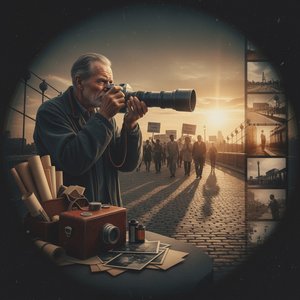
Witnessing History Through Lens & Light: Documentary Photography's Enduring Legacy
Explore the powerful history of documentary photography – from its origins to contemporary masters like Gordon Parks & W. Eugene Smith. Discover how this art form shapes our understanding of society and witness pivotal moments in time.

Pictorialism: A Search for Artistic Photography's Soul – Aesthetics, Techniques & Legacy
Explore the captivating world of Pictorialism – a pivotal movement that transformed photography into fine art. Discover key artists like Stieglitz & Käsebier, techniques, and collecting tips from experts.

Monochrome Visions: Exploring the Aesthetic & Historical Significance of Black & White Photography
Explore the rich history & artistic power of black and white photography. From early techniques to iconic masters like Ansel Adams, discover why monochrome continues to captivate art lovers today. Expert insights for collectors.