
 Peržiūrėti realaus dydžio版
 Pasidalinti
 Dalintis
 Išsamiau
 Vadovas

 Atsisiųsti
 Panašūs eksponatai
 Rentgeno spindulių nuotrauka
 Automatinė diorama
 Q&A
Q&A Statistika
Martial Attire


 Skaityti daugiau
Šiame puslapyje rodomas meno kūrinys yra saugomas autorių teisių įstatymais, todėl neturime teisės legaliai kurti ar parduoti jo identiškos reprodukcijos. Ši apsauga užtikrinama remiantis tokiais tarptautiniais susitarimais kaip Bernės konvencija ir pagal nacionalines įstatymų nuostatas, įskaitant tas, kurias nurodo JAV autoriškos teisės įstatymas – 17-asis skyrius.
Šis metodas visiškai atitinka autorių teises, nes jame nėra saugomo kūrinio kopijavimo ar dubliavimo. Tai yra kūrybinė reinterpretacija – naujas paveikslas, kurį įkvėpė originalas, tačiau kuris nėra jo identiškas.
Giclée / Meno spausdinimas
Muziejų lygio „giclée“ arba drobos spausdinimas: greita gamyba ir lankstios apdailos parinktys. ( Pirkti rankų darbo tapybą Perejti prie skaitmeninių vaizdų)




































Pasirinkite iš mūsų nustatytų dydžių, atitinkančių originalaus meno kūrinio proporcijas.

Įveskite jums reikiamą plotį ir aukštį, kad atvaizdas derėtų prie jūsų rėmo ar sienos. Spausdiną galima tik sumažinti, bet nepadidinti virš originalaus paveikslėlio dydžio, todėl keičiant proporcijas, dalis vaizdo prarandama. Prieš spausdinimą atsiųsime jums skaitmeninį maketą patvirtinimui. Šioje puslapio nuotraukoje matomas pjūvis nėra tikslus – jį rodo tik maketas.
Pristatymas visame pasaulyje () per 2 weeks, o ne įprastas 4/5 savaičių laikotarpis. (2 lapkritis)

Nemokamas greitasis pristatymas visame pasaulyje

Aukštos kokybės lininis drobė

Pilnas siuntimo draudimas

Muitinės mokesčių grąžinimo garantija

Tikro spalvų atitikimo garantija

100 dienų grąžinimo politika (tik esant įtaigoms)

100% pinigų grąžinimo garantija

Nuolaida dideliems užsakymams
 Stiklo variantas prieinamas tik pasirinkus dydį iki 110 cm

Martial Attire
Giclée / Meno spausdinimas
Reprodukcijos matmenys
-


Bendroji kaina
€ 71
Klausimai ir atsakymai
Kuriam muziejui priklauso originalus „Martial Attire“?
Originalus „Martial Attire“ – Sun Pengzu saugomas China Modern and Contemporary Art Document Research Center, Pekinas, Kinijos Liaudies Respublika. Kopija leidžia šį kūrinį eksponuoti namuose.
Kaip galiu įsigyti „Martial Attire“ – Sun Pengzu skaitmeninį vaizdą?
„Martial Attire“ galima įsigyti kaip aukštos raiškos skaitmeninio vaizdo atsisiuntimas, tiesiogiai savo Skaitmeninis vaizdas puslapio.
Kaip atsisiųsti „Martial Attire“ – Sun Pengzu vaizdą?
„Martial Attire“ – Sun Pengzu galite atsisiųsti iš kūrinio Atsisiųsti skaitmeninį vaizdą puslapio kaip aukštos raiškos skaitmeninio vaizdo atsisiuntimas.
Autoriaus biografija
Sun Pengzu: The Tragic Emperor and Master of Brush
Sun Pengzu, more commonly known as Sun Hao (243 – January or February 284), was a figure inextricably linked to the twilight years of the Eastern Wu dynasty during the Three Kingdoms period. Born into a lineage steeped in imperial ambition, he ascended to the throne amidst a yearning for stability and experience—a desire tragically unmet by his own capabilities. His reign, though brief, became a symbol of decline, ultimately contributing to the empire’s swift fall. Yet, beyond the political turmoil, Sun Hao was also a skilled artist, leaving behind a small but significant body of work that offers glimpses into his personality and artistic sensibilities.Initially named Sun Pengzu (彭祖), he was born into a family with imperial connections, the son of Sun He, a prince who had been sidelined by court politics. This early experience of marginalization profoundly shaped his worldview. Following the death of Emperor Jing in 264, driven by popular sentiment and a perceived need for an older ruler to guide Wu through turbulent times, he was thrust onto the throne. However, this elevation proved disastrous. Sun Hao lacked the strategic acumen, political finesse, and administrative skills necessary to govern effectively. He indulged in extravagant displays of wealth, prioritized personal pleasures over state affairs, and surrounded himself with sycophants who shielded him from reality.
Sun Hao’s artistic talent was evident early on. He received a thorough education, mastering the traditional arts of calligraphy, painting, and poetry. His most famous works are believed to be “Hero Song” (英雄歌) and “Martial Attire” (武衣), both rendered in meticulous pencil shading and hatching—a technique that emphasized texture and detail. "Martial Attire," depicting a horse with remarkable realism and symbolic weight, is particularly noteworthy for its use of grayscale tones to evoke a sense of mythic grandeur and the power of nature. The painting’s composition suggests a connection to Daoist philosophy, emphasizing harmony and balance—a stark contrast to the chaos that characterized his reign.
A Reign of Excess and Decline
Sun Hao's rule was marked by a series of disastrous decisions. He ignored the counsel of experienced officials, continued military campaigns against weakened enemies without strategic planning, and squandered the empire’s resources on lavish projects like the Zhaoming Palace. The constant drain on the treasury exacerbated Wu’s economic woes, while his cruelty and arbitrary justice alienated potential allies and fueled resentment among the populace. The fall of Shu Han in 263 further destabilized the situation, creating a power vacuum that Sun Hao was ill-equipped to fill. His inability to effectively respond to these challenges ultimately sealed Wu's fate.Legacy and Historical Context
Following the Jin dynasty’s conquest of Wu in 280, Sun Hao surrendered and was given the title Marquis of Wucheng (烏程侯), a recognition of his former status. After the Jin forces captured him, he was further demoted to Marquis Guiming (歸命侯) – literally “the marquis who resigns to his fate” – a poignant reflection of his downfall. Later, he became known as the Later Lord of Wu (吳後主) and the Last Emperor of Wu (吳末帝), titles used by historians to underscore his role as the final representative of a once-proud dynasty.Sun Hao’s story serves as a cautionary tale about the dangers of incompetence, vanity, and a disconnect from reality. While he is remembered primarily for his disastrous reign, his artistic legacy offers a glimpse into the man behind the emperor—a skilled artist who, despite his flaws, possessed a keen eye for detail and an appreciation for beauty. His “Martial Attire” remains a testament to his talent, a poignant reminder of a lost empire, and a window into the complex world of Three Kingdoms art.
Artistic Influences and Techniques
Sun Hao’s artistic style reflects a blend of traditional Wu styles with elements of Daoist aesthetics. The meticulous pencil shading and hatching techniques employed in works like “Martial Attire” are reminiscent of the Northern Song dynasty, particularly the work of artists who emphasized realism and texture. The use of grayscale tones also suggests an influence from Buddhist art, where monochrome palettes were often used to convey a sense of solemnity and spiritual depth. Furthermore, his artistic output demonstrates a deep understanding of symbolism—particularly in “Martial Attire,” where the horse represents strength, power, and the connection between humanity and nature.
Sun Pengzu
China
Trumpa informacija
- Full Name: Sun Pengzu (243 – January/February 284)
- Nationality: Chinese
- Date Of Birth: N/A, China
- Place Of Birth: N/A, China
- Notable Artworks:
- Hero Song
- Martial Attire
- Artistic Movement Or Style: Three Kingdoms Art
Susiję straipsniai
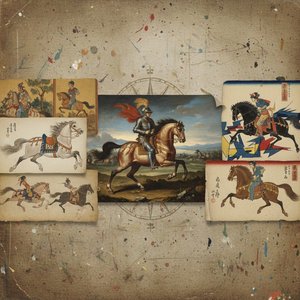
The Noble Steed on Canvas: A Historical & Artistic Exploration of Horse Painting Across Cultures
Explore the rich history of horse painting! Discover masterpieces from Stubbs to Munnings & learn about symbolism, techniques & artists. Find museum-quality reproductions at OriginalUniqueArt.

The Equine Muse: A Historical & Artistic Exploration of Horses in Painting
Explore the captivating history of horses in painting! Discover Renaissance masterpieces, Baroque grandeur & expert insights for collecting equestrian art. Learn about symbolism, techniques & lasting value with OriginalUniqueArt.
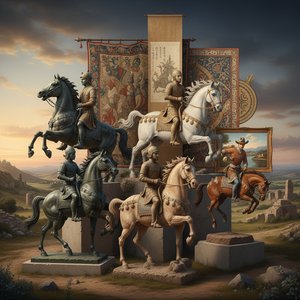
The Noble Steed: A Historical & Artistic Exploration of Equestrian Art Across Cultures
Explore the captivating history of equestrian art with OriginalUniqueArt. Discover masterpieces from Velázquez to Van Dyck & learn about collecting these timeless works. Expert insights for discerning connoisseurs.

Equestrian Elegance: Discovering the Timeless Majesty of Masterpiece Horse Paintings
Immerse yourself in the majesty of equestrian art. Discover museum-quality, hand-painted horse reproductions and bespoke commissions that capture the power and grace of the equine form. Perfect for discerning collectors seeking timeless elegance and unparalleled craftsmanship.
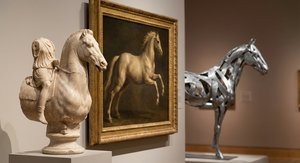
The Noble Steed: A Historical and Artistic Exploration of Horses in Fine Art
Explore the rich history of horses in fine art! From ancient depictions to Renaissance masterpieces & beyond, discover iconic artworks and artists. Learn about symbolism, techniques, and find museum-quality reproductions at OriginalUniqueArt.