
 Peržiūrėti realaus dydžio版
 Pasidalinti
 Dalintis
 Išsamiau
 Vadovas

 Atsisiųsti
 Panašūs eksponatai
 Rentgeno spindulių nuotrauka
 Automatinė diorama
 Q&A
Q&A Statistika
Gemini

- 61.0 x 54.0 cm


 Skaityti daugiau
Gaukite spausdinimui paruoštą failą, kurio kokybė gerokai viršija internetinę peržiūrą. Kiekvienas mūsų parduodamas skaitmeninis vaizdas yra ištrauktas iš aukštos raiškos pagrindinio failo mūsų duomenų bazėje — paprastai jis siekia nuo 5 000 iki 15 000 pikselių plotio — todėl galite drąsiai spausdinti didelius formatus, apkirpti vaizdą ar reprodukcija užtikrins visas smulkias detales.
Mūsų studijoje nė viena kopija nelieka neapdorota. Skaitmeninio vaizdo ekspertas, lygiu su originaliu paveikslu, patikrina spalvas ir, jei reikia, jas koreguoja, o tada profesionaliais retušavimo įrankiais padidina aiškumą bei detales — visada išlaikydamas ištikimybę autoriaus teptuko traukoms ir stiliui. Rezultatas – vaizdas, kuris atrodo kaip tikras paveikslas, o ne kaip su filtrais apdorotas skenavimas.
Patvirtinate prieš užsakymo pabaigą: mūsų ekspertas per 72 valandas el. laišku atsiųsta vaizdą jūsų peržiūrai. Nepasitenkinate rezultatu? Paprašykite patobulinimų ar pataisymų arba prašykite pinigų grąžinimo, jei kokybė neatitinka jūsų lūkesčių.
Ši kokybė yra patikima leidybos įstaigoms, dizaino studijoms, galerijoms ir spaudos įmonėms.
Skaitmeninis vaizdas
Atsisiųskite didelės raiškos failą asmeniniam naudojimui, spausdinimui ir kūrybiniams projektams. ( Perjungti į spausdinamus版作品 Pirkti rankų darbo tapybą)
Kiekvieną skaitinio vaizdo užsakymą papildė
Profesionalus skaitmeninis vaizdų pristatymas, garantuotas
Pasirinkę OriginalUniqueArt.com, jūs ne tik gaunate paveikslėlį – jūs gaunate profesionaliai patobudintą skaitmeninį kūrinį, sukurtą itin tikniai ir užtikrinantį pasitenkinimą. Štai viską, kas automatiškai pritékia jūsų užsakymui:

Greitas pristatymas el. paštu
Jūsų aukštos raiškos skaitmeninis vaizdo failas bus išsiųstas el. paštu per 72 valandas nuo užsakymo – jis bus paruoštas naudoti be jokių papildomų veiksmų.

Dirbtiniu intelektu tobulintas skaitmeninis failas
Jūsų meno kūrinys profesionaliai optimizuojamas naudojant pažangius dirbtinio intelekto įrankius ir rankinį redagavimą, užtikrinant maksimalią detalę, aiškumą ir spalvų tikslumą.

Nemokamas visam laikui pakartotinis siuntimas
Atsitiktinai ištrytikote ar praradote savo failą? Nebijokite – bet kuriuo metu atsiųsime jį jums vėl nemokamai.

Jokio importo mokesčio – niekada
Mėgaukitės savo meno kūrynu be jokių muitinės mokesčių, įkainų ar pristatymo išlaidų – skaitiniai failai visada yra neapmokestinami.

Spalvų tikslumo garantija
Naudodami profesionalią įrangą ir spalvų valdymo sistemas, užtikriname, kad jūsų skaitmeninis vaizdas kuo tiksliau atspindėtų originalias spalvas.

100 dienų patikimumo garantija
Jei nebuvosite patenkinti įsigyto skaitmeninio vaizdo, mes jį tališkai koreguosime arba grąžinsime 100% sumą per 100 dienų – be jokių klausimų.

100% pinigų grąžinimo garantija
Nesitenkinate? Gaukite visą sumokėtą sumą per 100 dienų nuo skaitmeninio failo gavimo – be jokių papildomų klausimų.

Nuolaidos dideliems užsakymams
Pirkti 3 nuotraukas – 10% nuolaida – Pirkti 5 – 15% nuolaida – Pirkti 10 ir daugiau – 20% nuolaida. Puikiai tinka kūrybiniams projektams, galerijoms bei agentūroms.
Klausimai ir atsakymai
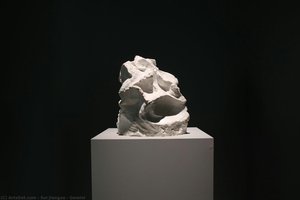
Kur galiu rasti panašių kūrinių kaip „Gemini“ – Sui Jianguo?
Puslapio Panašūs kūriniai skiltyje, skirtoje kūriniam darbui „Gemini“ – Sui Jianguo, pateikiami panašūs meno kūriniai.
Kaip suformuota „Gemini“ – Sui Jianguo spalvų kompozicija?
„Gemini“ – Sui Jianguo spalvų kompozicijoje Gentle kontrastas susilieja su Discordant Palette harmonija.
Ar „Gemini“ kūrijas Sui Jianguo žinomas에도 kitais vardais?
Sui Jianguo taip pat žinomas (žinoma) kaip 隋建國.
Autoriaus biografija
Early Life and the Echoes of Maoist China
Sui Jianguo, born in Qingdao, China in 1956, is a figure deeply marked by the tumultuous history of his nation. His formative years unfolded under the long shadow of Mao Zedong’s rule, an era that profoundly shaped not only Chinese society but also the very fabric of its artistic expression. Growing up as the son of factory workers, Sui experienced firsthand the hardships and sacrifices demanded by the communist regime. The absence of his parents due to their demanding work schedules instilled a sense of early independence, but more significantly, it exposed him to the pervasive influence of Maoist ideology. During this period, art was largely confined within the strict parameters of socialist realism—a style that glorified the revolution and its leader in idealized terms. This official aesthetic, intended to cultivate a cult of personality around Mao, became the dominant visual language of the time.
However, beneath the surface of officially sanctioned imagery lay a simmering discontent. Sui’s early exposure to this controlled artistic landscape would later become a crucial point of departure for his own work. The rigid constraints and propagandistic nature of socialist realism sparked within him a desire to explore alternative forms of expression—a yearning that was initially suppressed but ultimately fueled his artistic evolution. His childhood, spent witnessing the realities of factory life and the omnipresent imagery of Mao, laid the foundation for a career dedicated to confronting and reinterpreting China’s complex past.
From Propaganda to Personal Expression
The Cultural Revolution brought further disruption to Sui Jianguo's early life. Schools were closed, and he was compelled to join his parents in factory work—a period he later described as being “transfixed in the age of Mao worship.” This experience wasn’t merely a matter of labor; it was an immersion into the very heart of the system he would eventually critique through his art. He began painting propaganda posters, dutifully replicating the idealized images of Mao that permeated society. Yet, even within these confines, a nascent artistic sensibility began to emerge.
A turning point arrived with a broken arm in 1976—an injury that unexpectedly liberated him from factory work and allowed him to pursue his burgeoning passion for art. This period of convalescence became a time of profound introspection, as Sui contemplated his “spiritual” life and the direction he wished to take. With his father’s encouragement, he secretly began studying painting at night, laying the groundwork for a future career that would challenge the established norms of Chinese art. His early works reflected this transition—a traditional landscape painting completed after Mao's death signaled a departure from the rigid constraints of socialist realism and a tentative exploration of personal expression.
Sculptural Innovations and the Use of Raw Materials
Sui Jianguo’s artistic journey took a decisive turn when he enrolled in the Central Academy of Fine Arts in Beijing, where he focused on sculpture. Inspired by his years in the factories—a place where physical labor and manual skill were paramount—he embraced the medium as a means of translating his experiences into tangible form. After earning his master’s degree, Sui embarked on a period of international travel, exhibiting his work in Japan, Australia, and other countries. These encounters broadened his artistic horizons and exposed him to diverse perspectives.
His early sculptures were characterized by the use of “naturalistic materials”—rocks, boulders, and steel—which he manipulated to create powerful forms that resonated with his perception of life and internal conflicts. He developed unique techniques of sealing, binding, tying, and hammering, forging a relationship between his materials that was both associative and confrontational. However, it was his exploration of Mao suits in 1997 that truly catapulted him to international prominence. These sculptures—imitations of Chairman Mao’s iconic jacket—became instantly recognizable symbols of China’s complex past.
The Mao Suit Series: Memory, Power, and Transformation
The Mao suit series represents a pivotal moment in Sui Jianguo’s career and a significant contribution to contemporary Chinese art. These sculptures are not merely replicas of a garment; they are potent symbols that evoke the era of Mao Zedong and its enduring legacy. By recreating these iconic jackets, Sui forces viewers to confront their own relationship with China’s history—a history marked by both revolutionary fervor and profound social upheaval.
The materials used in the series further amplify its symbolic weight. Often crafted from marble or other durable stones, the suits take on a monumental quality, suggesting the enduring power of Maoist ideology. The act of transforming this everyday object into a sculpture also speaks to the process of historical reinterpretation—a process that Sui actively engages with in his work. His sculptures have attracted the attention of prominent collectors like Uli Sigg, solidifying his position as a leading figure in the Chinese contemporary art scene.
Historical Significance and Contemporary Relevance
Sui Jianguo’s work is deeply rooted in the historical context of China, but its themes resonate far beyond national boundaries. His exploration of memory, power, and transformation speaks to universal human experiences—the struggle for identity, the weight of the past, and the search for meaning in a rapidly changing world.
As professor and ex-chairman of the Department of Sculpture at the Central Academy of Fine Arts in Beijing, Sui Jianguo has played a crucial role in shaping the next generation of Chinese artists. His work continues to challenge conventional notions of art and history, prompting viewers to question established narratives and engage with China’s complex past on a deeper level. He is not simply documenting history; he is actively reinterpreting it—a process that is essential for understanding the present and forging a path towards the future.
- Gemini (2009): A striking sculpture of stacked marble boulders, embodying power and resilience.
- The Mao Suit Series: Sculptures crafted from durable materials like marble, representing enduring ideology.
- Land Depression: Early sculptures utilizing rocks and steel to explore internal conflicts.
Sui Jianguo
China
Trumpa informacija
- Full Name: Sui Jianguo
- Nationality: Chinese
- Place Of Birth: China
- Notable Artworks:
- Blind Portraits
- Legacy Mantle
- Made in China
- Artistic Movement Or Style: Contemporary Sculpture
- Artists Who Influenced This Artist:
- Richard Serra
- Heidegger
- Artists Or Movements Influenced By This Artist: ['Landform Sculpture']