

 Peržiūrėti realybėje
 Pasidalinti
 Dalintis
 Išsamiau

 Atsisiųsti
 Panašūs eksponatai
 Rentgeno nuotrauka
 Automatinė diorama
 Statistika
Death on the Battlefield


 Skaityti daugiau
Giclée / Meno spausdinimas
Muziejų lygio „giclée“ arba drobos spausdinimas: greita gamyba ir lankstios apdailos parinktys. ( Pirkti rankomis tapytą paveikslą Perejti prie skaitmeninio vaizdo)




P118B $10

P118H $10

P118W $10

P438Z $10

P508JH $12

P508YH $12

P805H $10

P805Z $10

P919BZ $10

P919G $10

P919XJ $10

P959ZH $10

P968JZ $12

W106C $8

W218G $10

W218JH $8

W218Y $10

W307PJ $10

W316G $10

W316PJ $8

W316Y $10

W398PJ $8

W4111J $10

W500HY $15

W500JH $15

W692G $12

W849H $8

W940BG $15

W953PJ $8




Pasirinkite iš mūsų nustatytų dydžių, atitinkančių originalaus meno kūrinio proporcijas.

Galite nurodyti savo matmenis, kad vaizdas atitiktų konkretų rėmą ar erdvę. Jei pasirinktas dydis nesutaps su originalaus paveikslėlio proporcijomis, mes arba apkirpsime kūrinį, arba išplėsime vaizdą naudojant veideliu atspindėtą arba vientisą šoną. Skaitmeninis maketas bus išsiųstas jums patvirtinti prieš pradedant gamybą.
Atkreipkite dėmesį, kad ekrane matomas vaizdinys neatspindi tikrojo apkirpimo ar išplėtimo. Tik maketas tiksliai parodytų galutinę kompoziciją.
Nors galima rinktis ir individualius dydžius, rekomenduojame pasirinkti vieną iš išanksti nustatytų matmenų, kad būtų išlaikytos originalios proporcijos.
Pristatymas visame pasaulyje () per 2 weeks, o ne įprastas 4/5 savaičių laikotarpis. (16 rugsėjis)

Nemokamas greitasis pristatymas visame pasaulyje

Aukštos kokybės lininis drobė

Pilnas siuntimo draudimas

Muitinės mokesčių grąžinimo garantija

Tikro spalvų atitikimo garantija

100 dienų grąžinimo politika (tik esant įtaigoms)

100% pinigų grąžinimo garantija

Nuolaida už kelias reprodukcijas
 Stiklo variantas prieinamas tik pasirinkus dydį iki 110 cm

Death on the Battlefield
Giclée / Meno spausdinimas
Reprodukcijos matmenys
-


Galutinė kaina
$ 80
A Macabre Vision of Mortality
In the hauntingly beautiful masterpiece Death on the Battlefield, the Florentine master Stefano della Bella invites us into a realm where the boundaries between life and decay dissolve. The composition is dominated by a striking, skeletal figure mounted upon a powerful horse, an image that immediately commands the viewer's attention with its raw, visceral energy. This is not merely a depiction of death, but a theatrical performance of mortality. As the skeleton raises an arm toward the heavens, clutching a scepter and wearing a crown, it assumes the role of a grim sovereign, presiding over the chaos of conflict. The dynamic movement of the horse, positioned with a sense of urgent momentum, creates a sweeping motion that guides the eye across the canvas, making the skeletal rider feel as though it is charging through the very fabric of time itself.
The artistry of della Bella, rooted in his profound training as an etcher and draughtsman, shines through in the intricate details of this work. Though he was a master of the fine line, the essence of his printmaking precision is felt in every contour of the bone and every muscle of the steed. The sky above, stretching from corner to corner, provides a vast, atmospheric backdrop that lends a sense of epic scale to the scene. Small, delicate details—such as the presence of birds drifting through the upper reaches of the frame—offer a poignant contrast to the central figure. These creatures of life, soaring amidst the symbols of death, serve to heighten the emotional tension, reminding us of the fragile coexistence between the living world and the inevitable end that awaits all things.
Symbolism and the Baroque Spirit
To understand Death on the Battlefield, one must look through the lens of the Baroque era, a period obsessed with the concept of memento mori—the reminder that death is an ever-present companion. The crown and scepter held by the skeletal figure are deeply symbolic; they suggest that even the highest earthly powers and most glorious conquests are ultimately subject to the leveling force of death. This piece serves as a powerful allegory for the futility of war and the transient nature of human ambition. For the collector or the interior designer, this artwork offers more than just visual splendor; it provides a profound philosophical depth, making it a conversation piece that challenges the viewer to contemplate the fleeting essence of existence.
The emotional impact of the work lies in its ability to be simultaneously terrifying and mesmerizing. There is a certain dark elegance in the way della Bella captures the skeletal form, transforming what could be a grotesque image into something of profound aesthetic grace. For those seeking to adorn a space with art that possesses both historical weight and dramatic flair, this reproduction offers an unparalleled opportunity. It brings into a room a sense of history, a touch of the sublime, and a masterful command of light and shadow that can transform a modern interior into a gallery of contemplative thought.
Susiję straipsniai

The Equine Muse: A Historical & Artistic Exploration of Horses in Painting
Explore the captivating history of horses in painting! Discover Renaissance masterpieces, Baroque grandeur & expert insights for collecting equestrian art. Learn about symbolism, techniques & lasting value with OriginalUniqueArt.

Baroko Šedevrai: 10 Menų Simbolių, Apibūdinusių Epoką | OriginalUniqueArt
Atraskite 10 baroko šedevrų, kurie apibrėžė epoką! Karolis Rubenzas, Berninis ir kiti meistrai – jų kūriniai, istorijos bei spalvos. Aukščiausios kokybės dailės reprodukcijos ir interjero įkvėpimas OriginalUniqueArt.com. Išnagrinėkite visą kolekciją internete!
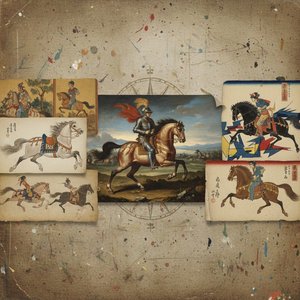
The Noble Steed on Canvas: A Historical & Artistic Exploration of Horse Painting Across Cultures
Explore the rich history of horse painting! Discover masterpieces from Stubbs to Munnings & learn about symbolism, techniques & artists. Find museum-quality reproductions at OriginalUniqueArt.

Baroko Dramatizmas: Elegancijos ir Emocijų Įnešimas į Šiuolaikinius Interjerus
Atraskite baroko dramatiškumą! Meno konsultacijos, rankų darbo reprodukcijos ir patarimai, kaip įnešti eleganciją bei emocijas į jūsų interjerą su OriginalUniqueArt.com. Kokybė garantuota!

The Dramatic Flourish: Exploring the Baroque Movement's Enduring Legacy in Art History
Explore the dramatic world of Baroque art! Discover iconic artists like Caravaggio & Rubens, defining techniques, and its lasting impact on art history. Expert insights for collectors & enthusiasts at OriginalUniqueArt.