

 Peržiūrėti realaus dydžio版
 Siųsti
 Dalintis
 Išsamiau
 Vadovas

 Atsisiųsti
 Panašūs eksponatai
 Rentgeno spindulių nuotrauka
 Diaporama
 Statistika
Chestnut Leaves


 Rodyti daugiau
Giclée / Meno spausdinimas
Muziejų lygio „giclée“ arba drobos spausdinimas: greita gamyba ir lankstios apdailos parinktys. ( Pirkti rankomis tapytą reprodukciją Perejti prie skaitmeninių vaizdų)




P118B €10

P118H €10

P118W €10

P438Z €10

P508JH €12

P508YH €12

P805H €10

P805Z €10

P919BZ €10

P919G €10

P919XJ €10

P959ZH €10

P968JZ €12

W106C €8

W218G €10

W218JH €8

W218Y €10

W307PJ €10

W316G €10

W316PJ €8

W316Y €10

W398PJ €8

W4111J €10

W500HY €15

W500JH €15

W692G €12

W849H €8

W940BG €15

W953PJ €8




Pasirinkite iš mūsų nustatytų dydžių, atitinkančių originalaus meno kūrinio proporcijas.

Įveskite jums reikiamą plotį ir aukštį, kad atvaizdas derėtų prie jūsų rėmo ar sienos. Spausdiną galima tik sumažinti, bet nepadidinti virš originalaus paveikslėlio dydžio, todėl keičiant proporcijas, dalis vaizdo prarandama. Prieš spausdinimą atsiųsime jums skaitmeninį maketą patvirtinimui. Šioje puslapio nuotraukoje matomas pjūvis nėra tikslus – jį rodo tik maketas.
Pristatymas visame pasaulyje () per 2 weeks, o ne įprastas 4/5 savaičių laikotarpis. (25 spalis)

Nemokamas greitasis pristatymas visame pasaulyje

Aukštos kokybės lininis drobė

Pilnas siuntimo draudimas

Muitinės mokesčių grąžinimo garantija

Tikro spalvų atitikimo garantija

100 dienų grąžinimo politika (tik esant įtaigoms)

100% pinigų grąžinimo garantija

Nuolaida dideliems užsakymams
 Stiklo variantas prieinamas tik pasirinkus dydį iki 110 cm

Chestnut Leaves
Giclée / Meno spausdinimas
Reprodukcijos dydis
-


Visų pasirinktų variantų kaina
€ 70
A Delicate Dance of Nature and Light
In the quiet, intimate realm of Chestnut Leaves, we encounter a moment of profound botanical stillness captured through the tender medium of pastel. This exquisite drawing transcends mere illustration, offering instead a soulful meditation on the organic beauty found in the smallest corners of the natural world. The composition centers upon a cluster of white flowers and lush green foliage, emerging with a soft radiance against a dark, muted background. There is an undeniable magic in how the artist utilizes the interplay between light and shadow; a subtle illumination seems to descend from above, casting gentle shadows that grant each petal and leaf a palpable sense of three-dimensionality. The viewer is not merely looking at a plant, but is invited into a shallow, immersive space where the textures of the paper and the layered pigments create a tactile experience of depth and volume.
The technique employed here is a masterclass in the delicate application of colored pastels and pencils. Rather than relying on harsh, definitive outlines, the artist employs soft, organic lines to define shapes, allowing the edges of the foliage to bleed softly into the surrounding darkness. This creates an impressionistic touch that prioritizes the essence of the subject over clinical precision. Through the careful layering of colors, a rich texture is achieved, where the subtle blending of greens and whites evokes the velvety softness of a petal and the crispness of a leaf. It is this meticulous approach to texture and tone that transforms a simple botanical study into a work of enduring grace.
Symbolism and the Spirit of the Young Poland Movement
To understand Chestnut Leaves, one must look through the lens of the Young Poland movement, an era defined by a fervent search for national identity and a deep, spiritual connection to the landscape. The artist, Stanisław Wyspiański, was a visionary polymath who breathed life into this period by blending the intricate, flowing lines of Art Nouveau with the profound weight of Polish Symbolism. In this specific work, we see his ability to imbue botanical subjects with a sense of cosmic significance. While the subject matter remains grounded in the natural world, there is an underlying tranquility and a quiet reverence for nature’s ephemeral beauty that speaks to the larger symbolic themes of rebirth and the enduring cycle of life.
For the discerning collector or interior designer, this piece offers much more than visual decoration. It serves as a window into a pivotal moment in art history, where the boundaries between fine art and decorative beauty began to dissolve. The artwork’s ability to evoke emotion—ranging from peaceful contemplation to a nostalgic appreciation for the natural world—makes it a versatile and evocative addition to any curated space. Whether placed in a sunlit gallery or a quiet study, Chestnut Leaves brings with it an atmosphere of sophisticated serenity, making it an ideal choice for those seeking to surround themselves with art that possesses both historical depth and a timeless, aesthetic charm.
问答 (or more naturally for a website heading): Klausimai ir atsakymai
Ar galėčiau „Chestnut Leaves“ peržiūrėti kaip pilno ekrano nuotraukų rodyklę?
Kūrinį „Chestnut Leaves“, autorius – Stanislavas Visiapianskis galima peržiūrėti kaip diorama (slaidų rulio) formatą puslapyje Diaporama.
Kokia yra „Chestnut Leaves“, autorius – Stanislavas Visiapianskis dominuojanti spalva?
Dominuojantis „Chestnut Leaves“, autorius – Stanislavas Visiapianskis spalvos tonas yra Ochre to Sepia. Šis tonas yra pagrindinė paletės spalva.
Kokia „Chestnut Leaves“, autorius – Stanislavas Visiapianskis nuotaika yra apibūdinama?
Bendrąsias „Chestnut Leaves“, autorius – Stanislavas Visiapianskis nuotaikas apibrėžina Serene. Ši nuotaika aprašo bendrą kūrinio atmosferą.
Autoriaus biografija
Jaunosios Lenkijos siela: Stanisławo Wyspiański gyvenimas ir vizija
Rūkytoje, istoriniame Krakovo šimdə, iškilė ypatingas genijus, skirtas peržengti kultūrinį ribojimą ir atnaujinti tapatybės trokštančios tautos peizažą. Stanisław Wyspiański nebuvo tik paveikslų kūrėjas; jis buvo universalus mąsynas, vizionierius, kurio kūrybinė dvasia įkvėpė Jaunosios Lenkats judėjimą. Gimęs 1869 metais, jo trumpas, bet mirkanti šviesa gyvenimas buvo meninės paieškos audras, įžengiantis į subtilią Art Nouveau estetiką ir gilvias, dažnai turbulentiškas Lenkijos simbolizmo gębėtes. Studijuoti Wyspiański – tai stebėti žmogų, bandantį įamžinti pačią sielos esę – tiek asmeninę, tiek tautinę.
Jo evoliucija kaip menininko buvo giliai į šaknus įsiutraukusi į turtingas jo mokymo akademines tradicijas, tačiau jis turėjo prigimtį rebeliuoti prieš griežtą realizmo ribojimą. Jo kūriniai pradėjo pulsėti nauja energija, kurioje gausiai pasisakė gyvi lenkų kaimo liaudies motyvai bei sudėtingos, organiškos linijos, būdingos secesijos stiliui. Šis sujungimas sukūrė unikalų jo vizualinį kalbą: subtilią botanikinio tikslumo ir intriguojančio metaforinio svorio pusiausvyrą. Jis matė pasaulį ne tik tokią, kokia jis atrodo, bet ir tokią, kokį jis jaučia, kiekvieną petalsą ir kiekvieną portretą įdėdamas kosmbinę prasmę.
Šviesos ir simbolizmo meistras
Wyspiański meistriškumas išsiplėtė daug daugiau nei už drobslės rėmo; jis pasiekė pačią šventųjų erdvių architektūrą. Jis yra garsiausias dėl savo kvapą užimančių vitražų, kurie šviesą pavertė dvasinės istorijos priemone. Šiuose darbu spalva tampa savitvarka – gilios mėlynės ir ugnies gintarinės spalvos šoka per stiklą, evokuodami martyrija, atgimimo ir tautos ištikimybės temas. Gebėjimas manipuliuoti šviesa leido jam sukurti įtraukias aplinkybes, kuriose fizinio pasaulio ir simbolinės srities ribos pradėjo tirpti.
Be reginio meno, jo literatūrinis indėlis buvo ne mažiau monumentalus. Kaip dramaturgas ir poetas, jis surežė sceną kaip sudėtingus lenkų istorijos ir mitų audinius. Jo garsiausia drama, Vestuvės, stovi kaip lenkų literatūros pamatas – šedevras, kuriame viena šventinė naktis naudojama išanalizuoti socialinį ir politinį nerimą tautai, gyvenančiai skirstytos valstybės sėslėje. Per savo rašymą jis tyrinėjo įtampą tarp tradicijos ir modernumo, naudojdamas simbolizmą kritikuoti intelektualų inertiją ir kartu šlovindamas grytą, nekliudomą liaudininko dvasią.
Vizionieriaus palikimas
Istorinė Stanisław Wyspiański reikšmė slypi jo vaidmenyje kaip kultūros architektui. Jis ne tik kūrė meną; jis padėjo sukonstruoti vizualinę ir literatūrinę tapatybę tautai, siekiančiai suverenitetą. Jo įtampą galima atsekti per keletą pagrindinių pasiekimų:
- Menų formų integracija: Jis sugriovė barjerus tarp reginio meno, dekoratyvinio meno, literatūros ir teatro, sukurdamas vieningą estetinę patirtį.
- Tautinis simbolizmas: Jis pakėlė lenkų liaudies motyvus į aukšto meno lygmenį, padarydamas juos esmine modernios tautos sąmonės dalimi.
- Art Nouveau inovacija: Jo naudojimas tekančioms, organiškoms linijoms ir išraišmingoms spalvų paletėms padėjo apibrėžti lenkiškąją Art Nouveau judėjimo interpretaciją.
- Ilgalaikis draminis poveikis: Jo dramos toliau pristatomos visame pasaulyje, tarnaujant kaip gili žmogaus psichologijos ir politinių kovų tyrimas.
Nors jo gyvenimas tragiškai sutrumpėjo būdos trisdešimt aštuoni metų, jo kūrybos spindulys išlieka nepaliestas. Wyspianski paliko palikimą, kuris toliau intriguoja ir įkvepia – tai įrodymas meno galimybei tarnauti tiek kaip visuomenės veidrodžiui, tiek kaip švytoriui jos ateičiai. Jo darbai išlieka būtina pilgrimiavimo vieta kiekvienam, siekiančiam suprasti gilią grožio, tragedijos ir nacionalinės tapatybės sankryžą.

Stanislavas Visiapianskis
1869 - 1907 , Lenkija
Trumpa informacija apie kūrėją
- Artistic Movement Or Style: Lenkijos simbolizmas, Jaunoji Lenkija
- Date Of Birth: 1869
- Date Of Death: 1907
- Full Name: Stanisław Wyspiański
- Nationality: lenkų
- Notable Artworks:
- Vitražiniai darbai
- Vestuvės
- Place Of Birth: Krakovas, Lenkija
Susiję straipsniai
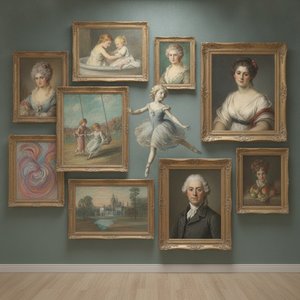
10 Iconic Pastel Masterpieces That Revolutionized Art History
Journey through art history with 10 legendary pastel masterpieces. From Impressionist legends to soft, emotive textures, explore the stories behind these iconic works and find museum-quality reproductions for your decor. Discover all masterpieces on OriginalUniqueArt.com.

10 Iconic Pastel Masterpieces That Revolutionized Art History
Journey through history with 10 iconic pastel masterpieces. From Impressionist legends to soft, emotive textures, explore the stories behind these timeless works. Find museum-quality art reproductions and decor inspiration at OriginalUniqueArt.com. Discover all masterpieces online.
10 Iconic Pastel Masterpieces That Revolutionized Art History
Journey through art history with 10 legendary pastel masterpieces. From Impressionist legends to soft, emotive textures, explore the stories behind these iconic works and find museum-quality reproductions for your decor. Discover all masterpieces on OriginalUniqueArt.com.

White on Canvas: 10 Masterpieces & Timeless Elegance for Your Home Decor
Explore 10 iconic white paintings by Monet, Whistler & Rothko! Discover the stories behind these serene masterpieces and their impact on art history. Find museum-quality reproductions for your home decor at .
10 Iconic Pastel Masterpieces That Revolutionized Art History
Journey through history with 10 iconic pastel masterpieces that redefined art. From Rococo elegance to Impressionist light, explore the stories behind these timeless works and find museum-quality reproductions for your decor. Discover all masterpieces on OriginalUniqueArt.com.