

 Peržiūrėti realaus dydžio版
 Siųsti
 Dalintis
 Išsamiau
 Vadovas

 Atsisiųsti
 Panašūs eksponatai
 Rentgeno spindulių nuotrauka
 Diaporama
 Statistika
The Black Brunswicker
 Oil On Canvas
- WallArt
- Pre-Raphaelite Brotherhood
 103.0 x 69.0 cm
 Royal Scottish Academy of Art - Architecture
 Rodyti daugiau
Giclée / Meno spausdinimas
Muziejų lygio „giclée“ arba drobos spausdinimas: greita gamyba ir lankstios apdailos parinktys. ( Pirkti rankomis tapytą reprodukciją Perejti prie skaitmeninių vaizdų)




P118B €10

P118H €10

P118W €10

P438Z €10

P508JH €12

P508YH €12

P805H €10

P805Z €10

P919BZ €10

P919G €10

P919XJ €10

P959ZH €10

P968JZ €12

W106C €8

W218G €10

W218JH €8

W218Y €10

W307PJ €10

W316G €10

W316PJ €8

W316Y €10

W398PJ €8

W4111J €10

W500HY €15

W500JH €15

W692G €12

W849H €8

W940BG €15

W953PJ €8




Pasirinkite iš mūsų nustatytų dydžių, atitinkančių originalaus meno kūrinio proporcijas.

Galite nurodyti savo matmenis, kad vaizdas atitiktų konkretų rėmą ar erdvę. Jei pasirinktas dydis nesutaps su originalaus paveikslėlio proporcijomis, mes arba apkirpsime kūrinį, arba išplėsime vaizdą naudojant veideliu atspindėtą arba vientisą šoną. Skaitmeninis maketas bus išsiųstas jums patvirtinti prieš pradedant gamybą.
Atkreipkite dėmesį, kad ekrane matomas vaizdinys neatspindi tikrojo apkirpimo ar išplėtimo. Tik maketas tiksliai parodytų galutinę kompoziciją.
Nors galima rinktis ir individualius dydžius, rekomenduojame pasirinkti vieną iš išanksti nustatytų matmenų, kad būtų išlaikytos originalios proporcijos.
Pristatymas visame pasaulyje () per 2 weeks, o ne įprastas 4/5 savaičių laikotarpis. (13 spalis)

Nemokamas greitasis pristatymas visame pasaulyje

Aukštos kokybės lininis drobė

Pilnas siuntimo draudimas

Muitinės mokesčių grąžinimo garantija

Tikro spalvų atitikimo garantija

100 dienų grąžinimo politika (tik esant įtaigoms)

100% pinigų grąžinimo garantija

Nuolaida dideliems užsakymams
 Stiklo variantas prieinamas tik pasirinkus dydį iki 110 cm

The Black Brunswicker
Giclée / Meno spausdinimas
Reprodukcijos dydis
-


Visų pasirinktų variantų kaina
€ 69
The Black Brunswicker: A Victorian Tableau of Duty and Desire
John Everett Millais’s “The Black Brunswicker,” painted in 1860, is more than just a depiction of a soldier preparing for battle; it's a meticulously crafted tableau vivant—a staged scene designed to evoke both the drama of historical conflict and the poignant intimacy of personal relationships. This remarkable work, now housed at the Lady Lever Art Gallery in Port Sunlight, Merseyside, offers a captivating glimpse into Victorian sensibilities, Pre-Raphaelite aesthetics, and the complex interplay between duty, love, and loss.
At first glance, the painting presents a seemingly straightforward scene: a young soldier, clad in the dark, imposing uniform of the Black Brunswickers—a German mercenary unit that fought valiantly at the Battle of Waterloo—is about to depart for war. His sweetheart, a woman of striking beauty adorned with a delicate pink sash and pearl-white satin gown, attempts to restrain him, her face etched with worry as she struggles to close the heavy wooden door behind him. A loyal black dog sits attentively at their feet, seemingly mirroring the soldier’s conflicted emotions. However, beneath this surface narrative lies a rich tapestry of symbolism and historical allusion, meticulously woven by Millais.
A Collision of Eras and Influences
Millais masterfully juxtaposes elements from different eras within a single composition. The soldier's attire, reminiscent of 19th-century military garb, immediately anchors the scene in a specific historical context—the Napoleonic Wars. Yet, the woman’s dress, with its elaborate detailing and delicate fabrics, hints at a more refined Victorian sensibility. Crucially, the painting is not simply a portrait of two lovers; it's deeply intertwined with a broader narrative inspired by Tennyson’s poem “Mariana,” which explores themes of unrequited love, loss, and the constraints imposed upon women in Victorian society. The inclusion of Jacques-Louis David’s monumental painting "Napoleon Crossing the St. Bernard Pass" further complicates the scene, adding an element of grand historical drama and subtly commenting on the romantic ideals of heroism and conquest.
The presence of the print is not merely decorative; it serves as a visual counterpoint to the intimate moment unfolding before the viewer. David’s painting, with its heroic depiction of Napoleon, embodies masculine power and military triumph—qualities that stand in stark contrast to the woman's desperate attempt to prevent her lover from embracing such ambition. The soldier’s struggle against his duty, symbolized by the open door, becomes a metaphor for the broader conflict between personal desires and societal expectations.
Technique and Detail: A Pre-Raphaelite Masterpiece
Millais's technical skill is evident in every detail of “The Black Brunswicker.” He employed the meticulous observation characteristic of the Pre-Raphaelites, painstakingly rendering the textures of the fabrics—the heavy velvet of the soldier’s uniform, the delicate lace of the woman’s gown, and the rough grain of the wooden door. The use of a white ground technique, where thin layers of translucent paint are applied over a primed surface, creates an illusion of depth and luminosity, enhancing the realism of the scene. The artist's attention to detail extends beyond mere representation; he deliberately incorporates symbolic elements—the falling autumn leaves representing the passage of time and the inevitability of loss, the dog’s watchful gaze reflecting the soldier’s internal turmoil.
Notably, Millais employed a unique method for creating this complex scene. Rather than posing his subjects directly, he utilized wooden stand-ins to capture their gestures and expressions. The soldier's pose was achieved by having an anonymous soldier clasp a lay-figure to his breast, while the woman’s posture was replicated using a similar technique. This innovative approach allowed Millais to achieve remarkable accuracy in conveying the emotional nuances of the scene, despite the lack of direct interaction between the models.
Emotional Resonance and Lasting Legacy
"The Black Brunswicker" transcends its historical subject matter to resonate with viewers on a deeply emotional level. The painting captures the poignant tension between love and duty, highlighting the sacrifices individuals make in the face of societal pressures. The woman’s desperate attempt to hold her lover back speaks to the constraints placed upon women during the Victorian era, while the soldier's conflicted emotions reflect the burden of military service.
Millais’s masterpiece remains a powerful testament to the Pre-Raphaelite movement’s commitment to realism, symbolism, and narrative storytelling. It is a captivating work that continues to fascinate art lovers and collectors alike, offering a glimpse into the complexities of Victorian life and the enduring power of human emotion.
问答 (or more naturally for a website heading): Klausimai ir atsakymai
Ar galiu pamatyti „The Black Brunswicker“, autorius – Džonas Everetas Milė rentgeno nuotrauką?
„The Black Brunswicker“ galima tyrinėti sluoksniu sluoksnį pusėje, naudojant kūrinio Rentgenas puslapį – interaktyvų vaizdo peržiūrą, įkvėptą restauratoriaus šviesos stalo ir siūlantį vien ambivalentišką vaizdą, sudarytą iš vienylies optinių sluoksnių.
Kiek žmonių žiūri į „The Black Brunswicker“?
Statistika apie „The Black Brunswicker“, autorius – Džonas Everetas Milė pateikiama kūrinio Statistika puslapio: mėnesiniai kūrinio apsilankėjimai, kūrinio autorių darbų apsilankėjimai bei neseniai apsilankiusiųjų skirstymas pagal šalis ir kalbas.
Ar „The Black Brunswicker“, autorius – Džonas Everetas Milė yra portretinė, peisžinio tipo ar kvadratinė kompozicija?
„The Black Brunswicker“ formatas yra Portrait. Tai padeda planuojant, kur būtų patalpinta reprodukcija.
Kokio dydžio rekomenduojama spausdinti kūrinį „The Black Brunswicker“?
„The Black Brunswicker“ rekomenduojamas spausdinimui Large dydžiu. Galima rinktis ir kitus dydžius, išlaikant tą patį proporciją.
Kas sukūrė „The Black Brunswicker“ ir kokiu stiliumi tai atlikta?
„The Black Brunswicker“ kūrybinį darbu pasižymi Džonas Everetas Milė, taikantis Pre-Raphaelite Brotherhood stilių. Autorius ir stilius nurodo šio kūrinio tradiciją.
Kur galiu rasti panašių kūrinių kaip „The Black Brunswicker“, autorius – Džonas Everetas Milė?
Įrenginiai, panašūs į „The Black Brunswicker“, autorius – Džonas Everetas Milė, surinkti kūrinio Panašūs kūriniai puslapio.
Kur rekomenduojama eksponuoti „The Black Brunswicker“ Portrait formatą?
Savo Portrait forma „The Black Brunswicker“ reprodukcija siūloma Living Room kambariui.
Kokiam meno stiliui priklauso „The Black Brunswicker“, autorius – Džonas Everetas Milė?
Kūrinio „The Black Brunswicker“, autorius – Džonas Everetas Milė stilius – Pre-Raphaelite Brotherhood. Ši klasifikacija leidžia šį darbą įtraukti į bendrą susijusių menininkų ir kūrinių kontekstą.
Autoriaus biografija
Ankstyvieji Metai ir Prerafaelitų Brolijos Gimimas
Džonas Everetas Milėjus (John Everett Millais) gimė 1829 metais Sauthamptono mieste, Jungtinėje Karalystėje, ir jau vienuolikos metų amžiaus įstojo į Karališkąją Akademiją – jauniausias kada nors priimtas studentas. Šis ankstyvas talentas pranašavo karjerą, kuri ne tik apibrėžtų meno judėjimą, bet ir užfiksuotų viktorijos epochos vaizduotę savo kvapą atimančiu realizmu bei emociniu gylumu. Nuo pat jaunystės Milėjumi pasižymėjo nepaprastas stebėjimo dovanas – savybė, kuri tapo pagrindiniu jo meninio stiliaus akmeniu. Jis ne tik vaizdavo tai, ką matė, bet ir kruopščiai atkuria, įkviepiant kiekvieną potepį beveik fotografinei ištikimybei. Šis atsidavimas tiesai reprezentacijoje jį išskyrė ir galiausiai privertė mesti iššūkį nusistovėjusioms britų meno konvencijoms. 1848 metais Milėjumi, kartu su Dante Gabriel Rossetti ir William Holman Hunt, įkūrė Prerafaelitų Broliją. Tai nebuvo tik estetinio pasirinkimas; tai buvo sąmoningas maištas prieš tai, ką jie laikė akademinio meno dirbtinumu – meną, kuris per toli nukrypo nuo gamtos pasaulio ir ankstyvųjų renesanso meistrų nuoširdumo, tų, kurie kūrė *prieš* Rafaelį. Prerafaelitai siekė atgaivinti aiškumą, detales ir ryškius spalvų tonus tokių menininkų kaip Jan van Eyck ir Fra Angelico. Jų manifestas buvo tiesa gamtai, idealizuotų formų atsisakymas ir temų pasirinkimas iš literatūros, mitologijos bei kasdienio gyvenimo. Ankstyvieji Milėjumi darbai, tokie as Izabela, nedelsiant parodė šį naują požiūrį – kruopštų dėmesį detalėms kartu su naratyvine intensyvumu, kuris užbūrė ir dažnai sukeldavo publikos prieštaravimus. Jo kontroversiškiausias darbas tuo laikotarpiu, Kristus tėvo namuose (1849-50), vaizdavo Šventąją šeimą ne kaip eterinius padarus, o kaip paprastus darbininkų klasės žmones, sukeldamas pyktį kritikų tarpe, kurie laikė tokį realizmą neramų ir netgi ereziją.Stiliaus Kaita ir Viktorijos Epochos Jautrumas
Penktojo dešimtmečio viduryje Milėjumi gyvenime įvyko reikšmingi pokyčiai, tiek asmeniškai, tiek meniškai. Jo santuoka su Efie Gray, po jos anuliavimo iš santuokos su John Ruskin, giliai paveikė jo kūrybą. Jis atsisakė intensyvaus detalių ir simbolikos stiliaus ankstyvuosiuose Prerafaelitų darbuose link platesnio, atmosferiškesnio realizmo. Šis posūkis nebuvo tik stilistinis pasirinkimas; tai atspindėjo didėjantį susidomėjimą šiuolaikiniu gyvenimu ir norą užfiksuoti gamtos grožį. Paveikslai tokie kaip Rudens lapai pavyzdžioja šią naują kryptį – rami grupės jaunų moterų vaizdas, plaukiantys lapai upėje, įkvėptas melancholijos ir nostalgijos jausmo. Jis taip pat pasiekė didelio pasisekimo kaip portretistas, užfiksuodamas žymių viktorijos epochos asmenybių atvaizdus, įskaitant John Gladstone ir Benjamin Disraeli. Šis laikotarpis Milėjumi pasiekė plačią populiarumą ir finansinį saugumą, tačiau tai sukėlė kritikų prieštaravimus, kurie manė, kad jis paaukojo savo meno principus.Palikimas ir Tvarus Poveikis
Nepaisant šios kritikos, seras Džonas Everetas Milėjus išlieka vienas svarbiausių XIX amžiaus britų menininkų. Jo įtaka apima ne tik Prerafaelitų Broliją; jis padėjo peržiūrėti realizmo ir naratyvinio tapybos standartus, įkvėpdamas ištisas kartas menininkų. Jo ikoniški vaizdai – Opelija, su savo gaudingu grožiu ir simboliniu turtingumu, Huguenotas, vaizduojantis dramatišką religinės konfliktų momentą, ir daugelis kitų – tebejaudina publiką šiandien. Milėjumi gebėjimas derinti kruopštį stebėjimą su emociniu gylumu, jo meistriškumas spalvose ir kompozicijoje bei noras mesti iššūkį meno konvencijoms įtvirtino jį kaip tikrą inovatorių. 1896 metais jis buvo išrinktas Karališkosios Akademijos prezidentu – tai liudija jo tvarų palikimą, nors tragiškai mirė po kelių mėnesių. Jo darbai tebešvenčiami muziejuose ir kolekcijose visame pasaulyje, užtikrinant, kad jo meno grožis ir galia išliks ateities kartoms.Pagrindiniai Darbai ir Kolekcijos
- Kristus tėvo namuose (1849-1850): Tate Britain, Londonas – Kontroversiškas šedevras, pavyzdžiojantis ankstyvą Prerafaelitų realizmą.
- Opelija (1851-1852): Tate Britain, Londonas – Galbūt žymiausias jo darbas, garsėjantis savo gaudingu grožiu ir simboliniu gylumu.
- Huguenotas (1851-1852): Privati kolekcija – Dramatiškas religinių konfliktų ir draudžiamos meilės vaizdas.
- Mariana (1850-1851): Manchester Art Gallery – Įkvėptas Šekspyro ir Tenisono, demonstruojantis Milėjumi įgūdžius užfiksuoti nuotaiką ir atmosferą.
- Rudens lapai (1855-1856): City of Manchester Art Galleries – Rami ir įkvepiantis paveikslas, atspindintis jo besikeičiantį stilių.

Džonas Everetas Milė
1829 - 1896 , Jungtinė Karalystė
Trumpa informacija apie kūrėją
- Gimimo Data: 1829 m. birželio 8 d.
- Gimimo Vieta: Southampton, Jungtinė Karalystė
- Meninis Stilius: Pre-rafaelitai, realizmas
- Mirties Data: 1896 m. rugpjūčio 13 d.
- Pilietybė: Britų
- Pilnas Vardas: Seras Johnas Everetas Milais
- Įtakoti Judėjimai/Menininkai: Pre-rafaelitų judėjimas
- Žymiausi Darbai:
- Kristus tėvų namuose
- Opelija
- Huguenotas
- Mariana
Susiję straipsniai

Pre-Raphaelite Romanticism: A Guide to Vivid Detail and Medieval Beauty in Victorian Art
Explore the vivid detail and medieval beauty of Pre-Raphaelite Romanticism. Discover the history of masters like Rossetti and Millais through our expert guide to Victorian art, perfect for collectors and professionals seeking authentic, museum-quality reproductions.

Sir John Everett Millais: Pre-Raphaelite Rebellion & Victorian Narrative Detail
Explore the revolutionary art of Sir John Everett Millais & the Pre-Raphaelite Brotherhood. Discover their radical realism, symbolic narratives, and lasting impact on Victorian aesthetics. A deep dive into 19th-century masterpieces.
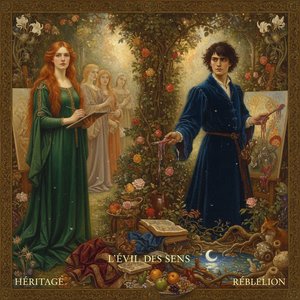
The Pre-Raphaelite Brotherhood: Reclaiming Beauty, Nature, and Truth in Victorian Art History
Explore the revolutionary Pre-Raphaelite Brotherhood. Discover how these visionary artists rejected academic tradition to reclaim beauty, nature, and truth through luminous detail and literary depth in Victorian art history.

Dante Gabriel Rossetti: 25 Šedevrai, Įkvėpę Kartas | OriginalUniqueArt.lt
Atraskite 25 įspūdingiausius Dante Gabriel Rossetti šedevrus! Išsami analizė, meno istorija ir įkvėpimas interjerui. Reprodukcijos aliejumi – prerafaelitų klasika jūsų namams. Explore the full collection online!

The Pre-Raphaelite Brotherhood: Rediscovering Romanticism, Mythological Depth, and Vivid Detail in Victorian Art
Explore the breathtaking world of the Pre-Raphaelite Brotherhood. Discover how this movement redefined Victorian art through vivid detail, mythological depth, and romanticism. An expert guide for classic art enthusiasts seeking to rediscover these timeless masterpieces.


