

 Peržiūrėti realaus dydžio版
 Siųsti
 Dalintis
 Išsamiau
 Vadovas

 Atsisiųsti
 Panašūs eksponatai
 Rentgeno spindulių nuotrauka
 Diaporama
 Statistika
Edward Whitaker Gray (1748–1806)
 Oil On Canvas
- WallArt
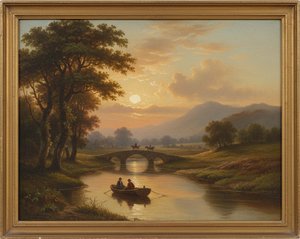
- Romantic Landscape Painting
 1800
1800 75.0 x 63.0 cm
 Royal Society
 Rodyti daugiau
Giclée / Meno spausdinimas
Muziejų lygio „giclée“ arba drobos spausdinimas: greita gamyba ir lankstios apdailos parinktys. ( Pirkti rankomis tapytą reprodukciją Perejti prie skaitmeninių vaizdų)




P118B $10

P118H $10

P118W $10

P438Z $10

P508JH $12

P508YH $12

P805H $10

P805Z $10

P919BZ $10

P919G $10

P919XJ $10

P959ZH $10

P968JZ $12

W106C $8

W218G $10

W218JH $8

W218Y $10

W307PJ $10

W316G $10

W316PJ $8

W316Y $10

W398PJ $8

W4111J $10

W500HY $15

W500JH $15

W692G $12

W849H $8

W940BG $15

W953PJ $8




Pasirinkite iš mūsų nustatytų dydžių, atitinkančių originalaus meno kūrinio proporcijas.

Galite nurodyti savo matmenis, kad vaizdas atitiktų konkretų rėmą ar erdvę. Jei pasirinktas dydis nesutaps su originalaus paveikslėlio proporcijomis, mes arba apkirpsime kūrinį, arba išplėsime vaizdą naudojant veideliu atspindėtą arba vientisą šoną. Skaitmeninis maketas bus išsiųstas jums patvirtinti prieš pradedant gamybą.
Atkreipkite dėmesį, kad ekrane matomas vaizdinys neatspindi tikrojo apkirpimo ar išplėtimo. Tik maketas tiksliai parodytų galutinę kompoziciją.
Nors galima rinktis ir individualius dydžius, rekomenduojame pasirinkti vieną iš išanksti nustatytų matmenų, kad būtų išlaikytos originalios proporcijos.
Pristatymas visame pasaulyje () per 2 weeks, o ne įprastas 4/5 savaičių laikotarpis. (26 rugsėjis)

Nemokamas greitasis pristatymas visame pasaulyje

Aukštos kokybės lininis drobė

Pilnas siuntimo draudimas

Muitinės mokesčių grąžinimo garantija

Tikro spalvų atitikimo garantija

100 dienų grąžinimo politika (tik esant įtaigoms)

100% pinigų grąžinimo garantija

Nuolaida dideliems užsakymams
 Stiklo variantas prieinamas tik pasirinkus dydį iki 110 cm

Edward Whitaker Gray (1748–1806)
Giclée / Meno spausdinimas
Reprodukcijos dydis
-


Visų pasirinktų variantų kaina
$ 80
Edward Whitaker Gray (1748–1806): A Portrait of Dignified Observation
Edward Whitaker Gray (1748–1806) stands as a testament to the neoclassical aesthetic—a genre defined by its unwavering commitment to realism, clarity, and order. This striking portrait captures the essence of a man whose gaze holds both intellectual curiosity and quiet composure, reflecting the spirit of Enlightenment Britain. Commissioned likely during Gray’s tenure as secretary to the Royal Society, the artwork embodies the values of scientific inquiry and aristocratic refinement prevalent in his era.- Subject Matter: The portrait depicts Edward Whitaker Gray himself, a botanist renowned for his meticulous cataloguing of plant specimens and contributions to Linnaean taxonomy. His dignified posture conveys authority and intellectual prowess—a reflection of his prominent role within the scientific community.
- Style & Technique: Executed in monochrome, primarily graphite and charcoal, the piece exemplifies the precision characteristic of neoclassical drawing. Artists like Gray favored detailed hatching and cross-hatching to achieve tonal variations and convincingly render volume, creating a palpable sense of depth and texture. The artist’s masterful handling of light and shadow—known as chiaroscuro—further enhances the dramatic effect, emphasizing the contours of Gray's face and clothing.
- Composition: The portrait employs a three-quarter profile view, positioning Gray’s head and shoulders centrally within the frame. This deliberate compositional choice directs the viewer’s attention to his countenance, allowing for an intimate study of his expression and features. The dark background serves as a counterpoint to the illuminated subject, amplifying the impact of the light source—positioned from the left—which casts deep shadows on Gray's right side.
- Historical Context: Gray’s work aligns seamlessly with the broader intellectual currents of the late 18th century. The neoclassical style championed reason and observation as tools for understanding the natural world, mirroring Gray’s scientific pursuits. Furthermore, portraits like this served as symbols of social status and familial lineage—affirming the importance of aristocratic patronage in supporting artistic endeavors.
- Symbolic Elements: Gray's solemn expression speaks to a profound seriousness of purpose – an unwavering dedication to scientific exploration and intellectual contemplation. The attire—formal robes indicative of his position within the Royal Society—underscores his status as a respected scholar and statesman, embodying the ideals of Enlightenment thought.
Detailed Examination: Line Work & Texture Rendering
The artist’s meticulous attention to detail is evident in the intricate line work that defines Gray's facial features and clothing folds. Hatching and cross-hatching techniques skillfully convey tonal gradations, creating a convincing illusion of surface texture—particularly noticeable in the wig’s voluminous curls and the fabric of Gray’s jacket. The subtle variations in linework contribute to the overall sense of realism, immersing the viewer in the likeness of Gray himself. Graphite and charcoal were favored mediums for capturing nuanced shades of gray, allowing artists like Gray to achieve remarkable expressive power.Material Considerations: Charcoal & Paper
Based on visual analysis, it’s probable that Gray utilized graphite and charcoal—perhaps supplemented with black ink—on paper or canvas. Graphite offered exceptional control over tonal values, facilitating the creation of subtle gradations essential for achieving chiaroscuro effects. Charcoal provided a darker pigment capable of producing dramatic contrasts—a technique favored by neoclassical painters to heighten visual impact and convey emotional depth. The choice of paper—likely linen—would have ensured durability and stability, preserving the artwork’s integrity across generations.Overall Impression & Artistic Legacy
Ultimately, Gray's portrait transcends mere representation; it embodies the intellectual spirit of its time—a celebration of observation, reason, and dignified contemplation. Its enduring appeal lies in its masterful execution—the artist’s ability to capture not only Gray’s physical likeness but also his inner character—solidifying his place as a pivotal figure within neoclassical art history.Autoriaus biografija
ankstyvasis gyvenimas ir mokslas
seras augustus wall callcott, žinomą anglų landšaftų paveikslų meistras, gimė 1779 m. vasario 20 d. Kensington Gravel Pits – kaimelyje vaistingo Londono vakarinėje pakalejėje. Jo ankstyvoji jaunyste lydėjo aistra muzikai, kuri keliais metais skatino jį dainuoti vestminsterio vienuolyno choro sudėtyje. Vėliau jis tapo karališkosios akademijos mokinio, kur pradėjo savo meninę karjerą kaip portretų paveikslininkas po jonas hoppnero globos.kilimas į šlovę
callcotto meilė landšaftų tapybai netrukus tapo akivaizdi, o po 1804 m. jis pradėjo eksponuoti tik gamtos vaizdus. Jo meistriškumas, elegantiška kompozicija ir žavio tonas užtikrino nuolatinį reputacijos augimą. 1806 m. jis buvo išpareigotas kaip karališkosios akademijos asociatas, o 1810 m. tapo pilnu akademiku.pastebimiausi darbai ir parodos
vieni ryškiausių callctoto kūrinių apima:- londono upės įėjimas (1816)
- tyne upės viršupė (1818)
- medway upės ramybė (1820)
- rochester (1824)
- raffaelle ir fornarina (1837) – retas jo figūrinės tapybos pavyzdys, kurį galima rasti pietryse kensingtono muziejuje (sheepshanks kolekcijoje), dabar esančiame v&a dalyje
paliktis ir vėlesnieji metai
callcottas gavo riterio titulą 1837 m., įtrasavus viktorijos karalienę. 1843 m. jis pakeito william seguierą dirbdamas karališkosios paveikslų priežiūrėjo pareiguose. callctotas mirė 1844 m. lapkričio 25 d. ir buvo palaikytas kensalo žaliųjų kapinėse. peržiūrėti daugiau sir augustus wall callcott darbių OriginalUniqueArt.com svetainėje: iš more wikipedia:
Seras Augustus Wall Callcott
1779 - 1844 , Jungtinė Karalystė
Trumpa informacija apie kūrėją
- Artistic Movement Or Style: Romantinis landšafto tapybos stilius
- Artists Or Movements Influenced By This Artist: ['Turnerius']
- Artists Who Influenced This Artist: ['Johnas Hoppneris']
- Date Of Birth: 1779 m. vasario 20 d.
- Date Of Death: 1844 m. lapkričio 25 d.
- Full Name: Augustus Wall Callcott
- Nationality: Britų
- Notable Artworks:
- Londono vandens nuovos įėjimas
- Tyne upvandžio viršūnę
- Ramybė Medway upėje
- Rochester
- Raffaelle ir Fornarina
- Place Of Birth: Kensingtonas, Jungtinė Karalystė
Susiję straipsniai
Sir Augustus Wall Callcott: A Life Painted with Light & Atmosphere
Explore the life & art of Sir Augustus Wall Callcott, a celebrated British landscape painter known for his serene scenes and elegant compositions. Discover his Romantic influences & lasting legacy at OriginalUniqueArt.

Džono Konsteblio Šedevrai: 25 Išskirtiniai Darbai Jūsų Interjerui | OriginalUniqueArt
Atraskite 25 įspūdingiausius Džono Konsteblio paveikslus! Romantizmo meistro gamtos vaizdai, Dedham Vale peizažai ir meno istorijos šedevrai. Meno reprodukcijos jūsų interjerui – OriginalUniqueArt.com

Evocations of Place: A Historical Journey Through Landscape Art
Explore the rich history of landscape art with OriginalUniqueArt. Discover renowned artists, movements like Impressionism & Romanticism, and expert guidance for collecting timeless pieces. Find your perfect serene escape today!

10 Romantinių Peizažų Simbolių: Tapybos Majestatės Viršūnės
Atraskite 10 legendinių romantinio peizažo kūrinių! Pasinerkite į Claude Lorrain, Caspar David Friedrich ir J.M.W. Turner genijaus pasaulį. Išmokite apie tapybos meistriškumą bei gamtos grožį. Aukščiausios kokybės meno reprodukcijos – OriginalUniqueArt.com. Tyrinėkite kolekciją!

Evoking Atmosphere & Identity: A Journey Through Landscape Painting's History
Explore the rich history of landscape painting! Discover renowned artists, movements like Romanticism, & techniques such as atmospheric perspective. Find inspiration and quality reproductions at OriginalUniqueArt.