
 Peržiūrėti realaus dydžio版
 Pasidalinti
 Dalintis
 Išsamiau
 Vadovas

 Atsisiųsti
 Panašūs eksponatai
 Rentgeno spindulių nuotrauka
 Automatinė diorama
 Q&A
Q&A Statistika
The deposition
 Skaityti daugiau
Gaukite spausdinimui paruoštą failą, kurio kokybė gerokai viršija internetinę peržiūrą. Kiekvienas mūsų parduodamas skaitmeninis vaizdas yra ištrauktas iš aukštos raiškos pagrindinio failo mūsų duomenų bazėje — paprastai jis siekia nuo 5 000 iki 15 000 pikselių plotio — todėl galite drąsiai spausdinti didelius formatus, apkirpti vaizdą ar reprodukcija užtikrins visas smulkias detales.
Mūsų studijoje nė viena kopija nelieka neapdorota. Skaitmeninio vaizdo ekspertas, lygiu su originaliu paveikslu, patikrina spalvas ir, jei reikia, jas koreguoja, o tada profesionaliais retušavimo įrankiais padidina aiškumą bei detales — visada išlaikydamas ištikimybę autoriaus teptuko traukoms ir stiliui. Rezultatas – vaizdas, kuris atrodo kaip tikras paveikslas, o ne kaip su filtrais apdorotas skenavimas.
Patvirtinate prieš užsakymo pabaigą: mūsų ekspertas per 72 valandas el. laišku atsiųsta vaizdą jūsų peržiūrai. Nepasitenkinate rezultatu? Paprašykite patobulinimų ar pataisymų arba prašykite pinigų grąžinimo, jei kokybė neatitinka jūsų lūkesčių.
Ši kokybė yra patikima leidybos įstaigoms, dizaino studijoms, galerijoms ir spaudos įmonėms.
Skaitmeninis vaizdas
Atsisiųskite didelės raiškos failą asmeniniam naudojimui, spausdinimui ir kūrybiniams projektams. ( Perjungti į spausdinamus版作品 Pirkti rankų darbo tapybą)
Kiekvieną skaitinio vaizdo užsakymą papildė
Profesionalus skaitmeninis vaizdų pristatymas, garantuotas
Pasirinkę OriginalUniqueArt.com, jūs ne tik gaunate paveikslėlį – jūs gaunate profesionaliai patobudintą skaitmeninį kūrinį, sukurtą itin tikniai ir užtikrinantį pasitenkinimą. Štai viską, kas automatiškai pritékia jūsų užsakymui:

Greitas pristatymas el. paštu
Jūsų aukštos raiškos skaitmeninis vaizdo failas bus išsiųstas el. paštu per 72 valandas nuo užsakymo – jis bus paruoštas naudoti be jokių papildomų veiksmų.

Dirbtiniu intelektu tobulintas skaitmeninis failas
Jūsų meno kūrinys profesionaliai optimizuojamas naudojant pažangius dirbtinio intelekto įrankius ir rankinį redagavimą, užtikrinant maksimalią detalę, aiškumą ir spalvų tikslumą.

Nemokamas visam laikui pakartotinis siuntimas
Atsitiktinai ištrytikote ar praradote savo failą? Nebijokite – bet kuriuo metu atsiųsime jį jums vėl nemokamai.

Jokio importo mokesčio – niekada
Mėgaukitės savo meno kūrynu be jokių muitinės mokesčių, įkainų ar pristatymo išlaidų – skaitiniai failai visada yra neapmokestinami.

Spalvų tikslumo garantija
Naudodami profesionalią įrangą ir spalvų valdymo sistemas, užtikriname, kad jūsų skaitmeninis vaizdas kuo tiksliau atspindėtų originalias spalvas.

100 dienų patikimumo garantija
Jei nebuvosite patenkinti įsigyto skaitmeninio vaizdo, mes jį tališkai koreguosime arba grąžinsime 100% sumą per 100 dienų – be jokių klausimų.

100% pinigų grąžinimo garantija
Nesitenkinate? Gaukite visą sumokėtą sumą per 100 dienų nuo skaitmeninio failo gavimo – be jokių papildomų klausimų.

Nuolaidos dideliems užsakymams
Pirkti 3 nuotraukas – 10% nuolaida – Pirkti 5 – 15% nuolaida – Pirkti 10 ir daugiau – 20% nuolaida. Puikiai tinka kūrybiniams projektams, galerijoms bei agentūroms.
Autoriaus biografija
A Flemish Master at the Courts of Europe
Sir Anthony van Dyck, born in Antwerp on March 22, 1599, emerged as one of the most celebrated and influential portraitists of the Baroque era. His life, though tragically cut short at just forty-two years old, was a whirlwind of artistic exploration and prestigious commissions that took him from his native Flanders to Italy and ultimately to the heart of the English court. From an early age, van Dyck displayed remarkable talent, entering Hendrick van Balen’s workshop as a young apprentice and quickly absorbing the prevailing styles of the time. However, it was his association with Peter Paul Rubens – not merely as a student but as a collaborator – that truly shaped his artistic foundation. He learned from Rubens' dynamic compositions, rich color palettes, and masterful handling of light and shadow, yet van Dyck soon began to forge his own distinct path, one characterized by an elegance and refinement that would become his signature.Early Influences and Artistic Training
Rubens’ influence was profound; he instilled in van Dyck a belief in dramatic expression and the importance of capturing emotion alongside physical likeness. This approach contrasted sharply with earlier portrait conventions, prioritizing psychological depth over mere representation. Van Dyck's apprenticeship under Rubens honed his skills in oil painting and etching—techniques he would master with unparalleled precision. He diligently studied Rubens’ monumental canvases, absorbing his compositional strategies and experimenting with innovative color harmonies. These formative years established the groundwork for van Dyck’s distinctive artistic style, characterized by a luminous palette and masterful rendering of texture.Italian Sojourn and Style Development
Around 1621, Van Dyck embarked on a transformative journey to Italy—primarily Genoa—where he gained patronage from wealthy aristocratic families. During this period, he cultivated the refined style for which he would become renowned: graceful poses, luxurious fabrics, and an almost palpable sense of nobility. Unlike Rubens’ energetic brushstrokes, van Dyck's Italian portraits exuded composure, capturing not just physical likeness but also inner character and social standing. He skillfully employed chiaroscuro—the dramatic interplay of light and shadow—to sculpt figures with remarkable realism and to heighten their emotional impact. This technique became a hallmark of his oeuvre, distinguishing him from many of his contemporaries. His artistic explorations in Italy solidified his reputation as a visionary innovator, pushing the boundaries of portraiture while upholding the highest standards of aesthetic excellence.The King's Painter: Van Dyck in England
In 1632, Van Dyck received an invitation that would forever alter his career trajectory—a summons from Charles I of England to become the court painter. This appointment marked a turning point, not only for van Dyck but also for English portraiture. He arrived in London with considerable renown and swiftly became indispensable to the king, tasked with creating images that projected an aura of power, majesty, and divine right. Van Dyck’s portraits of Charles I are particularly noteworthy; he moved away from stiff conventions, portraying the king as a dynamic leader—a man brimming with charisma and intellect. He employed innovative techniques—dramatic lighting, sweeping gestures, and carefully chosen backgrounds—to create images that were both visually stunning and politically charged. His influence extended beyond the royal family, shaping the visual culture of the English aristocracy for generations to come.Legacy and Enduring Influence
Van Dyck’s untimely death in December 9, 1641, robbed the art world of a prodigious talent—yet his legacy endures to this day. His impact on English portraiture is immeasurable; he established a standard of elegance and sophistication that subsequent artists would strive to emulate. He was a master of both oil painting and etching—constantly experimenting with new techniques. His portraits are characterized by their graceful poses, luxurious fabrics, and subtle psychological insights. He skillfully employed chiaroscuro—the dramatic interplay of light and shadow—to sculpt figures with remarkable realism and to heighten their emotional impact. Beyond his technical prowess, van Dyck possessed an exceptional ability to capture the essence of his sitters—their personality, their social standing, and their aspirations. His works continue to captivate audiences with their beauty, elegance, and enduring psychological depth. The Balbi Children, Charles I in Three Positions, and countless other masterpieces stand as testaments to his genius, ensuring that Sir Anthony van Dyck remains one of the most celebrated artists of the Baroque period. His influence can still be seen today in fashion, photography, and contemporary portraiture—a testament to the timeless appeal of his art.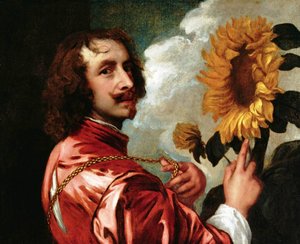
Šarūnės Meistras
1599 - 1641 , Belgija
Trumpa informacija
- Artistic Movement Or Style: Baroque
- Artists Or Movements Influenced By This Artist: ['English portrait painting']
- Artists Who Influenced This Artist: ['Peter Paul Rubens']
- Date Of Birth: March 22, 1599
- Date Of Death: December 9, 1641
- Full Name: Sir Anthony van Dyck
- Nationality: Flemish
- Notable Artworks:
- Portrait of a woman and child
- Equestrian portrait of Charles I
- Lord John Stuart & brother
- Place Of Birth: Antwerp, Belgium