Peržiūrėti realaus dydžio版
 Siųsti
 Dalintis
 Išsamiau
 Vadovas

 Atsisiųsti
 Panašūs eksponatai
 Rentgeno spindulių nuotrauka
 Diaporama
 Statistika
Saint Sebastian
 Acrylic On Canvas
- WallArt
- Baroque
 189.0 x 144.0 cm
 Chrysler Museum of Art
 Rodyti daugiau
Rankų darbo aliejinės reprodukcijos
Rankiniu būdu tapytas aliejus ant droblio jūsų pageidaujamame dydį ir rėmuose – mūsų menininkų darbas pagal užsakymą. ( Perjungti į spausdinimą Perejti prie skaitmeninių vaizdų)




P118B €10

P118H €10

P118W €10

P438Z €10

P508JH €12

P508YH €12

P805H €10

P805Z €10

P919BZ €10

P919G €10

P919XJ €10

P959ZH €10

P968JZ €12

W106C €8

W218G €10

W218JH €8

W218Y €10

W307PJ €10

W316G €10

W316PJ €8

W316Y €10

W398PJ €8

W4111J €10

W500HY €15

W500JH €15

W692G €12

W849H €8

W940BG €15

W953PJ €8




Pasirinkite iš mūsų nustatytų dydžių, atitinkančių originalaus meno kūrinio proporcijas.

Įveskite jums reikiamą plotį ir aukštį, kad paveikslas atitiktų jūsų rėmą ar sieną. Kadangi šis darbas yra rankinio darbo, siekiant išgauti kitokio formos dydį, paveikslas gali būti šiek tiek didesnis (nuo kraštų bus palikta daugiau erdvės) arba mažesnis – pasirinkite jums patogiausią variantą. Prieš pradedant tapyti, atsiųsime jums skaitmeninį maketą patvirtinimui. Šioje puslapio nuotraukoje matomas vaizdas nėra galutinis rezultatas – jį parodys tik sukurtas maketas.
Gavus užsakymą, OriginalUniqueArt.com komanda susisieks su klientu el. paštu dėl instrukcijų ir pateiks maketo pavyzdį
Pristatymas visame pasaulyje () per 3–4 savaites, o ne įprastai – per 5 savaites. (27 spalis). Kokybė lieka nepakeičiama.

Nemokamas greitasis pristatymas visame pasaulyje

Aukštos kokybės lininis drobė

Pilnas siuntimo draudimas

Muitinės mokesčių grąžinimo garantija

Tikro spalvų atitikimo garantija

100 dienų grąžinimo politika (tik esant įtaigoms)

100% pinigų grąžinimo garantija

Nuolaida dideliems užsakymams
 Stiklo variantas prieinamas tik pasirinkus dydį iki 110 cm

Saint Sebastian
Reprodukcijos technika
Reprodukcijos dydis
-


Visų pasirinktų variantų kaina
€ 263
The Silent Strength of Suffering
Sir Anthony van Dyck’s “Saint Sebastian,” painted circa 1627-32, isn't merely a depiction of a biblical martyr; it’s a profound meditation on endurance, faith, and the quiet dignity found within suffering. Van Dyck, already establishing his signature style – characterized by an almost ethereal beauty and a masterful command of light – chose to portray a pivotal moment in Sebastian’s legend: the preparation for his brutal execution. Rather than focusing on the violent act itself, he captures the saint's stoic composure as he awaits his fate, transforming a scene of impending death into one of remarkable serenity.
The composition immediately draws the eye to Sebastian himself – a figure of startling youth and almost unnerving beauty amidst the grim reality surrounding him. He’s bound tightly, his arms and legs secured with ropes, yet his gaze is fixed outward, not inward upon his wounds. This deliberate direction of his eyes creates an intimate connection with the viewer, inviting us into his inner world of unwavering faith. The palette is restrained – a muted range of browns, ochres, and subtle blues – contributing to the painting’s solemn atmosphere. Van Dyck's use of chiaroscuro—the dramatic contrast between light and shadow—further emphasizes Sebastian’s isolation and vulnerability, highlighting the stark beauty of his face and the textures of his clothing.
A Renaissance Echo: Symbolism and Context
To understand “Saint Sebastian,” it's crucial to consider the broader context of the early 17th century. The painting emerged during a period of intense religious fervor, following the Counter-Reformation, where depictions of martyrdom served as powerful tools for inspiring piety and reinforcing Catholic doctrine. However, Van Dyck’s portrayal transcends simple propaganda. He doesn't glorify violence; instead, he elevates Sebastian to an archetype of spiritual fortitude. The scene echoes Renaissance ideals of humanism – a focus on the dignity and potential of humanity—while simultaneously embracing the Christian narrative of sacrifice and redemption.
The inclusion of Saint Irene and her attendants, rendered in a softer, more luminous style, adds another layer of complexity to the composition. They represent divine compassion and offer a poignant contrast to Sebastian’s solitary strength. The figures are not actively intervening; rather, they provide a silent witness to his suffering, reinforcing the idea that faith is often found not in grand gestures but in quiet perseverance.
Technique and Van Dyck's Signature
Van Dyck’s technical mastery is evident throughout “Saint Sebastian.” His brushwork is remarkably smooth and refined, creating a sense of almost photographic realism. He skillfully renders the textures of Sebastian’s clothing – the rough weave of his tunic, the tautness of the ropes—and the subtle details of his face, capturing the delicate contours of his features with astonishing precision. The artist's use of black paint is particularly noteworthy; it’s not simply a color but a tool for creating depth and drama, emphasizing the shadows that engulf Sebastian and highlighting his luminous complexion.
Interestingly, Van Dyck frequently employed a technique known as *pentimento*, subtly altering details in the painting after completion. This is most evident in the feathered arrow piercing Sebastian’s torso – a small but significant adjustment that suggests the artist was continually refining his composition until he achieved the desired effect. This meticulous attention to detail speaks volumes about Van Dyck's dedication to his craft and his desire to capture not just an image, but a profound emotional truth.
A Legacy of Grace and Resilience
“Saint Sebastian” remains one of Van Dyck’s most compelling works, embodying the artist’s unique blend of elegance, sensitivity, and technical brilliance. It's a painting that invites contemplation—a reminder that true strength lies not in physical prowess but in unwavering faith and the ability to face adversity with grace and dignity. Today, reproductions of this iconic image continue to resonate with viewers, offering a timeless testament to the enduring power of human spirit.
问答 (or more naturally for a website heading): Klausimai ir atsakymai
Kokią atmosferą į kambarį atneštų „Saint Sebastian“, autorius – Šarūnės Meistras reprodukcija?
Kūrinys „Saint Sebastian“, autorius – Šarūnės Meistras pasižymi Elegant atmosfera ir yra rekomenduojamas Living Room. Nuotaika – tai tai, ką šis darbas suteikia aplinkinei erdvėje.
Ar „Saint Sebastian“ liko savo kūrėjo tėvynėje?
Ne – kūrinys saugomas užsienyje. kūrinys „Saint Sebastian“ saugomas JAV, o Šarūnės Meistras gimė Belgija.
Ar „Saint Sebastian“, autorius – Šarūnės Meistras spalvos yra ryškios ar išblukusios?
„Saint Sebastian“, autorius – Šarūnės Meistras spalvų nasyginimas yra Muted. Nasyginimas apibūdina, kokių spalvos yra ryškių arba išblukusių.
Autoriaus biografija
A Flemish Master at the Courts of Europe
Sir Anthony van Dyck, born in Antwerp on March 22, 1599, emerged as one of the most celebrated and influential portraitists of the Baroque era. His life, though tragically cut short at just forty-two years old, was a whirlwind of artistic exploration and prestigious commissions that took him from his native Flanders to Italy and ultimately to the heart of the English court. From an early age, van Dyck displayed remarkable talent, entering Hendrick van Balen’s workshop as a young apprentice and quickly absorbing the prevailing styles of the time. However, it was his association with Peter Paul Rubens – not merely as a student but as a collaborator – that truly shaped his artistic foundation. He learned from Rubens' dynamic compositions, rich color palettes, and masterful handling of light and shadow, yet van Dyck soon began to forge his own distinct path, one characterized by an elegance and refinement that would become his signature.Early Influences and Artistic Training
Rubens’ influence was profound; he instilled in van Dyck a belief in dramatic expression and the importance of capturing emotion alongside physical likeness. This approach contrasted sharply with earlier portrait conventions, prioritizing psychological depth over mere representation. Van Dyck's apprenticeship under Rubens honed his skills in oil painting and etching—techniques he would master with unparalleled precision. He diligently studied Rubens’ monumental canvases, absorbing his compositional strategies and experimenting with innovative color harmonies. These formative years established the groundwork for van Dyck’s distinctive artistic style, characterized by a luminous palette and masterful rendering of texture.Italian Sojourn and Style Development
Around 1621, Van Dyck embarked on a transformative journey to Italy—primarily Genoa—where he gained patronage from wealthy aristocratic families. During this period, he cultivated the refined style for which he would become renowned: graceful poses, luxurious fabrics, and an almost palpable sense of nobility. Unlike Rubens’ energetic brushstrokes, van Dyck's Italian portraits exuded composure, capturing not just physical likeness but also inner character and social standing. He skillfully employed chiaroscuro—the dramatic interplay of light and shadow—to sculpt figures with remarkable realism and to heighten their emotional impact. This technique became a hallmark of his oeuvre, distinguishing him from many of his contemporaries. His artistic explorations in Italy solidified his reputation as a visionary innovator, pushing the boundaries of portraiture while upholding the highest standards of aesthetic excellence.The King's Painter: Van Dyck in England
In 1632, Van Dyck received an invitation that would forever alter his career trajectory—a summons from Charles I of England to become the court painter. This appointment marked a turning point, not only for van Dyck but also for English portraiture. He arrived in London with considerable renown and swiftly became indispensable to the king, tasked with creating images that projected an aura of power, majesty, and divine right. Van Dyck’s portraits of Charles I are particularly noteworthy; he moved away from stiff conventions, portraying the king as a dynamic leader—a man brimming with charisma and intellect. He employed innovative techniques—dramatic lighting, sweeping gestures, and carefully chosen backgrounds—to create images that were both visually stunning and politically charged. His influence extended beyond the royal family, shaping the visual culture of the English aristocracy for generations to come.Legacy and Enduring Influence
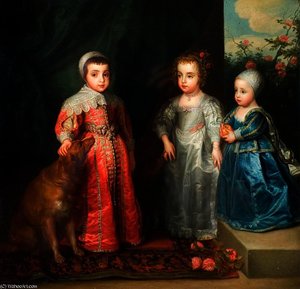
Van Dyck’s untimely death in December 9, 1641, robbed the art world of a prodigious talent—yet his legacy endures to this day. His impact on English portraiture is immeasurable; he established a standard of elegance and sophistication that subsequent artists would strive to emulate. He was a master of both oil painting and etching—constantly experimenting with new techniques. His portraits are characterized by their graceful poses, luxurious fabrics, and subtle psychological insights. He skillfully employed chiaroscuro—the dramatic interplay of light and shadow—to sculpt figures with remarkable realism and to heighten their emotional impact. Beyond his technical prowess, van Dyck possessed an exceptional ability to capture the essence of his sitters—their personality, their social standing, and their aspirations. His works continue to captivate audiences with their beauty, elegance, and enduring psychological depth. The Balbi Children, Charles I in Three Positions, and countless other masterpieces stand as testaments to his genius, ensuring that Sir Anthony van Dyck remains one of the most celebrated artists of the Baroque period. His influence can still be seen today in fashion, photography, and contemporary portraiture—a testament to the timeless appeal of his art.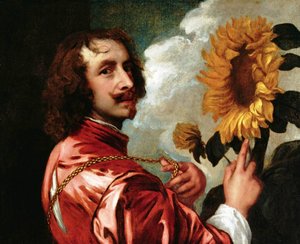
Šarūnės Meistras
1599 - 1641 , Belgija
Trumpa informacija apie kūrėją
- Artistic Movement Or Style: Baroque
- Artists Or Movements Influenced By This Artist: ['English portrait painting']
- Artists Who Influenced This Artist: ['Peter Paul Rubens']
- Date Of Birth: March 22, 1599
- Date Of Death: December 9, 1641
- Full Name: Sir Anthony van Dyck
- Nationality: Flemish
- Notable Artworks:
- Portrait of a woman and child
- Equestrian portrait of Charles I
- Lord John Stuart & brother
- Place Of Birth: Antwerp, Belgium
Susiję straipsniai
The Grandeur of Baroque Portraiture: Power, Emotion & Artistic Innovation
Explore the grandeur of Baroque portraiture! Discover Rubens, Van Dyck & the masters of 17th-century art. Uncover symbolism, techniques & lasting influence. Expert insights for collectors and enthusiasts.

Baroko Šedevrai: 10 Menų Simbolių, Apibūdinusių Epoką | OriginalUniqueArt
Atraskite 10 baroko šedevrų, kurie apibrėžė epoką! Karolis Rubenzas, Berninis ir kiti meistrai – jų kūriniai, istorijos bei spalvos. Aukščiausios kokybės dailės reprodukcijos ir interjero įkvėpimas OriginalUniqueArt.com. Išnagrinėkite visą kolekciją internete!

Rembrandto van Rijn šedevrai: 25 paveikslai, įkvėpę amžius | OriginalUniqueArt
Atraskite 25 įspūdingiausius Rembrandto paveikslus! Išsami istorija, meno technikos ir simbolika. Olandų baroko šedevrai jūsų interjerui – aukštos kokybės reprodukcijos OriginalUniqueArt.com. Explore the full collection online!

Charles-André van Loo: A Study in Rococo Portraiture & the French Court's Artistic Dynamics
Explore the elegant world of Charles-André van Loo, a master of Rococo portraiture at the French court. Discover his life, techniques, and enduring influence on 18th-century art. Hand-painted reproductions available.
Sir Anthony van Dyck: Courtly Portraiture & the Shaping of Baroque Identity
Explore the life & legacy of Sir Anthony van Dyck, the leading court painter of his era. Discover his innovative portraiture, Baroque masterpieces, and investment potential for discerning collectors. Learn more at OriginalUniqueArt.