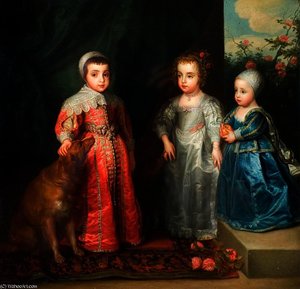
Peržiūrėti realaus dydžio版
 Siųsti
 Dalintis
 Išsamiau
 Vadovas

 Atsisiųsti
 Panašūs eksponatai
 Rentgeno spindulių nuotrauka
 Diaporama
 Statistika
Rinaldo ir Armida
 Aliejus ant drobės
- Sieninis menas
- Baroque Art
 1629
1629- Ankstyvasis modernusis laikotarpis
 Baltimore meno muziejus
 Rodyti daugiau
Rankų darbo aliejinės reprodukcijos
Rankiniu būdu tapytas aliejus ant droblio jūsų pageidaujamame dydį ir rėmuose – mūsų menininkų darbas pagal užsakymą. ( Perjungti į spausdinimą Perejti prie skaitmeninių vaizdų)




P118B €10

P118H €10

P118W €10

P438Z €10

P508JH €12

P508YH €12

P805H €10

P805Z €10

P919BZ €10

P919G €10

P919XJ €10

P959ZH €10

P968JZ €12

W106C €8

W218G €10

W218JH €8

W218Y €10

W307PJ €10

W316G €10

W316PJ €8

W316Y €10

W398PJ €8

W4111J €10

W500HY €15

W500JH €15

W692G €12

W849H €8

W940BG €15

W953PJ €8




Pasirinkite iš mūsų nustatytų dydžių, atitinkančių originalaus meno kūrinio proporcijas.

Įveskite jums reikiamą plotį ir aukštį, kad paveikslas atitiktų jūsų rėmą ar sieną. Kadangi šis darbas yra rankinio darbo, siekiant išgauti kitokio formos dydį, paveikslas gali būti šiek tiek didesnis (nuo kraštų bus palikta daugiau erdvės) arba mažesnis – pasirinkite jums patogiausią variantą. Prieš pradedant tapyti, atsiųsime jums skaitmeninį maketą patvirtinimui. Šioje puslapio nuotraukoje matomas vaizdas nėra galutinis rezultatas – jį parodys tik sukurtas maketas.
Gavus užsakymą, OriginalUniqueArt.com komanda susisieks su klientu el. paštu dėl instrukcijų ir pateiks maketo pavyzdį
Pristatymas visame pasaulyje () per 3–4 savaites, o ne įprastai – per 5 savaites. (21 spalis). Kokybė lieka nepakeičiama.

Nemokamas greitasis pristatymas visame pasaulyje

Aukštos kokybės lininis drobė

Pilnas siuntimo draudimas

Muitinės mokesčių grąžinimo garantija

Tikro spalvų atitikimo garantija

100 dienų grąžinimo politika (tik esant įtaigoms)

100% pinigų grąžinimo garantija

Nuolaida dideliems užsakymams
 Stiklo variantas prieinamas tik pasirinkus dydį iki 110 cm

Rinaldo ir Armida
Reprodukcijos technika
Reprodukcijos dydis
-


Visų pasirinktų variantų kaina
€ 349
Šarūnės Meistro "Rinaldo ir Armida": Baroko Dramos Šedevras
Sir Anthony van Dyck’s “Rinaldo ir Armida” – tai ne tik dailė kūrinys, bet ir įvykio sukakimas, atskleidžiantis baroko amžiaus meninio pasaulio savybes. 1629 metais sukurtas paveiksliškumas pasižymi nepriekštimu, dramingu ir emocijomis, kuriuos sugeba išryškinti Torquato Tasso’s poema “Jeruzalės pristatymas”. Šis darbas yra įrodymas dailininko talentų ir jo reikšmės baroko periodui.
- Patarčius Aprašas: Paveiksle pasirodo dramatiška scena, kurioje riteris Rinaldo įmantriomis Armidos giminės prizomis. Kompozicija yra sudėtinga, su daugybe figūrų, kurioms suteikiama dinamiškos pozos. Širdimi paveikslo centre stovi Armida, apauginta plaušu, jos judėjimas įtraukia žiūrovo dėmesį. Aplink ją – angelai ir mitologiniai veikėjai, kurie prisideda prie pasakojimo intensyvumo.
- Baroko Stilius: Van Dyck’s Baroko stiliui būdingi sudėtingi kompozicijos, ryškios spalvos ir intensyvi emocijų išraiška. Švelnios linijos sukuria judėjimo ir emocijų pojūtį, o turtinga spalvų paletė – su įspūdinga raudona, mėlyna ir auksinė spalva – suteikia dramos ir prabangos jausmą.
- Chiaroscuro Technika: Dailininko meistriškumas pasižymi “chiaroscuro” technikos panaudojimu – šviesos ir šešios kontrasto naudojimu, kuris padidina figūrų trimatę išvaizdą ir prisideda prie scenos gylio.
Istorinis Kontekstas ir Dailininko Įtaka
Sukurtas 1629 metais, “Rinaldo ir Armida” atspindi Baroko periodui būdingus meninius tendencijas – didybę, emocijas ir judėjimą. Van Dyck, kaip žymusis dvarinio dailininkas, buvo žinomas dėl savo portretų aristokratijai ir gebėjimo išryškinti savo subjektų esmę. Šis paveiksliškumas yra dalis jo plačiau apimanties kūrinių, kuriuose pasirodo mitologiniai, alegorinės ir Biblijos tematika.
Van Dyck’s darbas buvo itin įtakingas, ypač po susitikimo su Peter Paul Rubens. Dailininko mokymasis iš Rubens’ kompozicijų, spalvų paletės ir šviesos bei šešių naudojimo meistriškumo padėjo Van Dyck’ui formuoti savo unikalų stilių.
Simbolizmas ir Emocinis Impaktas
Paveiksle pasirodo simboliai, Armida atstumia įtraukiančios vilties ir aistra, o Rinaldo – kovos tarp meilės ir pareigos. Švelnios Angelų ir kitų mitologinių veikėjų prisideda prie pasakojimo išsamumo, sukuria emocinį poveikį žiūrovui.
“Rinaldo ir Armida” yra ne tik gražus paveiksliškumas; tai stiprus žmogaus emocijų ir mitologinio pasakojimo tyrimas. Jo dinamiška kompozicija, ryškios spalvos ir sudėtingi detalės padaro jį išskirtinį akcentą bet kurioje kolekcijoje.
Kūrinio Vertė Jūsų Namams
Aukštos kokybės “Rinaldo ir Armida” reprodukcija gali suteikti baroko elegancijos bet kuriam interjerui. Jos dramatiška kompozicija ir turtingos spalvos padidina ją į pagrindinį akcentą gyvenamosioms zonėms, biurams ar galerijoms. Kūrinio emocinis gylis ir istorinė reikšmė suteikia begalės pokalbių temų.
Pasikreipkite į savo namus su šiuo baroko meistrišku darbu!
问答 (or more naturally for a website heading): Klausimai ir atsakymai
Kokia yra „Rinaldo ir Armida“ istorinė padėtis?
„Rinaldo ir Armida“, autorius – Šarūnės Meistras priklauso Baroque Art stiliui, Ankstyvasis modernusis laikotarpis laikotarpiui. Kartu jie suteikia šiam kūriniui vietą meno istorijoje.
Kokia erdvė rekomenduojama šiam kūriniui „Rinaldo ir Armida“, autorius – Šarūnės Meistras?
Rekomenduojama erdvė kūriniui „Rinaldo ir Armida“, autorius – Šarūnės Meistras yra Popieriaus svetainė. Šią rekomendaciją, žinoma, galima pritaikyti prie jūsų interjero.
Kokiam meno stiliui priklauso „Rinaldo ir Armida“, autorius – Šarūnės Meistras?
Kūrinio „Rinaldo ir Armida“, autorius – Šarūnės Meistras stilius – Baroque Art. Ši klasifikacija leidžia šį darbą įtraukti į bendrą susijusių menininkų ir kūrinių kontekstą.
Autoriaus biografija
A Flemish Master at the Courts of Europe
Sir Anthony van Dyck, born in Antwerp on March 22, 1599, emerged as one of the most celebrated and influential portraitists of the Baroque era. His life, though tragically cut short at just forty-two years old, was a whirlwind of artistic exploration and prestigious commissions that took him from his native Flanders to Italy and ultimately to the heart of the English court. From an early age, van Dyck displayed remarkable talent, entering Hendrick van Balen’s workshop as a young apprentice and quickly absorbing the prevailing styles of the time. However, it was his association with Peter Paul Rubens – not merely as a student but as a collaborator – that truly shaped his artistic foundation. He learned from Rubens' dynamic compositions, rich color palettes, and masterful handling of light and shadow, yet van Dyck soon began to forge his own distinct path, one characterized by an elegance and refinement that would become his signature.Early Influences and Artistic Training
Rubens’ influence was profound; he instilled in van Dyck a belief in dramatic expression and the importance of capturing emotion alongside physical likeness. This approach contrasted sharply with earlier portrait conventions, prioritizing psychological depth over mere representation. Van Dyck's apprenticeship under Rubens honed his skills in oil painting and etching—techniques he would master with unparalleled precision. He diligently studied Rubens’ monumental canvases, absorbing his compositional strategies and experimenting with innovative color harmonies. These formative years established the groundwork for van Dyck’s distinctive artistic style, characterized by a luminous palette and masterful rendering of texture.Italian Sojourn and Style Development
Around 1621, Van Dyck embarked on a transformative journey to Italy—primarily Genoa—where he gained patronage from wealthy aristocratic families. During this period, he cultivated the refined style for which he would become renowned: graceful poses, luxurious fabrics, and an almost palpable sense of nobility. Unlike Rubens’ energetic brushstrokes, van Dyck's Italian portraits exuded composure, capturing not just physical likeness but also inner character and social standing. He skillfully employed chiaroscuro—the dramatic interplay of light and shadow—to sculpt figures with remarkable realism and to heighten their emotional impact. This technique became a hallmark of his oeuvre, distinguishing him from many of his contemporaries. His artistic explorations in Italy solidified his reputation as a visionary innovator, pushing the boundaries of portraiture while upholding the highest standards of aesthetic excellence.The King's Painter: Van Dyck in England
In 1632, Van Dyck received an invitation that would forever alter his career trajectory—a summons from Charles I of England to become the court painter. This appointment marked a turning point, not only for van Dyck but also for English portraiture. He arrived in London with considerable renown and swiftly became indispensable to the king, tasked with creating images that projected an aura of power, majesty, and divine right. Van Dyck’s portraits of Charles I are particularly noteworthy; he moved away from stiff conventions, portraying the king as a dynamic leader—a man brimming with charisma and intellect. He employed innovative techniques—dramatic lighting, sweeping gestures, and carefully chosen backgrounds—to create images that were both visually stunning and politically charged. His influence extended beyond the royal family, shaping the visual culture of the English aristocracy for generations to come.Legacy and Enduring Influence
Van Dyck’s untimely death in December 9, 1641, robbed the art world of a prodigious talent—yet his legacy endures to this day. His impact on English portraiture is immeasurable; he established a standard of elegance and sophistication that subsequent artists would strive to emulate. He was a master of both oil painting and etching—constantly experimenting with new techniques. His portraits are characterized by their graceful poses, luxurious fabrics, and subtle psychological insights. He skillfully employed chiaroscuro—the dramatic interplay of light and shadow—to sculpt figures with remarkable realism and to heighten their emotional impact. Beyond his technical prowess, van Dyck possessed an exceptional ability to capture the essence of his sitters—their personality, their social standing, and their aspirations. His works continue to captivate audiences with their beauty, elegance, and enduring psychological depth. The Balbi Children, Charles I in Three Positions, and countless other masterpieces stand as testaments to his genius, ensuring that Sir Anthony van Dyck remains one of the most celebrated artists of the Baroque period. His influence can still be seen today in fashion, photography, and contemporary portraiture—a testament to the timeless appeal of his art.
Šarūnės Meistras
1599 - 1641 , Belgija
Trumpa informacija apie kūrėją
- Artistic Movement Or Style: Baroque
- Artists Or Movements Influenced By This Artist: ['English portrait painting']
- Artists Who Influenced This Artist: ['Peter Paul Rubens']
- Date Of Birth: March 22, 1599
- Date Of Death: December 9, 1641
- Full Name: Sir Anthony van Dyck
- Nationality: Flemish
- Notable Artworks:
- Portrait of a woman and child
- Equestrian portrait of Charles I
- Lord John Stuart & brother
- Place Of Birth: Antwerp, Belgium
Susiję straipsniai

Dutch Baroque Masters: 10 Paintings That Shaped an Era | OriginalUniqueArt
Journey through the Golden Age with our guide to the Top 10 Dutch Baroque masterpieces! Explore iconic paintings by Rembrandt, Vermeer & Frans Hals. Find museum-quality art reproductions and elevate your home decor at OriginalUniqueArt.com.

Rembrandto van Rijn šedevrai: 25 paveikslai, įkvėpę amžius | OriginalUniqueArt
Atraskite 25 įspūdingiausius Rembrandto paveikslus! Išsami istorija, meno technikos ir simbolika. Olandų baroko šedevrai jūsų interjerui – aukštos kokybės reprodukcijos OriginalUniqueArt.com. Explore the full collection online!
The Grandeur of Baroque Portraiture: Power, Emotion & Artistic Innovation
Explore the grandeur of Baroque portraiture! Discover Rubens, Van Dyck & the masters of 17th-century art. Uncover symbolism, techniques & lasting influence. Expert insights for collectors and enthusiasts.

Sir Anthony van Dyck: Courtly Portraiture & the Shaping of Baroque Identity
Explore the life & legacy of Sir Anthony van Dyck, the leading court painter of his era. Discover his innovative portraiture, Baroque masterpieces, and investment potential for discerning collectors. Learn more at OriginalUniqueArt.

Early Netherlandish Masters: 10 Paintings That Revolutionized Art & Decor
Journey into the world of Early Netherlandish painting! Explore 10 masterpieces by Jan van Eyck, Rogier van der Weyden & more. Discover stunning detail, symbolism & Renaissance art for your home decor. Find museum-quality reproductions on OriginalUniqueArt.com