 Preview
 Pirkti atspaudą Pirkti skaitmeninį paveikslą
 Pasidalinti
 Dalintis
 Išsamiau
 Pridėti į mėgstamiausius

 Atsisiųsti
 Panašūs eksponatai
 Rentgeno nuotrauka
 Automatinė diorama
Golgotha


 Skaityti daugiau
Rankų darbo aliejinės reprodukcijos
Rankiniu būdu tapytas aliejus ant droblio jūsų pageidaujamame dydį ir rėmuose – mūsų menininkų darbas pagal užsakymą.




P118B $10

P118H $10

P118W $10

P438Z $10

P508JH $12

P508YH $12

P805H $10

P805Z $10

P919BZ $10

P919G $10

P919XJ $10

P959ZH $10

P968JZ $12

W106C $8

W218G $10

W218JH $8

W218Y $10

W307PJ $10

W316G $10

W316PJ $8

W316Y $10

W398PJ $8

W4111J $10

W500HY $15

W500JH $15

W692G $12

W849H $8

W940BG $15

W953PJ $8




Pasirinkite iš mūsų nustatytų dydžių, atitinkančių originalaus meno kūrinio proporcijas.

Galite įvesti savo matmenis, kad jie atitiktų konkretų rėmą ar erdvę. Jei pasirinktas dydis neatitinka originalaus paveikslėlio proporcijų, mes arba apkropsime meno kūrinį, arba papildysime tapybą rankomis dažytい elementais. Prieš pradėdami gamybą, jūsų patvirtinimui atsiųsime skaitmeninį maketą.
Atkreipkite dėmesį, kad ekrane rodomas vaizdas neatspindi tikrojo apkarpymo ar papildymo. Tik maketas tiksliai parodys galutinę kompoziciją.
Nors galima rinktis ir individualius dydžius, rekomenduojame pasirinkti matmenis iš nustatytos sąrašo, kad būtų išlaikytos originalios proporcijos.
Gavus užsakymą, OriginalUniqueArt.com komanda susisieks su klientu el. paštu dėl instrukcijų ir pateiks maketo pavyzdį.
Pristatymas visame pasaulyje () per 3–4 savaites, o ne įprastai – per 5 savaites. (23 liepa). Kokybė lieka nepakeičiama.

Nemokamas greitasis pristatymas visame pasaulyje

Aukštos kokybės lininis drobė

Pilnas siuntimo draudimas

Muitinės mokesčių grąžinimo garantija

Tikro spalvų atitikimo garantija

60 dienų grąžinimo politika (tik esant gamyklinėms defektams)

100% pinigų grąžinimo garantija

Nuolaida už kelias reprodukcijas
 Stiklo variantas prieinamas tik pasirinkus dydį iki 110 cm

Golgotha
Reprodukcijos technika
Reprodukcijos matmenys
-


Galutinė kaina
-
Kūrinio aprašymas
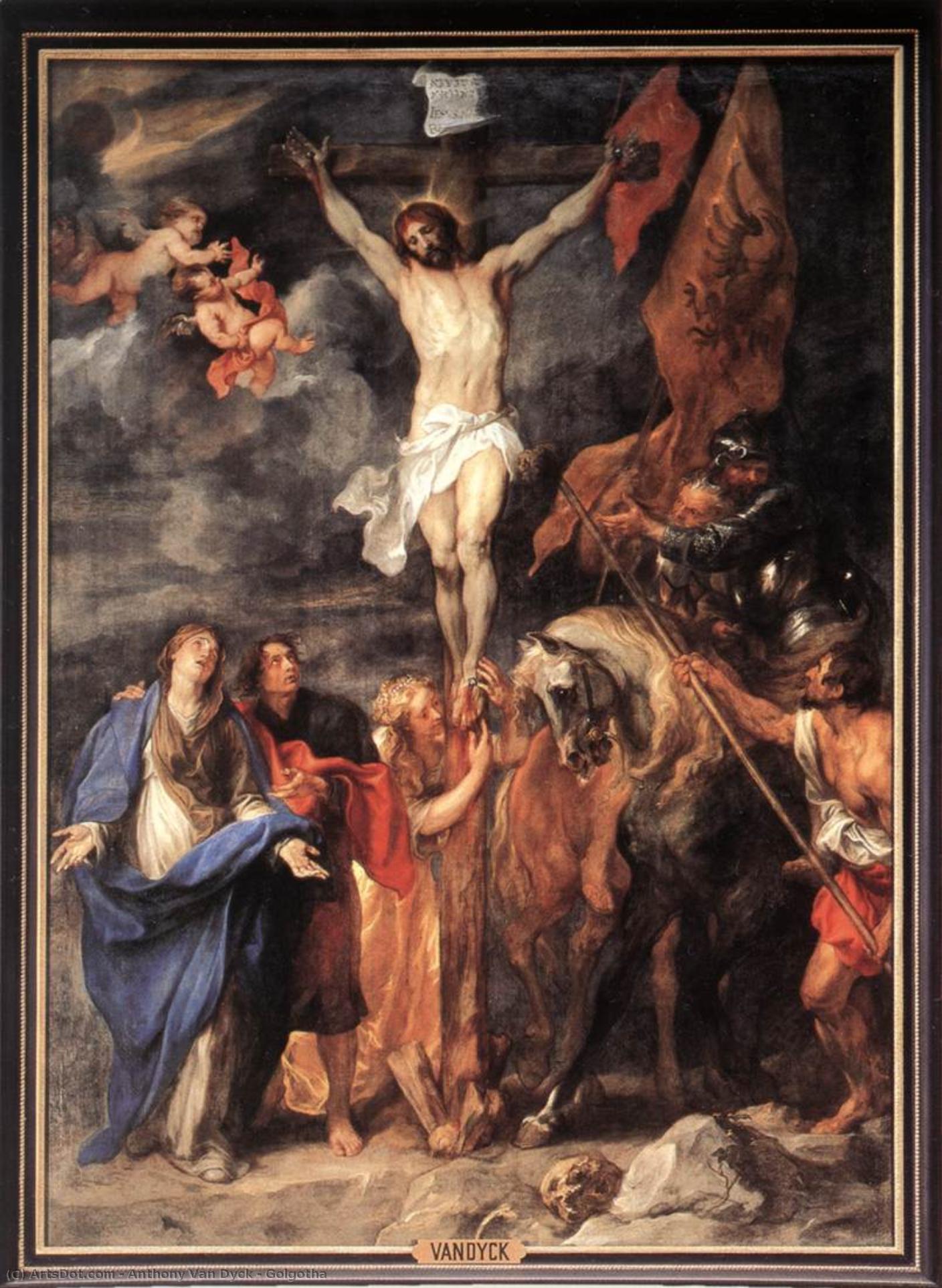
A Moment Frozen in Sorrow: Analyzing Van Dyck’s ‘Golgotha’
The painting “Golgotha,” attributed to Sir Anthony van Dyck, stands as a testament to the Baroque fascination with dramatic emotion and masterful artistic execution. Completed in 1630, this monumental canvas captures a pivotal scene from Christian scripture – the crucifixion of Jesus Christ – transforming it into an unforgettable visual experience for its audience. More than just a depiction of religious iconography, ‘Golgotha’ embodies the spirit of its era and reveals profound insights into Van Dyck's artistic vision.Composition and Technique: Orchestrating Emotion Through Form
Van Dyck skillfully employs pyramidal composition to draw the viewer’s gaze upwards towards Christ at the apex. This deliberate structuring device isn’t merely aesthetically pleasing; it serves a crucial communicative function, emphasizing Christ’s central importance within the narrative while simultaneously creating a sense of depth and movement across the canvas. The artist’s mastery of oil paint is evident in every brushstroke. Layers upon layers of pigment are blended meticulously to achieve remarkable textural richness and subtle gradations of color—a technique honed during his collaboration with Rubens, where he absorbed lessons in dynamic lighting and expressive handling of form. Notice particularly how Van Dyck utilizes chiaroscuro – the dramatic interplay between light and shadow – to sculpt Christ’s body and illuminate the faces of those observing the crucifixion, amplifying the emotional intensity of the scene.Historical Context: Baroque Drama and Spiritual Reflection
The painting emerged during a period marked by fervent religious fervor and artistic innovation—the High Baroque in Flanders and beyond. Rubens' influence permeated Van Dyck’s oeuvre, fostering an aesthetic sensibility that prioritized grandeur, dynamism, and psychological realism. The depiction of the crucifixion aligns perfectly with the broader Baroque preoccupation with portraying human suffering as a pathway to spiritual enlightenment. It reflects the theological debates surrounding martyrdom and divine grace prevalent at the time, presenting Christ’s agony not merely as physical pain but as a symbol of sacrificial love and redemption.Symbolism: Layers of Meaning Beyond the Visible
‘Golgotha’ is replete with symbolic elements that enrich its narrative significance. The angels hovering above represent divine compassion and foreshadowing salvation, while the Roman soldiers underscore the earthly dimension of Christ's sacrifice—a confrontation between human authority and divine justice. Mary Magdalene’s sorrowful gaze embodies universal grief and underscores the profound emotional impact of witnessing Christ’s death. These figures are rendered with meticulous detail, conveying not only physical likeness but also psychological depth – a hallmark of Baroque portraiture that sought to capture the essence of its subjects.Emotional Resonance: A Window into Spiritual Experience
Ultimately, ‘Golgotha’ succeeds in transporting viewers back to the moment of crucifixion, eliciting feelings of empathy and contemplation. Van Dyck's masterful use of color, light, and texture contributes powerfully to this emotional resonance. The warm hues—reds, browns, and golds—evoke a sense of warmth and solemnity, juxtaposed against the cooler blues of Mary’s drapery and the overcast sky, creating an atmosphere of palpable sorrow. This artwork remains a compelling reminder of the enduring power of art to communicate profound spiritual truths and capture the complexities of human emotion – a legacy that continues to inspire admiration centuries later.Autoriaus biografija
A Flemish Master at the Courts of Europe
Sir Anthony van Dyck, born in Antwerp on March 22, 1599, emerged as one of the most celebrated and influential portraitists of the Baroque era. His life, though tragically cut short at just forty-two years old, was a whirlwind of artistic exploration and prestigious commissions that took him from his native Flanders to Italy and ultimately to the heart of the English court. From an early age, van Dyck displayed remarkable talent, entering Hendrick van Balen’s workshop as a young apprentice and quickly absorbing the prevailing styles of the time. However, it was his association with Peter Paul Rubens – not merely as a student but as a collaborator – that truly shaped his artistic foundation. He learned from Rubens' dynamic compositions, rich color palettes, and masterful handling of light and shadow, yet van Dyck soon began to forge his own distinct path, one characterized by an elegance and refinement that would become his signature.Early Influences and Artistic Training
Rubens’ influence was profound; he instilled in van Dyck a belief in dramatic expression and the importance of capturing emotion alongside physical likeness. This approach contrasted sharply with earlier portrait conventions, prioritizing psychological depth over mere representation. Van Dyck's apprenticeship under Rubens honed his skills in oil painting and etching—techniques he would master with unparalleled precision. He diligently studied Rubens’ monumental canvases, absorbing his compositional strategies and experimenting with innovative color harmonies. These formative years established the groundwork for van Dyck’s distinctive artistic style, characterized by a luminous palette and masterful rendering of texture.Italian Sojourn and Style Development
Around 1621, Van Dyck embarked on a transformative journey to Italy—primarily Genoa—where he gained patronage from wealthy aristocratic families. During this period, he cultivated the refined style for which he would become renowned: graceful poses, luxurious fabrics, and an almost palpable sense of nobility. Unlike Rubens’ energetic brushstrokes, van Dyck's Italian portraits exuded composure, capturing not just physical likeness but also inner character and social standing. He skillfully employed chiaroscuro—the dramatic interplay of light and shadow—to sculpt figures with remarkable realism and to heighten their emotional impact. This technique became a hallmark of his oeuvre, distinguishing him from many of his contemporaries. His artistic explorations in Italy solidified his reputation as a visionary innovator, pushing the boundaries of portraiture while upholding the highest standards of aesthetic excellence.The King's Painter: Van Dyck in England
In 1632, Van Dyck received an invitation that would forever alter his career trajectory—a summons from Charles I of England to become the court painter. This appointment marked a turning point, not only for van Dyck but also for English portraiture. He arrived in London with considerable renown and swiftly became indispensable to the king, tasked with creating images that projected an aura of power, majesty, and divine right. Van Dyck’s portraits of Charles I are particularly noteworthy; he moved away from stiff conventions, portraying the king as a dynamic leader—a man brimming with charisma and intellect. He employed innovative techniques—dramatic lighting, sweeping gestures, and carefully chosen backgrounds—to create images that were both visually stunning and politically charged. His influence extended beyond the royal family, shaping the visual culture of the English aristocracy for generations to come.Legacy and Enduring Influence
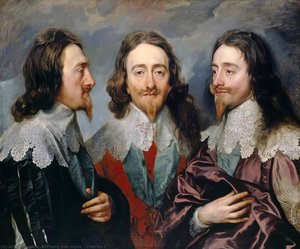
Van Dyck’s untimely death in December 9, 1641, robbed the art world of a prodigious talent—yet his legacy endures to this day. His impact on English portraiture is immeasurable; he established a standard of elegance and sophistication that subsequent artists would strive to emulate. He was a master of both oil painting and etching—constantly experimenting with new techniques. His portraits are characterized by their graceful poses, luxurious fabrics, and subtle psychological insights. He skillfully employed chiaroscuro—the dramatic interplay of light and shadow—to sculpt figures with remarkable realism and to heighten their emotional impact. Beyond his technical prowess, van Dyck possessed an exceptional ability to capture the essence of his sitters—their personality, their social standing, and their aspirations. His works continue to captivate audiences with their beauty, elegance, and enduring psychological depth. The Balbi Children, Charles I in Three Positions, and countless other masterpieces stand as testaments to his genius, ensuring that Sir Anthony van Dyck remains one of the most celebrated artists of the Baroque period. His influence can still be seen today in fashion, photography, and contemporary portraiture—a testament to the timeless appeal of his art.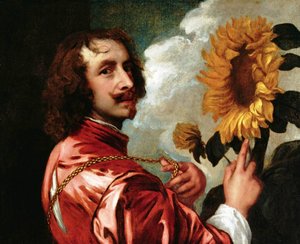
Šarūnės Meistras
1599 - 1641 , Belgija
Trumpa informacija
- Artistic Movement Or Style: Baroque
- Artists Or Movements Influenced By This Artist: ['English portrait painting']
- Artists Who Influenced This Artist: ['Peter Paul Rubens']
- Date Of Birth: March 22, 1599
- Date Of Death: December 9, 1641
- Full Name: Sir Anthony van Dyck
- Nationality: Flemish
- Notable Artworks:
- Portrait of a woman and child
- Equestrian portrait of Charles I
- Lord John Stuart & brother
- Place Of Birth: Antwerp, Belgium