
 Peržiūrėti realybėje
 Pasidalinti
 Dalintis
 Išsamiau

 Atsisiųsti
 Panašūs eksponatai
 Rentgeno nuotrauka
 Automatinė diorama
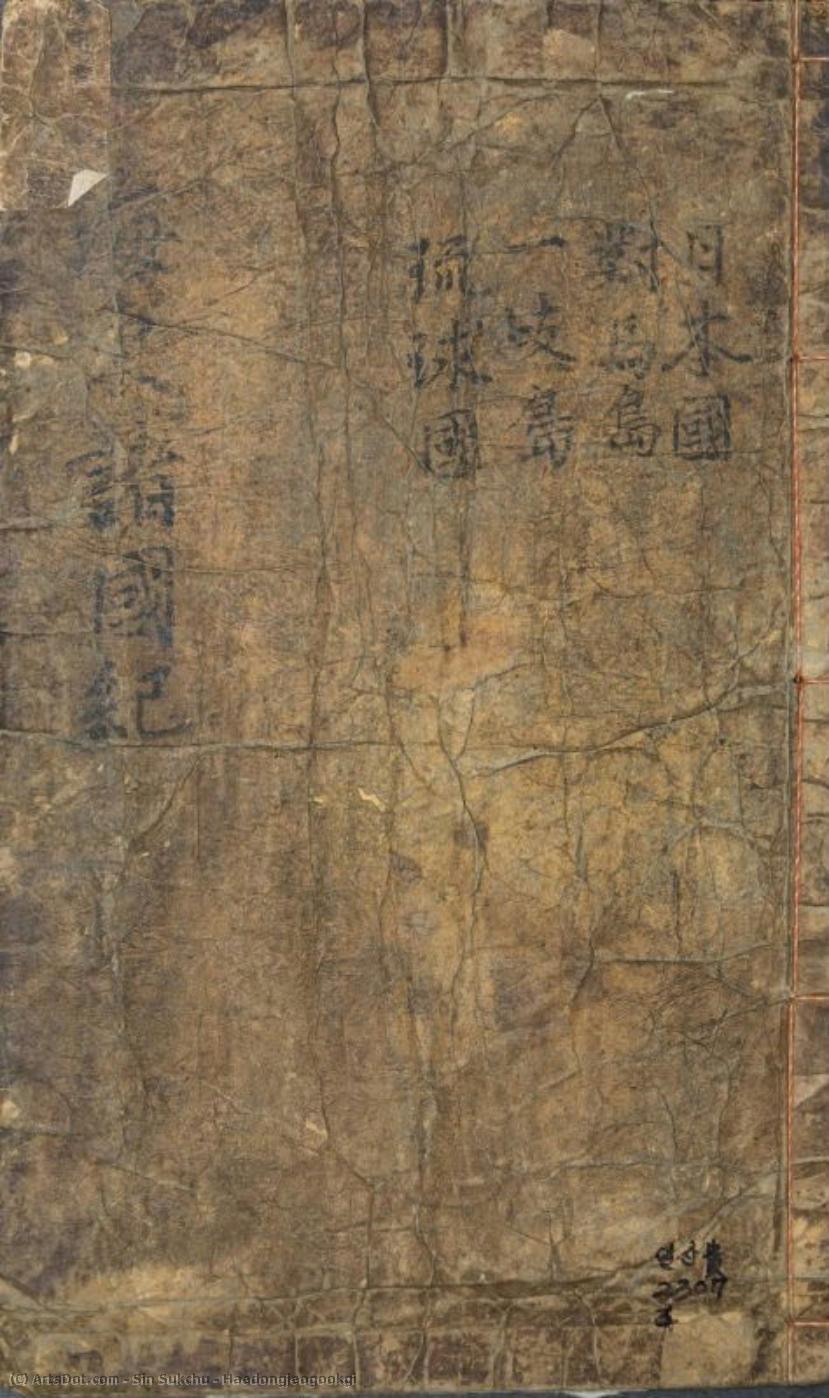
Haedongjeogookgi
 22.0 x 36.0 cm
 Korejos nacionalinė biblioteka
 Skaityti daugiau
Rankų darbo aliejinės reprodukcijos
Rankiniu būdu tapytas aliejus ant droblio jūsų pageidaujamame dydį ir rėmuose – mūsų menininkų darbas pagal užsakymą. ( Pirkti spaudinį Pirkti vaizdą)




































Pasirinkite iš mūsų nustatytų dydžių, atitinkančių originalaus meno kūrinio proporcijas.

Galite įvesti savo matmenis, kad jie atitiktų konkretų rėmą ar erdvę. Jei pasirinktas dydis neatitinka originalaus paveikslėlio proporcijų, mes arba apkropsime meno kūrinį, arba papildysime tapybą rankomis dažytい elementais. Prieš pradėdami gamybą, jūsų patvirtinimui atsiųsime skaitmeninį maketą.
Atkreipkite dėmesį, kad ekrane rodomas vaizdas neatspindi tikrojo apkarpymo ar papildymo. Tik maketas tiksliai parodys galutinę kompoziciją.
Nors galima rinktis ir individualius dydžius, rekomenduojame pasirinkti matmenis iš nustatytos sąrašo, kad būtų išlaikytos originalios proporcijos.
Gavus užsakymą, OriginalUniqueArt.com komanda susisieks su klientu el. paštu dėl instrukcijų ir pateiks maketo pavyzdį.
Pristatymas visame pasaulyje () per 3–4 savaites, o ne įprastai – per 5 savaites. (13 rugpjūtis). Kokybė lieka nepakeičiama.

Nemokamas greitasis pristatymas visame pasaulyje

Aukštos kokybės lininis drobė

Pilnas siuntimo draudimas

Muitinės mokesčių grąžinimo garantija

Tikro spalvų atitikimo garantija

60 dienų grąžinimo politika (tik esant gamyklinėms defektams)

100% pinigų grąžinimo garantija

Nuolaida už kelias reprodukcijas
 Stiklo variantas prieinamas tik pasirinkus dydį iki 110 cm

Haedongjeogookgi
Reprodukcijos technika
Reprodukcijos matmenys
-


Galutinė kaina
$ 300
Kūrinio aprašymas
Autoriaus biografija
Sin Sukchu: Bridging Chinese Scholarship and Joseon Dynasty Culture
Sin Sukchu (신숙주; Hanja: 申叔舟; August 2, 1417 – July 23, 1475) stands as a pivotal figure in Korean art history—specifically recognized for his monumental work, *Haedongjeogookgi*, which cemented his legacy as a diplomat, scholar, and arguably the most influential linguist of his era. Born in Goryeong-si, South Korea, he ascended to prominence during the Joseon Dynasty (1392–1910), serving as Prime Minister from 1461 to 1466 and again from 1471 to 1475—positions that underscored his considerable political acumen. His lineage traced back to the Goryeong Shin clan, a family known for its dedication to education and intellectual pursuits.- Early Life & Education: Sin Sukchu’s formative years were marked by an unparalleled immersion in Chinese scholarship. Recognizing the importance of mastering classical texts for governance and diplomacy, he diligently studied Confucian classics and excelled in calligraphy—skills that would serve him faithfully throughout his life. This profound understanding of Chinese thought profoundly shaped his worldview and informed his artistic sensibilities.
- The Creation of Haedongjeogookgi: Sin Sukchu’s most enduring contribution to Korean art is undoubtedly *Haedongjeogookgi* (해동지옥기), a comprehensive treatise on Korean geography, history, and culture. Commissioned by King Sejong the Great—the visionary ruler who spearheaded the creation of Hangul—this monumental work represents an unprecedented effort to synthesize Chinese scholarship with indigenous Korean knowledge.
Haedongjeogookgi: A Synthesis of Tradition
The *Haedongjeogookgi* wasn’t merely a geographical survey; it was a deliberate attempt to establish Korea's intellectual standing on the global stage. Prior to Sejong’s reign, Korean scholarship largely relied on translations from Chinese texts—a system that inherently favored Confucian interpretations of history and cosmology. Sin Sukchu recognized this limitation and championed the adoption of Hangul—the Korean alphabet—as a tool for disseminating knowledge and fostering national unity.
- Hangul’s Significance: Before Hangul, Koreans utilized Chinese characters (Hanja) to represent their language—a cumbersome system that hindered literacy and limited access to scholarly discourse. Sin Sukchu fervently advocated for Hangul's implementation, arguing that it would liberate Korean intellectuals from the constraints of Hanja and empower them to engage in more nuanced discussions about Korean identity.
The Role of Patronage & Artistic Influences
Sin Sukchu’s influence extended beyond scholarly pursuits into the realm of artistic patronage. He actively supported artists affiliated with the Royal Bureau of Painting—a government agency tasked with producing official portraits and disseminating cultural knowledge. This support fostered a vibrant artistic environment characterized by adherence to established conventions while simultaneously embracing innovation.
- Portrait Conventions: Joseon Dynasty portraiture adhered to strict stylistic guidelines designed to convey honorific status and demonstrate loyalty to the king. Artists meticulously crafted images of officials seated in full-length poses—often with heads turned slightly—employing precise lines and subtle gradations of color to capture likeness and symbolic meaning.
Legacy & Historical Significance
Sin Sukchu’s unwavering commitment to education, his advocacy for Hangul, and his patronage of the arts solidified his place as a transformative figure in Korean history. *Haedongjeogookgi* stands as a testament to his intellectual brilliance—a groundbreaking achievement that reshaped Korea's understanding of its own past and future. His legacy continues to inspire scholars and artists alike, reminding us of the enduring power of knowledge and cultural exchange.

sin sukchu
1417 - 1475 , South Korea
Trumpa informacija
- Artistic Movement Or Style: Joseon Dynasty Art
- Artists Or Movements Influenced By This Artist: ['Ming dynasty']
- Artists Who Influenced This Artist: ['Chinese Scholars']
- Date Of Birth: August 2, 1417
- Date Of Death: July 23, 1475
- Full Name: Sin Sukchu
- Nationality: Korean
- Notable Artworks: ['Haedongjeogookgi']
- Place Of Birth: Goryeong-si, South Korea

