Peržiūrėti realaus dydžio版
 Siųsti
 Dalintis
 Išsamiau
 Vadovas

 Atsisiųsti
 Panašūs eksponatai
 Rentgeno spindulių nuotrauka
 Diaporama
 Statistika
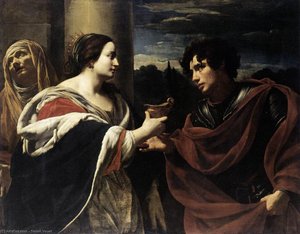
The Entombment
 Oil On Canvas
- WallArt
- Baroque Painting
 1638
1638 57.0 x 42.0 cm
 Fitzwilliam College
 Rodyti daugiau
Giclée / Meno spausdinimas
Muziejų lygio „giclée“ arba drobos spausdinimas: greita gamyba ir lankstios apdailos parinktys. ( Pirkti rankomis tapytą reprodukciją Perejti prie skaitmeninių vaizdų)




P118B €10

P118H €10

P118W €10

P438Z €10

P508JH €12

P508YH €12

P805H €10

P805Z €10

P919BZ €10

P919G €10

P919XJ €10

P959ZH €10

P968JZ €12

W106C €8

W218G €10

W218JH €8

W218Y €10

W307PJ €10

W316G €10

W316PJ €8

W316Y €10

W398PJ €8

W4111J €10

W500HY €15

W500JH €15

W692G €12

W849H €8

W940BG €15

W953PJ €8




Pasirinkite iš mūsų nustatytų dydžių, atitinkančių originalaus meno kūrinio proporcijas.

Įveskite jums reikiamą plotį ir aukštį, kad atvaizdas derėtų prie jūsų rėmo ar sienos. Spausdiną galima tik sumažinti, bet nepadidinti virš originalaus paveikslėlio dydžio, todėl keičiant proporcijas, dalis vaizdo prarandama. Prieš spausdinimą atsiųsime jums skaitmeninį maketą patvirtinimui. Šioje puslapio nuotraukoje matomas pjūvis nėra tikslus – jį rodo tik maketas.
Pristatymas visame pasaulyje () per 2 weeks, o ne įprastas 4/5 savaičių laikotarpis. (23 spalis)

Nemokamas greitasis pristatymas visame pasaulyje

Aukštos kokybės lininis drobė

Pilnas siuntimo draudimas

Muitinės mokesčių grąžinimo garantija

Tikro spalvų atitikimo garantija

100 dienų grąžinimo politika (tik esant įtaigoms)

100% pinigų grąžinimo garantija

Nuolaida dideliems užsakymams
 Stiklo variantas prieinamas tik pasirinkus dydį iki 110 cm

The Entombment
Giclée / Meno spausdinimas
Reprodukcijos dydis
-


Visų pasirinktų variantų kaina
€ 70
The Weight of Sorrow: Simon Vouet’s “The Entombment”
Simon Vouet's "The Entombment," painted in 1635–1638, is not merely a depiction of a biblical scene; it’s an exquisitely rendered meditation on grief, faith, and the profound dignity of sacrifice. This monumental work, currently residing within the collection of the Fitzwilliam Museum in Cambridge, transcends its subject matter to become a powerful testament to the Baroque era's ability to evoke intense emotion through masterful technique and carefully considered symbolism. Vouet, a pivotal figure in bridging the gap between Mannerism and the burgeoning Baroque style in France, imbued this piece with the dramatic lighting and emotional depth that would define his career.
The painting immediately draws the viewer into a scene of palpable sorrow. Jesus Christ, recently taken from the cross, lies supine within a richly appointed tomb – a bed draped in luxurious fabrics, its details suggesting both earthly comfort and impending finality. The figures surrounding him are rendered with an almost sculptural quality, their bodies conveying a range of emotions: Mary Magdalene, her face etched with anguish, gently lays her head upon Christ’s chest; John the Evangelist kneels in prayer, his posture reflecting deep contemplation; while other mourners – including soldiers and attendants – stand as witnesses to this solemn event. Vouet's skill lies not just in capturing individual likenesses but in conveying the collective weight of grief that permeates the scene.
A Masterclass in Baroque Technique
Vouet’s mastery of technique is evident in every brushstroke. He employed a layered approach, building up the image through numerous glazes – a hallmark of his style and one that contributes to the painting's luminous quality. The use of *chiaroscuro*, or dramatic contrasts between light and shadow, is particularly striking. The soft, diffused light emanating from an unseen source illuminates Christ’s body and the faces of the mourners, while plunging the tomb into a deeper darkness, symbolizing death and the unknown. This interplay of light and shadow not only creates a sense of drama but also directs the viewer's eye to the most important elements of the composition.
Furthermore, Vouet’s attention to detail is remarkable. The textures of the fabrics – the velvet, linen, and wool – are rendered with astonishing realism, as are the folds of Christ’s garments and the expressions on the faces of the figures. The artist's meticulous observation of anatomy and drapery reflects his extensive training in Italy, where he had spent much of his early career studying the works of masters like Titian and Veronese. The composition itself is carefully balanced, with a clear sense of depth and perspective that draws the viewer into the scene.
Symbolism and Spiritual Resonance
Beyond its technical brilliance, “The Entombment” is rich in symbolic meaning. The tomb itself represents not just death but also resurrection – the promise of eternal life offered through Christ’s sacrifice. The presence of Mary Magdalene, traditionally depicted as a repentant sinner, underscores the theme of redemption and forgiveness. The soldiers guarding the tomb symbolize earthly authority and the limitations of human power to prevent divine destiny. The bird perched atop the tomb, often interpreted as an angel or dove, represents hope and the arrival of the Holy Spirit.
Moreover, the painting’s emotional intensity speaks to a broader spiritual concern – the universality of suffering and the importance of compassion. Vouet's depiction of grief is not merely sentimental; it is profoundly moving, inviting viewers to contemplate their own experiences of loss and mortality. The scene resonates with the viewer on a deeply human level, reminding us of the enduring power of faith and the significance of acts of kindness and empathy.
A Legacy of Elegance and Emotion
“The Entombment” stands as a quintessential example of Baroque art – a fusion of technical virtuosity, dramatic emotion, and profound symbolism. Simon Vouet’s ability to capture both the physical beauty of his subjects and the depth of their emotional experience is truly remarkable. Reproductions of this masterpiece offer an opportunity to bring its elegance and spiritual resonance into any setting, serving as a poignant reminder of humanity's shared journey through life and death.
问答 (or more naturally for a website heading): Klausimai ir atsakymai
Kokią vietą Simonas Vouetas pasikartojančių temų tarėje užima „The Entombment“?
Dažniausios Simonas Vouetas temas apima italian baroque, mannerist influence, religious devotion, christian narrative, royal patronage, courtly commissions, emotional intensity, dramatic scenes; kūrinys „The Entombment“ susitelkia į christianity, entombment, jesus, mary magdalene, angels, burial, renaissance, baroque.
Ar kūrinys „The Entombment“, autorius – Simonas Vouetas saugomas originalaus paveikslautojo valstybėje?
Ne – kūrinys saugomas užsienyje. Simonas Vouetas gimė Prancūzija, o originalus kūrinys „The Entombment“ saugomas muziejuje, esančiame šioje šalyje – United Kingdom.
Kokią Simonas Vouetas kūrybos etapą atitinka „The Entombment“ data, nurodyta kaip 1638?
„The Entombment“, sukurta 1638 m., priklauso Simonas Vouetas kūrybinio karjeros laikotarpio Mature Period.
Autoriaus biografija
Simon Vouet: Mano pavojė prancūziškam baroko dailės kūrimui
- Gimimas: 1590 m. sausio 9 d., Paryžiui, Fransiya
- Mirtis: 1649 m. június 30 d., Paryžiui, Fransiya
Simon Vouet buvo kritiškai svarbus žmogus prancūziškos dailės paeitajojame iš Manierizmo į Baroką stilių. Gimęs menininkų šeimoje – jo tėvis Laurent buvo dailininkas, o brolis Aubin taip pat mėgė meną – Vouet gavo ankstyvą mokymą, kuris padėjo pagrindą jo ateičiai sėkmei. Jo negrandsonis, Ludovico Dorigny, tęsė šeimos meninį palikimą.
Ankstesnis gyvenimas ir italijos įtakos (1608–1627)
- Ankstesnė portretų dailė: Vouet pradėjo savo karjerą kaip portretininkas, parodamas ankstyvą talantą.
- Kelionė į Angliją (1608 m.): Vaiku, vyruodaryje amžiaus 14 metų, jis iškelia į Angliją, kad pildytų užsakymą portretą, parodamas savo augančią reputaciją.
- Otomano imperija ir Venecija: 1611 m. Vouet prisijungė prie Barono de Sancy kompanijos, kuris buvo prancūziškas ambasadorius Otomanų imperijoje, dar kartą portretų darbams. Ši kelionė nuvedė jį per Konstantinopolį, o vėliau – į Veneciją 1612 m.
- Roma (1614–1627 m.): Jo laikotys Roma paversti akybę. Jis išliko ten trylukus metus, įmerkęsias į gyvą menininkų sceną augančiojo Baroko laikrodutės.
Per Italijos kelionę Vouet įsimokė įvairių įtakų. Jis studijavo dramatiškas šviesos technikų, kurias pionierius buvo Caravaggio, priėmė italinių Manierizmo elementus ir didikškai analizavo spalvų paletas bei di sotto in su (išsišvytinta perspektiva), kurią naudojo Paolo Veronese. Jis taip pat įkvėpėsi iš Carracci, Guercino, Lanfranco ir Guido Reni darbų, sintezuojant šiuos įvairius stilius į unikalią meninę viziją.
Vouet unikaliojo stiliaus vystymasis
- Pasakymas į Accademia di San Luca (1624 m.): Jo sėkmė Roma kulminoja jo pasakymu į prestižinę Accademia di San Luca, kas buvo patvirtinimas jo gebėjimo ir paženklės Italijos menininkų pasaulyje.
- Įtakų sintezas: Vouet stilius buvo pažymėtas savo galimybėse absorbuoti ir destiliuoti įvairias menines įtakas. Jis neįkrepė tik kopijavimą; jis integruoja šiuos elementus į koherentinę ir išskirtinai italines Baroko estetiką.
- Baroko pristatymas į Franciją: Grįžęs į Franciją 1627 m., Vouet žymiai vaidino pradinant itališką Baroką stilių prancūziškoje dailėje, ištai įtakojus šalies meninį kraštovaizdį.
Pagrindios pasiekimai ir palikimas
- Premier Peintre du Roi: Vouet buvo vienas iš Premier peintre du Roi (Karaliaus pirmasis dailininkas) – pavadinimas, turintis didelę prestižą ir įtaką.
- Gausūs dirbtuvėliai: Jis palaikė didelį ir aktyvų dirbtuvę, apmokydamas daugelį menininkų, kurie išformuos ateinančią kartą prancūziškus dailininkus.
- Žymūs mokiniškai: Among jo įtakystyviausių mokiniai buvo Charles Le Brun (kuris vėliau organizavo visą dekoratyvinę dailę Versailles), Valentin de Boulogne, Charles Alphonse du Fresnoy, Pierre Mignard, Eustache Le Sueur ir Claude Mellan.
- Įtaka prancūziškoje menininkystėje: Vouet įtakos ne apribojo tik savo darbais; jo mokiniai nešė jo stilių ir technikų visoje Francijoje, įkariajądamdami išskirtinai Baroko dailės mokyklą. Jo įtaka ypač matžiama dideliuose dekoratyvimuose schemose, užsakytose nuo Louis XIV.
Istorinė reikšmė
Simon Vouet palikimas pagrįstas jo kritiškai svarbiu vaidmeniu kaip tilto tarp italinės ir prancūziškos menininkystės. Jis sėkriausiai importavo itališko Baroko dinamiškumą ir didingumą, paverdamas jį stiliu, kuris atžvilgiuose rezonavo su prancūziškos dvorkio ir aristokatijos skoniais. Jo įtaka yra neapribojama 17 amčiuje prancūziškojo dailės vystymosi, o jo įnašos darbuose vis dar yra pripažįstamos menininkų istorikams.

Simonas Vouetas
1590 - 1649 , Prancūzija
Trumpa informacija apie kūrėją
- Artistic Movement Or Style: Baroko dailė
- Artists Or Movements Influenced By This Artist:
- Charles Le Brun
- Valentin de Boulogne
- Prancūzų baroko dailė
- Artists Who Influenced This Artist:
- Caravaggio
- Paolo Veronese
- Carracci
- Guercino
- Lanfranco
- Guido Reni
- Date Of Birth: 1590年1月9日
- Date Of Death: 1649年6月30日
- Full Name: Simon Vouet
- Nationality: Prancūzija
- Place Of Birth: Parizis, Prancūzija
Susiję straipsniai

The Dramatic Flourish: Exploring the Baroque Movement's Enduring Legacy in Art History
Explore the dramatic world of Baroque art! Discover iconic artists like Caravaggio & Rubens, defining techniques, and its lasting impact on art history. Expert insights for collectors & enthusiasts at OriginalUniqueArt.
Simon Vouet: A Baroque Master's Journey from Italian Influence to French Classicism
Explore the life & art of Simon Vouet, a pivotal French Baroque painter who introduced Italian styles to France. Discover his masterpieces and lasting influence on 17th-century art.

Baroko Dramatizmas: Elegancijos ir Emocijų Įnešimas į Šiuolaikinius Interjerus
Atraskite baroko dramatiškumą! Meno konsultacijos, rankų darbo reprodukcijos ir patarimai, kaip įnešti eleganciją bei emocijas į jūsų interjerą su OriginalUniqueArt.com. Kokybė garantuota!

The Visceral Stage: Exploring Dramatic Narratives & Emotional Intensity in Baroque Art
Explore the dramatic world of Baroque art! Discover iconic masters like Caravaggio & Rembrandt, their techniques, and the movement's lasting impact. Expert insights for collectors & enthusiasts at OriginalUniqueArt.

Baroko Šedevrai: 10 Menų Simbolių, Apibūdinusių Epoką | OriginalUniqueArt
Atraskite 10 baroko šedevrų, kurie apibrėžė epoką! Karolis Rubenzas, Berninis ir kiti meistrai – jų kūriniai, istorijos bei spalvos. Aukščiausios kokybės dailės reprodukcijos ir interjero įkvėpimas OriginalUniqueArt.com. Išnagrinėkite visą kolekciją internete!