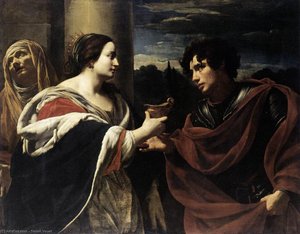
Peržiūrėti realaus dydžio版
 Siųsti
 Dalintis
 Išsamiau
 Vadovas

 Atsisiųsti
 Panašūs eksponatai
 Rentgeno spindulių nuotrauka
 Diaporama
 Statistika
Sleeping Venus
 Acrylic On Canvas
- WallArt
- Baroque
 1630
1630 100.0 x 84.0 cm
 Szépművészeti Múzeum
 Rodyti daugiau
Rankų darbo aliejinės reprodukcijos
Rankiniu būdu tapytas aliejus ant droblio jūsų pageidaujamame dydį ir rėmuose – mūsų menininkų darbas pagal užsakymą. ( Perjungti į spausdinimą Perejti prie skaitmeninių vaizdų)




P118B €10

P118H €10

P118W €10

P438Z €10

P508JH €12

P508YH €12

P805H €10

P805Z €10

P919BZ €10

P919G €10

P919XJ €10

P959ZH €10

P968JZ €12

W106C €8

W218G €10

W218JH €8

W218Y €10

W307PJ €10

W316G €10

W316PJ €8

W316Y €10

W398PJ €8

W4111J €10

W500HY €15

W500JH €15

W692G €12

W849H €8

W940BG €15

W953PJ €8




Pasirinkite iš mūsų nustatytų dydžių, atitinkančių originalaus meno kūrinio proporcijas.

Įveskite jums reikiamą plotį ir aukštį, kad paveikslas atitiktų jūsų rėmą ar sieną. Kadangi šis darbas yra rankinio darbo, siekiant išgauti kitokio formos dydį, paveikslas gali būti šiek tiek didesnis (nuo kraštų bus palikta daugiau erdvės) arba mažesnis – pasirinkite jums patogiausią variantą. Prieš pradedant tapyti, atsiųsime jums skaitmeninį maketą patvirtinimui. Šioje puslapio nuotraukoje matomas vaizdas nėra galutinis rezultatas – jį parodys tik sukurtas maketas.
Gavus užsakymą, OriginalUniqueArt.com komanda susisieks su klientu el. paštu dėl instrukcijų ir pateiks maketo pavyzdį
Pristatymas visame pasaulyje () per 3–4 savaites, o ne įprastai – per 5 savaites. (20 spalis). Kokybė lieka nepakeičiama.

Nemokamas greitasis pristatymas visame pasaulyje

Aukštos kokybės lininis drobė

Pilnas siuntimo draudimas

Muitinės mokesčių grąžinimo garantija

Tikro spalvų atitikimo garantija

100 dienų grąžinimo politika (tik esant įtaigoms)

100% pinigų grąžinimo garantija

Nuolaida dideliems užsakymams
 Stiklo variantas prieinamas tik pasirinkus dydį iki 110 cm

Sleeping Venus
Reprodukcijos technika
Reprodukcijos dydis
-


Visų pasirinktų variantų kaina
€ 262
A Moment of Serene Contemplation: Simon Vouet’s “Sleeping Venus”
Simon Vouet's "Sleeping Venus," painted around 1630, is not merely a depiction of a reclining nude; it’s an exquisite distillation of Renaissance ideals and the burgeoning Baroque aesthetic. This captivating work transcends simple portraiture, offering instead a profound meditation on beauty, repose, and the delicate balance between earthly pleasure and spiritual contemplation. The painting immediately draws the viewer into a world of hushed tranquility, inviting us to share in the woman's peaceful slumber – a rare and deliberate choice for art of that era.
Vouet, a pivotal figure in transitioning French painting from Mannerism to the Baroque, masterfully employed techniques honed during his extensive travels through Italy. He absorbed the influence of artists like Raphael and Leonardo da Vinci, particularly their understanding of light and shadow – crucial elements evident in the soft, diffused illumination that bathes Venus’s form. The artist's meticulous attention to detail is remarkable; from the subtle folds of her drapery to the delicate curve of her lips, every element contributes to a sense of palpable realism, yet imbued with an ethereal quality.
The Symbolism of Slumber
The choice of Venus asleep holds significant symbolic weight. In classical mythology, Venus is the goddess of love and beauty, but here she’s presented not as a vibrant, active force, but in a state of serene repose. This isn't simply an image of physical beauty; it speaks to a deeper concept – the ideal of inner grace and spiritual harmony. The clouds beneath her suggest a realm beyond earthly concerns, hinting at a connection with the divine. The positioning of her head, slightly tilted back, evokes a sense of vulnerability and trust, as if she’s surrendering entirely to the peace of her dreams.
Furthermore, the inclusion of the tree branch extending from the upper left corner adds another layer of meaning. Trees often symbolize life, growth, and connection to nature – elements that complement Venus's association with fertility and abundance. The branches subtly frame the figure, emphasizing her centrality within the composition and reinforcing the painting’s overall theme of harmonious integration.
A Window into 17th-Century France
"Sleeping Venus" is a quintessential example of the artistic climate in 17th-century France, a period marked by a renewed interest in classical antiquity and a shift towards more dynamic and emotionally charged forms of art. Vouet’s work reflects this transition, moving away from the stylized elegance of Mannerism toward the richer colors, dramatic lighting, and heightened realism characteristic of the Baroque. It was commissioned during a time when royal patronage fueled artistic innovation, allowing artists like Vouet to experiment with new techniques and explore ambitious subjects.
The painting’s creation coincided with the rise of Louis XIII and Cardinal Richelieu, who were both avid collectors of art and sought to elevate French culture through lavish displays of wealth and power. Vouet's work served as a powerful symbol of royal authority and artistic excellence, contributing to the grandeur of Versailles and other prominent palaces.
Recreating the Masterpiece: A High-Quality Reproduction
Reproducing "Sleeping Venus" today offers an opportunity to bring this timeless masterpiece into any setting. A carefully crafted print or canvas reproduction captures not only the painting’s visual beauty but also its underlying emotional resonance. The soft, luminous quality of the original is faithfully replicated, creating a piece that will grace any room with an air of serenity and sophistication. Consider framing it in a classic style to further enhance its historical context and artistic merit.
Whether you're an art enthusiast, a collector seeking to expand your collection, or simply someone looking for a stunning addition to your home décor, Simon Vouet’s “Sleeping Venus” remains a testament to the enduring power of beauty, tranquility, and artistic genius.
问答 (or more naturally for a website heading): Klausimai ir atsakymai
Kaip judėjimas ir epocha susitinka kūryboje „Sleeping Venus“, autorius – Simonas Vouetas?
„Sleeping Venus“ priklauso Baroque krypčiai, o jo kūrėjas dirbo Ankstyvasis modernusis laikotarpis laikotarpiu.
Ar „Sleeping Venus“, autorius – Simonas Vouetas yra viešosios teisės?
„Sleeping Venus“, autorius – Simonas Vouetas yra pripa принадле belongs to the public domain – jo autorinė teisė pasibaigusi. Šis statusas nustato, kaip galima reprodukcijaus šio kūrinio vaizdą.
Kam rekomenduojamas naudojimui „Sleeping Venus“, autorius – Simonas Vouetas?
Rekomenduojamas naudojimo būdas kūriniui „Sleeping Venus“, autorius – Simonas Vouetas yra Statement. Jis taip pat gali tarnauti kitoms paskirties.
Autoriaus biografija
Simon Vouet: Mano pavojė prancūziškam baroko dailės kūrimui
- Gimimas: 1590 m. sausio 9 d., Paryžiui, Fransiya
- Mirtis: 1649 m. június 30 d., Paryžiui, Fransiya
Simon Vouet buvo kritiškai svarbus žmogus prancūziškos dailės paeitajojame iš Manierizmo į Baroką stilių. Gimęs menininkų šeimoje – jo tėvis Laurent buvo dailininkas, o brolis Aubin taip pat mėgė meną – Vouet gavo ankstyvą mokymą, kuris padėjo pagrindą jo ateičiai sėkmei. Jo negrandsonis, Ludovico Dorigny, tęsė šeimos meninį palikimą.
Ankstesnis gyvenimas ir italijos įtakos (1608–1627)
- Ankstesnė portretų dailė: Vouet pradėjo savo karjerą kaip portretininkas, parodamas ankstyvą talantą.
- Kelionė į Angliją (1608 m.): Vaiku, vyruodaryje amžiaus 14 metų, jis iškelia į Angliją, kad pildytų užsakymą portretą, parodamas savo augančią reputaciją.
- Otomano imperija ir Venecija: 1611 m. Vouet prisijungė prie Barono de Sancy kompanijos, kuris buvo prancūziškas ambasadorius Otomanų imperijoje, dar kartą portretų darbams. Ši kelionė nuvedė jį per Konstantinopolį, o vėliau – į Veneciją 1612 m.
- Roma (1614–1627 m.): Jo laikotys Roma paversti akybę. Jis išliko ten trylukus metus, įmerkęsias į gyvą menininkų sceną augančiojo Baroko laikrodutės.
Per Italijos kelionę Vouet įsimokė įvairių įtakų. Jis studijavo dramatiškas šviesos technikų, kurias pionierius buvo Caravaggio, priėmė italinių Manierizmo elementus ir didikškai analizavo spalvų paletas bei di sotto in su (išsišvytinta perspektiva), kurią naudojo Paolo Veronese. Jis taip pat įkvėpėsi iš Carracci, Guercino, Lanfranco ir Guido Reni darbų, sintezuojant šiuos įvairius stilius į unikalią meninę viziją.
Vouet unikaliojo stiliaus vystymasis
- Pasakymas į Accademia di San Luca (1624 m.): Jo sėkmė Roma kulminoja jo pasakymu į prestižinę Accademia di San Luca, kas buvo patvirtinimas jo gebėjimo ir paženklės Italijos menininkų pasaulyje.
- Įtakų sintezas: Vouet stilius buvo pažymėtas savo galimybėse absorbuoti ir destiliuoti įvairias menines įtakas. Jis neįkrepė tik kopijavimą; jis integruoja šiuos elementus į koherentinę ir išskirtinai italines Baroko estetiką.
- Baroko pristatymas į Franciją: Grįžęs į Franciją 1627 m., Vouet žymiai vaidino pradinant itališką Baroką stilių prancūziškoje dailėje, ištai įtakojus šalies meninį kraštovaizdį.
Pagrindios pasiekimai ir palikimas
- Premier Peintre du Roi: Vouet buvo vienas iš Premier peintre du Roi (Karaliaus pirmasis dailininkas) – pavadinimas, turintis didelę prestižą ir įtaką.
- Gausūs dirbtuvėliai: Jis palaikė didelį ir aktyvų dirbtuvę, apmokydamas daugelį menininkų, kurie išformuos ateinančią kartą prancūziškus dailininkus.
- Žymūs mokiniškai: Among jo įtakystyviausių mokiniai buvo Charles Le Brun (kuris vėliau organizavo visą dekoratyvinę dailę Versailles), Valentin de Boulogne, Charles Alphonse du Fresnoy, Pierre Mignard, Eustache Le Sueur ir Claude Mellan.
- Įtaka prancūziškoje menininkystėje: Vouet įtakos ne apribojo tik savo darbais; jo mokiniai nešė jo stilių ir technikų visoje Francijoje, įkariajądamdami išskirtinai Baroko dailės mokyklą. Jo įtaka ypač matžiama dideliuose dekoratyvimuose schemose, užsakytose nuo Louis XIV.
Istorinė reikšmė
Simon Vouet palikimas pagrįstas jo kritiškai svarbiu vaidmeniu kaip tilto tarp italinės ir prancūziškos menininkystės. Jis sėkriausiai importavo itališko Baroko dinamiškumą ir didingumą, paverdamas jį stiliu, kuris atžvilgiuose rezonavo su prancūziškos dvorkio ir aristokatijos skoniais. Jo įtaka yra neapribojama 17 amčiuje prancūziškojo dailės vystymosi, o jo įnašos darbuose vis dar yra pripažįstamos menininkų istorikams.

Simonas Vouetas
1590 - 1649 , Prancūzija
Trumpa informacija apie kūrėją
- Artistic Movement Or Style: Baroko dailė
- Artists Or Movements Influenced By This Artist:
- Charles Le Brun
- Valentin de Boulogne
- Prancūzų baroko dailė
- Artists Who Influenced This Artist:
- Caravaggio
- Paolo Veronese
- Carracci
- Guercino
- Lanfranco
- Guido Reni
- Date Of Birth: 1590年1月9日
- Date Of Death: 1649年6月30日
- Full Name: Simon Vouet
- Nationality: Prancūzija
- Place Of Birth: Parizis, Prancūzija
Susiję straipsniai

Baroko Dramatizmas: Elegancijos ir Emocijų Įnešimas į Šiuolaikinius Interjerus
Atraskite baroko dramatiškumą! Meno konsultacijos, rankų darbo reprodukcijos ir patarimai, kaip įnešti eleganciją bei emocijas į jūsų interjerą su OriginalUniqueArt.com. Kokybė garantuota!

The Dramatic Flourish: Exploring the Baroque Movement's Enduring Legacy in Art History
Explore the dramatic world of Baroque art! Discover iconic artists like Caravaggio & Rubens, defining techniques, and its lasting impact on art history. Expert insights for collectors & enthusiasts at OriginalUniqueArt.

The Enduring Allure of the Nude: A Historical & Artistic Exploration of the Human Form
Explore the captivating history of nude art! Discover iconic paintings & artists from classical to modern eras. Uncover symbolism, techniques & find museum-quality reproductions at OriginalUniqueArt.
Simon Vouet: A Baroque Master's Journey from Italian Influence to French Classicism
Explore the life & art of Simon Vouet, a pivotal French Baroque painter who introduced Italian styles to France. Discover his masterpieces and lasting influence on 17th-century art.
Charles Le Brun: Master of French Baroque Classicism & His Enduring Legacy
Explore the life & art of Charles Le Brun, master of French Baroque Classicism. Discover his royal commissions, influence on Versailles, and enduring legacy through detailed analysis & stunning artworks.