
 Peržiūrėti realaus dydžio版
 Pasidalinti
 Dalintis
 Išsamiau
 Vadovas

 Atsisiųsti
 Panašūs eksponatai
 Rentgeno spindulių nuotrauka
 Automatinė diorama
 Q&A
Q&A Statistika
The pergola

- 20.0 x 26.0 cm


 Skaityti daugiau
Giclée / Meno spausdinimas
Muziejų lygio „giclée“ arba drobos spausdinimas: greita gamyba ir lankstios apdailos parinktys. ( Pirkti rankų darbo tapybą Perejti prie skaitmeninių vaizdų)




P118B €10

P118H €10

P118W €10

P438Z €10

P508JH €12

P508YH €12

P805H €10

P805Z €10

P919BZ €10

P919G €10

P919XJ €10

P959ZH €10

P968JZ €12

W106C €8

W218G €10

W218JH €8

W218Y €10

W307PJ €10

W316G €10

W316PJ €8

W316Y €10

W398PJ €8

W4111J €10

W500HY €15

W500JH €15

W692G €12

W849H €8

W940BG €15

W953PJ €8




Pasirinkite iš mūsų nustatytų dydžių, atitinkančių originalaus meno kūrinio proporcijas.

Įveskite jums reikiamą plotį ir aukštį, kad atvaizdas derėtų prie jūsų rėmo ar sienos. Spausdiną galima tik sumažinti, bet nepadidinti virš originalaus paveikslėlio dydžio, todėl keičiant proporcijas, dalis vaizdo prarandama. Prieš spausdinimą atsiųsime jums skaitmeninį maketą patvirtinimui. Šioje puslapio nuotraukoje matomas pjūvis nėra tikslus – jį rodo tik maketas.
Pristatymas visame pasaulyje () per 2 weeks, o ne įprastas 4/5 savaičių laikotarpis. (2 lapkritis)

Nemokamas greitasis pristatymas visame pasaulyje

Aukštos kokybės lininis drobė

Pilnas siuntimo draudimas

Muitinės mokesčių grąžinimo garantija

Tikro spalvų atitikimo garantija

100 dienų grąžinimo politika (tik esant įtaigoms)

100% pinigų grąžinimo garantija

Nuolaida dideliems užsakymams
 Stiklo variantas prieinamas tik pasirinkus dydį iki 110 cm

The pergola
Giclée / Meno spausdinimas
Reprodukcijos matmenys
-


Bendroji kaina
€ 71
The Serene Geometry of “The Pergola” – A Window into Italian Realism
Silvestro Lega’s “The Pergola,” painted in 1864, isn't merely a depiction of an outdoor scene; it’s a carefully constructed tableau that invites the viewer to step into a moment of quiet contemplation. This oil on canvas, now housed within the Civica Galleria d’Arte Moderna in Milan, exemplifies Lega’s mastery of the Macchiaioli movement – a group dedicated to capturing the fleeting effects of light and color with an unprecedented immediacy. More than just a pretty landscape, “The Pergola” offers a glimpse into the heart of 19th-century Italian life, subtly imbued with themes of leisure, family, and the beauty of the everyday.
At first glance, the painting presents a simple composition: a central pathway winding through a meticulously rendered pergola, flanked by walls adorned with terracotta pots overflowing with greenery. A few figures – women seated on benches beneath the shade – engage in conversation, their postures relaxed and suggesting an intimate gathering. However, closer inspection reveals a sophisticated interplay of light, shadow, and texture that elevates the scene beyond mere representation. Lega’s technique is characterized by “macchia,” a hallmark of the Macchiaioli: areas of concentrated color applied with loose, expressive brushstrokes, creating a sense of vibrancy and immediacy. The colors are rich and earthy – ochres, browns, greens, and hints of terracotta – evoking the warmth of the Italian sun and the tactile quality of stone and foliage.
The Influence of Macchiaioli and Plein Air Painting
Lega’s association with the Macchiaioli profoundly shaped his artistic approach. Unlike traditional academic painting that prioritized meticulous detail and idealized forms, the Macchiaioli sought to capture the *impression* of a scene – the way light falls upon surfaces, the fleeting effects of atmosphere. “The Pergola” embodies this philosophy perfectly. Lega’s use of broken brushstrokes and unblended colors mimics the way our eyes perceive color and light in nature. This commitment to *plein air* painting—working directly from observation outdoors—allowed him to translate the immediacy of his experience onto the canvas, creating a sense of authenticity and spontaneity.
The influence of Luigi Mussini, Lega’s early mentor, is also evident. Mussini emphasized the importance of drawing and construction – principles that are subtly incorporated into Lega's work. The pergola itself is rendered with careful attention to its geometric structure, providing a stable anchor for the more loosely painted figures and foliage. This balance between structured form and expressive brushwork is a key characteristic of Lega’s style.
Symbolism and Social Context
Beyond its aesthetic qualities, “The Pergola” carries subtle symbolic weight. The pergola itself represents a space of refuge and leisure – a place for relaxation and social interaction. The women depicted are likely members of the Batelli family, with whom Lega lived in his later years, providing a glimpse into the domestic life of the Italian countryside. The scene evokes a sense of *dolce far niente*—the sweetness of doing nothing—a concept deeply rooted in Italian culture.
Painted during a period of significant social and political change in Italy – the Risorgimento (unification movement) – “The Pergola” can also be interpreted as a celebration of national identity. Lega’s focus on everyday life and his commitment to capturing the beauty of the Italian landscape reflected a desire to preserve and celebrate the nation's cultural heritage.
A Timeless Masterpiece: Reproduction Possibilities
Silvestro Lega’s “The Pergola” remains a captivating work of art, offering viewers a timeless glimpse into the heart of 19th-century Italian realism. OriginalUniqueArt.com offers high-quality reproductions of this iconic painting, allowing you to bring its serene beauty and evocative atmosphere into your home or office. Whether you’re an art collector, interior designer, or simply someone who appreciates fine art, a reproduction of “The Pergola” is sure to be a cherished addition to your collection.
Klausimai ir atsakymai
Kaip buvo sukurta „The pergola“ ir kokio yra dydžio?
„The pergola“ sukurta naudojant Oil On Canvas, o jos originalus matmuvas yra 20 x 26 cm.
Kaip kūrinys „The pergola“ dera su Silvestras Lega temomis ir stiliumi?
„The pergola“ priklauso Silvestras Lega Impressionism kūrybai, kurios įrašytoms temoms priskiriamas macchiaioli realism, italian countryside life, risorgimento spirit, impressionistic light study, family, leisure, warmth, regional identity focus.
Koks yra „The pergola“ formatas?
„The pergola“ – Silvestras Lega yra Landscape kompozicija. Prieš renkantis spausdinimo dydį, verta patikrinti proporcijas.
Autoriaus biografija
Silvestro Lega: Italo Realizmo Šviesos Tapytojas
Silvestro Lega (1826-1895) – viena ryškiausių XIX amžiaus Italijos meno figūrų, garsėjusi kaip pagrindinis Macchiaioli judėjimo atstovas. Jo kūryba įkūnija tikrovės ir kasdienio gyvenimo stebėjimą, glaudžiai susijusį su tuo meto politiniais srautais. Lega nebuvo vien tapytojas; jis buvo savo laiko liudininkas, užfiksavęs Italijos kaimo paprastumą ir žmonių kasdienybę drobėje, perteikdamas subtilią emocinę atmosferą. Jo darbai – tai intymių scenų ir kraštovaizdžių deriniai, atspindintys ne tik vizualią realybę, bet ir gilius humanistinius idealus.
Ankstyvieji Metai Ir Meno Ugdymas
Gimęs 1826 metais Modiglianoje, netoli Forlio, Silvestro Lega augo pasiturinčioje šeimoje. Dar jaunystėje, lankydamas Piaristų kolegiją, parodė išskirtinius piešimo įgūdžius. Vėliau jis studijavo Florencijos meno akademijoje (1843-1847), kur pirmiausia mokėsi Benedetto Servolini ir Tommaso Gazzarini, o trumpą laiką tapybos pagrindų įsisavino pas Giuseppe Bezzuoli. Tačiau didžiausią įtaką Lega darė Luigi Mussini, kuris pabrėžė XV amžiaus Florencijos piešimo principus ir konstrukcijas. Šis pamokas padėjo jam sudėti tvirtus meno pagrindus.
Nors Lega turėjo stiprų akademinį išsilavinimą, jo gyvenimas neapsiribojo studijomis. Dalyvavęs Italijos nepriklausomybės kariniuose kampanijose (1848–49) kaip Garibaldžio savanoris, jis aktyviai įsitraukė į Risorgimento judėjimą. Šis patirties bagažas paliko neišdildomą pėdsaką jo pasaulėjautoje ir vėliau atsispindėjo kūryboje.
Macchiaioli Judėjimas Ir Kūrybinės Raidos Etapai
Pradžioje Lega stilius išliko gana akademiškas, kaip pastebėjo jo bendraamžis Diego Martelli. Tačiau 1859 metais jo darbuose ėmė ryškėti realizmo bruožai, atsisakant Mussini purizmo. Ši evoliucija ypač akivaizdi lunetėse, kurias jis nutapė Modiglianos Oratorijoje (1858-1863). Lega prisijungė prie Macchiaioli judėjimo kolegų – Odoardo Borrani, Giuseppe Abbati, Telemaco Signorini ir Raffaello Sernesi – ir kartu su jais ėmė praktikuoti en plein air tapybą. Tai reiškė tiesioginį kraštovaizdžio stebėjimą ir jo nuansų perteikimą drobėje.
Ypač reikšmingas laikotarpis Lega gyvenime buvo 1861-1870 metais, praleisti su Batelli šeima netoli Affrico upės. Ši patirtis turėjo didžiulę įtaką jo menui – jis daugybę kartų vaizdavo jų vaikus ir moteris, perteikdamas namų ramybę ir kasdienio gyvenimo grožį.
Pagrindiniai Darbai Ir Kūrybinis Stilius
Tarp Lega garsiausių darbų – “Pasivaikščiojimas Sode” (1870), "Pergolatas" (dar žinomas kaip "Po Pietų") (1864), “Don Giovanni Veritá Namai” (1885), “Sode” (1883) ir “Sodas Bellarivoje” (1884). Jo stilius pasižymi subtiliu balansu tarp tradicinės kompozicijos ir šiuolaikinio spalvų naudojimo, įkvėpto tiesioginio stebėjimo. Lega naudojo aiškiai apibrėžtas formas ir perteikdavo atmosferą skaidriais spalvų tonais. Vėlesniuose darbuose galima pastebėti ir impresionistinės įtakos.
Jo paveiksluose dažnai vaizduojamos kaimo gyvenimo scenos, šeimos susibūrimai ir portretai, atspindintys paprastų žmonių kasdienius išgyvenimus. Lega sugebėjo pakelti kasdienybę į meno aukštumas, perteikdamas jame slypinčią grožį ir emocinę gilumą.
Vėlesnieji Metai Ir Palikimas
Asmeninė tragedija – Virginijos Batelli (jo draugės) mirtis kartu su trimis broliais – 1870 metais panardino Legą į gilią gedulo ir depresijos būseną. Šis laikotarpis lėmė ketverių metų pertrauką tapyboje (1874-1878). Nepaisant asmeninių sunkumų, Lega išliko aktyvus meno pasaulyje. Jis gerbė Camille Pissarro darbus ir kartu su Odoardo Borrani įkūrė meno galeriją Florencijoje, nors ji netruko ilgai.
Vėlesniais metais jis dirbo Tommasi šeimos sūnų mokytoju, susirado naują stabilumą ir meninę inspiraciją. Jo paskutiniai darbai, tokie kaip “Gabbarigiane”, demonstruoja nuolatinį įsipareigojimą realizmui, nepaisant prastėjančio regėjimo.
Silvestro Lega indėlis slypi jo gebėjime sujungti tradicines kompozicijos technikas su naujai atsirandančiu Macchiaioli judėjimo estetiniu požiūriu. Jis užfiksavo Italijos gyvenimo esmę subtiliai ir įtaikiai, palikdamas kūrybos paveldą, kuris iki šiol rezonuoja su publika. Jo dėmesys kasdieniams objektams suteikė jiems meninę reikšmę, prisidėdamas prie platesnio realizmo judėjimo XIX amžiaus Europos mene.

Silvestras Lega
1826 - 1895 , Italija
Trumpa informacija
- Gimimo Data: 1826 m.
- Gimimo Vieta: Modigliana, Italija
- Meninis Stilius: Realizmas, Machiaioli
- Mirties Data: 1895 m.
- Pilietybė: Italas
- Pilnas Vardas: Silvestro Lega
- Įtakoję Menininkai:
- Luigi Mussini
- Antonio Ciseri
- Įtakoti Judėjimai: ['Impresionizmas']
- Žymiausi Darbai:
- A Walk in the Garden
- Il Pergolato
Susiję straipsniai

The Soul of Impressionism: Why Oil on Canvas Captures Eternal Light and Timeless Emotion
Discover the enchanting alchemy of Impressionism. Explore how the mastery of oil on canvas, through glazing and impasto, captures eternal light and emotion. Perfect for lovers of Monet and Van Gogh seeking the profound depth of hand-painted fine art.

Giovanni Fattori: Realism, Identity & the Tuscan Landscape – A Macchiaioli Master
Explore the life & art of Giovanni Fattori, a leading figure of the Macchiaioli movement. Discover his revolutionary realism, captivating Tuscan landscapes, and lasting impact on Italian painting. Learn more at OriginalUniqueArt.
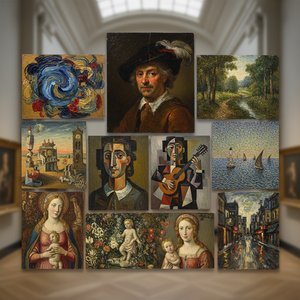
Oil on Board Masters: 10 Paintings That Redefined Art | OriginalUniqueArt
Explore 10 legendary 'Oil on Board' masterpieces by Van Gogh, Monet & more! Discover art history, iconic styles like Impressionism, and find museum-quality reproductions to elevate your home decor. Explore the full collection online at OriginalUniqueArt.com.

Oil on Canvas: A Historical & Technical Exploration of a Timeless Artistic Medium
Explore the rich history & enduring techniques of oil painting on canvas. Discover the science behind its longevity, conservation practices, and contemporary relevance. Expert insights for art enthusiasts.

The Enduring Legacy of Oil on Canvas: Technique, History & Aesthetic Impact
Explore the rich history & techniques of oil painting – from Renaissance masters to Impressionism. Discover pigments, layering methods, and why this timeless medium endures. Expert insights for artists & art enthusiasts.