

 Peržiūrėti realaus dydžio版
 Siųsti
 Dalintis
 Išsamiau
 Vadovas

 Atsisiųsti
 Panašūs eksponatai
 Rentgeno spindulių nuotrauka
 Diaporama
 Statistika
Grass and Insects


 Rodyti daugiau
Rankų darbo aliejinės reprodukcijos
Rankiniu būdu tapytas aliejus ant droblio jūsų pageidaujamame dydį ir rėmuose – mūsų menininkų darbas pagal užsakymą. ( Perjungti į spausdinimą Perejti prie skaitmeninių vaizdų)




P118B €10

P118H €10

P118W €10

P438Z €10

P508JH €12

P508YH €12

P805H €10

P805Z €10

P919BZ €10

P919G €10

P919XJ €10

P959ZH €10

P968JZ €12

W106C €8

W218G €10

W218JH €8

W218Y €10

W307PJ €10

W316G €10

W316PJ €8

W316Y €10

W398PJ €8

W4111J €10

W500HY €15

W500JH €15

W692G €12

W849H €8

W940BG €15

W953PJ €8




Pasirinkite iš mūsų nustatytų dydžių, atitinkančių originalaus meno kūrinio proporcijas.

Įveskite jums reikiamą plotį ir aukštį, kad paveikslas atitiktų jūsų rėmą ar sieną. Kadangi šis darbas yra rankinio darbo, siekiant išgauti kitokio formos dydį, paveikslas gali būti šiek tiek didesnis (nuo kraštų bus palikta daugiau erdvės) arba mažesnis – pasirinkite jums patogiausią variantą. Prieš pradedant tapyti, atsiųsime jums skaitmeninį maketą patvirtinimui. Šioje puslapio nuotraukoje matomas vaizdas nėra galutinis rezultatas – jį parodys tik sukurtas maketas.
Gavus užsakymą, OriginalUniqueArt.com komanda susisieks su klientu el. paštu dėl instrukcijų ir pateiks maketo pavyzdį
Pristatymas visame pasaulyje () per 3–4 savaites, o ne įprastai – per 5 savaites. (25 spalis). Kokybė lieka nepakeičiama.

Nemokamas greitasis pristatymas visame pasaulyje

Aukštos kokybės lininis drobė

Pilnas siuntimo draudimas

Muitinės mokesčių grąžinimo garantija

Tikro spalvų atitikimo garantija

100 dienų grąžinimo politika (tik esant įtaigoms)

100% pinigų grąžinimo garantija

Nuolaida dideliems užsakymams
 Stiklo variantas prieinamas tik pasirinkus dydį iki 110 cm

Grass and Insects
Reprodukcijos technika
Reprodukcijos dydis
-


Visų pasirinktų variantų kaina
€ 263
Sin Saimdang's "Grass and Insects": A Window into Joseon Dynasty Korea
“Grass and Insects,” painted in 1500 by the remarkable Sin Saimdang, offers a captivating glimpse into the artistic sensibilities of the Joseon dynasty. This exquisite piece, part of a ten-panel folding screen, transcends mere botanical illustration; it’s a vibrant testament to a woman's creative genius within a rigidly structured society. Born in Gangneung in 1504, Saimdang was far more than just a painter – she was a poet, calligrapher, and writer, deeply connected to her family’s legacy at Ojukheon, a site still preserved as a cultural treasure today. The painting's meticulous detail and luminous colors speak volumes about the artistic traditions of the time, reflecting a profound appreciation for nature’s beauty and a mastery of brushwork that would influence generations of Korean artists.
A Symphony of Natural Detail
The scene depicted is a meticulously rendered garden teeming with life. Saimdang's skill lies in her ability to capture the essence of each element – from the plump watermelons and vibrant eggplants to the delicate poppies, hibiscus, and intricate patterns of cockscomb feathers and princess flowers. A remarkable array of insects populate the composition: long-headed grasshoppers, frogs, lizards, dragonflies, dung beetles, mantises, and cicadas, each rendered with astonishing precision. The inclusion of bees flitting around a purple flower highlights the artist's keen observation of the natural world and her ability to translate it onto silk. This isn’t simply a representation; it’s an immersive experience of a Korean garden at its most vibrant.
Technique and Symbolism
The painting is executed with characteristic fine brushstrokes, a hallmark of Saimdang's style, and employs vivid colors achieved through mineral pigments – a testament to the sophisticated techniques employed during the Joseon period. The tenth panel adds another layer of meaning, featuring a critique by O Sechang, a prominent art critic of the time. This suggests that Saimdang’s work was not only admired for its aesthetic qualities but also subjected to rigorous artistic evaluation, reflecting the importance placed on scholarly discourse within Korean art circles. The selection of specific plants and insects likely held symbolic significance, though interpretations vary; watermelons often represented prosperity, while certain flowers were associated with particular virtues or seasons.
Historical Context and Legacy
Created in 1500, “Grass and Insects” provides a valuable window into the artistic landscape of the Joseon dynasty. Saimdang’s work stands as a remarkable achievement for a woman operating within a patriarchal society where artistic pursuits were often considered secondary to domestic duties. Her influence extended beyond her own creations; she mentored younger artists and contributed significantly to the development of Korean painting techniques. Today, reproductions of this stunning artwork offer an opportunity to appreciate not only Saimdang’s exceptional talent but also the rich cultural heritage of Korea – a legacy that continues to inspire awe and admiration.
问答 (or more naturally for a website heading): Klausimai ir atsakymai
Kokia yra „Grass and Insects“, autorius – Šin Saimdang dominuojanti spalva?
Driftwood (#c99865) yra pagrindinė kūrinio „Grass and Insects“, autorius – Šin Saimdang spalva.
Kaip galiu įsigyti „Grass and Insects“, autorius – Šin Saimdang spausdinį?
Šio kūrinio „Grass and Insects“, autorius – Šin Saimdang spausdinį galite užsakyti tiesiogiai jo Kūrinio spausdinimas puslapio: aukščiausios kokybės spausdinys ant medžio siuvinėjamų audinių arba archyvinio kanvas tipo popieriaus.
Kokią vietą Šin Saimdang pasikartojančių temų tarėje užima „Grass and Insects“?
Tarp užfiksuotų Šin Saimdang temų – an gyeon influence, korean court culture, female artistic legacy, ten-panel screen format, o sechang critique – kūrinys „Grass and Insects“ akcentuoja korean painting, shin saimdang, folding screen, plants & insects, joseon dynasty, calligraphy critique, garden scene.
Autoriaus biografija
pionierė korejos joseon dinastijos menė
shin saimdang, daugiaugmenė pietų korejos kūrėja, gyveno joseon laikotarpiu ir paliko neištrinamą pėdsaką korejos meno istorijoje. gimusi 1504 m. spalio 29 d. gangneung, gangwon province, ji buvo ne tik tapybininkė, bet ir rašytoja, kaligrafė bei poetė.ankstyvasis gyvenimas ir meninės pradžios shin saimdang meninės talentai išsiskleidė nuo ankstyvo kūdikystės amžiaus. vos septienių metų ji jau imitavo kitą išmatytą korejos menininką an gyeon tapybos stilių. jos gimimo namai, ojukheon, kuris yra ir jos motinos šeimos namas, iki šiaud dienų išlieka puikiai išsilaikę.
meninės įtakos ir stilius
shin saimdang tapybos darbai, pasižymintys itin smulkiomis griūtelems ir ryškiomis spalvomis, yra dalis dvidešimto panelio skliaustinio ekrano. jos kūriniai, tokie kaip žolės ir vabzdžiai, apima įvairią tematiką, įskaitant arbūzus, valio rugvelius, agurkus, aguonas, hibiscusus ir įvairius insektus. šie paveikslai galima rasti Korejos nacionaliniame muziejuje (Seulas, Pietų Korea), kur jie ir toliau įkvepia meno entuziastus.- peržiūrėti shin saimdang kūrybą OriginalUniqueArt: https://OriginalUniqueArt.com/@/shin-saimdang
- atkrepti dėmesį į korejos nacionalinio muziejaus kolekciją: /en/art/show/national-museum-of-korea-seoul/
- sužinoti daugiau apie joseon dinastijos meno judėjimą: joseon dinastijos meno judėjimas
paliktis ir įtaka
shin saimdang paliktis išsiplėtė už jos kūrybos ribų, nes ji taip pat žinoma kaip yi i, garsaus joseon dynastijos mokSLininkui ir politiko, motina. jos gyvenimas ir darbai tarnauja įkvėpimu daugeliui, įkūnydami joseon laikotarpio korejos meno esmę. pagrindiniai shin saimdang kūriniai:- žolės ir vabzdžiai (Korejos nacionalinis muziejus, Seulas, Pietų Korea)
- kiti pastebimai darbai su smulkiomis griūtelėmis ir aiškiomis, ryškiomis spalvomis, yra dvidešimto panelio skliaustinio ekrano dalis.
- an gyeon, dar vienas išmatytas ankstyvojo joseon laikotarpio korejos tapininkas.

Šin Saimdang
1504 - 1551 , Günyja
Trumpa informacija apie kūrėją
- Artistic Movement Or Style: Joseon dynastijos menas
- Artists Or Movements Influenced By This Artist: Joseon dynastijos menas
- Artists Who Influenced This Artist: An Gyeon
- Date Of Birth: 1504 m. gruodžio 29 d.
- Date Of Death: 1551 m.
- Full Name: Shin Saimdang
- Nationality: Korejiečių
- Notable Artworks: ['Žolė ir vabzdžiai']
- Place Of Birth: Gangneung, Pietų Korea
Susiję straipsniai
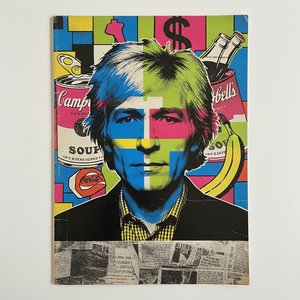
Andy Warhol: Deconstructing Pop Culture & Redefining Artistic Expression
Explore the revolutionary art of Andy Warhol & the Pop Art movement. Discover his iconic techniques, cultural impact, and investment potential. A guide for discerning collectors.
Dots & Screens: The Industrial Secrets Behind 1960s Pop Art Masterpieces
Explore the industrial secrets of 1960s Pop Art. Discover how Ben-Day dots and silk screening transformed mass media into masterpieces by Roy Lichtenstein. An in-depth look at the intersection of mechanical printing and fine art history for students and collectors.

Beyond the Screen: Transforming Personal Memories into Timeless AI-Driven Anime Masterpieces
Experience the magic of digital metamorphosis. Transform your cherished photos into stunning, hand-painted anime masterpieces using our proprietary AI technology and professional artists. Elevate your personal story with a timeless, high-quality oil painting on canvas.
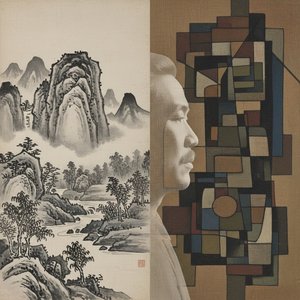
Yi Eungro: Bridging East & West in the Landscape of Korean Modernism
Explore the captivating world of Yi Eungro (Lee Ungno), a pivotal figure in Korean modernism. Discover his unique fusion of Eastern and Western artistic traditions, abstract masterpieces, and lasting legacy. A must-read for discerning art collectors.
Pop Art Unveiled: The Industrial Secrets of Silk Screens and Ben-Day Dots
Explore the industrial artistry of Pop Art. Delve into the sophisticated history of Ben-Day dots and silk screen techniques that transformed mass media into high art, perfect for discerning collectors seeking deep historical insight and aesthetic excellence.