

 Peržiūrėti realaus dydžio版
 Siųsti
 Dalintis
 Išsamiau
 Vadovas

 Atsisiųsti
 Panašūs eksponatai
 Rentgeno spindulių nuotrauka
 Diaporama
 Statistika
Grass and Insects


 Rodyti daugiau
Rankų darbo aliejinės reprodukcijos
Rankiniu būdu tapytas aliejus ant droblio jūsų pageidaujamame dydį ir rėmuose – mūsų menininkų darbas pagal užsakymą. ( Perjungti į spausdinimą Perejti prie skaitmeninių vaizdų)




P118B €10

P118H €10

P118W €10

P438Z €10

P508JH €12

P508YH €12

P805H €10

P805Z €10

P919BZ €10

P919G €10

P919XJ €10

P959ZH €10

P968JZ €12

W106C €8

W218G €10

W218JH €8

W218Y €10

W307PJ €10

W316G €10

W316PJ €8

W316Y €10

W398PJ €8

W4111J €10

W500HY €15

W500JH €15

W692G €12

W849H €8

W940BG €15

W953PJ €8




Pasirinkite iš mūsų nustatytų dydžių, atitinkančių originalaus meno kūrinio proporcijas.

Įveskite jums reikiamą plotį ir aukštį, kad paveikslas atitiktų jūsų rėmą ar sieną. Kadangi šis darbas yra rankinio darbo, siekiant išgauti kitokio formos dydį, paveikslas gali būti šiek tiek didesnis (nuo kraštų bus palikta daugiau erdvės) arba mažesnis – pasirinkite jums patogiausią variantą. Prieš pradedant tapyti, atsiųsime jums skaitmeninį maketą patvirtinimui. Šioje puslapio nuotraukoje matomas vaizdas nėra galutinis rezultatas – jį parodys tik sukurtas maketas.
Gavus užsakymą, OriginalUniqueArt.com komanda susisieks su klientu el. paštu dėl instrukcijų ir pateiks maketo pavyzdį
Pristatymas visame pasaulyje () per 3–4 savaites, o ne įprastai – per 5 savaites. (25 spalis). Kokybė lieka nepakeičiama.

Nemokamas greitasis pristatymas visame pasaulyje

Aukštos kokybės lininis drobė

Pilnas siuntimo draudimas

Muitinės mokesčių grąžinimo garantija

Tikro spalvų atitikimo garantija

100 dienų grąžinimo politika (tik esant įtaigoms)

100% pinigų grąžinimo garantija

Nuolaida dideliems užsakymams
 Stiklo variantas prieinamas tik pasirinkus dydį iki 110 cm

Grass and Insects
Reprodukcijos technika
Reprodukcijos dydis
-


Visų pasirinktų variantų kaina
€ 263
Shin Saimdang’s “Grass and Insects”: A Symphony of Color and Quiet Observation
Shin Saimdang (1504–1551), a trailblazing female artist in Joseon dynasty Korea, stands as an emblem of intellectual curiosity and artistic prowess—a woman who defied societal constraints to pursue her passions for poetry, calligraphy, and painting. Her legacy resides not merely in the exquisite beauty of her artwork but also in its profound reflection of the era’s cultural values and philosophical ideals. This examination delves into “Grass and Insects,” one of her most celebrated panels from a monumental ten-panel folding screen—a masterpiece that encapsulates Saimdang's distinctive artistic vision and offers invaluable insight into Korean art history.A Window Into Joseon Aesthetic Principles
“Grass and Insects” exemplifies the dominant aesthetic sensibilities of the late 16th century, characterized by meticulous detail, harmonious color palettes, and a reverence for nature’s subtle grandeur. The screen embodies Neo-Confucian ideals—a belief system that prioritized moral cultivation alongside intellectual pursuits—reflected in Saimdang's careful composition and her masterful execution of brushstrokes. Unlike Western art traditions focused on dramatic narratives or idealized figures, Korean painting during this period favored contemplative scenes depicting landscapes and flora, intended to inspire serenity and contemplation. The screen’s overall design adheres to the principles of “Yonghwa,” meaning “harmonious beauty”—a concept central to Joseon artistic philosophy that sought to achieve balance between form and content.Technique and Material Considerations
Saimdang employed a technique rooted in meticulous observation and painstaking layering—a hallmark of Korean painting at the time. Using mineral pigments mixed with animal glue, she achieved remarkable luminosity and vibrancy, capturing the delicate textures of grass blades and the iridescent sheen of insects’ wings. The screen's surface is covered with thin layers of lacquer, providing protection while enhancing the colors and creating a tactile experience for the viewer. Furthermore, Saimdang skillfully utilized “Ma,” or negative space—a technique that deliberately leaves areas unfilled to create visual balance and emphasize the subject matter—demonstrating an understanding of compositional principles that transcended mere representation. The careful blending of pigments and meticulous brushwork contribute to the screen’s enduring beauty and artistic significance.Symbolism: Echoes of Confucian Thought
Beyond its technical brilliance, “Grass and Insects” resonates with deeper symbolic meanings rooted in Confucian cosmology—a worldview that viewed humanity as intrinsically linked to the natural world. The depiction of various insects—including beetles, dragonflies, cicadas, and moths—represents transformation and renewal—themes central to Confucian teachings concerning reincarnation and moral progress. Similarly, the inclusion of flowers like hibiscus, poppies, and lilies symbolizes purity and virtue—values upheld by Joseon society as markers of moral excellence. The meticulous rendering of grass blades underscores the importance of simplicity and humility—qualities considered essential for achieving inner harmony and cultivating compassion.Emotional Resonance: A Moment Frozen in Time
“Grass and Insects” transcends mere visual representation; it evokes a profound emotional response—a feeling of tranquility and appreciation for the beauty of the natural world. The screen’s muted color palette—dominated by greens, blues, and reds—creates an atmosphere of serenity and contemplation—inviting viewers to pause and reflect on the passage of time. Saimdang's masterful brushwork conveys a sense of quiet observation—capturing not just what is seen but also what is felt—a testament to her artistic sensitivity and her ability to communicate complex ideas through subtle visual cues. Viewing this artwork inspires contemplation about the interconnectedness of humanity and nature, reminding us of the enduring power of art to elevate our spirits and enrich our understanding of the human experience.Concluding Remarks: An Artistic Legacy Enduring Through Centuries
Shin Saimdang’s “Grass and Insects” remains a cornerstone of Korean art history—a testament to her artistic genius and her unwavering commitment to intellectual pursuits. Its harmonious composition, masterful technique, and evocative symbolism continue to captivate audiences today—serving as an enduring reminder of Joseon dynasty Korea's aesthetic ideals and its profound appreciation for the natural world. The screen’s legacy extends beyond its visual splendor; it embodies a spirit of contemplation and moral cultivation—values that resonate powerfully across cultures and generations—solidifying Saimdang’s place as one of Korea’s most celebrated artists and an inspiration to aspiring creatives everywhere.问答 (or more naturally for a website heading): Klausimai ir atsakymai
Kiek plačiai žinomas kūrinys „Grass and Insects“, kurį sukūrė Šin Saimdang?
Įrašytas „Grass and Insects“, autorius – Šin Saimdang populiarumumo lygis yra Recognized.
Kuriem metais buvo sukurta „Grass and Insects“, autorius – Šin Saimdang?
„Grass and Insects“, autorius – Šin Saimdang sukurtas 1500 m.
Ar „Grass and Insects“, autorius – Šin Saimdang vaizdą galima laisvai reprodukcijaoti?
„Grass and Insects“, autorius – Šin Saimdang yra pripa принадле belongs to the public domain – jo autorinė teisė pasibaigusi. Šis statusas nustato, kaip galima reprodukcijaus šio kūrinio vaizdą.
Autoriaus biografija
pionierė korejos joseon dinastijos menė
shin saimdang, daugiaugmenė pietų korejos kūrėja, gyveno joseon laikotarpiu ir paliko neištrinamą pėdsaką korejos meno istorijoje. gimusi 1504 m. spalio 29 d. gangneung, gangwon province, ji buvo ne tik tapybininkė, bet ir rašytoja, kaligrafė bei poetė.ankstyvasis gyvenimas ir meninės pradžios shin saimdang meninės talentai išsiskleidė nuo ankstyvo kūdikystės amžiaus. vos septienių metų ji jau imitavo kitą išmatytą korejos menininką an gyeon tapybos stilių. jos gimimo namai, ojukheon, kuris yra ir jos motinos šeimos namas, iki šiaud dienų išlieka puikiai išsilaikę.
meninės įtakos ir stilius
shin saimdang tapybos darbai, pasižymintys itin smulkiomis griūtelems ir ryškiomis spalvomis, yra dalis dvidešimto panelio skliaustinio ekrano. jos kūriniai, tokie kaip žolės ir vabzdžiai, apima įvairią tematiką, įskaitant arbūzus, valio rugvelius, agurkus, aguonas, hibiscusus ir įvairius insektus. šie paveikslai galima rasti Korejos nacionaliniame muziejuje (Seulas, Pietų Korea), kur jie ir toliau įkvepia meno entuziastus.- peržiūrėti shin saimdang kūrybą OriginalUniqueArt: https://OriginalUniqueArt.com/@/shin-saimdang
- atkrepti dėmesį į korejos nacionalinio muziejaus kolekciją: /en/art/show/national-museum-of-korea-seoul/
- sužinoti daugiau apie joseon dinastijos meno judėjimą: joseon dinastijos meno judėjimas
paliktis ir įtaka
shin saimdang paliktis išsiplėtė už jos kūrybos ribų, nes ji taip pat žinoma kaip yi i, garsaus joseon dynastijos mokSLininkui ir politiko, motina. jos gyvenimas ir darbai tarnauja įkvėpimu daugeliui, įkūnydami joseon laikotarpio korejos meno esmę. pagrindiniai shin saimdang kūriniai:- žolės ir vabzdžiai (Korejos nacionalinis muziejus, Seulas, Pietų Korea)
- kiti pastebimai darbai su smulkiomis griūtelėmis ir aiškiomis, ryškiomis spalvomis, yra dvidešimto panelio skliaustinio ekrano dalis.
- an gyeon, dar vienas išmatytas ankstyvojo joseon laikotarpio korejos tapininkas.

Šin Saimdang
1504 - 1551 , Günyja
Trumpa informacija apie kūrėją
- Artistic Movement Or Style: Joseon dynastijos menas
- Artists Or Movements Influenced By This Artist: Joseon dynastijos menas
- Artists Who Influenced This Artist: An Gyeon
- Date Of Birth: 1504 m. gruodžio 29 d.
- Date Of Death: 1551 m.
- Full Name: Shin Saimdang
- Nationality: Korejiečių
- Notable Artworks: ['Žolė ir vabzdžiai']
- Place Of Birth: Gangneung, Pietų Korea
Susiję straipsniai
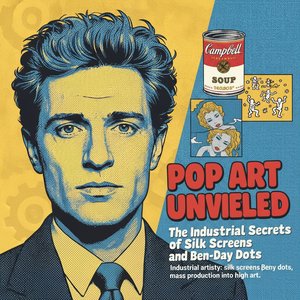
Pop Art Unveiled: The Industrial Secrets of Silk Screens and Ben-Day Dots
Explore the industrial artistry of Pop Art. Delve into the sophisticated history of Ben-Day dots and silk screen techniques that transformed mass media into high art, perfect for discerning collectors seeking deep historical insight and aesthetic excellence.
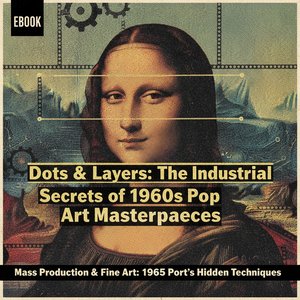
Dots & Screens: The Industrial Secrets Behind 1960s Pop Art Masterpieces
Explore the industrial secrets of 1960s Pop Art. Discover how Ben-Day dots and silk screening transformed mass media into masterpieces by Roy Lichtenstein. An in-depth look at the intersection of mechanical printing and fine art history for students and collectors.

Beyond the Screen: Transforming Personal Memories into Timeless AI-Driven Anime Masterpieces
Experience the magic of digital metamorphosis. Transform your cherished photos into stunning, hand-painted anime masterpieces using our proprietary AI technology and professional artists. Elevate your personal story with a timeless, high-quality oil painting on canvas.
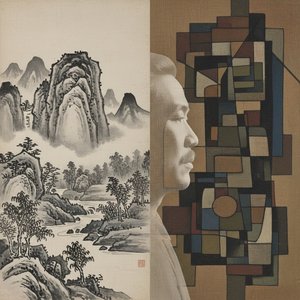
Yi Eungro: Bridging East & West in the Landscape of Korean Modernism
Explore the captivating world of Yi Eungro (Lee Ungno), a pivotal figure in Korean modernism. Discover his unique fusion of Eastern and Western artistic traditions, abstract masterpieces, and lasting legacy. A must-read for discerning art collectors.
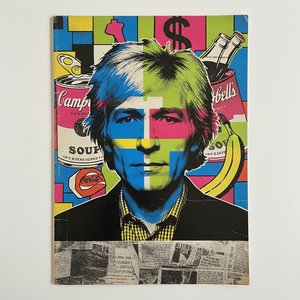
Andy Warhol: Deconstructing Pop Culture & Redefining Artistic Expression
Explore the revolutionary art of Andy Warhol & the Pop Art movement. Discover his iconic techniques, cultural impact, and investment potential. A guide for discerning collectors.