
 Peržiūrėti realaus dydžio版
 Pasidalinti
 Dalintis
 Išsamiau
 Vadovas

 Atsisiųsti
 Panašūs eksponatai
 Rentgeno spindulių nuotrauka
 Automatinė diorama
 问答
问答 Statistika
Venus and Satyr

- 102.0 x 125.0 cm


 Skaityti daugiau
Giclée / Meno spausdinimas
Muziejų lygio „giclée“ arba drobos spausdinimas: greita gamyba ir lankstios apdailos parinktys. ( Pirkti rankų darbo tapybą Perejti prie skaitmeninių vaizdų)




P118B €10

P118H €10

P118W €10

P438Z €10

P508JH €12

P508YH €12

P805H €10

P805Z €10

P919BZ €10

P919G €10

P919XJ €10

P959ZH €10

P968JZ €12

W106C €8

W218G €10

W218JH €8

W218Y €10

W307PJ €10

W316G €10

W316PJ €8

W316Y €10

W398PJ €8

W4111J €10

W500HY €15

W500JH €15

W692G €12

W849H €8

W940BG €15

W953PJ €8




Pasirinkite iš mūsų nustatytų dydžių, atitinkančių originalaus meno kūrinio proporcijas.

Įveskite jums reikiamą plotį ir aukštį, kad atvaizdas derėtų prie jūsų rėmo ar sienos. Spausdiną galima tik sumažinti, bet nepadidinti virš originalaus paveikslėlio dydžio, todėl keičiant proporcijas, dalis vaizdo prarandama. Prieš spausdinimą atsiųsime jums skaitmeninį maketą patvirtinimui. Šioje puslapio nuotraukoje matomas pjūvis nėra tikslus – jį rodo tik maketas.
Pristatymas visame pasaulyje () per 2 weeks, o ne įprastas 4/5 savaičių laikotarpis. (7 lapkritis)

Nemokamas greitasis pristatymas visame pasaulyje

Aukštos kokybės lininis drobė

Pilnas siuntimo draudimas

Muitinės mokesčių grąžinimo garantija

Tikro spalvų atitikimo garantija

100 dienų grąžinimo politika (tik esant įtaigoms)

100% pinigų grąžinimo garantija

Nuolaida dideliems užsakymams
 Stiklo variantas prieinamas tik pasirinkus dydį iki 110 cm

Venus and Satyr
Giclée / Meno spausdinimas
Reprodukcijos matmenys
-


Bendroji kaina
€ 72
Sebastiano Ricci’s “Venus and Satyr”: A Venetian Masterpiece of Sensuality and Illusion
The painting "Venus and Satyr," executed around 1720 by Sebastiano Ricci, is more than a mere depiction of mythological figures; it's a vibrant testament to the late Baroque aesthetic flourishing in Venice. Ricci, an uncle to the renowned Marco Ricci, possessed a singular gift for capturing luminous color and creating an atmosphere of opulent illusion – qualities that define this captivating work. The scene unfolds within a richly detailed, almost theatrical setting, suggesting a private chamber or grotto, where the goddess Venus reclines amidst a profusion of luxurious fabrics, foliage, and architectural elements. This isn’t a straightforward narrative; rather, it's an exploration of sensuality, desire, and the interplay between earthly pleasure and divine beauty.
A Symphony of Light and Color – Ricci’s Technique
Ricci’s mastery lies in his masterful manipulation of light. He employs a technique known as “chiaroscuro,” dramatically contrasting areas of intense illumination with deep shadows, creating a palpable sense of depth and volume. The Venus herself is bathed in a warm, golden glow, highlighting her voluptuous form and the delicate curves of her skin. Notice how Ricci uses reflected light to create an almost ethereal quality around her, as if she’s emerging from a dream. The satyr, rendered with a more earthy palette – browns, ochres, and hints of crimson – stands in stark contrast, his shadowed features hinting at both mischievousness and primal instinct. He is not merely a subordinate figure but a crucial element in the painting's dynamic composition, embodying the earthly desires that Venus subtly acknowledges.
Symbolism and Mythological Allusion
The pairing of Venus and Satyr is deeply rooted in classical mythology. Venus, the Roman goddess of love and beauty, is often associated with fertility, pleasure, and sensuality. The satyr, a creature of the woods with goat-like features, represents untamed desire, instinct, and the wildness of nature. Ricci doesn’t shy away from the inherent tension between these two forces. The young Cupid, nestled amongst his parents, embodies innocent love – a counterpoint to the more overt sensuality of the scene. The inclusion of the elaborate drapery and foliage further amplifies the atmosphere of abundance and indulgence, suggesting a world where earthly pleasures are readily available.
Historical Context: Venice at its Zenith
To fully appreciate “Venus and Satyr,” it’s essential to understand the cultural context in which it was created. Venice in the early 18th century was a vibrant center of artistic innovation, boasting some of the greatest painters of the era – Titian, Veronese, and now Ricci. The city's wealth, fueled by trade and maritime power, fostered a taste for luxury and opulence, reflected in the lavish interiors depicted in many Venetian paintings. Ricci’s work exemplifies this trend, capturing the spirit of a society embracing pleasure and indulgence while simultaneously maintaining a sophisticated artistic sensibility. His style, influenced by the earlier works of Giovanni Battista Stoldo and even hints of Caravaggio's dramatic use of light, established him as a leading figure in the late Baroque movement.
Emotional Resonance: A Study in Desire and Contemplation
Beyond its technical brilliance and mythological references, “Venus and Satyr” possesses a profound emotional resonance. The painting invites contemplation – not just of the figures themselves, but of the complex interplay between desire, beauty, and restraint. Venus’s pose is one of languid repose, suggesting both vulnerability and power. The satyr's watchful gaze conveys a mixture of admiration, possessiveness, and perhaps even a touch of melancholy. The overall effect is not overtly erotic, but rather subtly suggestive, prompting the viewer to engage with the painting on a deeply personal level. It’s a masterpiece that continues to captivate audiences centuries after its creation, offering a glimpse into the alluring world of Venetian art and the timeless themes it explores.
Klausimai ir atsakymai
Į kokį kambarį rekomenduojamas „Venus and Satyr“ – Sebastijanas Ričis?
„Venus and Satyr“ reprodukcija puikiai tinka į Living Room.
Kur galiu peržiūrėti „Venus and Satyr“ išsamiai?
„Venus and Satyr“ Peržiūra interjere puslapio funkcija leidžia peržiūrėti kūrinį prieš užsakant.
Kaip meno kryptis ir epocha susilieja kūryboje „Venus and Satyr“ – Sebastijanas Ričis?
„Venus and Satyr“ priklauso Baroque krypčiai, o jo kūrėjas dirbo Ankstyvasis modernusis laikotarpis laikotarpiu.
Autoriaus biografija
Sebastiano Ricci: Šviesos ir Judėjimo Tapybos Meistras
Sebastiano Ricci (1659–1734) – vienas ryškiausių vėlyvojo baroko Venecijos dailininkų, garsėjęs didingais freskų ciklais, spindinčiomis spalvomis ir dinamiška kompozicija. Gimęs Beluno mieste Italijoje, Ricci paliko neišdildomą pėdsakį Europos meno istorijoje, įkvėpdamas naują gyvybę sieninei tapybai ir atspindėdamas savo epochos optimizmą bei teatralumą. Jo darbai – tai ne tik techninis meistriškumas, bet ir gili emocinė išraiška, sugebėjusi užburioti žiūrovus kelis šimtmečius.
Ankstyvieji Metai ir Formavimasis
Ricci meninis kelias prasidėjo jaunystėje. 1671 metais jis tapo Federico Cervelli mokinys Venecijoje, tačiau kai kurie šaltiniai teigia, kad jo pirmasis mokytojas buvo Sebastiano Mazzoni. Šis ankstyvasis laikotarpis padėjo jam įsisavinti pagrindinius tapybos principus ir suformuoti individualų stilių. Jaunasis Ricci greitai pasižymėjo talentu ir ryškia vizija, tačiau jo karjeros pradžia nebuvo be iššūkių. Netrukus jis susidūrė su teisiniais sunkumais, įskaitant trumpą kalėjimą dėl skandalingo incidento, kuris, nepaisant to, nesustabdė jo kūrybinės energijos.
Stilius ir Įtaka
Ricci tapybos stiliui didelę įtaką padarė Giovanni Gioseffo dal Sole darbai Bolonijoje. Jo paveikslai pasižymi grandioziškumu, šviesos žaismu ir dinamiškomis kompozicijomis. Ricci dažnai vaizdavo mitologines scenas, religinius motyvus bei alegorijas, kuriuose vyrauja gausios figūros, išraiškingi gestai ir sodrios spalvos. Jo darbai atspindi vėlyvojo baroko estetiką, kurioje dominuoja emocionalumas, teatralumas ir dekoratyviškumas. Ricci sugebėjo meistriškai perteikti šviesos efektus, suteikdamas paveikslams gyvybės ir įspūdingumo.
Pagrindiniai Darbai ir Užsakymai
Ricci sukūrė daugybę reikšmingų darbų, tarp kurių išskiriami: „Bakchas ir Ariadnė“ (National Gallery, Londonas), demonstruojantis jo barokinio stiliaus meistriškumą; „Admiral Sir Clowdisley Shovell atminimo paveikslas“ (aliejinis ant drobės), liudijantis jo gebėjimą įamžinti istorinį momentą. Taip pat svarbus darbas – Oratorijos di Madonna del Seraglio dekoravimas (1685–1687) bendradarbiaujant su Ferdinando Galli-Bibiena, už kurį jis gavo 4482 lirų atlyginimą. Vėliau Ricci sulaukė didelio pripažinimo ir gavo užsakymus iš įtakingų asmenų visoje Europoje.
Palikimas ir Vėlesni Metai
Ricci meninė karjera nebuvo be sunkumų, tačiau jis tęsė kurti reikšmingus darbus, tokius kaip „Venera palieka Adonį“, kuriame puikiai atsispindi jo gebėjimas perteikti dangiškas vizijas. Galiausiai Ricci priėmė užsakymą iš lordo Burlingtono Londone, dirbdamas prie dekoravimo projektų ir įtvirtindamas savo reputaciją kaip vienas svarbiausių to meto dailininkų. Jo darbai iki šiol žavi žiūrovus savo grožiu, dinamika ir emocine išraiška. Ricci palikimas – tai ne tik techninis meistriškumas, bet ir įkvėpimo šaltinis ateities kartoms.
- Peržiūrėkite Sebastiano Ricci darbus svetainėje OriginalUniqueArt.com
- Sužinokite daugiau apie Venecijos baroko mokyklą ir jos įtaką Wikipedia
- Atraskite kitus reikšmingus to laikotarpio dailininkus, tokius kaip Luigi Bonazza, svetainėje OriginalUniqueArt.com
Svarbu: Šis straipsnis paremtas informacija iš OriginalUniqueArt.com ir gali keistis, atsirandant naujiems duomenims.

Sebastijanas Ričis
1659 - 1734 , Italija
Trumpa informacija
- Gimimo Data: Rugpjūčio 1 d., 1659
- Gimimo Vieta: Beluno, Italija
- Meninis Stilius: Vėlus barokas
- Mirties Data: Gegužės 15, 1734
- Pilietybė: Italas
- Pilnas Vardas: Sebastiano Ricci
- Turėjo Įtakos: ['Giovanni Gioseffo dal Sole']
- Įtakojo: ['Marco Ricci']
- Žymiausi Darbai:
- Bacchus ir Ariadnė
- Venėra palieka Adonį
Susiję straipsniai

The Dramatic Flourish: Exploring the Baroque Movement's Enduring Legacy in Art History
Explore the dramatic world of Baroque art! Discover iconic artists like Caravaggio & Rubens, defining techniques, and its lasting impact on art history. Expert insights for collectors & enthusiasts at OriginalUniqueArt.
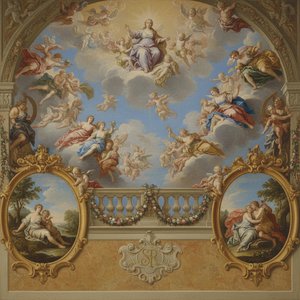
Sebastiano Ricci: Venetian Master of Baroque Illusionism & Rococo Grace
Explore the captivating world of Sebastiano Ricci, a leading Venetian Baroque painter renowned for his luminous frescoes & illusionistic masterpieces. Discover his life, techniques, and lasting influence on art history.

The Visceral Stage: Exploring Dramatic Narratives & Emotional Intensity in Baroque Art
Explore the dramatic world of Baroque art! Discover iconic masters like Caravaggio & Rembrandt, their techniques, and the movement's lasting impact. Expert insights for collectors & enthusiasts at OriginalUniqueArt.

Baroko Šedevrai: 10 Menų Simbolių, Apibūdinusių Epoką | OriginalUniqueArt
Atraskite 10 baroko šedevrų, kurie apibrėžė epoką! Karolis Rubenzas, Berninis ir kiti meistrai – jų kūriniai, istorijos bei spalvos. Aukščiausios kokybės dailės reprodukcijos ir interjero įkvėpimas OriginalUniqueArt.com. Išnagrinėkite visą kolekciją internete!

Baroko Dramatizmas: Elegancijos ir Emocijų Įnešimas į Šiuolaikinius Interjerus
Atraskite baroko dramatiškumą! Meno konsultacijos, rankų darbo reprodukcijos ir patarimai, kaip įnešti eleganciją bei emocijas į jūsų interjerą su OriginalUniqueArt.com. Kokybė garantuota!


