Perjungti į spausdinamus版作品
 Skaityti daugiau







































 Dėl meno kūrinių ar reprodukcijų, kurių bet kuri pusė yra didesnė nei 105 cm (apie 41 inch), rėmas bus siunčiamas kaip išskaidytas surinkimo rinkinys. Šis metodas užtikrina saugų pristatymą ir apsaugo nuo transportavimo metu galimos žalos.


A Testament to Florentine Grace: Sandro Botticelli’s St John the Baptist
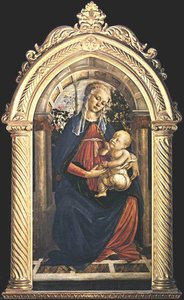
Botticelli's "St John the Baptist" stands as a quintessential emblem of the Early Renaissance, embodying its preoccupation with idealized beauty and spiritual contemplation. Painted around 1480 during Lorenzo de Medici’s reign—a period marked by artistic flourishing and humanist intellectualism—this monumental canvas transcends mere representation; it delves into profound symbolic layers that continue to resonate with viewers centuries later. The artwork's genesis lies in the workshop of Fra Filippo Lippi, Botticelli’s mentor, reflecting the collaborative spirit prevalent within Florentine art circles at the time.- Subject Matter: The painting depicts St John the Baptist, a pivotal figure in Christian iconography—the prophet who baptized Jesus Christ and heralded his divine mission. Botticelli skillfully captures John's serene countenance and contemplative posture, conveying an aura of profound piety and spiritual awareness.
- Style & Technique: Botticelli’s distinctive style is characterized by delicate lines, graceful curves, and a masterful use of color—primarily muted hues that evoke a sense of tranquility and ethereal beauty. The artist employed tempera paint on wood panel, a technique favored for its luminosity and ability to achieve subtle tonal variations.
- Historical Context: Produced amidst the humanist revival championed by figures like Pico della Mirandola, “St John” embodies the Renaissance fascination with classical ideals of proportion and harmony. Botticelli’s depiction aligns perfectly with the broader artistic trends of the era—a deliberate departure from Byzantine formalism towards a more humanistic aesthetic.
- Symbolism: The composition itself is laden with symbolic significance. St John's outstretched hand, holding a scroll bearing the Baptist’s name, symbolizes divine revelation and prophetic utterance. The rocky landscape beneath him represents solitude and ascetic contemplation—a visual metaphor for John’s spiritual journey toward baptism.
- Emotional Impact: Botticelli’s masterful rendering evokes feelings of serenity, reverence, and introspection. The painting's ethereal beauty captivates the eye while simultaneously prompting reflection on themes of faith, humility, and divine grace—a testament to Botticelli’s enduring artistic legacy.
Further Insights From Research
As evidenced by scholarly investigations like Flores; Daniela’s “Botticelli Drawings: Virgin and Child with Saint John the Baptist and Six Singing Angels,” Botticelli's meticulous attention to detail extended beyond mere visual representation—he meticulously studied anatomical proportions and drapery folds, mirroring the influence of classical sculpture. The referenced article from Cleveland Art Museum highlights the innovative use of the tondo format, a circular composition that demanded artistic ingenuity and balanced harmony.Authentic Reproduction Available
OriginalUniqueArt offers exceptional reproductions of Sandro Botticelli’s “St John the Baptist,” meticulously crafted to preserve the artwork's original vibrancy and textural nuances. Explore our gallery today and bring this iconic masterpiece into your home or workspace—a timeless symbol of Renaissance artistry and spiritual contemplation. Virgin and Child with Young St John the Baptist , The Virgin and Child With Two Angels And The Young St John The Baptist, The Madonna And Child With The Infant St. John The BaptistKlausimai ir atsakymai
Kokia bendra „St John the Baptist“ – Sandras Botičelis nuotauda?
„St John the Baptist“ dvelkia Serene atmosfera.
Ar „St John the Baptist“ yra būdingas tam, ką Sandras Botičelis paprastai kūrė?
Tarp užfiksuotų Sandras Botičelis temų – religious iconography, medici patronage, graceful composition, florentine style, botticelli legacy – kūrinys „St John the Baptist“ akcentuoja florence, botticelli, renaissance, saint john, mary, child, symbolism.
Kokio Sandras Botičelis kūrybos laikotarpio priklauso „St John the Baptist“?
„St John the Baptist“ atspindi Sandras Botičelis kūrybinį laikotarpį Early Renaissance.
 Peržiūrėti realaus dydžio版
 Pasidalinti
 Dalintis
 Išsamiau
 Vadovas

 Atsisiųsti
 Panašūs eksponatai
 Rentgeno spindulių nuotrauka
 Automatinė diorama
 Q&A
Q&A Statistika