

 Peržiūrėti realybėje
 Pasidalinti
 Dalintis
 Išsamiau

 Atsisiųsti
 Panašūs eksponatai
 Rentgeno nuotrauka
 Automatinė diorama
 Statistika
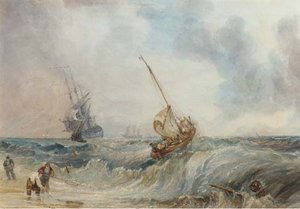
Fort Rouge, Calais
 Skaityti daugiau
Giclée / Meno spausdinimas
Muziejų lygio „giclée“ arba drobos spausdinimas: greita gamyba ir lankstios apdailos parinktys. ( Pirkti rankomis tapytą paveikslą Perejti prie skaitmeninio vaizdo)




































Pasirinkite iš mūsų nustatytų dydžių, atitinkančių originalaus meno kūrinio proporcijas.

Galite nurodyti savo matmenis, kad vaizdas atitiktų konkretų rėmą ar erdvę. Jei pasirinktas dydis nesutaps su originalaus paveikslėlio proporcijomis, mes arba apkirpsime kūrinį, arba išplėsime vaizdą naudojant veideliu atspindėtą arba vientisą šoną. Skaitmeninis maketas bus išsiųstas jums patvirtinti prieš pradedant gamybą.
Atkreipkite dėmesį, kad ekrane matomas vaizdinys neatspindi tikrojo apkirpimo ar išplėtimo. Tik maketas tiksliai parodytų galutinę kompoziciją.
Nors galima rinktis ir individualius dydžius, rekomenduojame pasirinkti vieną iš išanksti nustatytų matmenų, kad būtų išlaikytos originalios proporcijos.
Pristatymas visame pasaulyje () per 2 weeks, o ne įprastas 4/5 savaičių laikotarpis. (15 rugsėjis)

Nemokamas greitasis pristatymas visame pasaulyje

Aukštos kokybės lininis drobė

Pilnas siuntimo draudimas

Muitinės mokesčių grąžinimo garantija

Tikro spalvų atitikimo garantija

100 dienų grąžinimo politika (tik esant įtaigoms)

100% pinigų grąžinimo garantija

Nuolaida už kelias reprodukcijas
 Stiklo variantas prieinamas tik pasirinkus dydį iki 110 cm

Fort Rouge, Calais
Giclée / Meno spausdinimas
Reprodukcijos matmenys
-


Galutinė kaina
$ 80
Autoriaus biografija
Early Life and Artistic Beginnings
Samuel Owen (circa 1769 – December 8, 1857) emerged from obscurity as a prominent English marine painter and illustrator during the Romantic era. Precise details of his birthdate remain elusive, though records indicate he was born sometime around 1769 in England—a time marked by significant artistic innovation and burgeoning interest in exploring the natural world. Little is known about Owen’s formative years prior to 1791, when he debuted his artwork “A Sea View” at the Royal Academy, marking a pivotal moment in establishing his professional career.Note: Wikipedia- His early artistic training remains undocumented, suggesting self-taught proficiency combined with exposure to prevailing artistic trends of the period.
- Owen’s initial works demonstrated an acute observational skill and a commitment to capturing the essence of maritime landscapes—characteristics that would define his distinctive style throughout his prolific output.
Royal Academy Exhibitions and Maritime Observation
Owen swiftly gained recognition within London's artistic circles following his debut at the Royal Academy in 1797, capitalizing on the fervor surrounding Napoleon’s invasion of Spain. His ambitious depiction “A View of the British and Spanish Fleets” powerfully conveyed the grandeur and tension of naval warfare—a subject that would become a cornerstone of his oeuvre.Note: Tate- He continued to impress audiences with subsequent exhibitions showcasing scenes from engagements like Camperdown, meticulously rendered in watercolor.
- Owen’s artistic vision was profoundly influenced by the Romantic movement's emphasis on emotion and sublime beauty—a sensibility evident in his detailed depictions of ships and coastal vistas.
Collaboration with William Blake and Artistic Style
Owen’s association with William Blake, a fellow artist and visionary, fostered intellectual exchange and contributed to the development of his artistic style.Note: Tate- Blake's influence encouraged Owen to explore expressive techniques—particularly tonal gradation—that heightened the dramatic impact of his paintings.
- Owen’s meticulous attention to detail—capturing textures, light effects, and atmospheric conditions—became a hallmark of his work.
Notable Projects: Thames River Views and Engravings
Among Owen's most enduring achievements were the series of 84 watercolor drawings commissioned for William Westall’s “Picturesque Tour of the River Thames,” published in 1838.Note: Tate- These panoramic views celebrated the Thames as a symbol of British identity and artistic aspiration.
- Furthermore, Owen's collaboration with William Bernard Cooke resulted in the engraving of “The Thames”—a monumental undertaking that solidified his reputation as a master draftsman and illustrator.Note: Tate
Legacy and Historical Significance
Samuel Owen died peacefully at Sunbury in Surrey on December 8, 1867, leaving behind a substantial body of work that continues to inspire admiration for its artistic merit and historical documentation.Note: Tate- His paintings exemplify the Romantic ideal of capturing sublime landscapes—a genre that profoundly shaped British art history.
- Owen’s meticulous observation and skillful rendering of maritime subjects cemented his place as one of the foremost marine painters of his era, ensuring his enduring legacy within the annals of artistic achievement.
Samuel Owen
1769 - 1857 , United Kingdom
Trumpa informacija
- Artistic Movement Or Style: Marine Painting
- Date Of Death: 1857
- Full Name: Samuel Owen
- Nationality: British
- Notable Artworks:
- Low Tide At Rochester
- Margate harbour,
- A Frigate In A Busy Shipping Lane
- Place Of Birth: United Kingdom