 Peržiūrėti realaus dydžio版
 Pasidalinti
 Dalintis
 Išsamiau
 Vadovas

 Atsisiųsti
 Panašūs eksponatai
 Rentgeno spindulių nuotrauka
 Automatinė diorama
 问答
问答 Statistika
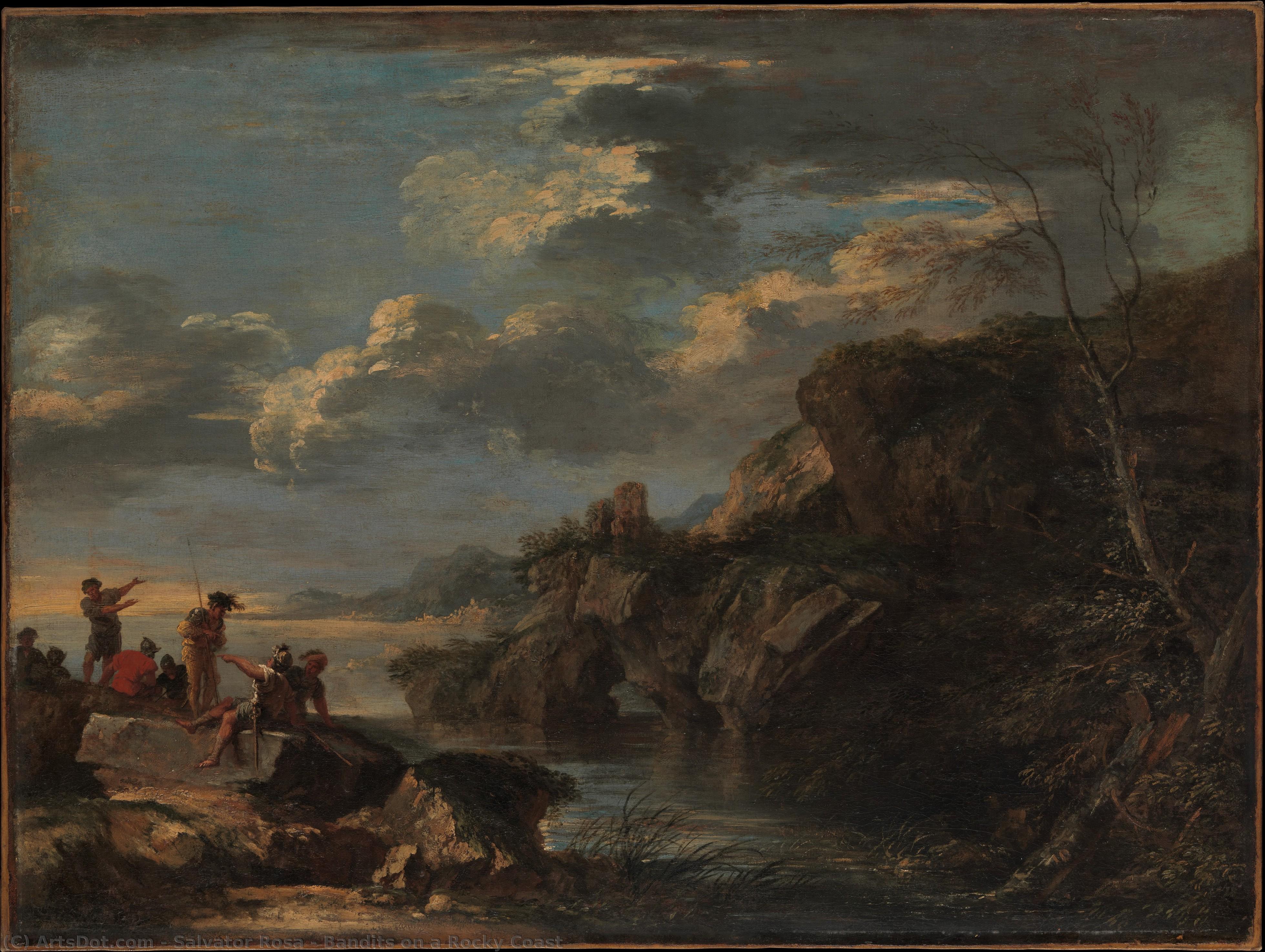
Bandits on a Rocky Coast


 Skaityti daugiau
Giclée / Meno spausdinimas
Muziejų lygio „giclée“ arba drobos spausdinimas: greita gamyba ir lankstios apdailos parinktys. ( Pirkti rankų darbo tapybą Perejti prie skaitmeninių vaizdų)




P118B €10

P118H €10

P118W €10

P438Z €10

P508JH €12

P508YH €12

P805H €10

P805Z €10

P919BZ €10

P919G €10

P919XJ €10

P959ZH €10

P968JZ €12

W106C €8

W218G €10

W218JH €8

W218Y €10

W307PJ €10

W316G €10

W316PJ €8

W316Y €10

W398PJ €8

W4111J €10

W500HY €15

W500JH €15

W692G €12

W849H €8

W940BG €15

W953PJ €8




Pasirinkite iš mūsų nustatytų dydžių, atitinkančių originalaus meno kūrinio proporcijas.

Įveskite jums reikiamą plotį ir aukštį, kad atvaizdas derėtų prie jūsų rėmo ar sienos. Spausdiną galima tik sumažinti, bet nepadidinti virš originalaus paveikslėlio dydžio, todėl keičiant proporcijas, dalis vaizdo prarandama. Prieš spausdinimą atsiųsime jums skaitmeninį maketą patvirtinimui. Šioje puslapio nuotraukoje matomas pjūvis nėra tikslus – jį rodo tik maketas.
Pristatymas visame pasaulyje () per 2 weeks, o ne įprastas 4/5 savaičių laikotarpis. (4 lapkritis)

Nemokamas greitasis pristatymas visame pasaulyje

Aukštos kokybės lininis drobė

Pilnas siuntimo draudimas

Muitinės mokesčių grąžinimo garantija

Tikro spalvų atitikimo garantija

100 dienų grąžinimo politika (tik esant įtaigoms)

100% pinigų grąžinimo garantija

Nuolaida dideliems užsakymams
 Stiklo variantas prieinamas tik pasirinkus dydį iki 110 cm

Bandits on a Rocky Coast
Giclée / Meno spausdinimas
Reprodukcijos matmenys
-


Bendroji kaina
€ 72
A Dramatic Tableau of Baroque Rebellion
In the mid-17th century, the Italian Baroque era was defined by its thirst for drama, tension, and the sublime. Salvator Rosa’s “Bandits on a Rocky Coast,” painted around 1656, serves as a quintessential emblem of this movement. The scene does not merely present a landscape; it presents a moment frozen in time, where the ruggedness of nature meets the lawlessness of man. A group of bandits—perhaps mercenaries or rebels—perch precariously upon jagged, desolate cliffs that overlook a turbulent coastline. Their postures are heavy with defiance and readiness, capturing a palpable sense of impending confrontation. As one gazes upon this masterpiece, the viewer is drawn into a world of illicit activity and shadows, where every figure seems to hold a secret against the backdrop of an untamed wilderness.
The technical mastery behind this work is nothing short of breathtaking, making it a profound choice for collectors who value the visceral texture of classical oil painting. Rosa employs a masterful use of chiaroscuro, the stark and theatrical contrast between light and dark, to sculpt the figures from the gloom. This technique creates an immersive visual experience, pulling the eye toward the glint of weapons and the weathered faces of the outlaws. Through thick, expressive impasto, the artist lends a physical weight to the rocky terrain, while his use of atmospheric perspective subtly blurs the distant horizon, heightening the sense of isolation and vastness. For an interior designer, this painting offers a commanding presence, providing a focal point that brings depth, movement, and a sophisticated edge to any curated space.
Symbolism and the Turbulent Soul
Beyond its surface-level tension, “Bandits on a Rocky Coast” is deeply embedded with the philosophical anxieties of its time. Rosa was a man of immense intellect—a poet and polymath whose work often touched upon the darker aspects of the human condition. The painting reflects the turbulent political climate of 17th-century Italy, an era marked by instability and shifting power dynamics. There is a subtle, intellectual layer to the composition that hints at Pythagorean philosophy, specifically the concept of descent into darkness followed by rebirth. This theme of struggle and resilience is mirrored in the very landscape itself; the jagged rocks and heavy, clouded skies serve as metaphors for the internal conflicts of the human spirit.
To possess a reproduction of this work is to invite a conversation about strength, mystery, and the beauty found in the untamed. The emotional impact of the piece lies in its ability to evoke both awe and unease. It is a painting that refuses to be ignored, demanding contemplation of the boundary between civilization and chaos. Whether placed in a private study or a grand living hall, this artwork serves as a window into the rebellious spirit of Salvator Rosa, offering an enduring sense of drama and historical gravity that continues to captivate the modern eye.
Klausimai ir atsakymai
Kada buvo sukurta „Bandits on a Rocky Coast“?
„Bandits on a Rocky Coast“ – Salvatoras Roza sukurtas 1656 m.
Ar „Bandits on a Rocky Coast“ – Salvatoras Roza, esąį Metropolitano muziejus, galima legaliai reprodukcijaoti?
Originalus kūrinys „Bandits on a Rocky Coast“ saugomas Metropolitano muziejus, o jo autorinė teisė yra yra viešosios erdvės dalis – jo autorinė teisė pasibaigusi.
Kaip rasti panašių kūrinių kaip „Bandits on a Rocky Coast“ – Salvatoras Roza?
Puslapio Panašūs kūriniai skiltyje, skirtoje kūriniam darbui „Bandits on a Rocky Coast“ – Salvatoras Roza, pateikiami panašūs meno kūriniai.
Autoriaus biografija
Ankstyvas gyvenimas ir mokymasis
Salvator Rosa, italų baroko tapytojas, poetas ir graviūrų meistras, gimė Arenelloje (Napolio apylinkės) 1615 m. birželio 20 arba liepos 21 dieną. Jo motina, Giulia Greca Rosa, priklausė vienai iš Sicilijos graikų šeimų. Nepaisant tėvo noro, kad sūnus taptų advokatu ar kunigu, Salvator nuo ankstyvos jaunystės rodė pomėgį menui. Jaunasis Salvator turėjo įveikti finansines ir socialines kliūtis siekdamas savo meno svajonių. Pradinį mokymą jis gavo vietiniuose meistrų dirbtuvėse, kur įsisavino pagrindinius tapybos principus ir techniką. Tačiau jo nenoras paklusti tradicinėms konvencijoms greitai pasireiškė, o jaunasis menininkas ėmė ieškoti savito stiliaus. Šis ankstyvas maištingumas vėliau taps esmine jo kūrybos dalimi.Meno karjera ir unikalus stilius
Salvator Rosa meno karjerą pažymėjo netradicinis ir ekstravagantiškas stilius, kuris išskyrė jį iš bendraamžių. Jis buvo aktyvus Neapolyje, Romoje ir Florencijoje, o jo kūrybai įtakos turėjo Ribera naturalizmas ir Puseno klasicizmas. Tačiau jis atsisakė būti susaistytas su bet kokia konkrečia stilistika ar judėjimu. Jo tapybą dažnai apibūdina dramatiškumas, tamsios spalvos ir stiprios šviesos bei šešėlių kontrasto naudojimas. Salvator Rosa buvo ne tik talentingas tapytojas, bet ir aštrus stebėtojas, kuris savo darbuose atspindėjo aplinkinio pasaulio sudėtingumą ir neteisybę. Viena žymiausių jo darbų – „Pythagoras išžengiantis iš požemio“ (Kimbell meno muziejus, Fort Vortas, Jungtinės Amerikos Valstijos), kuriame puikiai atsispindi unikalus filosofinių ir artistinių temų derinys. Kitas svarbus kūrinys – „Eunucho krikštijimas“ (Chrysler meno muziejus, Norfolkas, Jungtinės Amerikos Valstijos) demonstruoja jo gebėjimą įnešti didelę dramą net ir nedideliuose biblinių istorijų epizoduose.Įtakos ir palikimas
Salvator Rosa darbai turėjo reikšmingą įtaką baroko meno plėtrai. Jo įtaka matoma vėlesnių menininkų kūriniuose, pavyzdžiui, Luca Giordano, kuris tęsė artistinės ekspresijos ribų stūmimo tradiciją. Salvator Rosa buvo žinomas ir kaip poetas bei satyrikas, rašęs aštrius eilėraščius, kuriuose kritikuodavo visuomenės ydus ir politinę korupciją. Jo poezija atspindėjo jo maištingišką dvasią ir nenorą paklusti konvencijoms. Be to, Salvator Rosa buvo įtakingas graviūrų meistras, sukūręs daugybę išskirtinių darbų, kuriuose puikiai derino tapybos ir poezijos elementus. Jo kūryba turėjo didelį poveikį vėlesnės kartos menininkams, kurie įkvėpimo semiasi jo drąsiu stiliumi ir filosofiniu požiūriu į pasaulį.Svarbios nuorodos:
Salvator Rosa profilis OriginalUniqueArt Wikipedia: Salvator Rosa Pythagoras išžengiantis iš požemio OriginalUniqueArtIšvada
Salvator Rosa gyvenimas ir kūryba tebežavi meno mylėtojus ir istorikus. Jo netradicinis stilius ir nuolatinis maištingumas prieš savo laikmečio normas įtvirtino jo vietą baroko meno analuose. Kaip tapytojas, poetas ir graviūrų meistras, jis išlieka enigmatiška figūra, o jo darbai tebeturi įkvėpti naujoms kartoms menininkų ir meno entuziastų.
Salvatoras Roza
1615 - 1673 , Italija
Trumpa informacija
- Gimimo Data: 1615 m. birželio 20 d.
- Gimimo Vieta: Arenella, Italija
- Meninis Stilius: Baroko menas
- Mirties Data: 1673 m.
- Pilietybė: Italas
- Pilnas Vardas: Salvator Rosa
- Turėjo Įtakos: ['José de Ribera']
- Įtakojo: ['Luca Giordano']
- Žymiausi Darbai:
- Pogalbio įvartai
- Baptizmas
- Genijus
Susiję straipsniai

Salvator Rosa: A Baroque Rebel's Vision of Landscape, Allegory & the Human Condition
Explore the captivating world of Salvator Rosa, a rebellious Baroque master. Discover his dramatic landscapes, allegorical paintings & lasting influence on Romanticism. Hand-painted reproductions available at OriginalUniqueArt.
Shadow, Light, and Spectacle: The Dramatic Evolution of Baroque Landscape Painting
Explore the breathtaking drama of Baroque landscapes. Our expert guide delves into the interplay of light and shadow in 17th-century masterpieces. Discover art history and find museum-quality, hand-painted oil reproductions to bring classical grandeur to your home.

Drama and Light: A Definitive Guide to the Italian Baroque Masterpieces and the Revolution of Chiaroscuro
Explore the dramatic world of Italian Baroque art. Discover how masters like Caravaggio used chiaroscuro and tenebrism to revolutionize painting through light, shadow, and profound realism. A definitive guide for history lovers and art collectors.
Epic Drama & Dark Vibes: The Ultimate Collector's Guide to Baroque Landscapes
Master the art of drama with our ultimate guide to Baroque landscapes. Discover the power of chiaroscuro, explore legendary masters, and learn how to curate epic, dark-vibe masterpieces for your collection with expert insights from OriginalUniqueArt.

Drama in Nature: The Captivating Grandeur of Baroque Landscapes and the Art of Emotional Spectacle
Explore the breathtaking drama of Baroque landscapes. From Rubens's grand vistas to the mastery of chiaroscuro, discover how 17th-century artists transformed nature into a theatrical stage of emotion and light. A deep dive for true art enthusiasts.
