
 Pasidalinti
 Dalintis
 Išsamiau

 Atsisiųsti
 Panašūs eksponatai
 Automatinė diorama
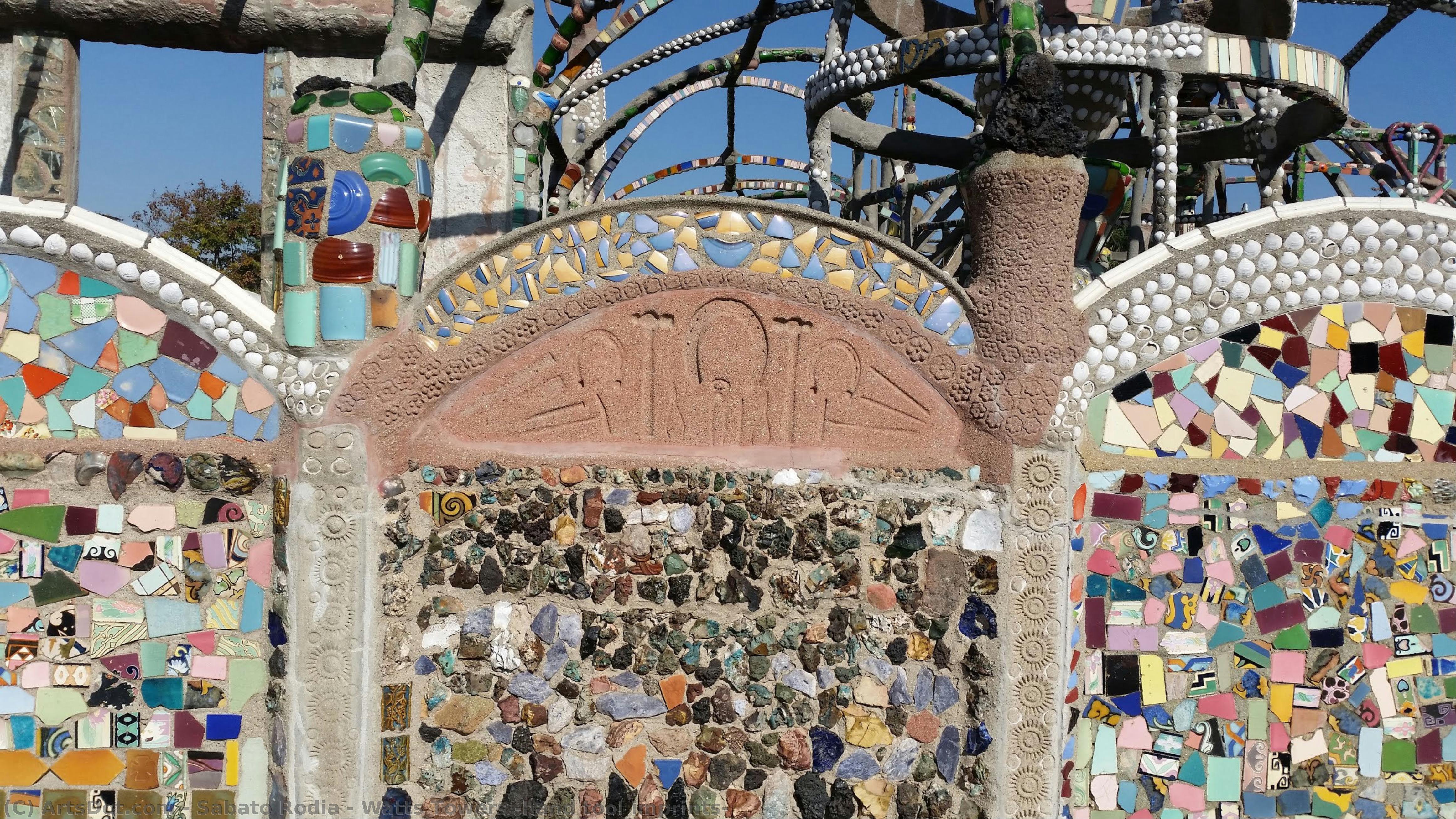
Watts Towers (hand tool imprints)


 Skaityti daugiau
Rankų darbo aliejinės reprodukcijos
Rankiniu būdu tapytas aliejus ant droblio jūsų pageidaujamame dydį ir rėmuose – mūsų menininkų darbas pagal užsakymą. ( Pirkti spaudinį Pirkti vaizdą)




































Pasirinkite iš mūsų nustatytų dydžių, atitinkančių originalaus meno kūrinio proporcijas.

Galite įvesti savo matmenis, kad jie atitiktų konkretų rėmą ar erdvę. Jei pasirinktas dydis neatitinka originalaus paveikslėlio proporcijų, mes arba apkropsime meno kūrinį, arba papildysime tapybą rankomis dažytい elementais. Prieš pradėdami gamybą, jūsų patvirtinimui atsiųsime skaitmeninį maketą.
Atkreipkite dėmesį, kad ekrane rodomas vaizdas neatspindi tikrojo apkarpymo ar papildymo. Tik maketas tiksliai parodys galutinę kompoziciją.
Nors galima rinktis ir individualius dydžius, rekomenduojame pasirinkti matmenis iš nustatytos sąrašo, kad būtų išlaikytos originalios proporcijos.
Gavus užsakymą, OriginalUniqueArt.com komanda susisieks su klientu el. paštu dėl instrukcijų ir pateiks maketo pavyzdį.
Pristatymas visame pasaulyje () per 3–4 savaites, o ne įprastai – per 5 savaites. (20 rugpjūtis). Kokybė lieka nepakeičiama.

Nemokamas greitasis pristatymas visame pasaulyje

Aukštos kokybės lininis drobė

Pilnas siuntimo draudimas

Muitinės mokesčių grąžinimo garantija

Tikro spalvų atitikimo garantija

60 dienų grąžinimo politika (tik esant gamyklinėms defektams)

100% pinigų grąžinimo garantija

Nuolaida už kelias reprodukcijas
 Stiklo variantas prieinamas tik pasirinkus dydį iki 110 cm

Watts Towers (hand tool imprints)
Reprodukcijos technika
Reprodukcijos matmenys
-


Galutinė kaina
$ 300
Kūrinio aprašymas
A Monument of Persistence: The Soul of the Watts Towers
To encounter the Watts Towers is to witness a profound dialogue between human will and the raw materials of the earth. Created by the Italian immigrant Sabato Rodia, these structures represent one of the most captivating examples of outsider art in the American canon. The work, specifically captured through the intimate lens of his hand-tool imprints, reveals a texture that is both rugged and deeply personal. Unlike the polished perfection of classical sculpture, this piece celebrates the tactile reality of construction; it is an architectural poem written in steel, mortar, and found objects. Each surface tells a story of decades spent meticulously layering fragments of glass, ceramic, and stone, creating a mosaic that breathes with the rhythm of Rodia’s own labor.
The aesthetic essence of this work lies in its magnificent complexity. While the overall structure may appear chaotic to the untrained eye, there is an underlying organic harmony that mirrors the natural growth of a coral reef or a crystalline formation. The technique involves a masterful use of mosaic construction, where the interplay of light and shadow across uneven surfaces creates a dynamic visual experience. For the collector or interior designer, this piece offers a breathtaking depth; it provides a focal point that is never static, as the shifting sunlight throughout the day alters the perceived colors and textures of the embedded fragments. It is a celebration of the "found object," transforming the discarded remnants of urban life into a soaring, spiritual landmark.
Historical Resonance and Artistic Legacy
Spanning over three decades of solitary creation, from 1921 to 1954, the Watts Towers serve as a testament to the immigrant experience and the concept of art brut. Sabato Rodia, working largely in isolation, infused his Italian-American heritage into the very marrow of these towers. The historical context is one of transformation—taking the industrial detritus of Los Angeles and elevating it to the status of a national treasure. This piece carries with it the weight of history, evoking the era of folk art and the raw, unmediated expression of an artist working outside the traditional academy. It is not merely a sculpture; it is a physical manifestation of time itself, frozen in mortar.
For those seeking to integrate such a powerful work into a curated space, the emotional impact is undeniable. The towers evoke feelings of resilience, wonder, and a deep connection to the earth. Whether placed in a contemporary gallery setting or as a statement piece in a sophisticated residential interior, a reproduction of this work brings an element of "monumental intimacy." It invites viewers to contemplate the beauty found in imperfection and the extraordinary things that can be built from the simplest of beginnings. Owning a piece of this legacy means embracing a narrative of endurance and the eternal human desire to leave a beautiful, indelible mark upon the world.
Autoriaus biografija
early life and career
sabato rodia, also known as simon rodia, was an italian immigrant who lived in the united states. born in serino, italy in 1879, he spent most of his adult life in los angeles, where he built the watts towers, a collection of 17 interconnected sculptural towers, architectural structures, and individual sculptural features and mosaics.the watts towers: a masterpiece of outsider art
the watts towers are an example of outsider art (or art brut) and italian-american naïve art. designed and built solely by rodia over a period of 33 years, from 1921 to 1954, the tallest tower stands at 99.5 feet (30.3 m). the site is now part of the simon rodia state historic park, a los angeles historic-cultural monument and one of nine folk art sites listed in the national register of historic places in los angeles.design and construction
rodia's armatures are constructed from steel rebar, wrapped with wire mesh, and decorated with found objects, including bottles, ceramic tiles, seashells, figurines, mirrors, and other items. the main supports are embedded with pieces of porcelain, tile, and glass. [https://OriginalUniqueArt.com/@@/d4csx7-sabato-rodia-watts-towers](painting by 'sabato rodia' | sabato rodia:watts towers (public art in public places (california, united states),sculpture,))legacy and preservation
the watts towers were designated a national historic landmark and a california historical landmark in 1990. [https://en.wikipedia.org/wiki/watts_towers](wikipedia: watts towers) provides more information on the site's history and preservation efforts.- key facts:
- born in serino, italy in 1879
- spent most of his adult life in los angeles
- built the watts towers over a period of 33 years (1921-1954)
- designated a national historic landmark and california historical landmark in 1990
- related artists:
- [https://OriginalUniqueArt.com/@/carlo-jeannerat](artist: carlo jeannerat)
- [https://OriginalUniqueArt.com/@/michelangelo-buonarroti](artist: michelangelo buonarroti)
- related paintings:
- [https://OriginalUniqueArt.com/@@/d4csx7-sabato-rodia-watts-towers](painting by 'sabato rodia' | sabato rodia:watts towers)
- [https://OriginalUniqueArt.com/@@/9gg6g7-michelangelo-buonarroti-the-conversion-of-saul-(detail-)](painting by 'michelangelo buonarroti' | michelangelo buonarroti:the conversion of saul (detail - ))

sabato rodia
1879 - 1965 , Italy
Trumpa informacija
- Artistic Movement Or Style: Expressionism, Surrealism
- Artists Or Movements Influenced By This Artist:
- Bauhaus
- Surrealism
- Artists Who Influenced This Artist:
- Leonardo da Vinci
- Wassily Kandinsky
- Date Of Birth: 18 December 1879
- Date Of Death: 29 June 1940
- Full Name: Paul Klee
- Nationality: Swiss-German
- Notable Artworks:
- Angelus Novus
- Senecio
- Twittering Machine
- Place Of Birth: Münchenbuchsee, Switzerland
Susiję straipsniai

Grant Wood & American Regionalism: Identity, Myth & the Rural Landscape
Explore the world of Grant Wood & American Regionalism with OriginalUniqueArt. Discover the symbolism behind 'American Gothic', recurring themes, and the movement's lasting impact on art history. High-quality reproductions available.

American Realism's Defining Works: 10 Masterpieces for Your Home
Explore 10 defining American Realism masterpieces – Hopper, Homer & more. Discover the stories behind these iconic paintings and bring timeless art to your home with OriginalUniqueArt's museum-quality reproductions. Explore the full collection online.

American Regionalism: The Soul of the Heartland and the Mastery of Grant Wood
Explore the profound history of American Regionalism. Discover how Grant Wood captured the heart of the Midwest through masterpieces like American Gothic. An expert guide to the movement, its cultural impact, and the enduring beauty of American Realism.

Frederick Waters Watts: A Victorian Vision of Aestheticism & Spiritual Symbolism
Explore the captivating world of Frederick Watts, a key Victorian painter blending aestheticism & spiritual symbolism. Discover his allegorical masterpieces like 'Hope' and delve into his artistic journey with OriginalUniqueArt.

American Regionalism: A Crucible of Identity – Exploring Themes of Place, Labor & Social Commentary
Explore American Regionalism's powerful depiction of the American heartland during the Great Depression. Discover Grant Wood, Thomas Hart Benton & more. Expert analysis & high-quality art reproductions at OriginalUniqueArt.

