

 Peržiūrėti realaus dydžio版
 Pasidalinti
 Dalintis
 Išsamiau
 Vadovas

 Atsisiųsti
 Panašūs eksponatai
 Rentgeno spindulių nuotrauka
 Automatinė diorama
 Q&A
Q&A Statistika
Who comes?
 Oil
Oil- WallArt
 1908
1908- 19th Century
 542.0 x 810.0 cm
 Australijos nacionalinė galerija
 Skaityti daugiau
Giclée / Meno spausdinimas
Muziejų lygio „giclée“ arba drobos spausdinimas: greita gamyba ir lankstios apdailos parinktys. ( Pirkti rankų darbo tapybą Perejti prie skaitmeninių vaizdų)




P118B €10

P118H €10

P118W €10

P438Z €10

P508JH €12

P508YH €12

P805H €10

P805Z €10

P919BZ €10

P919G €10

P919XJ €10

P959ZH €10

P968JZ €12

W106C €8

W218G €10

W218JH €8

W218Y €10

W307PJ €10

W316G €10

W316PJ €8

W316Y €10

W398PJ €8

W4111J €10

W500HY €15

W500JH €15

W692G €12

W849H €8

W940BG €15

W953PJ €8




Pasirinkite iš mūsų nustatytų dydžių, atitinkančių originalaus meno kūrinio proporcijas.

Įveskite jums reikiamą plotį ir aukštį, kad atvaizdas derėtų prie jūsų rėmo ar sienos. Spausdiną galima tik sumažinti, bet nepadidinti virš originalaus paveikslėlio dydžio, todėl keičiant proporcijas, dalis vaizdo prarandama. Prieš spausdinimą atsiųsime jums skaitmeninį maketą patvirtinimui. Šioje puslapio nuotraukoje matomas pjūvis nėra tikslus – jį rodo tik maketas.
Pristatymas visame pasaulyje () per 2 weeks, o ne įprastas 4/5 savaičių laikotarpis. (29 spalis)

Nemokamas greitasis pristatymas visame pasaulyje

Aukštos kokybės lininis drobė

Pilnas siuntimo draudimas

Muitinės mokesčių grąžinimo garantija

Tikro spalvų atitikimo garantija

100 dienų grąžinimo politika (tik esant įtaigoms)

100% pinigų grąžinimo garantija

Nuolaida dideliems užsakymams
 Stiklo variantas prieinamas tik pasirinkus dydį iki 110 cm

Who comes?
Giclée / Meno spausdinimas
Reprodukcijos matmenys
-


Bendroji kaina
€ 71
Klausimai ir atsakymai
Ar „Who comes?“ kūrijas Rupert Charles Wulsten Bunny žinomas에도 kitais vardais?
Kiti Rupert Charles Wulsten Bunny, „Who comes?“ kūrybos autoriaus, vardai apima Bunny, R.C. Bunny.
Kur galiu peržiūrėti „Who comes?“ išsamiai?
„Who comes?“ Peržiūra interjere puslapio funkcija leidžia peržiūrėti kūrinį prieš užsakant.
Ar „Who comes?“ galima peržiūrėti papildydami realybę?
„Who comes?“ – Rupert Charles Wulsten Bunny galite išbandyti ant savo sienos naudodami papildytoji realybės funkciją suderinamame įrenginyje per šio kūrinio Peržiūra papildintajai realybei puslapį.
Autoriaus biografija
ankstyvasis gyvenimas ir mokslas
rupert charles wulsten bunny, australijos tapusįs paveikslį kūręs, 1864 metais gimė viktorijos valstijoje, st kilda. jis įgijo tradicinius ir akademinius meno žinių pagrindus mokydamsis pas calderon ir laurens. ši tvirta mokslo bazė vėliau tapo raktu į jo sėkmingą karjerą kaip emigruotio dailininko fin-de-siècle Paryzuje.pasiekimai ir atsidavimas
bunny meninis meistriškumas buvo pripažintas anksti: sulaukė pagundos už savo paveikslą tritons savo 1890 m. paryjaus salone. savo reputaciją jis dar tvirtai įtvirtino laimėjęs bronzinę medalu 1900 m. paryjaus visos pasaulio parodoje už kūrinį šv. katarinos aleksandrietiškos palaikymo scena. Prancūzijos valstybė įsigijo 13 jo darbų, iš kurių kai kurie šiandien saugomi luxemburgo muziejuje ir regioniniuose kolekcijose.meninis stilius ir temos
kritikai bunny vadino „prabangiu koloristu ir nuostabiai eruditu idealių temų paveiksluotoju“. jo kūrinys dažnai atskleidė moteriškų figūrų grupes – raminantis, sapnuojančias ar apsirendančias prie vandens paviršių – demonstruodamas unikalų simbolizmo ir esteticizmo derinį.- pastebimiausi darbai:
- endormies (viktorijos nacionalinė galerija, melbourne, australia)
- sea idyll (viktorijos nacionalinė galerija, melbourne, australia)
- pastoral (australijos nacionalinė galerija, canberra, australia)
paliktis ir skaitmeninis buvimas
šiandien bunny darbai yra galima rasti įvairiuose muziejuose ir internetinėse platformose. tiems, kurie nori išsamiau susipažinti su jo menais, [https://OriginalUniqueArt.com/@/rupert-charles-wulsten-bunny](https://OriginalUniqueArt.com/@/rupert-charles-wulsten-bunny) siūlo išplaustą jo paveikslų kolekciją, įskaitant endormies, sea idyll ir pastoral. šie darbai taip pat yra galima įsigyti kaip muziejinės kokybės reprodukcijas per /en/art/show/art-8xyffg-en/išvados
rupert charles wulsten bunny, iš viktorijos st kilda kilęs australijos paveikslų kūrėjas, paliko neištriniamą žाlę menų pasaulyje savo prabangiu ir eruditu stiliumi. jo paliktis toliau įkvepia per jo darbus, kurie šiandien yra lengvai pasiekiami per [https://OriginalUniqueArt.com](https://OriginalUniqueArt.com).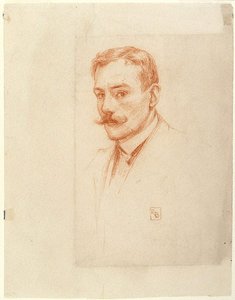
Rupert Charles Wulsten Bunny
1864 - 1947 , Australija
Susiję straipsniai
Elegant Art: 10 Masterpieces for a Refined Home |
Indulge in elegance with our Top 10 artworks! Explore masterpieces by Monet, Rembrandt & more. Discover timeless beauty, rich history & inspiring color palettes for your home decor. Find museum-quality art reproductions at .
The Allure of Elegance: Exploring Artistic Representations of Refinement Across Movements
Explore the captivating history of elegance in art, from Rococo's grace to Romanticism’s passion. Discover investment-worthy masterpieces & expert guidance for building your collection with OriginalUniqueArt.
Sir Joshua Reynolds' Masterpieces: 25 Portraits of Power & Refinement | OriginalUniqueArt
Explore 25 captivating portraits by Sir Joshua Reynolds, a master of British art. Discover stories behind his iconic paintings, elegant style & historical influence. Find museum-quality reproductions and elevate your home decor on OriginalUniqueArt.com.

The Allure of Elegance in Art: A Historical & Aesthetic Exploration of Refined Beauty
Explore the history of elegance in art! Discover Rococo masterpieces & key artists. Expert insights for discerning collectors seeking investment-worthy artworks and custom reproductions at OriginalUniqueArt.

The Allure of Elegance in Art: A Historical & Aesthetic Exploration of Refinement & Grace
Explore the exquisite world of Rococo art! Discover its history, masters (Watteau, Boucher & more), and defining elegance. Expert insights for collectors seeking museum-quality reproductions & custom portraits.
